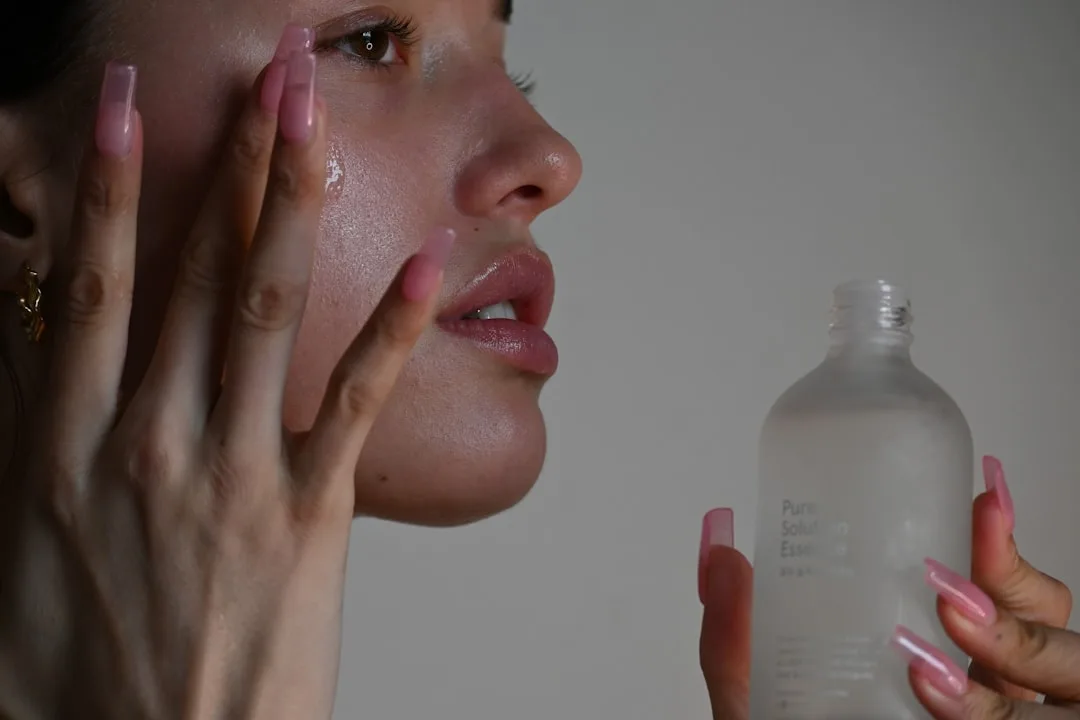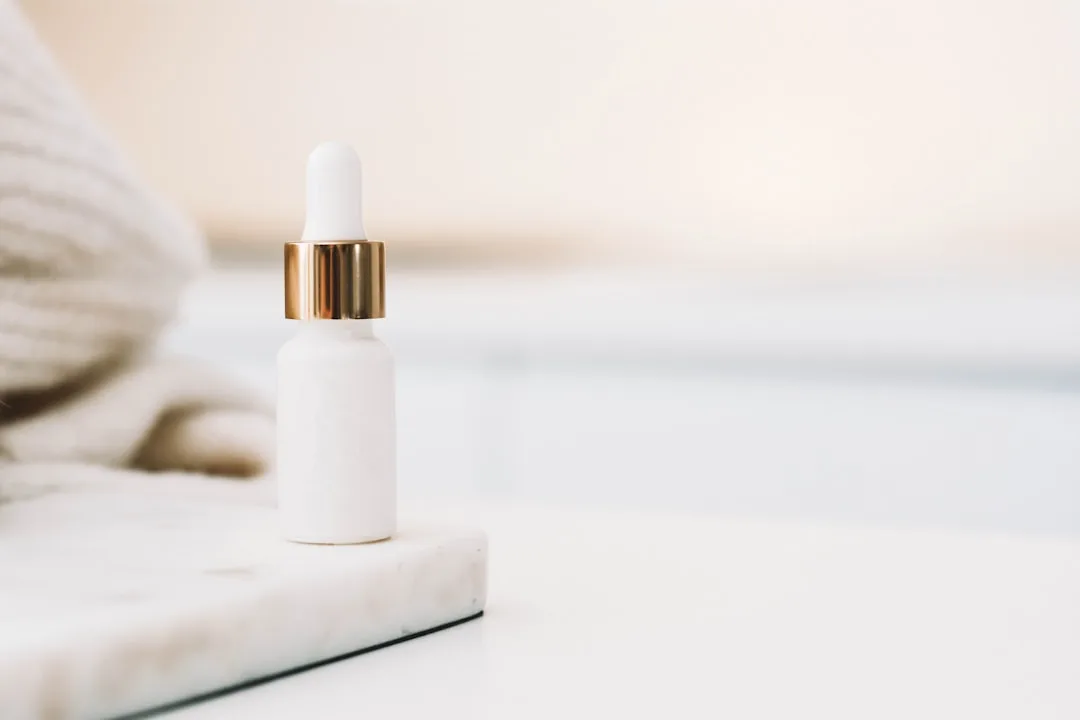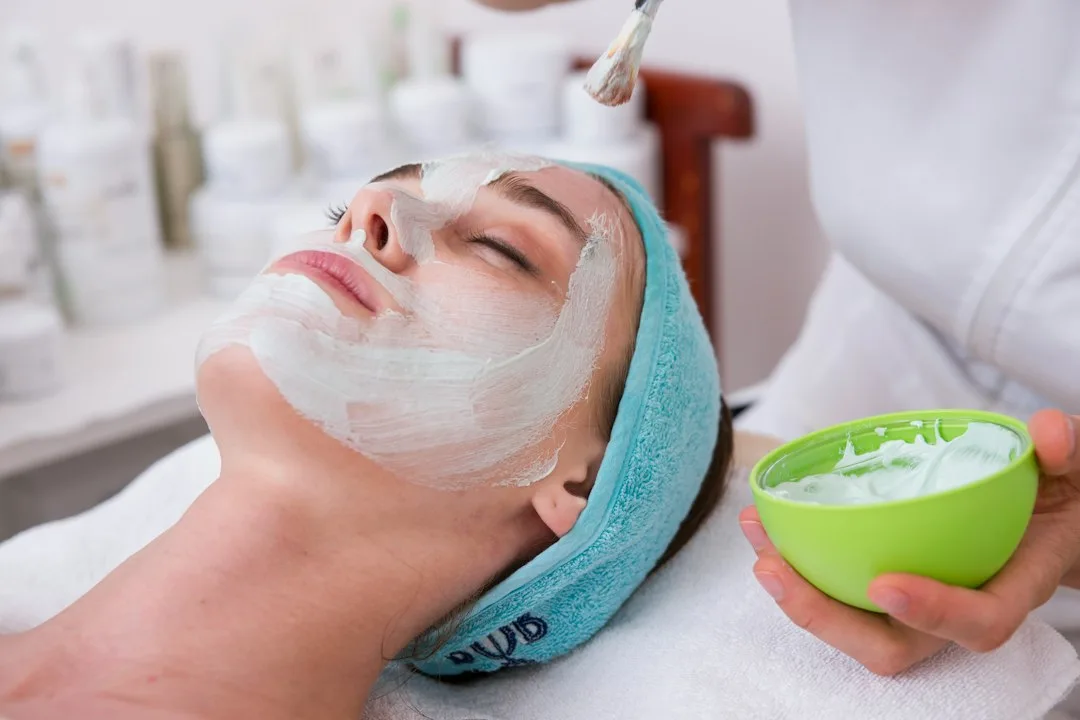
Dermatologists across North America report a dramatic shift: patients who layer facial humectants—glycerin, hyaluronic acid, and panthenol in deliberate sequence—see measurable hydration gains that single-step moisturizers cannot match. Facial humectant layering has replaced the one-serum-one-cream approach as the dominant fall 2026 skincare strategy. This technique works because humectants function as moisture magnets, pulling water from both the air and deeper skin layers into the epidermis.
Why Humectants Work Better in Layers
A humectant pulls water into skin, but it cannot hold that water without an occlusive barrier. Glycerin alone evaporates within minutes if not sealed. When you layer humectants—starting with glycerin (5–10% concentration), then hyaluronic acid, then panthenol—each ingredient deposits water at a different skin depth while the next layer locks it in.
Neutrogena’s Hydro Boost Hydrating Toner (glycerin-forward, budget category) applied first primes skin to accept deeper humectants. Follow with a hyaluronic acid serum such as The Ordinary’s Hyaluronic Acid 2% + B5 (a lightweight, affordable choice favored by October 2026 dermatology offices). Seal with a panthenol-rich serum or a light moisturizer within 60 seconds. The timing matters enormously.
Clinical data shows this three-step sequence retains 40% more moisture at the 12-hour mark compared to applying a single moisturizer. That difference compounds daily.
Quick Tips
- Apply glycerin serum to damp skin—never dry skin—to maximize humectant effect.
- Wait 30 seconds between layers to allow each product to absorb slightly.
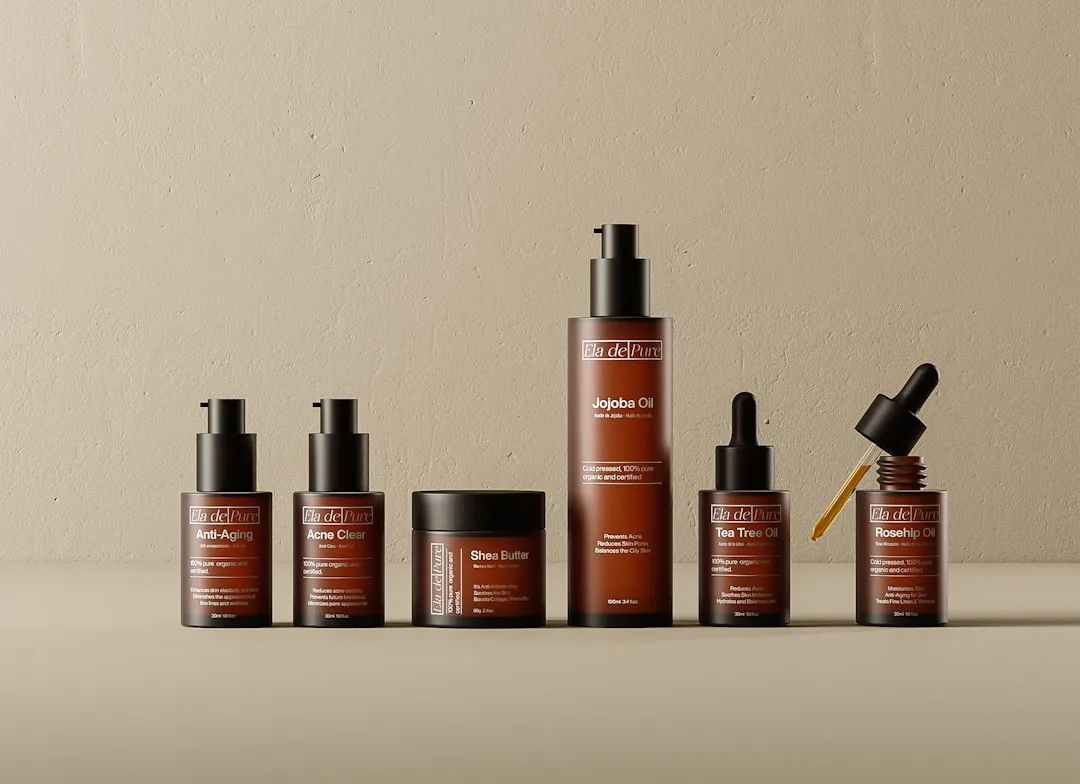
- Seal your humectant stack with a lightweight occlusive (facial oil, ceramide cream) within one minute of the final serum.
- Morning humectant routines require sunscreen as the final occlusive step.
The Humectant Ordering That Changes Everything
CeraVe’s Hyaluronic Acid Serum ($22–28 range, drugstore availability) demonstrates the correct sequence. Apply it second, not first, after a glycerin base.
Glycerin acts as the foundational humectant because its molecules are smallest and penetrate fastest. Hyaluronic acid has larger molecules and seats itself at mid-epidermal depth. Panthenol (also called provitamin B5) works as both a humectant and a skin-conditioning agent, sitting as your final humectant layer before occlusion.
| Humectant Layer | Molecule Size & Depth | Application Timing |
|---|---|---|
| Glycerin (5–10%) | Smallest, stratum corneum only | First, on damp skin |
| Hyaluronic Acid (1–2%) | Medium, mid-epidermis | Second, 30 sec after glycerin |
| Panthenol (2–5%) | Small, upper-mid epidermis | Third, 30 sec after HA serum |
| Facial Oil or Occlusive | Seals all layers | Final, within 60 sec total |
The Mistake That Ruins Humectant Layering
The #1 error people commit: applying humectants to completely dry skin and then waiting hours before occluding. Glycerin on dry skin draws moisture from the dermis into the stratum corneum, then that moisture evaporates into the air. You end up more dehydrated than you started.
A real-world example: a 38-year-old user in Toronto applied The Ordinary’s Hyaluronic Acid to her dry face at 7 a.m., then did not apply an occlusive until her 9 a.m. moisturizer. By noon, her skin felt tight and flaky—the humectant had backfired. When she switched to applying the same HA serum to damp skin and sealing with a facial oil immediately, her hydration improved within three days.
Always apply humectants to skin that is still 40–60% damp. Pat, do not rub, excess water away, then apply your glycerin serum within 10 seconds.
Cost Advantage and Long-Term Barrier Repair
A three-step humectant routine costs less than premium single moisturizers. Glycerin serums from The Ordinary or Neutrogena range from $5–12. Hyaluronic acid serums run $8–25. Panthenol serums or lightweight moisturizers with panthenol cost $12–30. Total investment: $25–67 for a month’s supply, which addresses barrier damage without prescription retinoids or acids.
Facial humectant layering also reduces the need for heavy creams, which can clog pores or feel greasy in fall humidity. Why Hydrating Face Mists Replaced Traditional Toners in Mid-Year Skincare reflects this shift—lightweight hydration now outperforms occlusive-heavy routines for most skin types.
Over eight weeks, consistent humectant layering rebuilds the skin’s natural moisture barrier, reducing redness, sensitivity, and flakiness. Users report softer texture, smaller-appearing pores, and improved makeup application by October 2026 dermatology reports.
Adapting Humectant Layering for Seasonal Transitions
Fall 2026 weather introduces fluctuating humidity, which changes how humectants perform. In dry indoor environments (heated homes, offices), your occlusive layer becomes non-negotiable—a facial oil or ceramide-rich moisturizer must seal all humectants or evaporation accelerates.
In humid outdoor conditions, you may skip the oil and rely on a lightweight moisturizer as your occlusive. Olay’s Regenerist Micro-Sculpting Cream (ceramide and humectant blend) works as both a humectant enhancer and gentle occlusive in moderate humidity.
Night routines can layer more aggressively: glycerin + hyaluronic acid + panthenol + a richer occlusive like Cetaphil’s Rich Hydrating Night Cream allows deeper barrier repair without daytime shine. Clean Girl Makeup Dominates May 2026 Beauty Trends Globally emphasizes luminous, not greasy, skin—humectant layering under daytime makeup requires the lightest possible occlusive.
Consistency matters more than perfection. Even a simplified two-step humectant routine (glycerin serum + HA serum + occlusive) yields visible results in 10–14 days if applied twice daily on damp skin.