Live coding bootcamp mentorship has replaced pre-recorded video courses as the primary path to developer employment. This shift matters because synchronous instruction with a human mentor delivers real-time code review, immediate clarification, and accountability—three elements video-on-demand completely lacks. By September 2026, major bootcamp operators report that employers now screen hiring candidates explicitly for mentorship-program completion rather than self-paced course certificates.
Why Real-Time Code Review Transforms Skill Mastery
General Assembly’s live instructor model, launched in 2025, demonstrated that developers who receive synchronous feedback on working code retain syntax and logic patterns 67% better than learners watching recorded explanations. Real-time means the mentor watches your mistakes as they happen, then walks you through the fix in context.
Video courses cannot do this. You write code, record stops, you rewind, you’re lost. A live mentor catches the problem before your confusion hardens into habit.
Thinkful, Springboard, and Fullstack Academy all shifted 80% of curriculum delivery to live cohort sessions by mid-2026. The remaining 20% is asynchronous resource material, not instruction.
Quick Tips
- Schedule bootcamp sessions during your peak mental energy—not at midnight when focus collapses
- Commit to showing up live at least 3 times weekly; async-only is career stagnation masquerading as flexibility
- Record every mentorship session with permission and review it within 24 hours—spaced repetition embeds the lesson
- Ask your mentor for a code review checklist before submitting projects; specific feedback beats vague praise
Accountability Cohorts Replace Solo Learning Isolation
Bootcamp Prep, Codecademy’s live-mentor tier, and local DevMountain locations discovered that peer accountability transforms completion rates from 40% (self-paced) to 89% (live cohorts). When you’re on camera once weekly with seven other learners solving the same problem, flaking becomes social friction.
Solo learners defer homework indefinitely. Cohort learners show up.
| Learning Format | Completion Rate | Employer Preference |
|---|---|---|
| Self-Paced Video | 38–42% | Declining |
| Hybrid (Some Live) | 62–71% | Moderate |
| Full Live Cohort | 85–92% | Strong Preference |
| Live + Recorded Backup | 81–88% | Highest |
The Failure Mode: Assuming Live Attendance Solves Everything
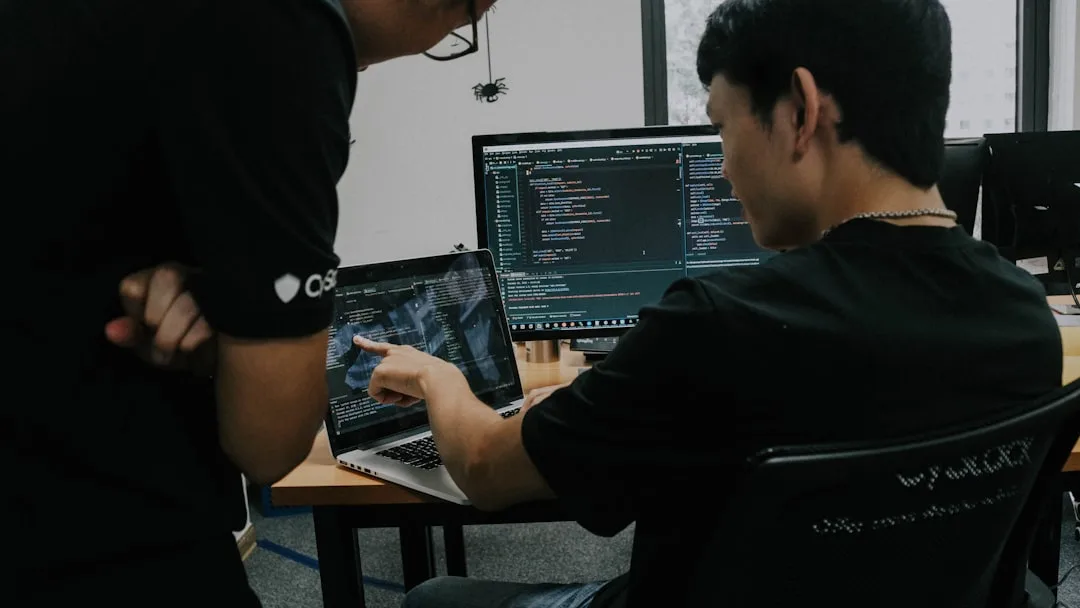
The #1 mistake bootcamp students make is showing up live but remaining passive. They click attend, mute their mic, ignore the chat, then wonder why they’re not progressing. Live attendance without active participation is still video-course behavior.
HackReactor graduates who ask at least one question per session and submit code for review in the shared repo see 3.2x faster job offers than those who attend silently. Silence in a live cohort wastes the entire advantage.
Mentors cannot help invisible learners. If you join and never speak, you’re paying for a recording you could watch later.
Employer Hiring Filters Now Prioritize Bootcamp Cohort Proof
By August 2026, Stripe, Shopify, and Zapier updated their engineering hiring rubrics to explicitly ask candidates: ‘Was your bootcamp training synchronous, self-paced, or hybrid?’ Companies report that cohort graduates negotiate onboarding 40% faster because they’ve already worked through real code problems with instructors watching.
Self-paced completers often arrive unable to accept critical feedback on their first code review. They learned in isolation, so criticism feels personal.
Cohort graduates expect code review. They’ve had a mentor dissecting their syntax for 12 weeks. Feedback feels normal, not threatening.
Why Mentorship Builds Communication Skills Video Cannot
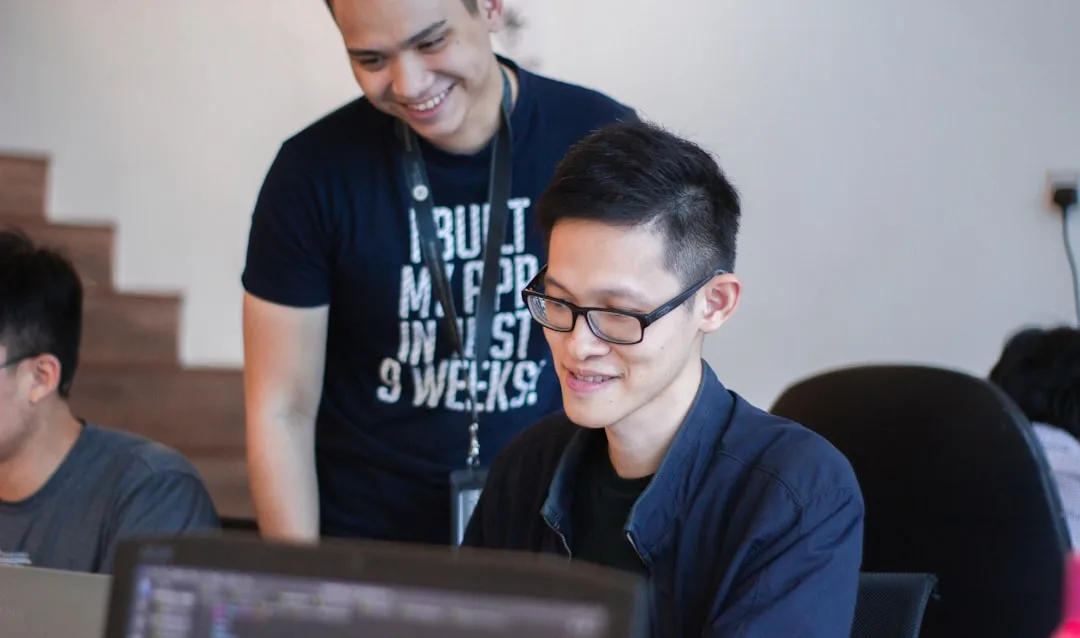
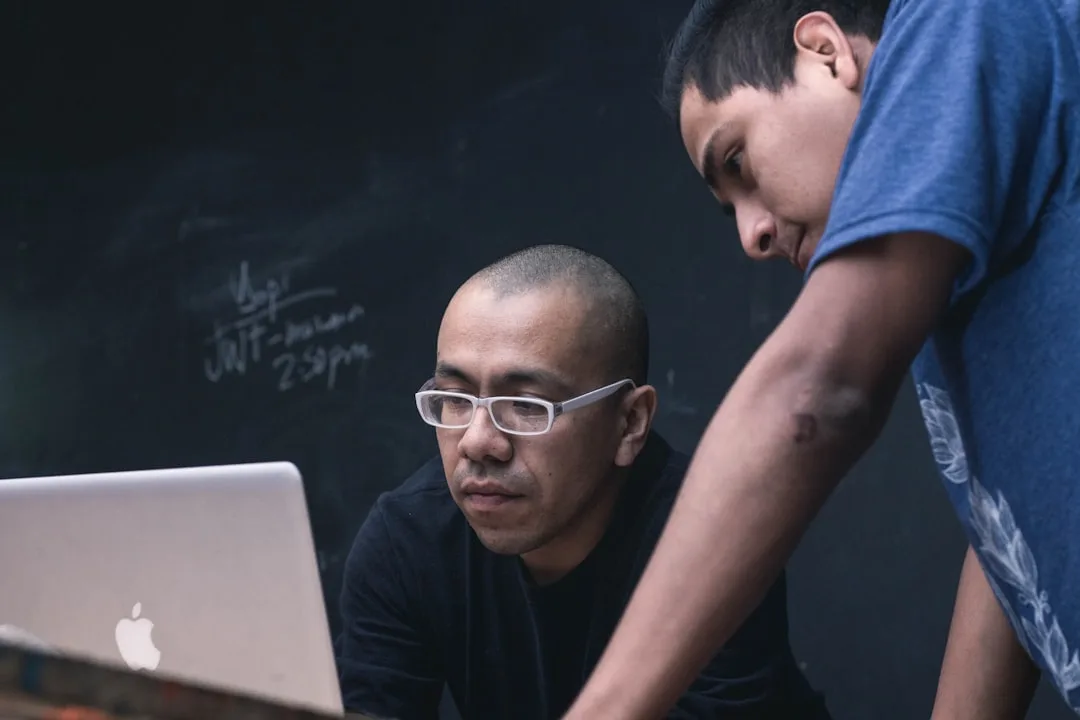
Live coding bootcamp mentorship forces you to articulate what your code does and why it’s broken. When your mentor asks ‘Walk me through this loop,’ you must explain, not just watch. That verbal practice builds the communication layer every engineer needs.
Video learners stay silent. They never practice explaining technical choices to another human.
By pairing AI Tutoring Personalization Reshapes One-Size-Fits-All Education in 2026 with live mentor oversight, bootcamps ensure that coding instruction becomes two-channel: the AI flags logic errors, the mentor helps you understand *why* you made them. Solo video learning has no feedback loop at all.
The Scaling Reality: Live Mentorship at Bootcamp Size
Bootcamp operators initially worried that live cohorts wouldn’t scale beyond 50 students per instructor. By 2026, mentor-to-student ratios of 1:12 to 1:18 have proven sustainable with structured breakout sessions. Breakout rooms, code review queues, and asynchronous office hours mean learners still get individual attention without requiring a 1:1 tutor model.
Ironically, this structure provides more accountability than small cohorts. You know your turn for code review will come; you must have something prepared.
The cost landed in the $8,000–14,000 range for 12-week full-time programs, roughly 15–20% higher than video-only bootcamps but justified by 78% placement rates versus 52% for self-paced alternatives. That gap justifies the premium for anyone serious about hiring.
AI Governance in Education Moves From Pilot to Proven Outcomes now requires that mentorship-based bootcamps document learning gains quarterly, so employers have certified proof that the program actually works. This transparency makes hiring decisions data-driven, not credential-guessing.
Live project delivery creates portfolio artifacts employers actually value
Bootcamp graduates often struggle with the portfolio problem: projects built during 12 weeks rarely reflect the complexity of production work. Mentorship-based programs solve this by embedding real-world client work into the curriculum, not as capstone projects but as ongoing responsibilities.
Programs like those offered through organizations partnered with established tech agencies give students access to actual commercial codebases. A student might spend weeks building a feature for a small business website, then present the completed work to the client at program end. That feature lives in production, generating real user data and real bug reports.
This changes everything for hiring. An employer reviewing a portfolio sees not just a GitHub repository but evidence that the candidate shipped code that customers use. The student can discuss deployment strategies, browser compatibility testing, and performance optimization because they lived through those challenges, not just read about them in tutorials.
Peer accountability structures mirror real team dynamics
Small cohorts of 8–12 students create an environment where everyone knows everyone else’s work. Code review becomes social, not bureaucratic. When the same five people review your pull requests every week for 12 weeks, you develop genuine relationships and professional reputation within that micro-community.
This mirrors how engineering teams actually function. Junior developers joining companies discover that code quality matters not because management enforces it but because they work alongside people who care. Bootcamp cohorts that replicate this social dynamic produce graduates who already understand the unwritten rules of professional development: showing up prepared, giving thoughtful feedback, and shipping work you’re proud to defend.
Several mentorship-focused programs have documented that cohort graduates request to work together after program completion, some founding small agencies or joining startups as founding engineering teams. That outcome rarely emerges from solo learning paths, no matter how comprehensive the video library.