Layered rugs home design has become the fastest way to add architectural interest to flat interiors without knocking down a wall or refinishing floors. By August 2026, design studios from Copenhagen to Los Angeles are stacking two, three, or even four rugs of varying scales and textures to create the illusion of built-in spatial complexity. This technique works because it mimics the depth that hard architecture—stone, wood, plaster—naturally provides. A single contemporary rug on hardwood looks finished. Three rugs, layered with intention, look designed.
Why Layered Rugs Replace Single Floor Coverings
Anthropologie, one of the largest lifestyle retailers, expanded its rug collection by 40% in spring 2026 specifically to support the layering trend. Their buyers report that customers are now purchasing rugs in sets of 2–3 rather than single statement pieces. The reason is practical: a base rug anchors color, a mid-layer rug adds texture, and a top rug defines the functional zone.
Open floor plans are the culprit. When living, dining, and kitchen spaces flow into one another without walls or defined edges, the eye needs visual stopping points. Layered rugs accomplish this instantly. A 9×12 neutral jute under a 6×9 patterned wool under a 4×6 vintage Persian creates three distinct architectural moments in a single room.
Cost matters too. A quality single rug runs $1,200–$3,500. Three smaller rugs cost the same range but deliver three times the visual impact. One consequence: homeowners stop investing in expensive accent furniture because the rug layers themselves become the room’s primary focal point.
Quick Tips
- Start with a neutral base (jute, sisal, or wool) in the largest size. Secure it with a non-slip pad underneath.
- Add a mid-layer rug in a secondary color or subtle pattern, slightly smaller and rotated 45 degrees for visual interest.
- Layer a smaller accent rug on top in a bolder pattern or texture to define the seating zone or bedroom foot-space.
- Ensure all rugs sit on the same non-slip underlayment system to prevent shifting and tripping hazards.
- Mix natural fibers (jute, wool, linen) with one synthetic layer if durability in high-traffic areas is essential.
Texture Combinations That Reshape Room Feel
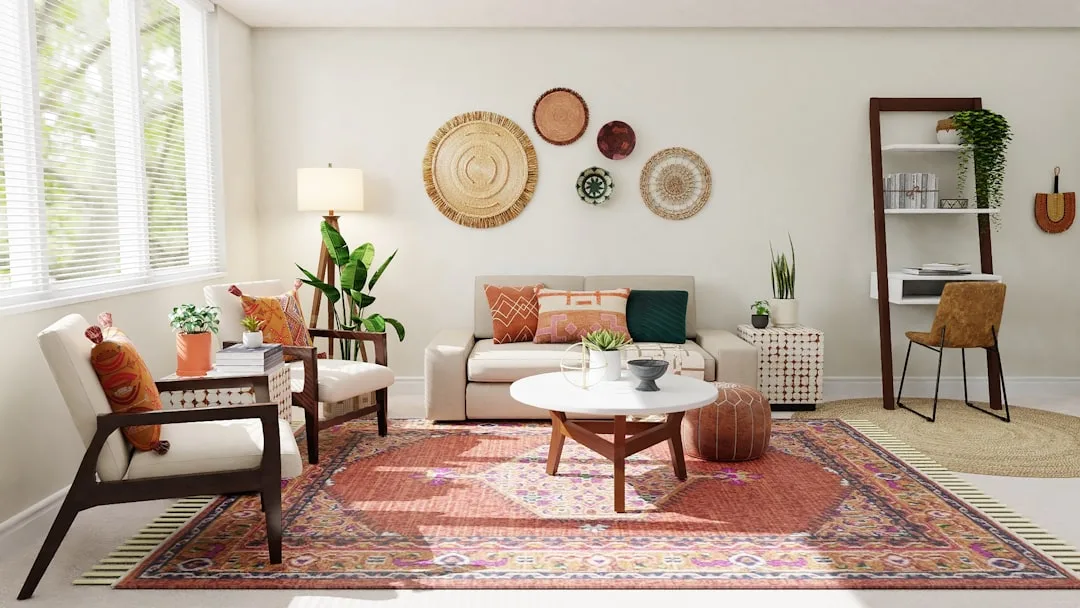
Design studios like Homepolish and Havens Interior Design report that texture contrast—not color—drives the visual success of layered rugs. A 300-knot wool rug layered under a chunky 100-knot jute under a flatweave cotton creates three tactile experiences underfoot. Each fiber catches light differently.
Material mixing follows a rule: combine dense with loose, matte with subtle sheen, natural with semi-synthetic. Wool accepts dye deeply and holds color for 15+ years. Jute is raw and porous, perfect for breathing under heavier fibers. Viscose adds a gentle sheen without looking cheap.
| Fiber Type | Durability Range | Best Layer Position |
|---|---|---|
| Wool | 12–20 years | Middle or top layer |
| Jute | 5–8 years | Base or middle layer |
| Flatweave cotton | 8–12 years | Top accent layer |
| Viscose blend | 6–10 years | Middle layer for sheen |
The Common Mistake: Layering Without Scale Hierarchy
The #1 failure point is abandoning visual hierarchy. A homeowner purchases a 8×10 base rug, then adds an 8×10 second layer rotated 45 degrees, then a third 8×10 rug on top. All three are the same scale.
The result looks cluttered, not curated. Your eye has nowhere to land. Correct layering requires each rug to be noticeably smaller: 9×12 base, 6×9 middle, 4×6 top. This creates a pyramid that guides the eye toward the center.
When rugs are the same size, they fight for visual attention instead of supporting each other. Consequence: the room feels busy rather than intentional.
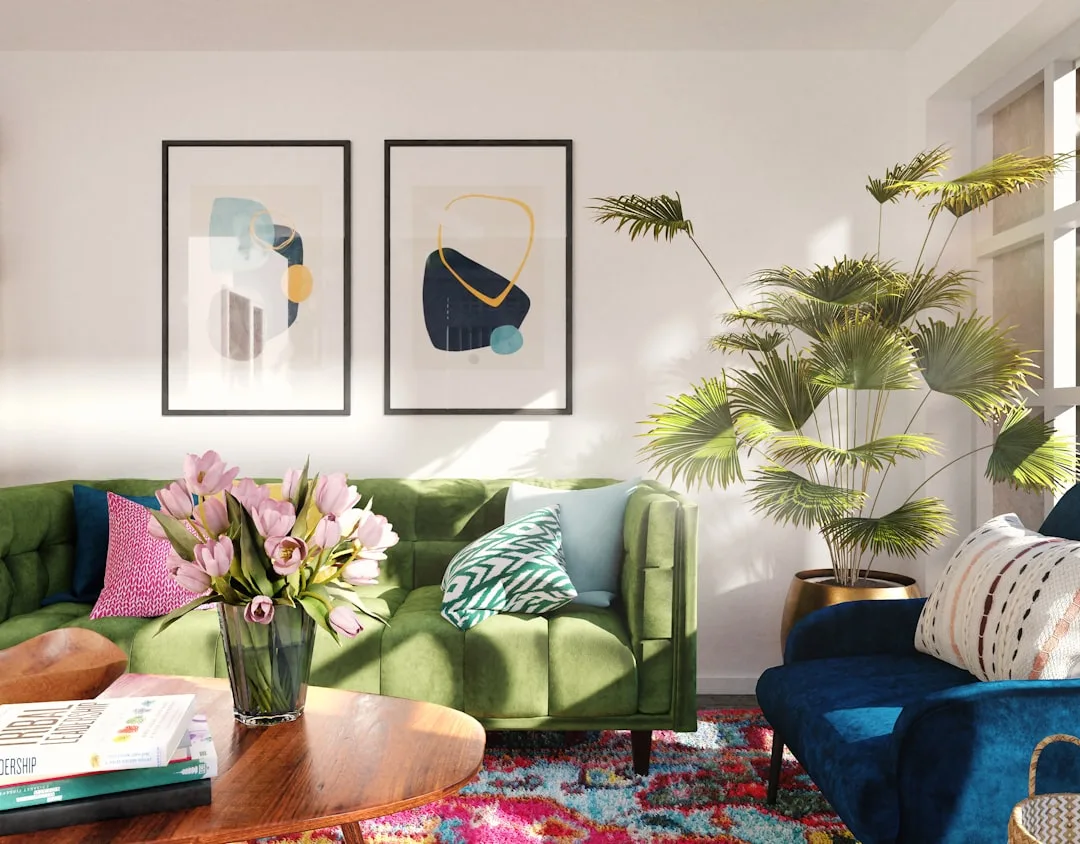
How Interior Designers Use Layered Rugs to Define Zones
The Kinfolk collective in Brooklyn documented 47 modern homes between January and July 2026 where layered rugs became the only architectural separator between open-plan zones. In one 1,400-square-foot loft, three rugs defined the living area, three more defined the adjacent dining zone, and a separate layered set anchored a bedroom nook visible from the living space.
Rugs function as non-permanent walls. They’re reversible, mobile, and cost a fraction of built-in shelving. How to Build a Beautiful Home with Stylish Interiors by Designing With a Purpose emphasizes that intentional material choices—including flooring layers—are the fastest path to spaces that feel premium without premium pricing.
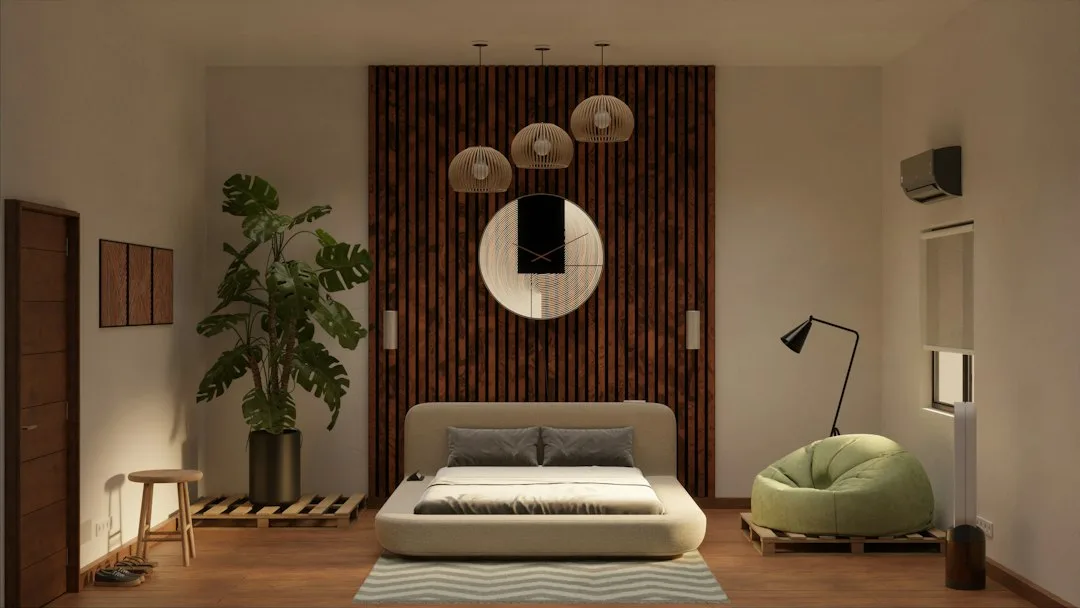
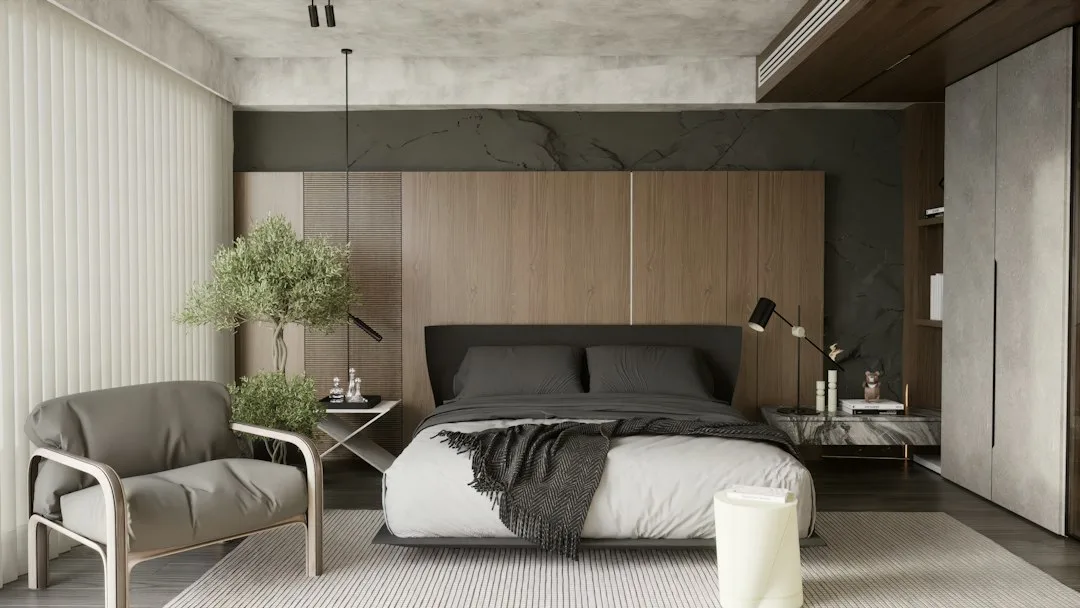
In bedrooms, layered rugs create intimacy. A jute base under a vintage Persian under a modern geometric top transforms a bedroom from sparse to grounded. The layering also softens hard flooring sounds, improving acoustics in open-plan homes.
Color Layering Within the Rug Stack
Farrow & Ball’s 2026 interior report identifies neutral saturation as the dominant strategy: warm whites, greiges, ochres, and soft browns layered with one subtle accent. Avoid the trap of three bright colors stacked together—the eye sees novelty instead of depth.
A beige wool base supports a warm taupe viscose middle layer, topped with a cream flatweave accent rug featuring a single geometric motif in soft terracotta. This creates tonal progression: light, medium, lighter. Your eye moves through it naturally.
Alternative approach: go monochromatic—three rugs in the same color family but different textures and knot densities. Texture becomes the focus rather than color competition. Discovering Japandi Bedroom Design for Zen Interiors uses this technique extensively—natural fiber layering without color variation creates calm, curated spaces.
Materials and Long-Term Maintenance Considerations
Layered rugs demand practical planning. Three rugs stacked require a commercial-grade non-slip underlayment between each layer—not just under the base. Premium products like Rug Gripper or Safavieh UltraPad cost $40–$80 per 5×8 section. Budget for three underlayment layers if you’re using three rugs.
Vacuuming layered rugs requires care. Remove the top rug, vacuum the middle, replace it, vacuum the top. Most homeowners accomplish this monthly. One consequence: layered rugs demand more active maintenance than single rugs, which is a real trade-off against their design advantages.
Natural fiber rugs (jute, sisal, wool) age gracefully. A five-year-old jute base develops a patina that looks intentional. Synthetic rugs fade more noticeably. Choose natural fibers in base and middle positions; save synthetics for spill-prone top layers if needed. Lifespan expectation: replace the top rug every 4–5 years, middle rug every 7–8 years, base rug every 12+ years with proper care.
Practical Resources for Layered Rug Projects
These three tools help you move from planning to execution: choosing the right sizes for each layer, selecting the correct pad for your floor type, and keeping natural-fiber rugs in good condition over time.
How do I clean and care for wool, jute, and other natural-fiber rugs without damaging them?
What size rug do I need for each layer in my living room or bedroom?
Which type of rug pad should I use between layers, and how do I size it correctly?