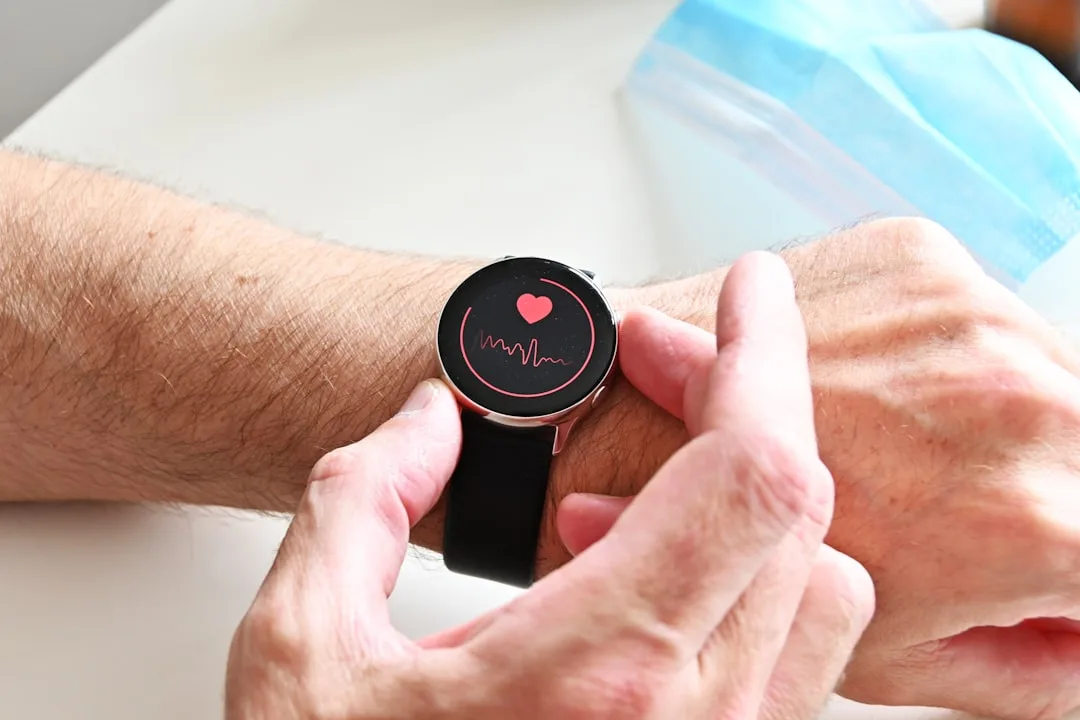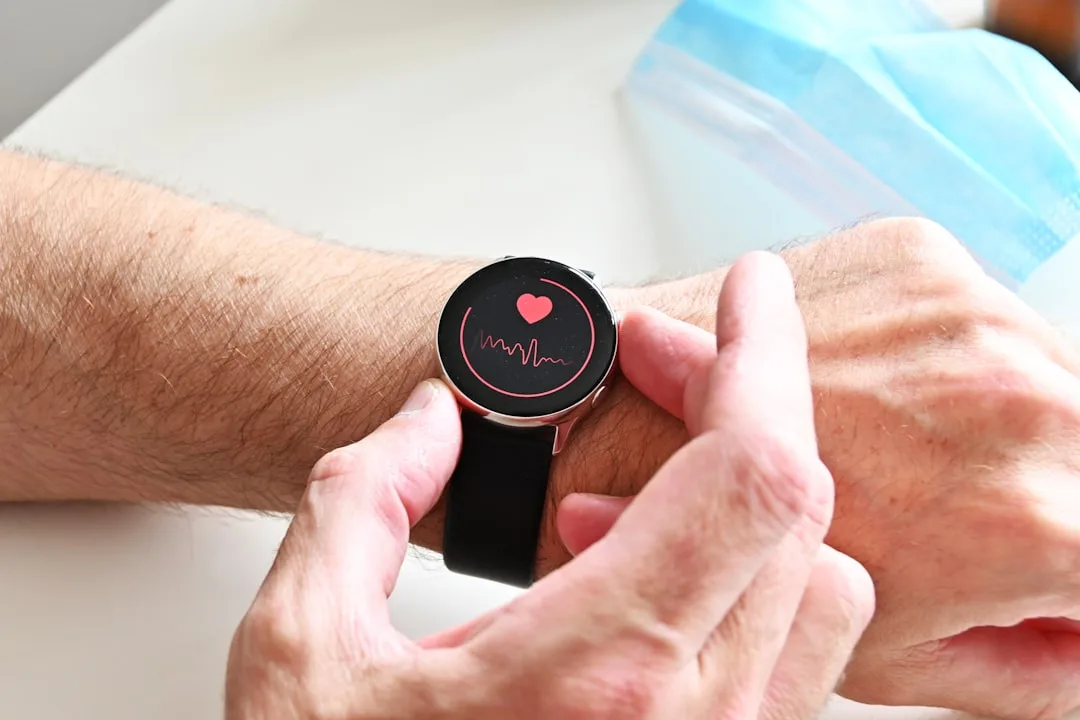
Garmin’s latest sports watch ecosystem has reignited focus on one of fitness’s most misunderstood tools: heart rate zones. In August 2026, coaches and physiologists are seeing a resurgence of zone-based training after years of chaotic high-intensity obsession. Heart rate training zones divide your cardiovascular effort into five distinct ranges, each triggering different metabolic adaptations and recovery profiles.
The core premise is simple but counterintuitive: most runners and cyclists train too hard on their easy days and too easy on their hard days. Heart rate training zones flip that. By targeting specific zones for specific sessions, you build aerobic capacity faster while reducing injury risk and burnout.
How the Five Zones Map to Your Physiology
Zone 1 (50–60% max heart rate) is recovery pace—barely above resting. Zone 2 (60–70%) is where true aerobic base building happens, as shown in Japanese walking interval methods gaining rapid adoption. Zone 3 (70–80%) is tempo work, the uncomfortable middle. Zone 4 (80–90%) is lactate threshold—hard efforts that build power. Zone 5 (90–100%) is all-out sprinting, used sparingly.
Polar Sport Elites and Wahoo fitness trackers now auto-calculate these zones based on your max heart rate, age, and resting rate. Most athletes discover their zone 2 sits between 110–140 bpm, depending on fitness level and genetics. Spending 80% of training time in zones 1 and 2 builds your aerobic engine without triggering chronic fatigue.
Quick Tips
- Calculate max heart rate: 220 minus your age, or do a 5-minute all-out effort and note peak bpm
- Invest in a chest strap or arm band monitor for accuracy; wrist-only devices drift in zone 2
- Start every training week with two zone 2 sessions and one zone 4 session, no more
- Rest days mean zone 1 only, walking at conversational pace if you move at all
Why Zone 2 Training Replaces Endless Running Distances
For decades, endurance athletes built base fitness by running long and slow. That model is being replaced by a smarter version: zone 2 for duration, zones 4–5 for adaptation. A 60-minute zone 2 run at 125 bpm triggers the same mitochondrial density growth as a 90-minute easy jog, with half the joint stress and recovery cost.
Strava’s 2026 training data showed that athletes using zone-based protocols improved aerobic threshold 18% faster than those doing steady-state running. The mechanism is precise: zone 2 work maximizes fat oxidation and capillary density without spiking cortisol or inflammation.
| Heart Rate Zone | Primary Benefit | Weekly Frequency |
|---|---|---|
| Zone 1 (Recovery) | Active recovery, parasympathetic engagement | 2–3 days |
| Zone 2 (Aerobic) | Mitochondrial growth, fat metabolism | 2–3 days |
| Zone 3 (Tempo) | Lactate clearance, mental toughness | 1 day |
| Zone 4–5 (Threshold/Sprint) | VO₂ max, race-specific power | 1 day |
The Biggest Training Mistake: Zone 3 Purgatory
Most amateur athletes live in zone 3—too hard to recover from, too easy to drive real adaptation. A runner doing 10 miles at 155 bpm feels productive but accumulates fatigue without the payoff of true threshold work. Over 12 weeks, this person plateaus while a zone-structured athlete pulls ahead.
Heart Rate Zone Training vs Real-Time Wearable Feedback
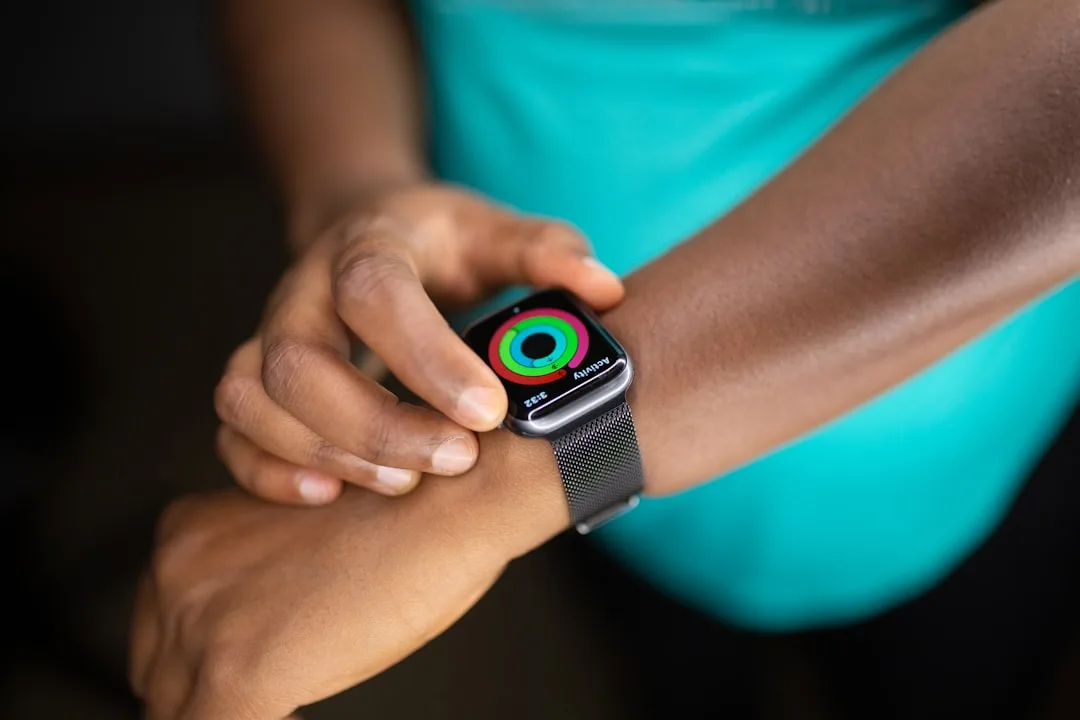
Traditional zone training relies on static formulas—220 minus your age, lactate threshold tests, or estimated percentages. But your physiology shifts week to week. Fatigue, sleep debt, and stress all compress your zones downward. Wearable technology fitness now shifts from tracking to real-time programming, allowing runners and cyclists to adjust intensity on the fly based on live heart rate variability, pace, and power output rather than chasing yesterday’s zone thresholds.
The practical advantage is immediate. A runner checking their smartwatch sees not just beats per minute, but recovery status. On a day when heart rate variability is low, pushing into zone 4 becomes counterproductive—the body signals it needs zone 1 or 2 instead. This responsiveness eliminates the guesswork that derails amateur training plans.
Building Consistency Through Low-Intensity Foundation
Zone 1 and 2 training seems passive, but mitochondrial adaptation happens in silence. Building capillary density, teaching muscles to burn fat efficiently, and strengthening connective tissue all occur at conversational pace. Eighty percent of your weekly volume should live here—steady, sustainable, boring.
Emerging training philosophies like Japanese walking transforms fitness with interval training gaining 2986 percent interest show how low-intensity movement patterns integrated into daily life—not just formal workouts—compound into aerobic capacity. A 20-minute recovery run plus daily purposeful walking adds up to 10 hours of zone 1–2 stimulus monthly, building the aerobic engine that makes every hard session more effective.
When zone 2 is truly dialed in, your threshold rises without touching zone 4. The body becomes more efficient at every intensity, turning zone 3 from a trap into a legitimate maintenance space for occasional long runs.
The role of heart rate monitoring technology in zone 2 training
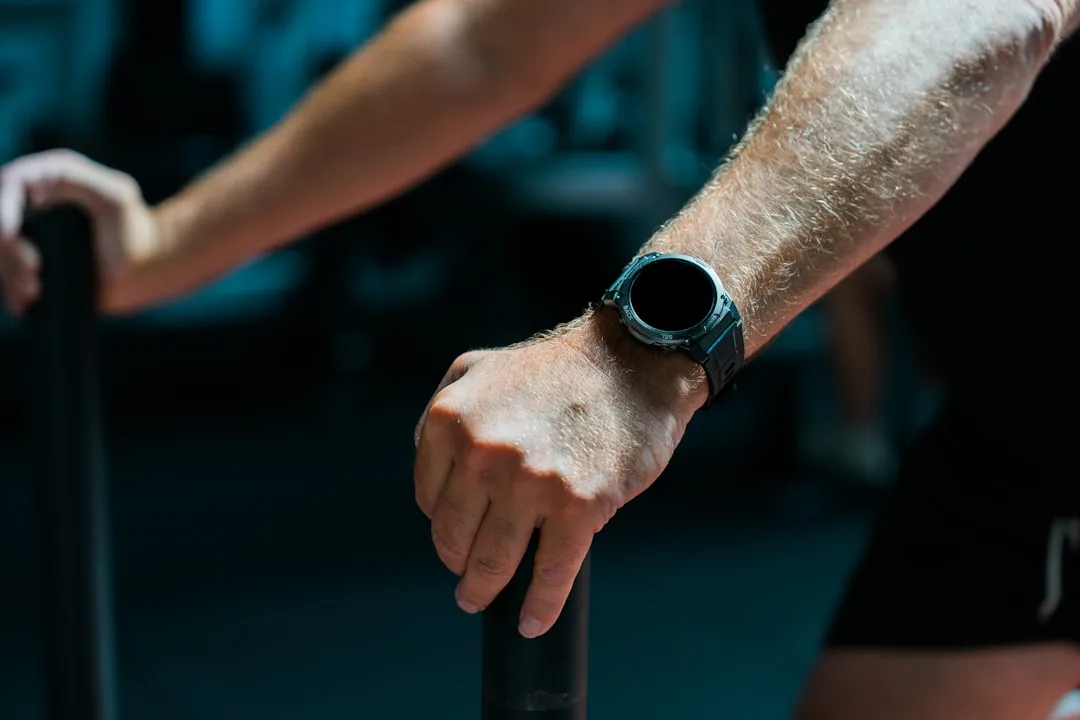
Modern sports watches from Garmin, Apple, and Polar have made zone 2 training accessible to anyone with a wrist device and a smartphone. These devices calculate training zones based on your maximum heart rate or lactate threshold, then provide real-time feedback during runs, rides, or swims—eliminating guesswork about whether you’re truly staying aerobic.
The Garmin Forerunner 965 and Polar Grit X2 both offer advanced metrics like Training Load, Recovery Time, and aerobic/anaerobic breakdown that show exactly how much zone 2 stimulus you accumulated that week. Many runners check these metrics obsessively, hoping to see the weekly zone 2 volume creep toward 80 percent of total training time—a target popularized by endurance coaches like Stephen Seiler and Matt Fitzgerald.
However, relying entirely on device zones creates a false sense of precision. Heart rate drifts with fatigue, hydration, sleep, and stress, meaning a zone 2 run on Monday might feel different from the same pace on Friday. The device says you’re in zone 2; your body might disagree. The best athletes use their watch as a guide, not a diktat, adjusting effort based on how breathing feels and whether they could sustain a conversation.
Building zone 2 fitness without abandoning speed work
The fear that zone 2 training requires abandoning fast running entirely is overblown. Elite distance runners like Eliud Kipchoge and distance coaches like Renato Canova have long employed a polarized model: 80 percent easy, 20 percent hard, with almost nothing in between. Zone 2 makes up the bulk of that easy foundation.
A practical weekly structure might include one long zone 2 run (90 to 120 minutes), three to four shorter zone 2 runs (30 to 50 minutes), one tempo session around zone 3–4 (15 to 20 minutes at threshold pace), and one high-intensity interval workout with repeats in zone 5. This leaves roughly 75 to 80 percent of weekly volume in zone 1–2, with speed work compressed into two focused sessions rather than scattered throughout the week.
The counterintuitive benefit: by concentrating hard sessions and protecting zone 2, you recover faster between intervals and maintain better form during speed work. Runners who try to “thread the needle” with moderate intensity all week often feel sluggish during tempo runs and can’t generate the neuromuscular sharpness needed for 5K or 10K racing. Zone 2 patience in the base phase creates the aerobic platform that makes those hard sessions productive rather than just grinding.
Common mistakes that derail zone 2 training
The most frequent error is holding zone 2 effort for four to six weeks, then abandoning it because fitness doesn’t immediately skyrocket. Zone 2 benefits compound over months and years, not weeks. A runner might feel frustrated after eight weeks of slow running because their 5K time hasn’t dropped, unaware that their aerobic engine is now powerful enough to sustain 20 minutes at threshold pace instead of 15.
Another trap is confusing zone 2 with “easy run pace.” Many runners believe easy means whatever pace feels comfortable, which often hovers in zone 3 simply because their default comfortable pace is too fast. True zone 2 requires discipline—holding back even when the body wants to surge, trusting that the aerobic adaptations will pay dividends later. Some athletes find this harder than grinding out a hard workout.
Finally, zone 2 fails when combined with inconsistency. Running 12 zone 2 miles one week, then 30 miles the next, then 15 miles the following week, prevents the steady adaptive stimulus the aerobic system needs. The body never accumulates enough zone 2 stimulus to drive mitochondrial density or capillary growth. Consistency—the same boring 40 to 50 miles per week, year after year, mostly in zone 2—is what separates runners who dramatically improve from those who plateau.
Tools to Put Heart Rate Zone Training Into Practice
Once you understand the five zones, the next step is calculating your personal numbers, learning to gauge intensity in real time, and setting up your device to guide each session. These resources cover each of those steps.
Where can I calculate my actual heart rate zones right now?
How do I know whether I’m actually in the right zone during a run without just watching the numbers?
How do I set up heart rate zones on my Garmin watch and actually use them in training?