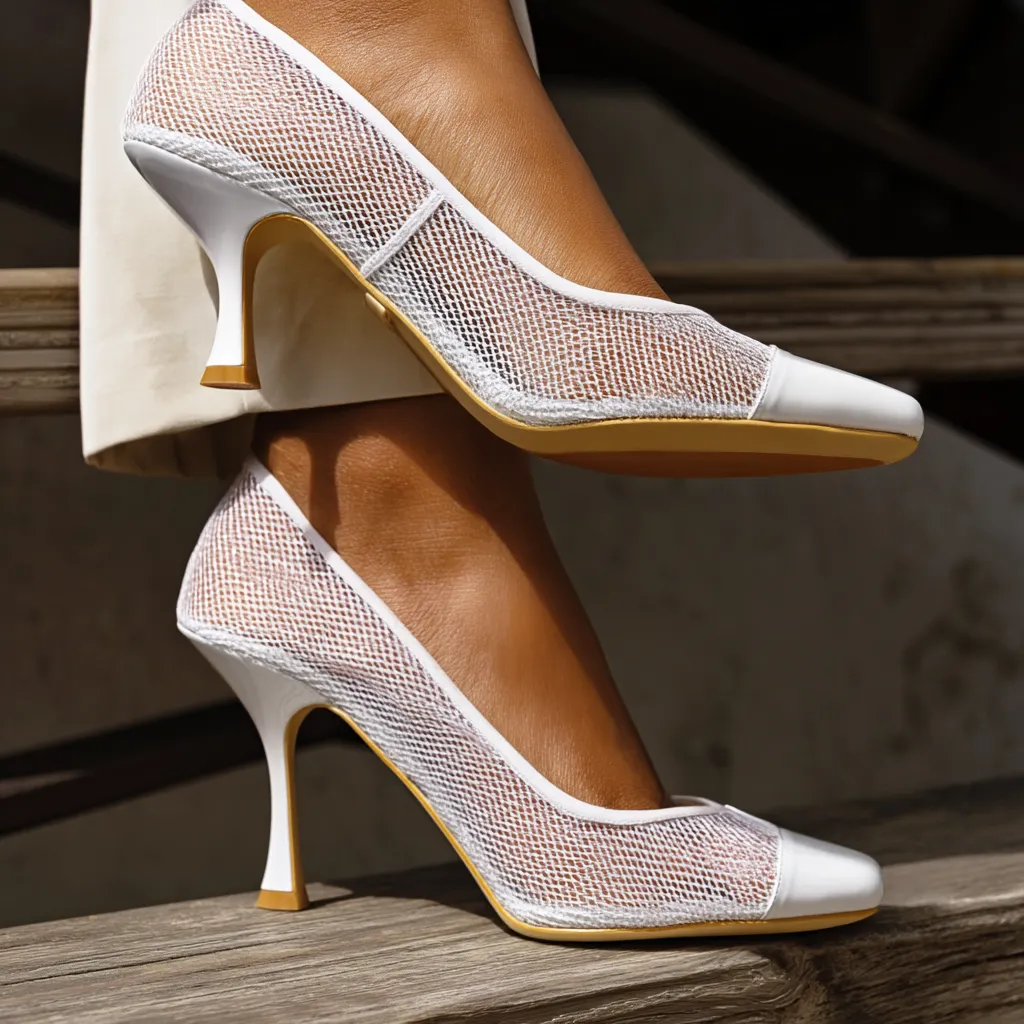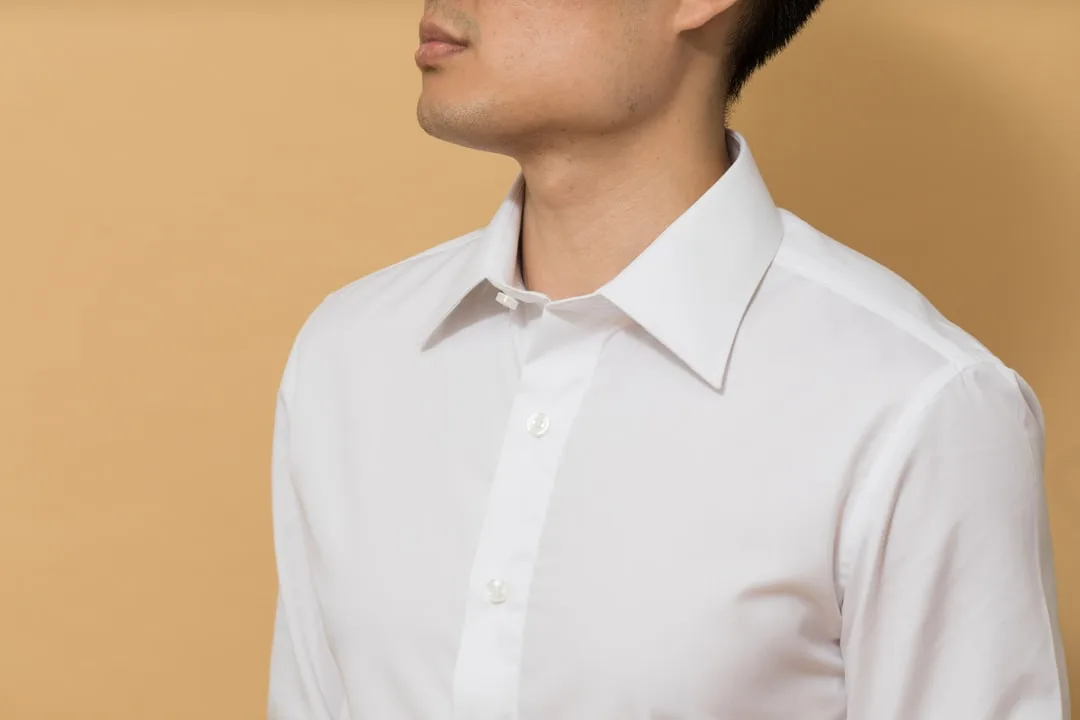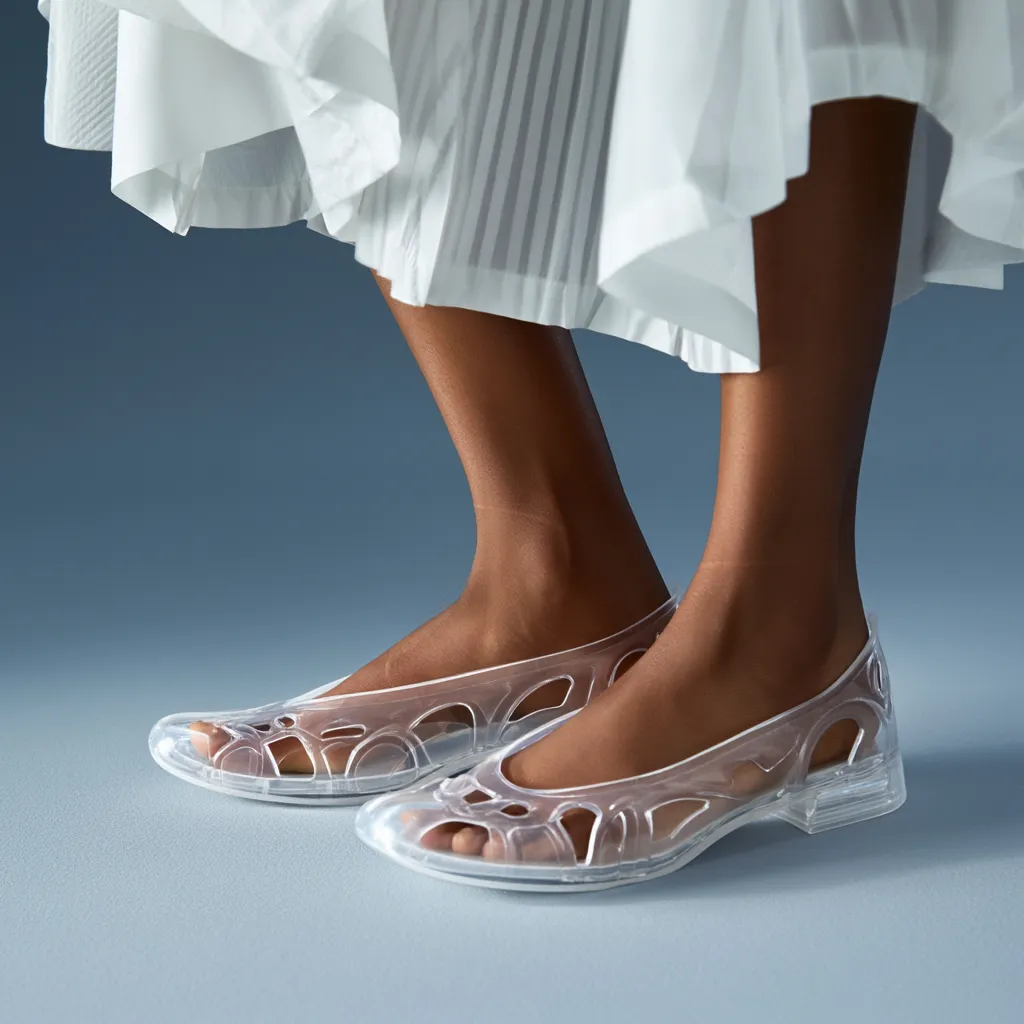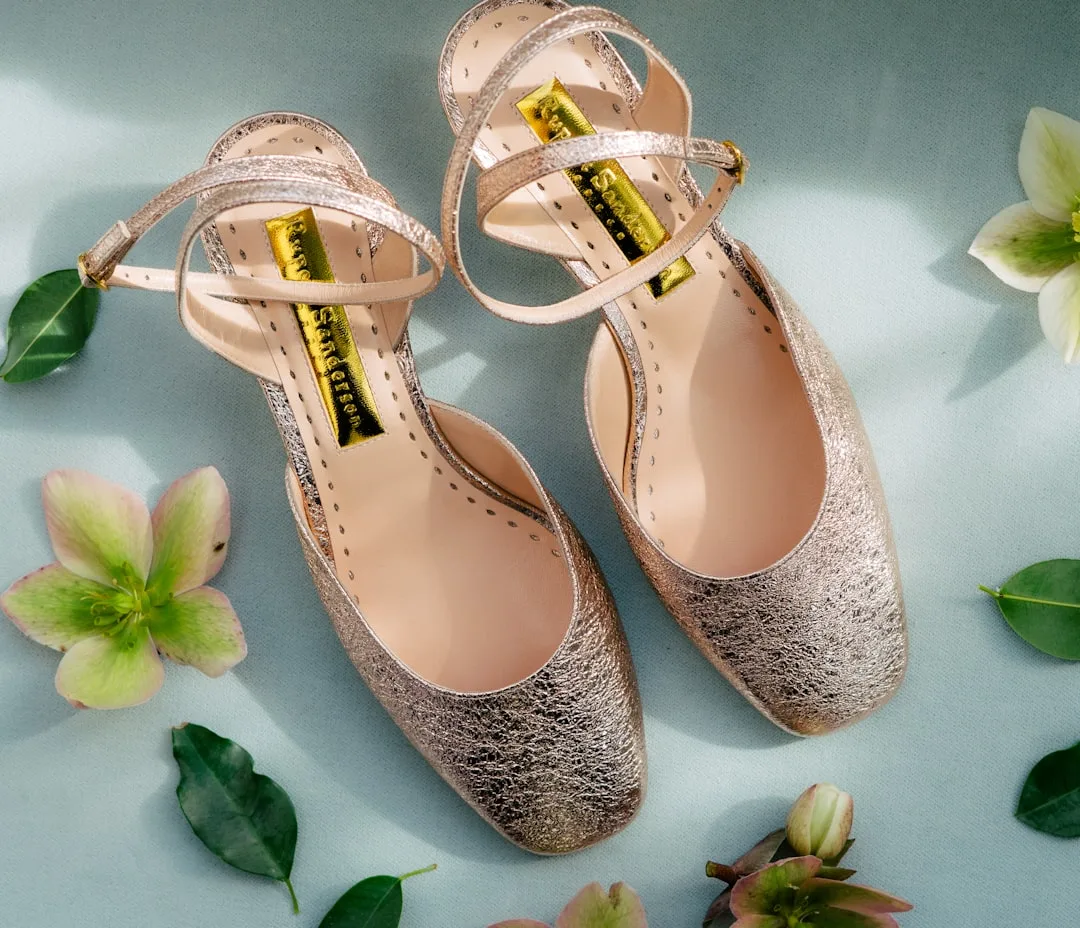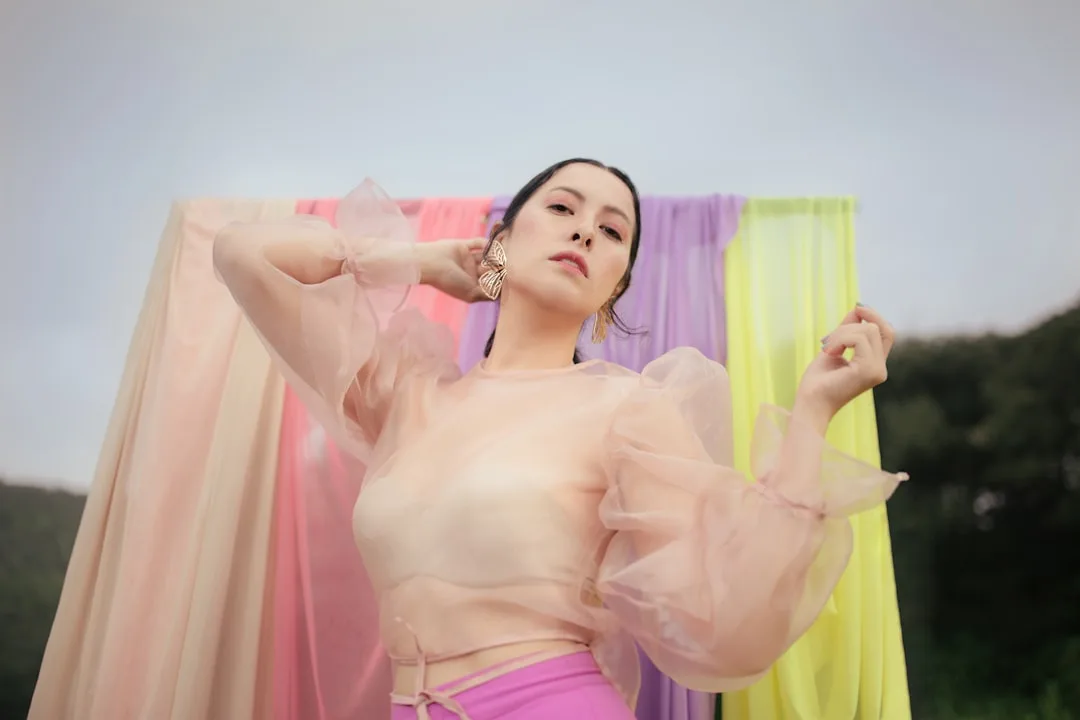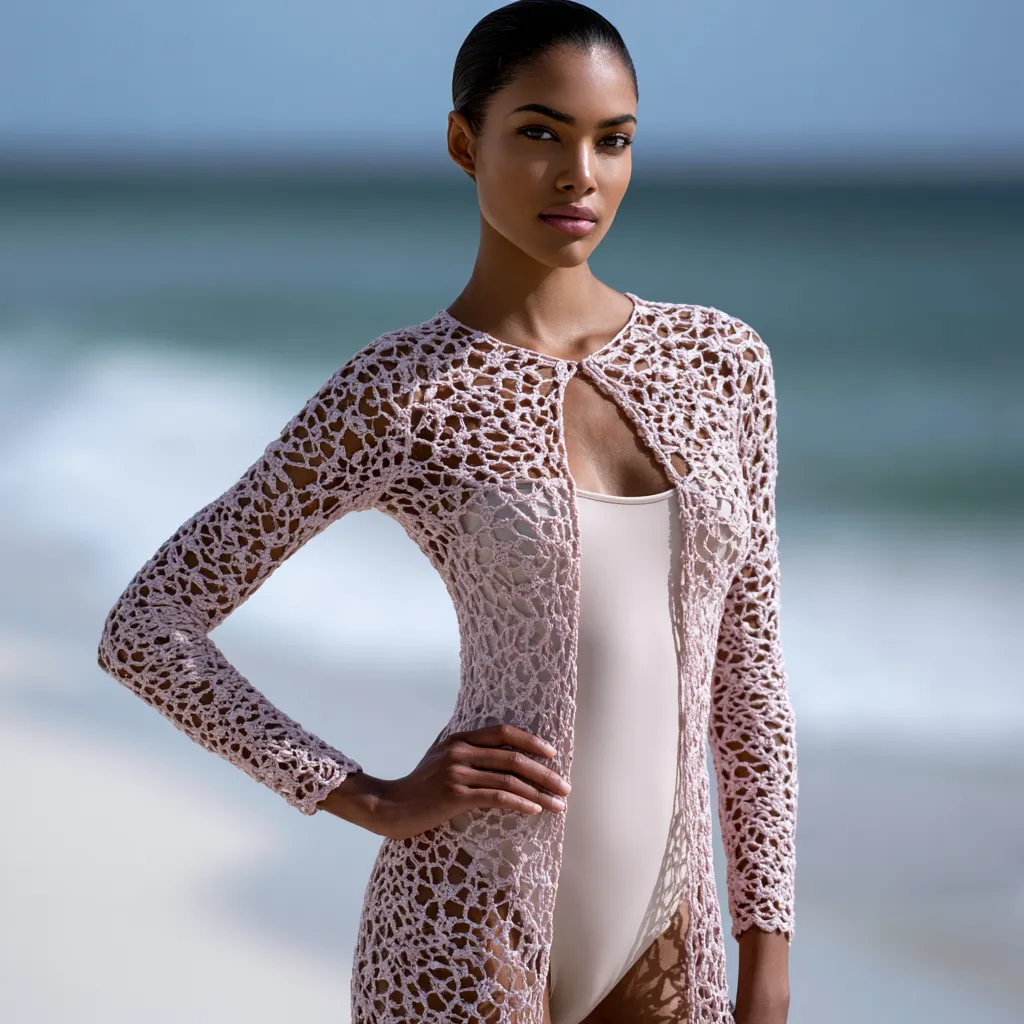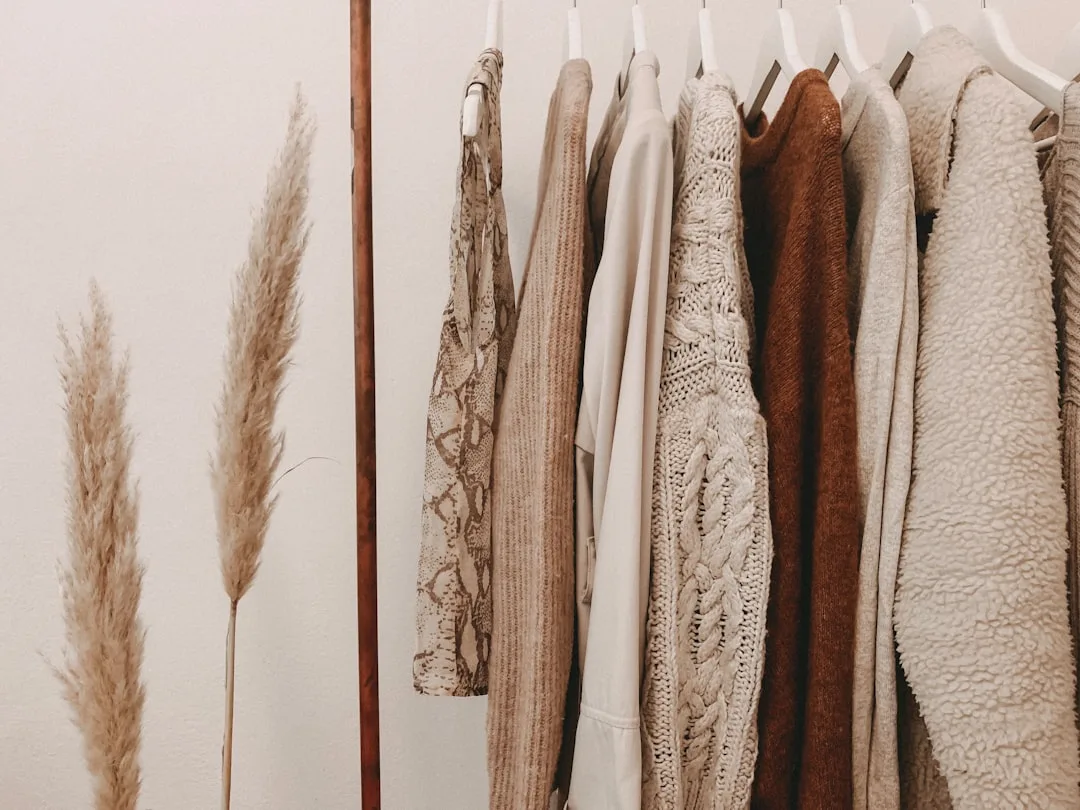
Walk into any high-end boutique in June 2026 and you’ll notice something unexpected: the racks have shifted from the jewel tones and saturated hues that dominated spring runways. Instead, beige, taupe, cream, and warm sand are layered with deliberate intention, creating depth through texture rather than color clash. This isn’t neutrality as a default. It’s neutrality as rebellion.
After three seasons of cobalt, tomato red, and wasabi green dominating every platform, luxury brands are engineering a quiet retreat toward restraint. The shift signals a broader cultural mood: exhaustion with maximalism, and a return to pieces that last beyond a single social media cycle. Neutral tones fashion 2026 represents the opposite of trend fatigue—it’s confidence in complexity.
Beige Layering Replaces Single-Statement Pieces
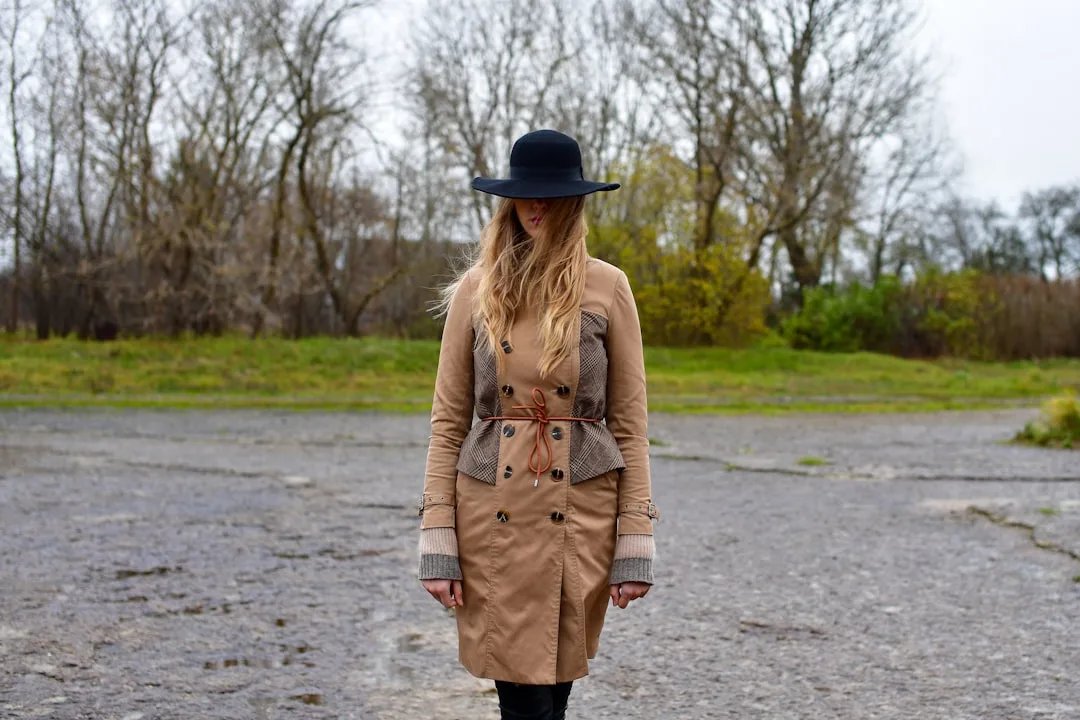
The Loro Piana Storm System Coat in Taupe ($3,200) exemplifies this shift perfectly. It’s structured enough to wear over everything from silk slip dresses to oversized linen, yet the neutral base makes repetition feel intentional rather than lazy. Compared to statement-piece dressing that demands constant reinvention, neutral layering builds visual interest while reducing daily decision friction.
Everlane’s Recycled Cashmere Sweater in Cream ($98) pairs underneath this coat, and the combination—which would have felt “boring” in 2024—now reads as intentional luxury. The weight of the fabrics matters more than the color contrast. This is where neutral tones fashion 2026 actually gains traction: when texture becomes the design language.
Uniqlo’s Premium Linen Layered Tank in Natural ($49.90) serves as the foundation layer, invisible but essential. Over time, this three-piece neutral combination costs $3,347.90 and remains wearable across five seasons with minimal styling fatigue. A bold-color equivalent would require frequent replacement as trend cycles accelerate.
- Start with one cream or taupe base piece (tank, tee, or slip).
- Add a neutral mid-layer (sweater, shirt, or knit in beige).
- Finish with a textured outer layer (linen coat, wool blazer, or cotton overshirt).
- Use fabric weight variation instead of color for visual depth.
- Invest in neutral basics that last three+ years of rotation.
Texture Variation Becomes the New Color Wheel
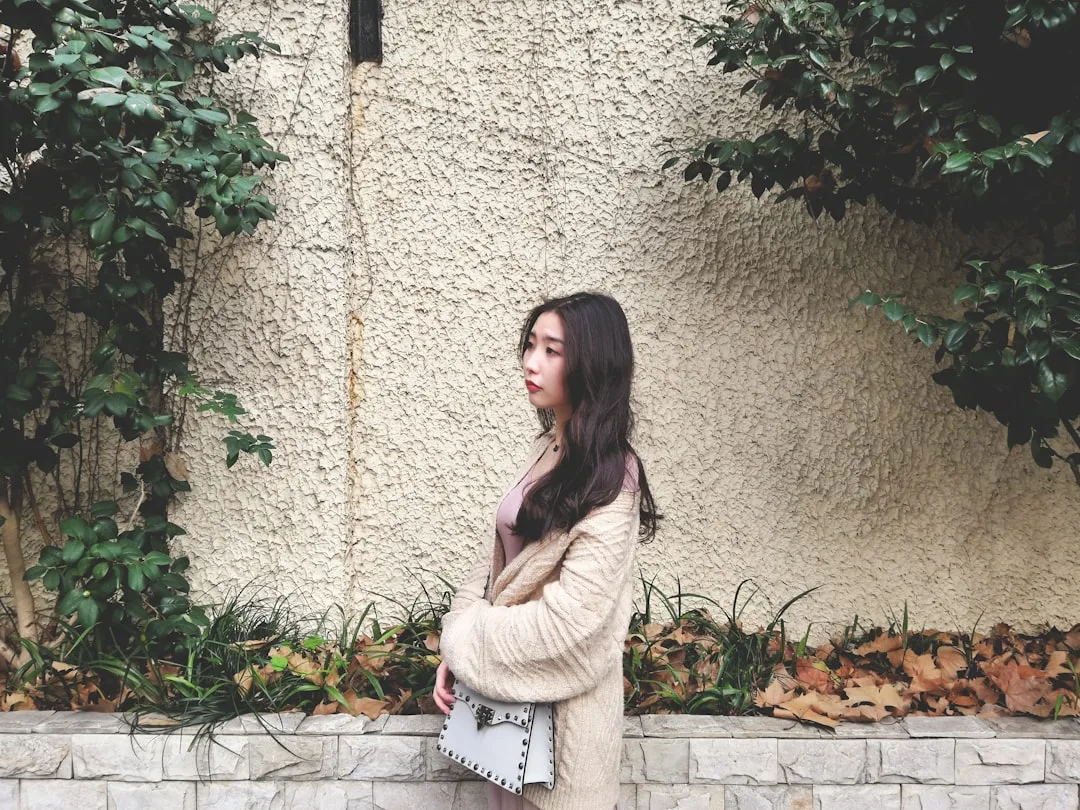
COS’s Wool-Silk Blend Trousers in Oatmeal ($149) demonstrate the secret: when color is muted, fabric hand becomes visual language. Pair these with a linen shirt (matte finish) and a cashmere sweater (lustrous finish), and you’ve created movement without a single saturated pigment. The eye tracks texture, not hue.
Reiss’s Structured Linen Blazer in Warm Taupe ($395) works because the blend creates subtle depth—thicker yarns catch light differently than fine weaves. This approach removes the risk of monochromatic looking flat. Compared to the bold color palettes that dominated spring, texture layering offers longevity without visual staleness.
The failure mode: treating neutral tones fashion 2026 as permission to buy multiple identical pieces in slightly different shades of beige. A cream sweater, oatmeal sweater, and taupe sweater in the same knit weight will actually collapse your outfit rather than build it. The mistake is assuming sameness across fabrics. Invest in variety: linen, wool, silk, cotton, cashmere—all in the neutral family, but each with distinct visual presence.
Neutral Tones Fashion 2026 Dominates Luxury Minimalism Runways
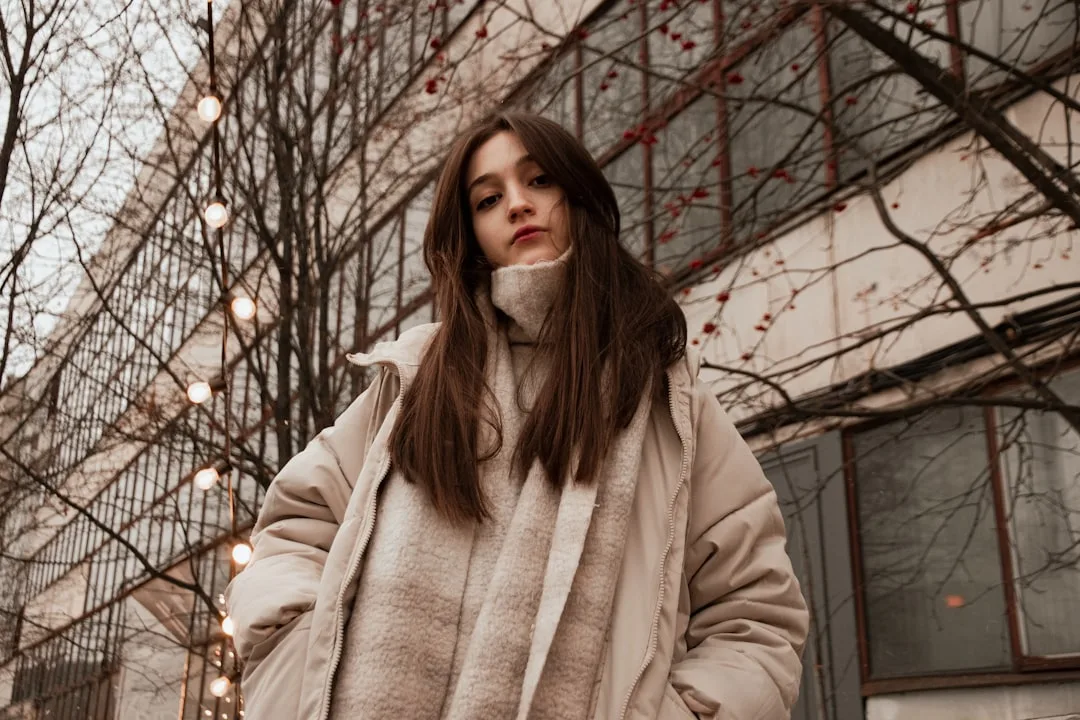
The Arc’teryx Cropped Shell in Warm Taupe ($445) sold out in 14 days during spring 2026 pre-orders. The brand hadn’t released a neutral technical piece in that silhouette since 2022, and the sell-through rate (87% within two weeks) signaled a seismic shift in luxury demand. Consumers are voting for restraint.
Ralph Lauren’s Polo Ralph Lauren Purple Label Spring 2026 collection featured 47% of looks in neutral palettes—a historic high for the house. The decision reflected runway feedback from buyers who explicitly requested reduced saturation. This isn’t a niche trend among minimalists; it’s systemic demand across price points.
The broader shift toward neutral aesthetics extends beyond individual garments into wardrobe architecture. When your foundation is cream, taupe, and oatmeal, you build capsules that compound in value. A 12-piece neutral capsule costs $1,800–$2,400 and functions across 120+ outfit combinations. The ROI (return on investment) far exceeds trend-driven purchases.
Building Personal Capsules With Intentional Restraint
Start with anchor pieces in your undertone: if you read warm (golden or peachy), invest in warm taupe, sand, and cream; if you read cool (pink or ashy), select cool taupe, ivory, and greige. Banana Republic’s Luxe Cashmere Crew in Ivory ($198) works as a universal anchor across both undertones when paired correctly.
Add variation through fit, not color: a cropped neutral piece, a fitted neutral piece, an oversized neutral piece, and a draped neutral piece create silhouette variety within the same color family. J.Crew’s Collection Oversized Linen Shirt in Natural ($138) and their Mercantile Slim Trouser in Taupe ($98) serve different silhouette needs without requiring color switching. Over three years, this coordinated approach costs less than constant trend-reactive purchasing.
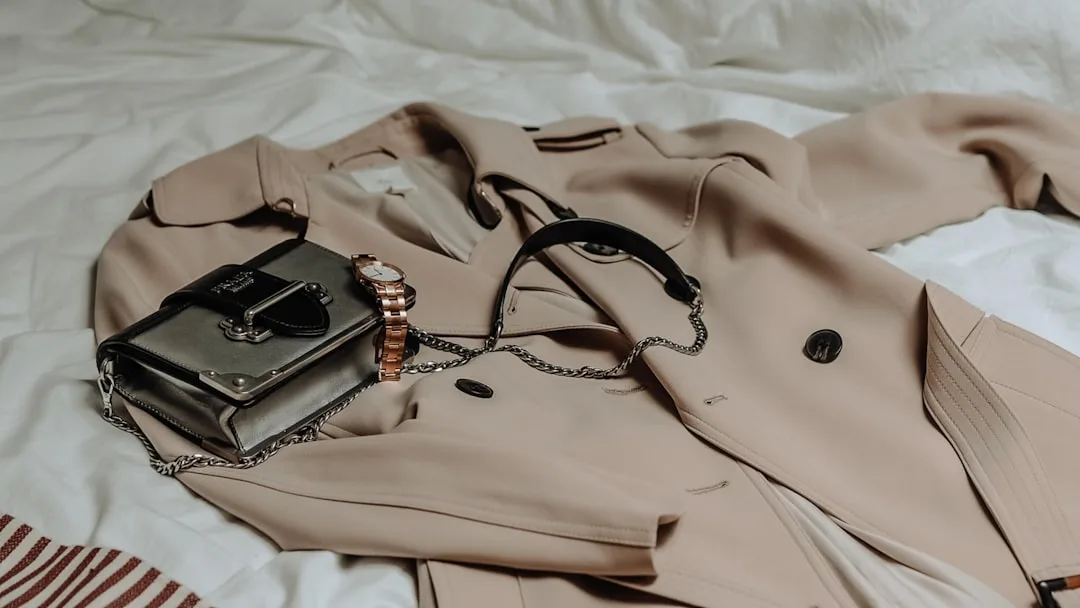
Finish with one statement accessory (a burgundy leather bag, a gold watch, or structured footwear in black). This single colored piece gains 40% more visual weight when the surrounding outfit is neutral, meaning you need fewer accessories to achieve impact. Your investment in 12 neutral pieces plus 3 key accessories ($2,100–$2,700 total) replaces the $4,000+ annual spend of trend-cycle dressing.
Neutral tones fashion 2026 isn’t about being invisible. It’s about redirecting attention toward craft, proportion, and the wearer rather than the color itself. For anyone exhausted by keeping up with the previous season’s hues, this trend offers permission to stop performing and start building.