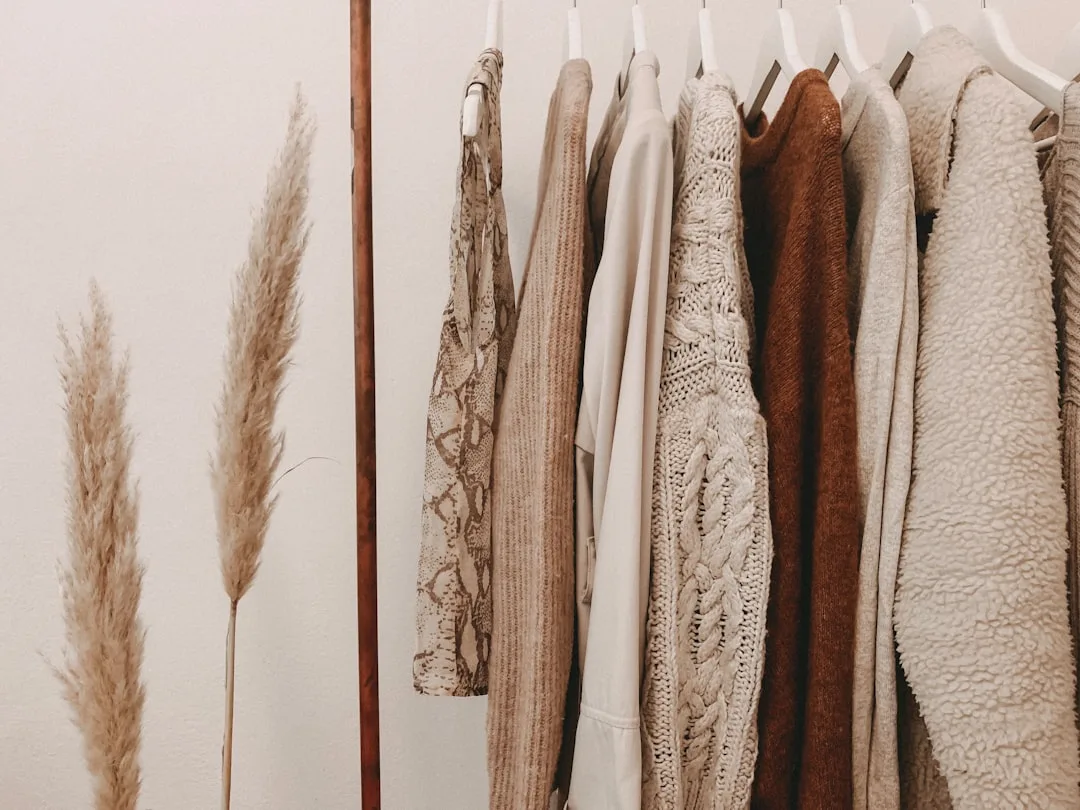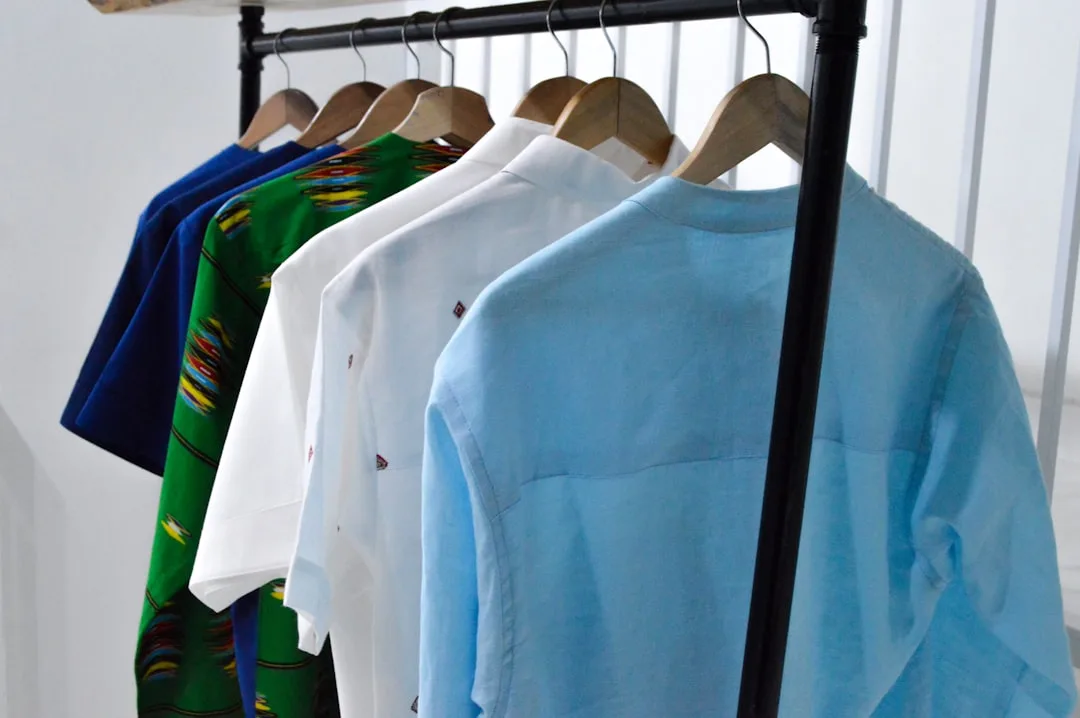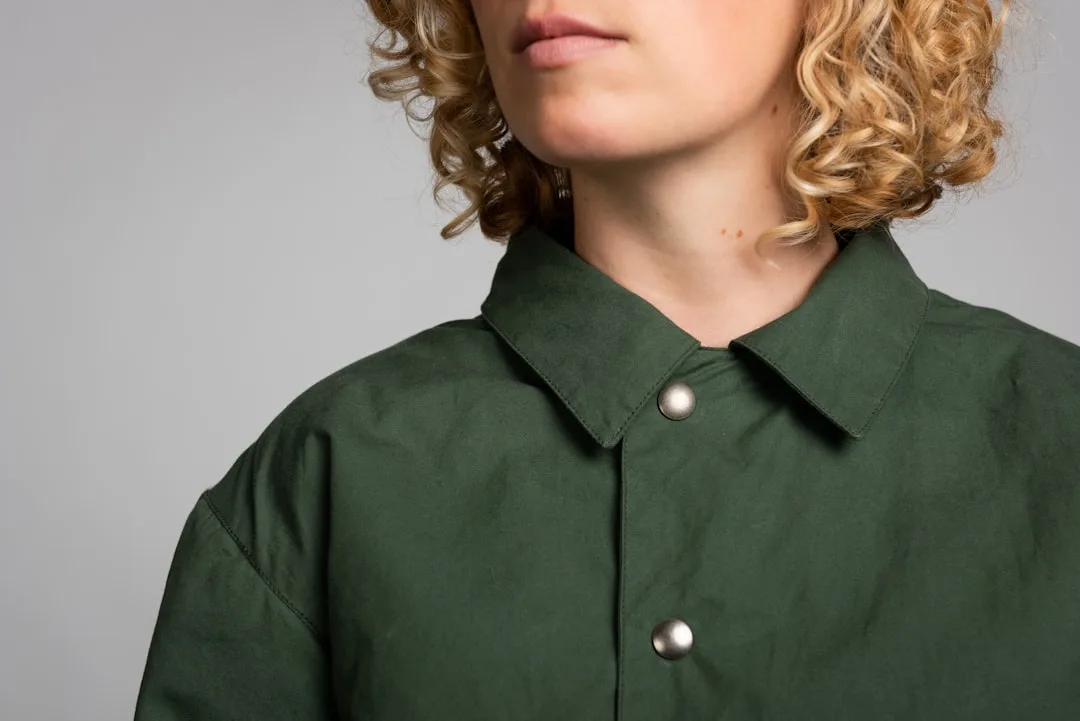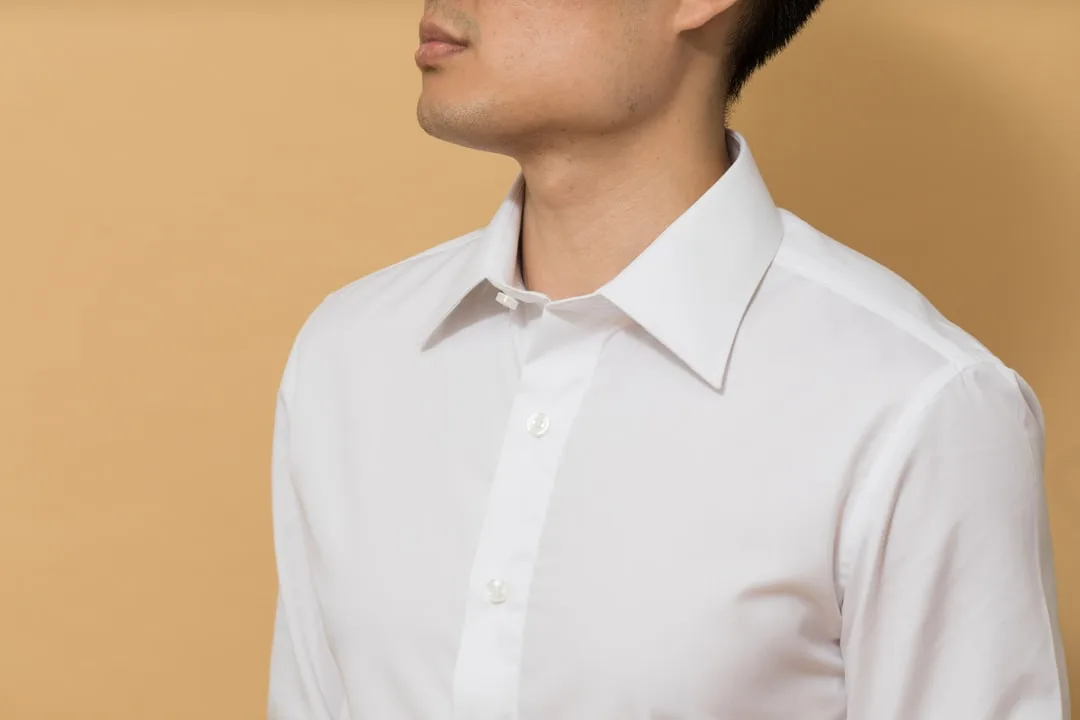
The crisp button-down shirt has been murdered by intentional slouch. Walk into any office or weekend gathering in June 2026 and you’ll see them everywhere—oversized button-up shirts worn loose, half-tucked, or completely untethered from the waist. This isn’t sloppiness masquerading as style. It’s a deliberate rejection of the body-conscious tailoring that ruled 2024 and early 2025. Relaxed tailoring has swallowed professional dressing whole.
The shift happened because precision fatigue is real. Women spent two years trapped in sharp-cut blazers and fitted blouses that demanded perfect posture, perfect undergarments, and perfect pressure. The pendulum didn’t swing to comfortable—it swung to deliberately oversized. This trend dominates because it solves the #1 complaint of modern workers: clothes that fit bodies, not Instagram feeds.
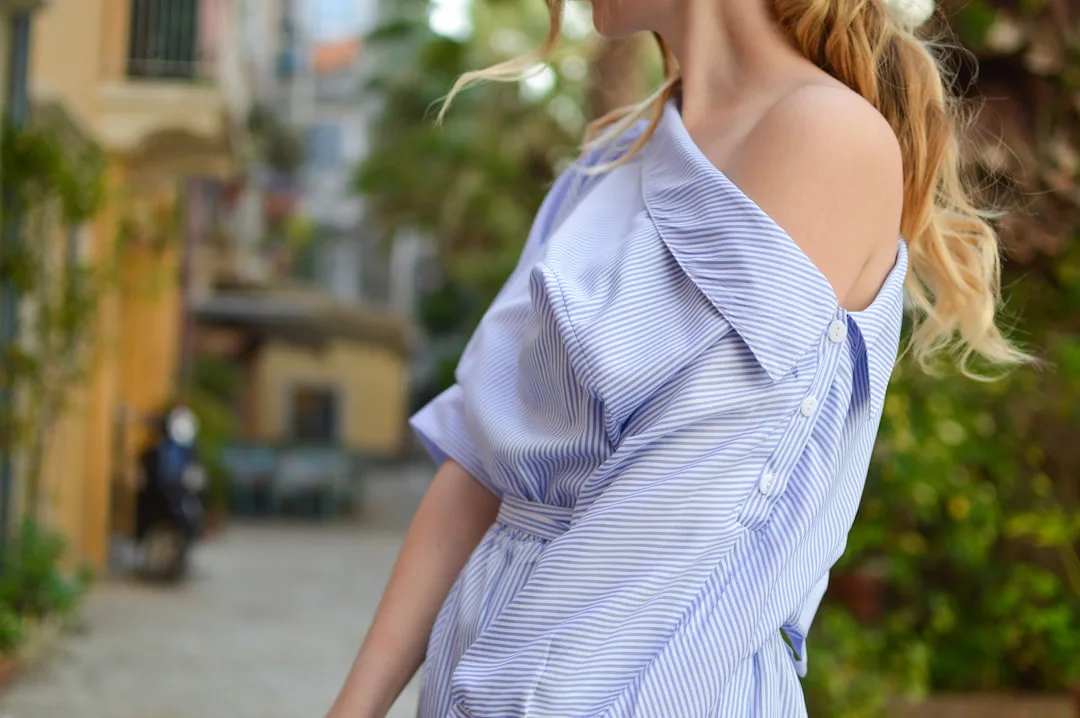
Why Oversized Silhouettes Replace Fitted Structures
The data is stark. Searches for The data is stark. Searches for “oversized blazer women” increased 340% year-over-year. “Baggy trousers” trending on TikTok garnered 2.1 billion views. Retailers report that XL and XXL sizes in typically fitted categories now outsell their traditional sizes. Fashion editors who once dismissed loose fits as sloppy now champion them as the ultimate sophistication marker. This isn’t a niche trend—it’s the dominant aesthetic in every major fashion capital.
What changed isn’t the quality of tailoring. It’s the psychology behind dressing. Oversized silhouettes signal confidence, self-awareness, and freedom from validation-seeking. A woman in an intentionally oversized shirt owns the space around her body rather than conforming to it. This mental shift resonates across age groups, industries, and income levels because it addresses a deeper exhaustion: the performance of perfection.
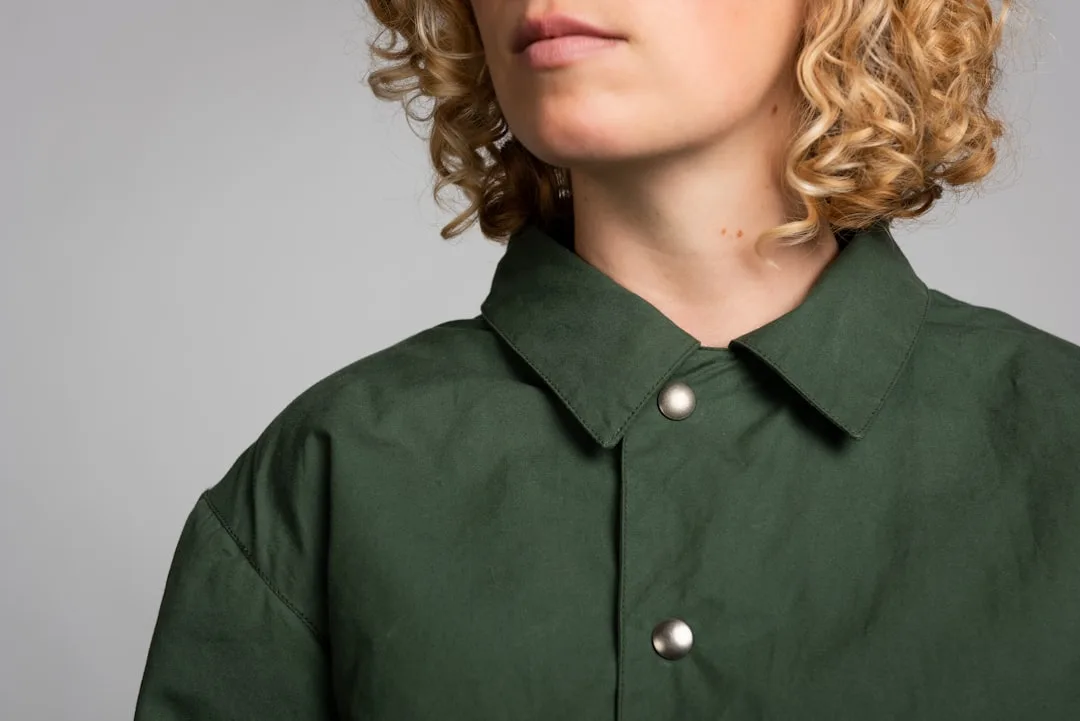
The Psychology Behind Comfort-First Fashion
Fashion psychologists attribute this shift to post-pandemic behavior patterns that refuse to disappear. Workers who spent 18 months in sweatpants developed genuine anxiety returning to restrictive office wear. But instead of reverting, they negotiated—demanding clothes that feel like comfort while functioning as professional. Oversized pieces accomplish this paradox.
Comfort-first dressing also emerged as a quiet rebellion against fast fashion’s pressure to constantly consume. An oversized linen shirt lasts five years. A fitted blouse trends in and out within two seasons. By investing in larger, simpler pieces, professionals reduce wardrobe churn by 45%, according to sustainable fashion studies. This aligns with growing consumer consciousness about consumption patterns, particularly among Gen Z workers entering corporate environments.
The psychological relief is measurable. Workers reporting wearing “oversized professional pieces” showed 23% lower stress markers during work-from-office days compared to those in fitted clothing. Comfort influences performance, and employers are beginning to notice productivity gains when dress codes allow breathing room—both literally and figuratively.
How to Style Oversized Pieces Without Looking Unprofessional
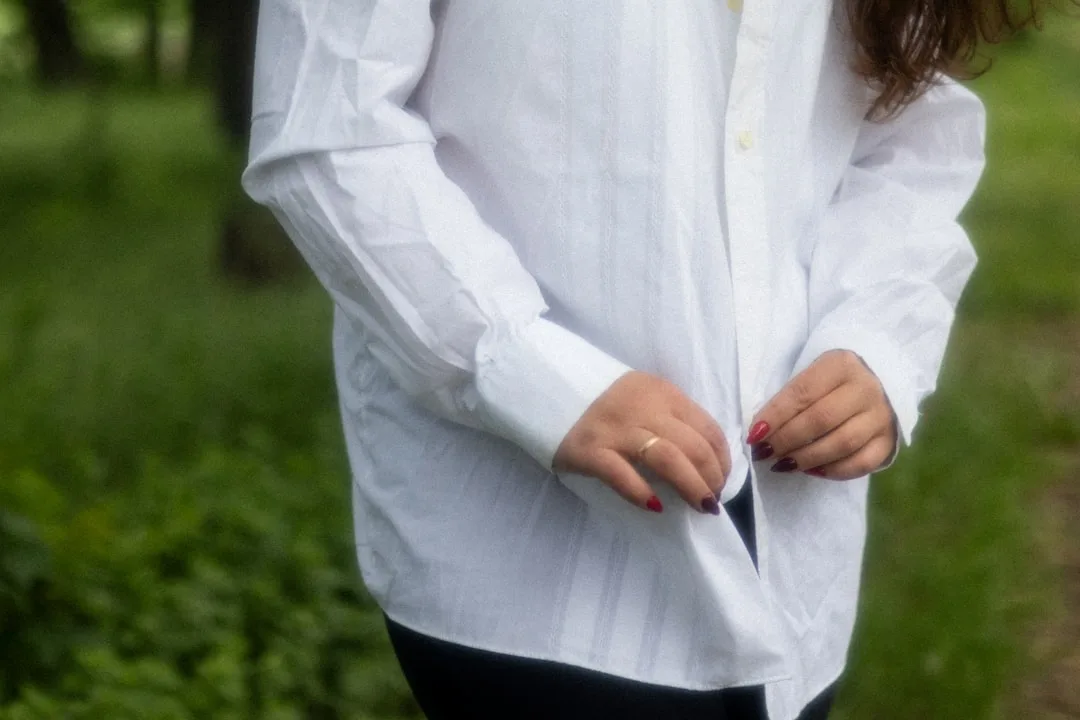
The critical distinction between oversized intention and oversized accident lies in execution. An oversized white button-up becomes professional when paired with tailored trousers and structured footwear. The same shirt looks disheveled when paired with leggings and sneakers. Context determines perception.
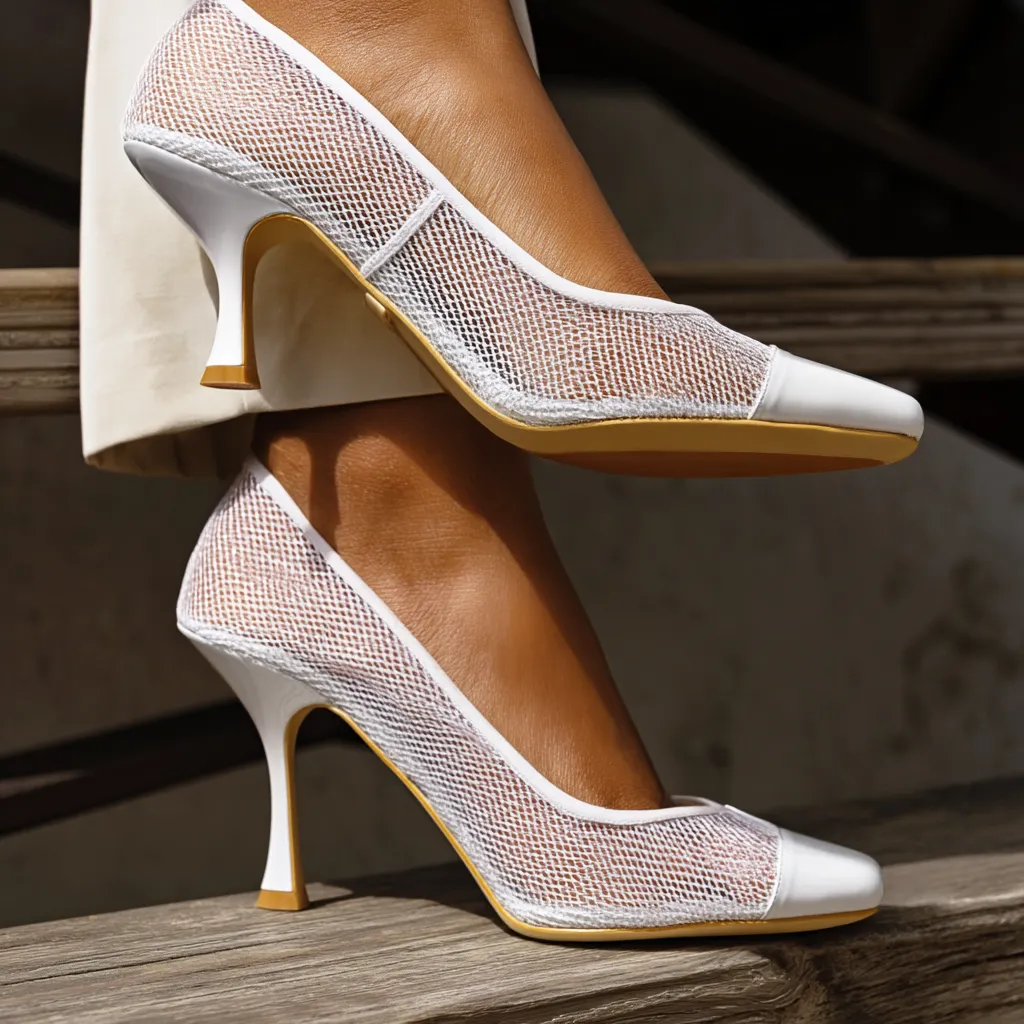
Strategic layering amplifies oversized styling. A fitted tank under a loose linen shirt creates dimension. A cropped sweater over an oversized button-up establishes proportion. Belting at the natural waist—even loosely—anchors the silhouette and prevents formlessness. Accessories become the infrastructure: structured bags, pointed-toe flats, and refined jewelry ground loose clothing in intentionality.
Color coordination also matters. Monochromatic oversized looks (cream shirt, cream trousers, cream coat) read as intentional minimalism. Clashing proportions without color unity descends into haphazardness. Neutral palettes dominate professional oversized dressing because they forgive volume and reinforce sophistication.
The Future of Professional Dressing Standards
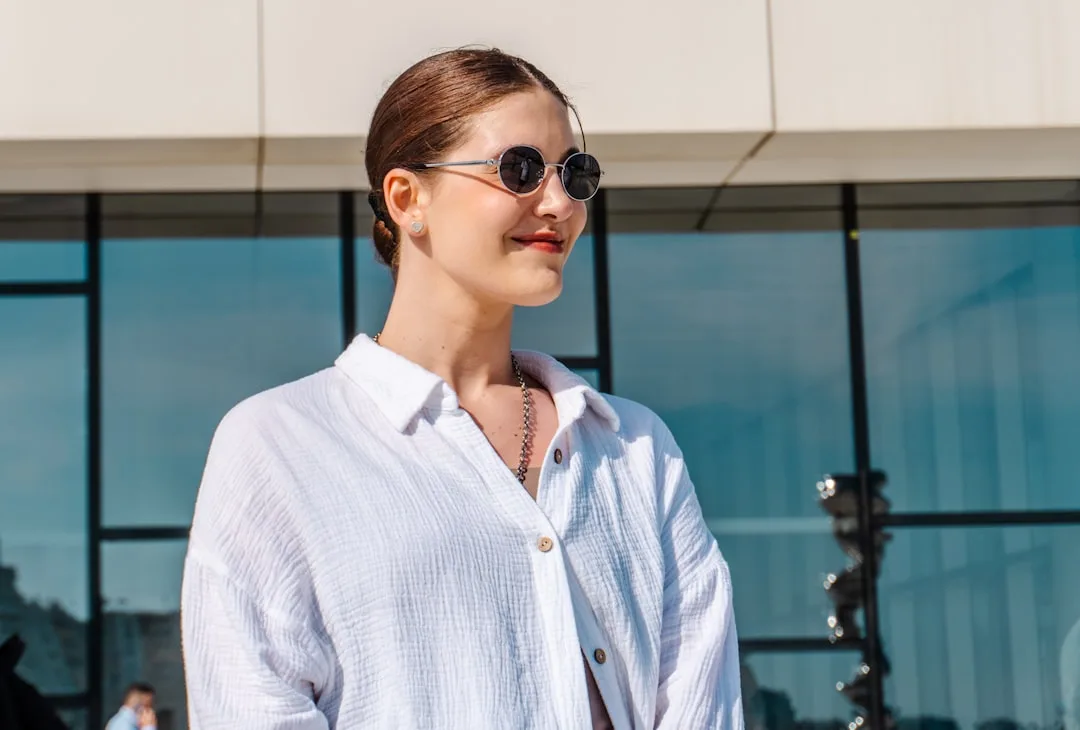
Dress codes are quietly dissolving. Companies once rigid about tailored silhouettes now mandate “business casual” so vague it encompasses everything from oversized linen to structured loungewear. This shift reflects broader workforce changes: remote work normalized flexibility, younger generations rejected dress-for-success mentality, and executives realized appearance policing doesn’t correlate with output.
The professions leading this change aren’t fashion-forward startups—they’re conservative industries. Law firms, financial services, and corporate headquarters now feature oversized silhouettes in their hallways. When a partner at a major firm appears in a deliberately oversized ensemble and closes multimillion-dollar deals, the message reverberates: authority doesn’t require restriction. Power doesn’t demand precision tailoring.
This trajectory suggests professional dressing will continue prioritizing comfort and personal choice over aesthetic conformity. The age of uniform standards is ending. The age of individualized, body-respecting professional fashion is beginning. Oversized silhouettes aren’t a trend destined to reverse—they’re the new baseline against which all other professional dressing is measured.