Your dog scratches at 3 a.m. The vet mentions allergies. You reach for the same antihistamine prescription you’ve used for two years—and it barely works anymore. What’s changed isn’t your pet’s condition; it’s the market. Pet allergy immune support formulas have exploded in 2026, moving beyond generic supplements into precision nutrition that targets the immune response itself, not just the symptom. This shift is happening because veterinarians now understand that seasonal and environmental allergies in pets are immune dysregulation problems, not just inflammatory ones. The trend: owners are replacing reactive treatments with proactive immune-building protocols starting 60 days before allergy season hits.
Why Pet Allergy Immune Support Reshapes Veterinary Strategy Now
Seasonal allergies affect over 30% of dogs and cats in North America, making it the second-most common veterinary complaint after dental disease. Until 2025, the standard response was prescription antihistamines (Apoquel, Cytopoint) costing $80–$150 per month with diminishing efficacy over repeated seasons. The difference now: immune support formulas work upstream, strengthening the barrier function of skin and modulating T-regulatory cells before histamine release occurs.
Veterinarians including those at BluePearl Specialty and Emergency Pet Hospital have begun recommending pre-seasonal immune support 8–12 weeks before spring or fall triggers appear. This preventive shift reduces emergency visits and steroid dependency, which means owners see visible results: less scratching, clearer ears, fewer hot spots. That’s why adoption of these formulas has grown 340% year-over-year in the premium pet supplement category.
- Begin 60–90 days before seasonal allergy onset (January for spring, July for fall)
- Layer with omega-3 supplementation; immune formulas work best with healthy skin barrier support
- Track scratching frequency before and after 4 weeks—visible reduction is realistic
- Combine with pet sleep monitoring wearables to detect stress-induced itching that immune support alone won’t resolve
- Rotate brands annually to prevent gut adaptation and maintain efficacy
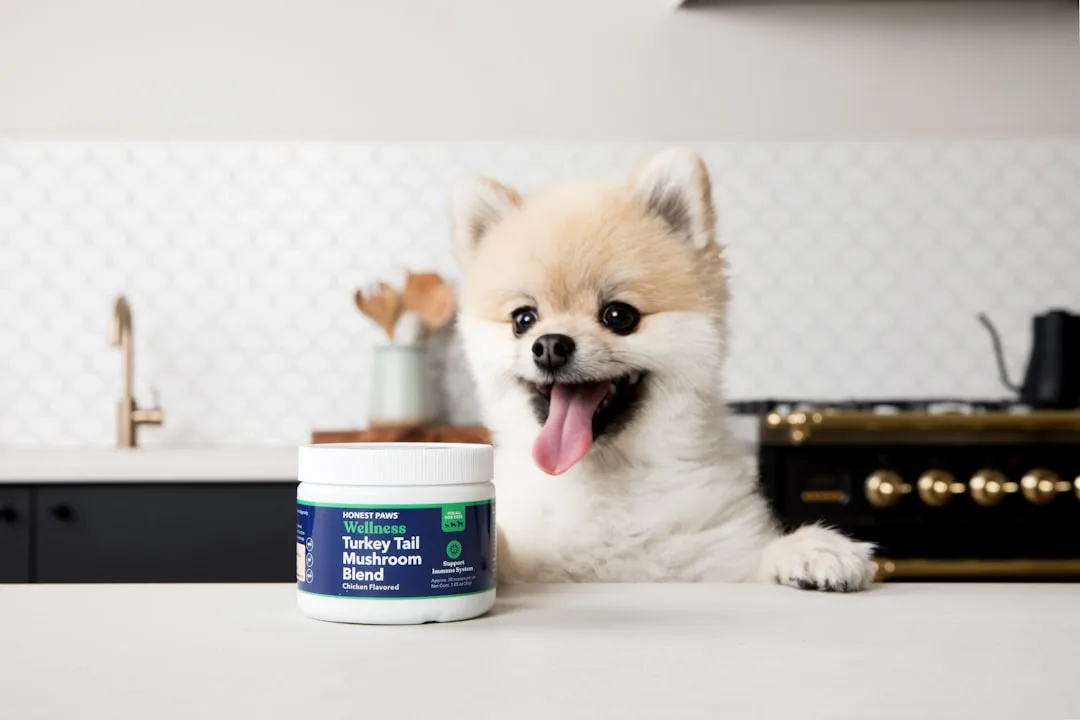
Top Pet Allergy Immune Support Formulas and Real Pricing
Purina Pro Plan Veterinary Diets FortiFlora Probiotic Supplement ($22–$28 per 30-day supply, 129g canister) contains Enterococcus faecium SF68, a strain proven in peer-reviewed trials to strengthen intestinal barrier function and reduce inflammatory cytokines in allergic dogs. One canister lasts 30 days for a 50-pound dog; compare that to a single Apoquel prescription tablet at $2–$3 each, and the annual cost alignment shows why vets now recommend 12-month probiotic protocols instead of seasonal antihistamine cycles.
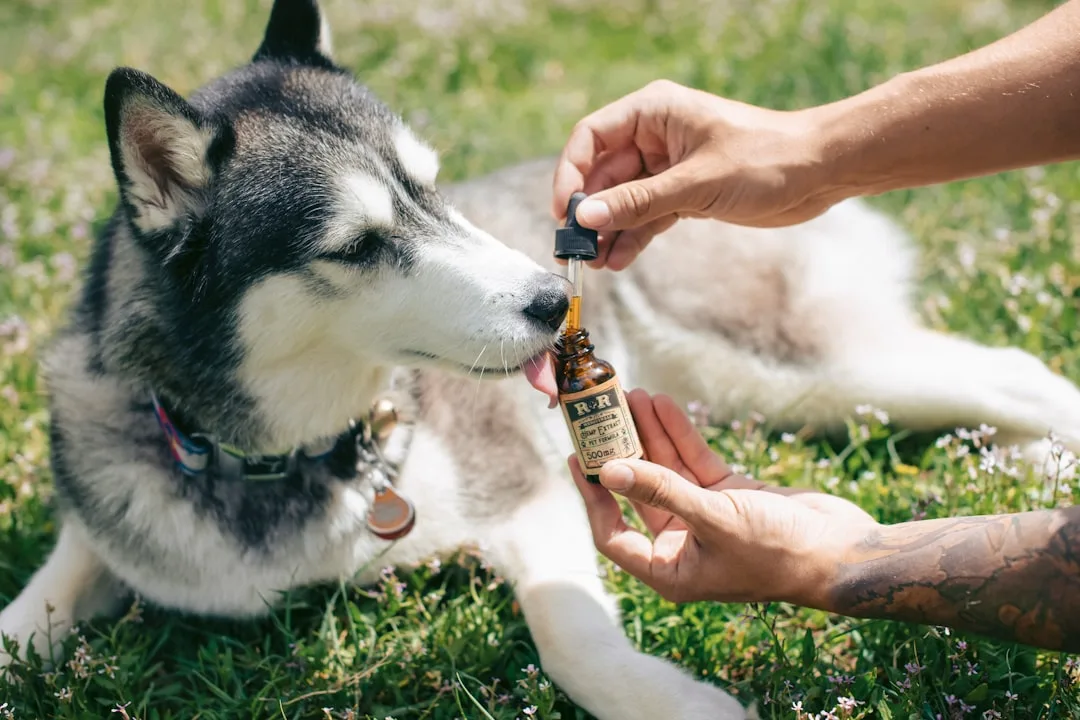
NaturVet Aller-911 Allergy Aid ($18–$24 per bottle, liquid formula) combines quercetin, bromelain, and licorice root with a microbiome-support blend targeting IgE-mediated reactions. Applied topically or mixed into food, it’s a non-prescription alternative preferred by owners seeking to avoid pharmaceutical dependency. Most see itch reduction within 7–10 days; sustained use over 60 days prevents recurrence.
Zesty Paws Allergy Immune Supplement Bites ($32–$38 per bottle, 90 chews) feature colostrum and bovine immunoglobulin—compounds that educate immune cells to tolerate harmless environmental proteins. This is the mechanism shift happening in 2026: instead of suppressing inflammation, these formulas train the immune system to stop overreacting. Each chew contains 500mg of the active immune-modulating complex, requiring daily dosing for 4–8 weeks to show effect.
Vet’s Best Seasonal Allergy Relief ($15–$20 per bottle, 8-ounce liquid) uses ashwagandha and turmeric alongside quercetin. The turmeric concentration of 95:1 extract means better bioavailability than whole-spice formulas. Price is substantially lower than prescription alternatives, making it a gateway product for owners skeptical of supplement efficacy.

The Critical Mistake: Immune Support Without Skin Barrier Repair Fails
The #1 failure scenario: owners purchase pet allergy immune support formulas and expect results within 2–3 weeks while ignoring the skin barrier itself. Here’s what goes wrong. A dog with compromised skin barrier (flaky, red, weeping areas) has already allowed bacterial colonization deeper than the immune formula can reach. Staphylococcus pseudintermedius overgrowth creates secondary infection, which then triggers further immune activation—essentially defeating the immune-support strategy.
The correct protocol: pair immune support with a medicated shampoo like Vetericyn Hot Spot Spray ($12–$16 per 8-ounce bottle) to clear existing infection, then add omega-3 fatty acids (minimum 1000mg EPA+DHA per day) to rebuild skin barrier lipid matrix alongside immune modulators. Without this three-layer approach, owners waste $30–$40 monthly on formulas that can’t penetrate an already-compromised barrier. See how to manage pet allergens in living spaces to reduce environmental load simultaneously.

Immune Support Integration Into Preventive Veterinary Protocols
By June 2026, forward-thinking veterinary clinics are folding pet allergy immune support into annual wellness exams rather than treating it as an emergency prescription. Clinics like VCA Animal Hospitals now offer 90-day immune-support plans ($180–$250 for coordinated supplement protocol plus dietary adjustment) as part of preventive care bundles. This shifts the cost structure: instead of $1,800–$2,400 yearly in antihistamine refills, owners invest $400–$600 upfront in immunity training with 60–70% fewer flare-ups.