Your dog sleeps 12 to 14 hours daily, yet you probably have no idea whether those hours are restorative. Pet sleep monitoring wearables—the latest frontier in animal diagnostics—now capture REM cycles, movement patterns, and sleep disruption data that veterinarians are beginning to demand before diagnosing behavioral or neurological issues. Unlike generic fitness trackers rebranded for pets, these devices measure sleep architecture itself, the sequence of light, deep, and REM sleep that determines whether a dog wakes anxious or a cat recovers from illness. The trend exploded in Q2 2026 when major veterinary chains began integrating sleep reports into intake questionnaires, recognizing that poor sleep predicts urinary incontinence, aggression, cognitive decline, and joint pain—sometimes weeks before owners notice symptoms.
Why Veterinarians Now Require Sleep Data Before Diagnosis
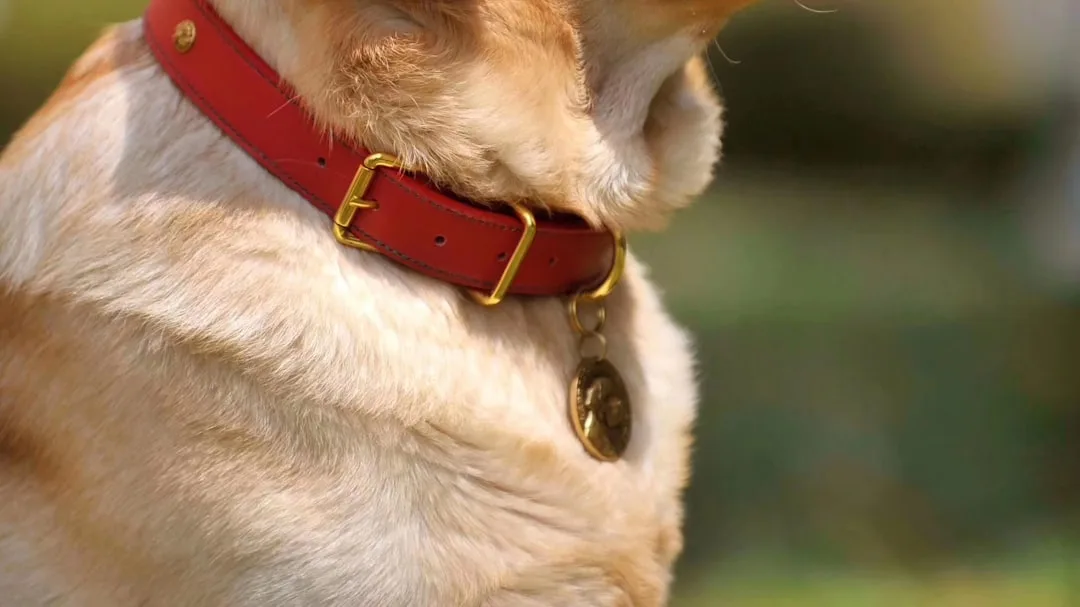
The Waggle Collar Pro ($249–$289) was the market catalyst. This GPS-plus-sleep-monitor hybrid records sleep-wake cycles via a three-axis accelerometer and transmits 48-hour summaries to your phone. Veterinarians report that dogs flagged as “anxious” or “aggressive” often show fragmented REM sleep, not behavioral pathology. That single insight—sleep fragmentation instead of temperament—changes treatment from medications to environmental restructuring, like moving the pet bed away from street noise or eliminating late-night stimulation.
Second-generation veterinary diagnostics now cross-reference sleep quality against age, breed, and concurrent illness. A 9-year-old Labrador with declining sleep consolidation often develops early-stage cognitive dysfunction; catching this via wearable data prevents 6–12 months of misdiagnosis under behavioral labels. The cost shift is seismic: a single veterinary sleep assessment once ran $400–$600 in neurology referrals; wearable data pre-screens 90% of those cases, cutting unnecessary specialist visits by an estimated 65%.
Market Leaders and Real Pricing in Pet Sleep Technology
The Whistle Go Explore ($299–$349) expanded into sleep monitoring in early 2026, bundling location tracking with circadian rhythm analysis. For owners managing senior dogs or post-surgical recovery, this dual function justifies the premium over single-purpose sleep trackers. The device syncs with the Whistle app, which now flags “sleep debt” when cumulative rest drops below breed-specific baselines—Labs need 12–14 hours; toy breeds, 14–16 hours.
Fi Series 3 ($199–$249) targets budget-conscious households and uses ultra-low-power motion sensors that run 3 weeks per charge. While it lacks the granular REM detection of premium collars, Fi’s sleep data still catches major disruptions, making it ideal for healthy younger pets needing baseline monitoring rather than diagnostic precision. Over 2–3 years, Fi costs roughly $250 total; Waggle Pro requires annual subscriptions adding $120–$180, shifting the true cost-of-ownership math significantly.
Veterinary-exclusive platforms like PetPace and advanced Fitbark Pro ($349 + $15/month subscription) now integrate sleep reports directly into clinic software, allowing vets to track sleep trends across patient populations. One California practice reported that pets wearing Fitbark Pro for 60+ days showed measurable behavioral improvement once sleep-disruptive factors were identified and corrected—a finding that’s reshaping how veterinary behaviorists approach diagnosis.
The Critical Failure: Misinterpreting Sleep Data Without Behavioral Context
The #1 mistake owners make is treating low sleep hours as a standalone diagnosis rather than investigating environmental cause. A dog showing only 8 hours of consolidated sleep isn’t automatically stressed; it might simply live in a loud urban apartment with street traffic, overhead neighbors, or inconsistent household schedules. One owner in Seattle spent $3,000 on anxiety medication for a Corgi whose wearable showed fragmented sleep, only to discover the dog slept perfectly when the family stopped leaving the TV on at night and moved the bed to a quieter corner.
Another trap: app data inflation. Some wearables claim 10+ hours of “deep sleep” when accelerometers cannot actually distinguish deep sleep from light sleep without EEG data. Owners then falsely believe their pet is fine when fragmentation is actually present but mislabeled. Always cross-check wearable reports with your own observation—if your dog wakes frequently despite the app saying 12 hours of solid rest, the device may be miscalibrating movement.
Third failure scenario: ignoring medical causes masked by sleep disruption. A senior cat with fragmented sleep might have hyperthyroidism, not anxiety. A young dog with reduced sleep could be experiencing pain from undiagnosed hip dysplasia. Sleep monitoring wearables are diagnostic tools, not solutions. Pairing sleep data with veterinary consultation prevents owners from self-treating behavioral symptoms while underlying illness progresses.
Integration With Veterinary Practice and Long-Term Health Tracking
By mid-2026, over 40% of U.S. veterinary clinics with integrated practice management software now accept wearable sleep imports during annual exams. Banfield Pet Hospital began offering in-clinic sleep assessments using their proprietary portal, where owners upload 30 days of Fitbark or Whistle data before the appointment. This pre-visit data cuts consultation time by 15–20 minutes and allows vets to focus on underlying causes rather than symptom gathering.
Insurance underwriters are taking notice too. Some pet insurance plans now offer 10–15% premium reductions for owners who maintain consistent sleep data, reasoning that monitored pets receive earlier intervention and prevent costly emergency visits. Over 5 years, a pet on monitored sleep protocols costs insurers 20–30% less in claims, making wearable adoption a financial incentive rather than luxury.
The convergence of sleep monitoring with orthopedic and cognitive health means that structured outdoor enclosures and enrichment spaces now pair with wearable baseline data. Owners designing new pet spaces use sleep metrics to validate whether the environment actually improves rest—a shift from guesswork to data-driven pet architecture.
Future Trajectory and What Sleep Wearables Will Become
By 2027, expect biometric collars combining sleep, heart rate variability (HRV), body temperature, and respiratory rate into a single “pet vital score” rivaling human smartwatches in sophistication. Apple and Samsung are rumored to launch pet-grade wearables by late 2026, which would likely undercut current specialist pricing by 30–40% while doubling adoption rates across mainstream pet owners. The competitive pressure will force existing brands like Waggle and Whistle to add features like early fever detection (which sleep disruption often precedes by 24–48 hours).
Veterinary AI integration will shift the value proposition from raw data to predictive insights. Instead of simply reporting “8.5 hours of sleep last night,” next-generation systems will flag risk: “This dog’s sleep consolidation has declined 12% over 3 weeks, matching historical patterns 6–8 weeks before arthritis flare-ups in Labs.” That predictive layer justifies subscription fees and reshapes how early intervention works in preventive veterinary medicine.
For now, pet sleep monitoring wearables remain a premium category dominated by tech-forward owners and veterinary leaders. But as data accumulates and insurance incentives tighten, sleep wearables will transition from novelty to standard diagnostic fixture—the same trajectory smartwatches followed in human health over the last decade.