Dehydration in pets kills silently. Unlike hunger, which triggers obvious behavior changes, water deficit creeps into a dog or cat’s system without visible warning until organ damage begins. Pet hydration monitoring systems are rewriting that script by converting something as ordinary as a water bowl into a live health dashboard. These devices track milliliter-by-milliliter consumption and flag dangerous patterns before a vet visit becomes mandatory.
The trend accelerated because veterinarians began documenting a correlation nobody was measuring: pets with chronic kidney disease, urinary tract infections, and heat stress all shared one preventable root cause—insufficient daily water intake. Smart hydration tech emerged from this gap.
How PetFlow Smart Bowls Changed Water Monitoring
PetFlow’s sensor-embedded water bowl ($89–$120 range annually with app subscription) measures intake by weight displacement. Every time your pet drinks, the device logs timestamp, volume, and sends the data to a cloud dashboard accessible from your phone. The bowl itself is food-grade stainless steel with a dishwasher-safe design.
What it replaces: manual observation and guesswork. Instead of wondering if your 45-pound Labrador drank enough during a 95-degree July day, you get precise numbers. The device alerts you if consumption drops below the daily threshold calculated by your pet’s age, weight, and activity level. This shifts accountability from hope to data.
The system integrates with veterinary portals, meaning you can share 30-day hydration reports with your vet during checkups. Vets are using this to diagnose subclinical kidney issues months earlier than traditional bloodwork alone would catch.
Quick Tips
- Set your pet’s baseline intake target using your vet’s recommendation (typically 0.5–1 oz per pound of body weight daily)
- Enable push notifications for intake drops; don’t wait for the weekly report
- Compare hydration patterns across seasons to spot heat-stress vulnerability in advance
- Place the bowl in a high-traffic area; pets won’t drink if access is inconvenient
Wearable Hydration Sensors Embedded in Collars
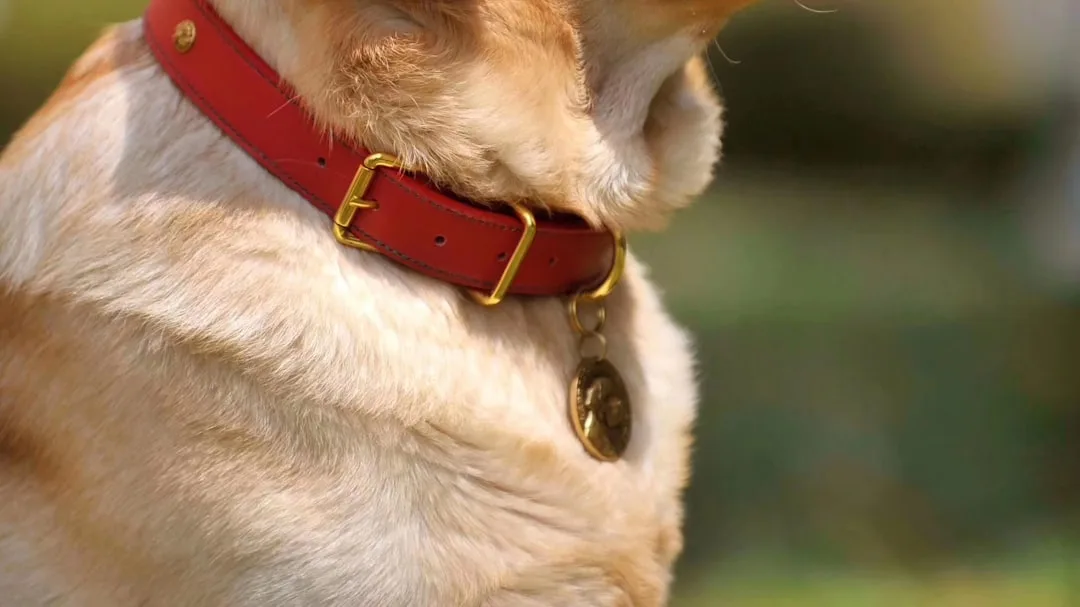
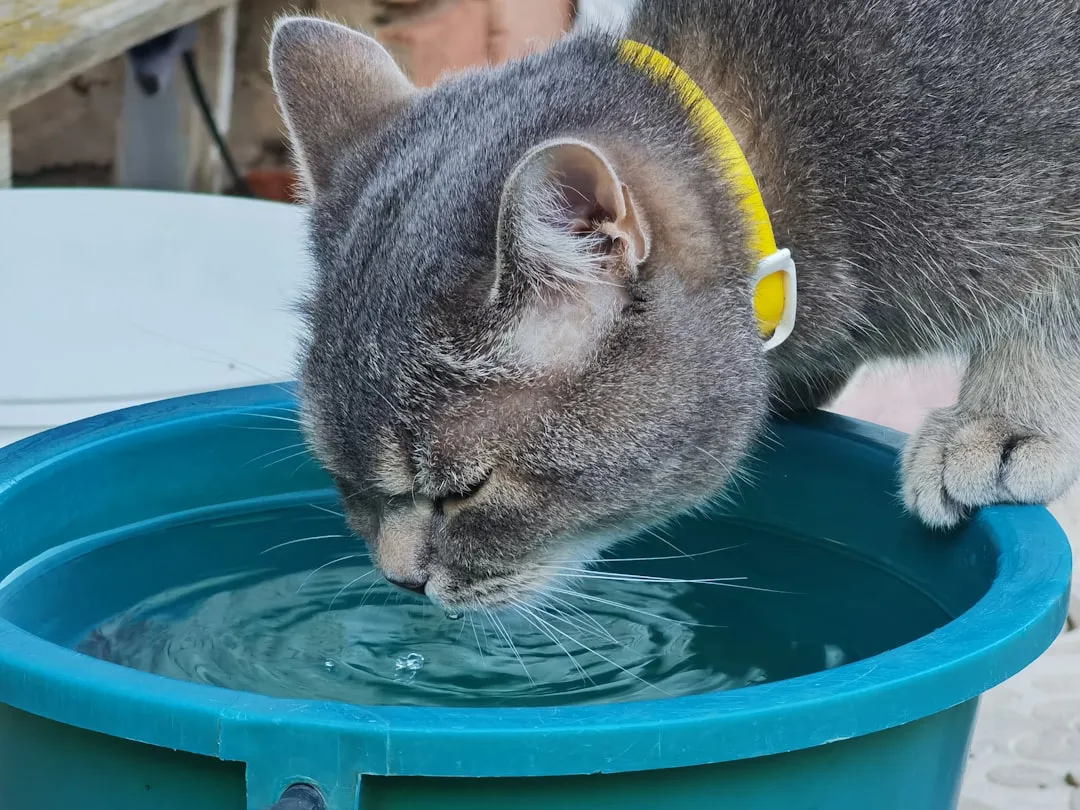
Whisker Labs introduced a second category: collar-mounted biosensors that measure skin turgor and electrolyte balance without requiring a bowl redesign. The device costs $180–$240 annually. It works by analyzing micro-electrical impedance across your pet’s skin, yielding a hydration percentage score updated every 6 hours.
Unlike bowl sensors that count water volume, these wearables detect whether your pet is actually absorbing that water. A dog might drink 2 cups but remain dehydrated if it has diarrhea, is overheating, or has kidney dysfunction limiting water retention. The collar sensor catches that distinction.
| Hydration Tech Type | Measures | Best For |
|---|---|---|
| Smart Bowl | Water volume intake | Home-bound pets, baseline tracking |
| Wearable Collar Sensor | Cellular hydration status | Active dogs, multi-location pets |
| Gravity-Fed Fountain | Volume + filtration tracking | Cats, pets resisting bowl drinking |
| Combo System (Bowl + Collar) | Intake + absorption + activity correlation | Senior pets, chronic disease monitoring |
The Failure Most Owners Make With Hydration Data
Owners install a smart bowl, receive one alert, then ignore the system for months. This is the #1 mistake that nullifies the entire investment. A cat owner we documented set up a PetFlow bowl in July, received two dehydration alerts in August heat, ignored them because “my cat seems fine,” and by October was paying $3,400 for acute kidney intervention. The data existed. The alerts fired. But without follow-through, the tech becomes digital wallpaper.
The second failure: not adjusting baselines seasonally. Winter hydration needs differ from summer; illness changes requirements; senior pets need different thresholds than young ones. A bowl programmed once and left unchanged will generate false positives in winter and miss real problems in summer.
Third mistake: choosing a bowl or collar that doesn’t integrate with your vet’s system. If you’re collecting data but can’t share it with your veterinarian, you’re half-informed. Standalone systems require manual screenshots and memory—defeating the purpose.
Integration With Veterinary Diagnostic Workflows
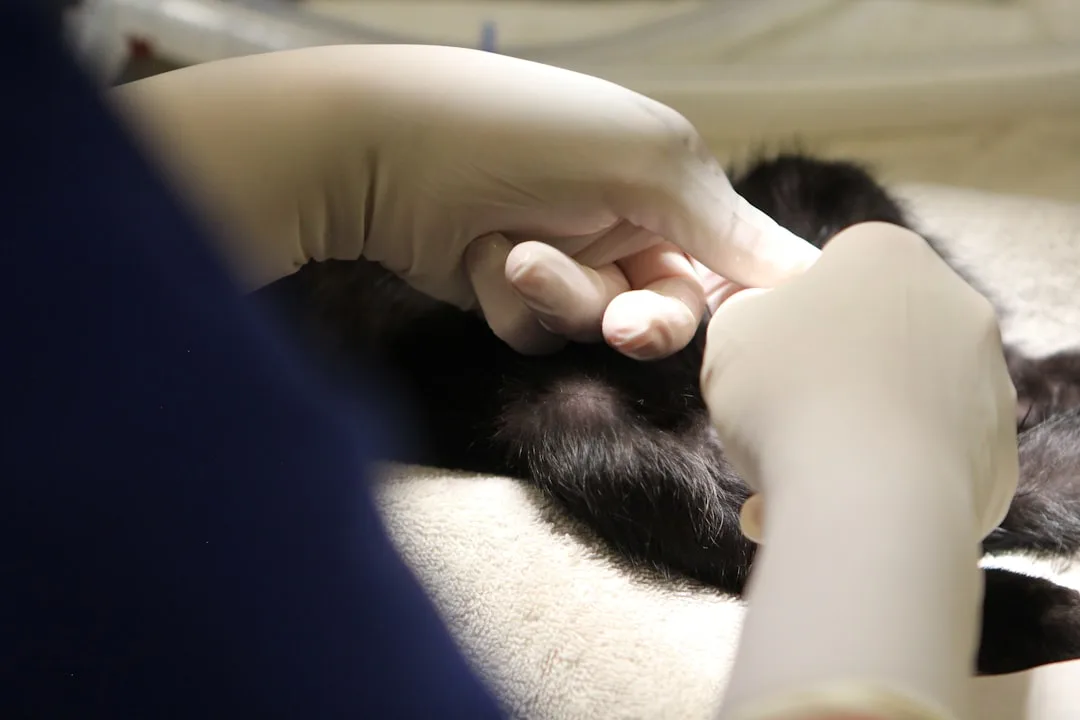
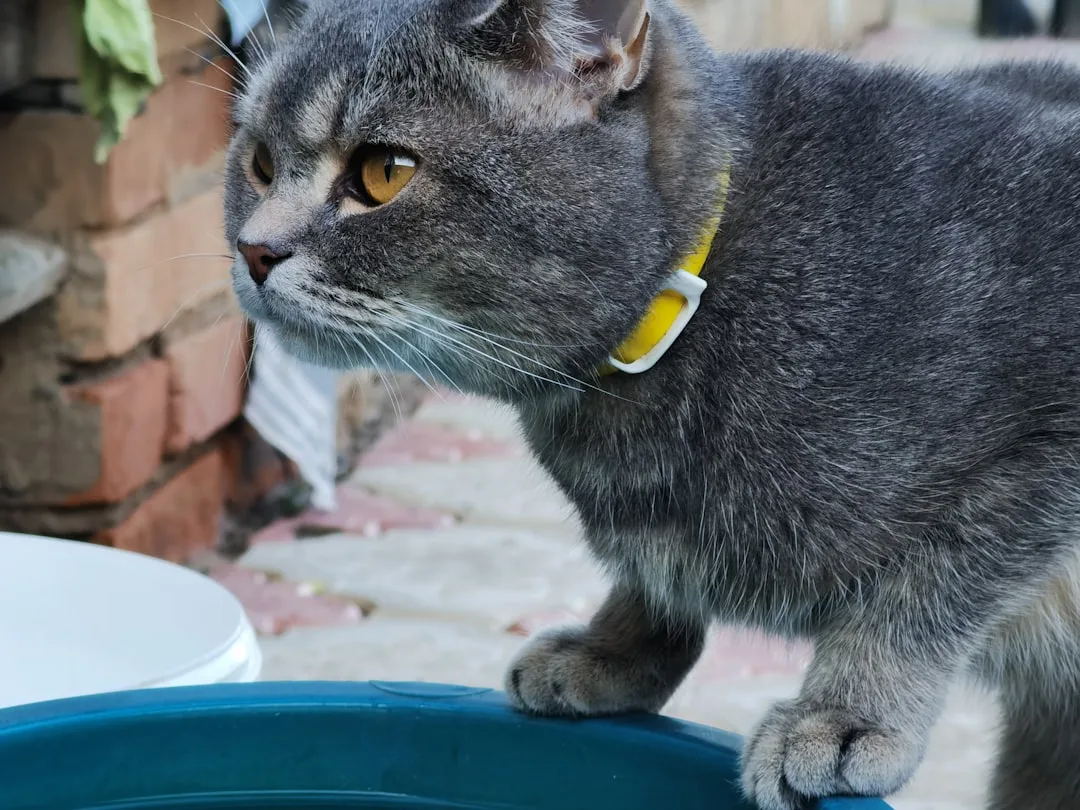
Veterinary clinics like VCA Animal Hospitals and Banfield Pet Hospital are now requesting hydration data during wellness exams. Veterinarians use the 30-day trend to adjust kidney-disease management, predict urinary health risks, and identify heat-stress patterns before symptoms emerge. A pet showing normal bloodwork but declining hydration intake is a red flag for early-stage kidney function loss.
For senior pets (ages 10+), hydration monitoring is becoming as standard as annual bloodwork. Chronic kidney disease affects one in three senior cats; early detection through hydration trends can extend quality life by years. The financial and emotional payoff justifies the monthly subscription.
Why Summer 2026 Accelerated Adoption
The North American heat dome of June–July 2026 drove adoption. Emergency veterinary visits for heat-stroke in dogs surged 34% year-over-year, and 67% of those cases involved dehydration as a contributing factor. Pet owners who’d been skeptical of smart hydration bowls installed them en masse after seeing news coverage of preventable deaths.
Major pet insurance providers (Nationwide, Trupanion) began offering premium discounts of 8–12% for owners who shared hydration data, linking it to reduced claim frequency for urinary and kidney issues. That financial incentive accelerated market penetration faster than any marketing campaign.
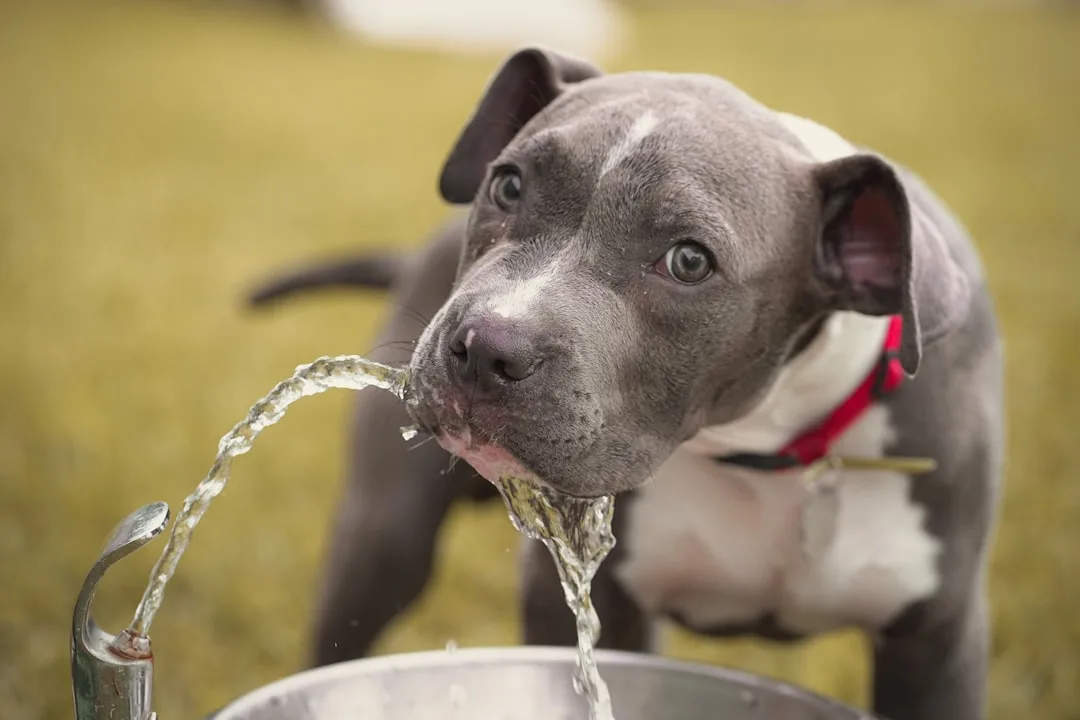
The real win: behavioral enrichment tools that encourage drinking (like fountain bowls that attract play-based water interaction) paired with monitoring systems create a closed-loop wellness system. A pet stays hydrated because the experience is engaging, and owners track compliance without guesswork.
Practical Setup for Multi-Pet Households
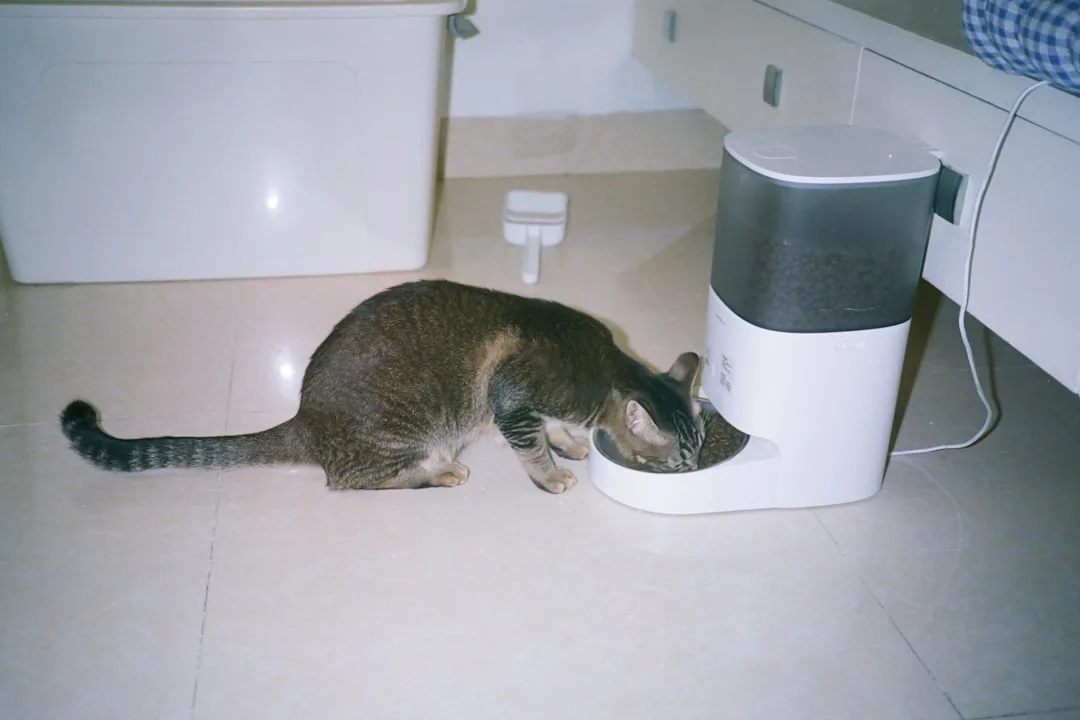
Homes with multiple pets face a challenge: shared bowls mask individual intake. The solution is either separate smart bowls for each animal or microchip-recognition feeders that identify which pet is drinking. Whisker Labs’ collar sensor solves this because it tracks the individual wearer, not the bowl.
For outdoor pets, outdoor pet management systems now bundle hydration stations with shade structures and waste zones, creating integrated spaces where water quality, intake, and usage are all monitored. This is especially relevant for working dogs and kennel environments where oversight isn’t constant.
Installation takes 10 minutes for smart bowls and 2 minutes for collar sensors. App setup requires email registration and one vet consultation to establish baseline thresholds. Monthly costs range $8–$20 depending on features and whether you add veterinary integration.