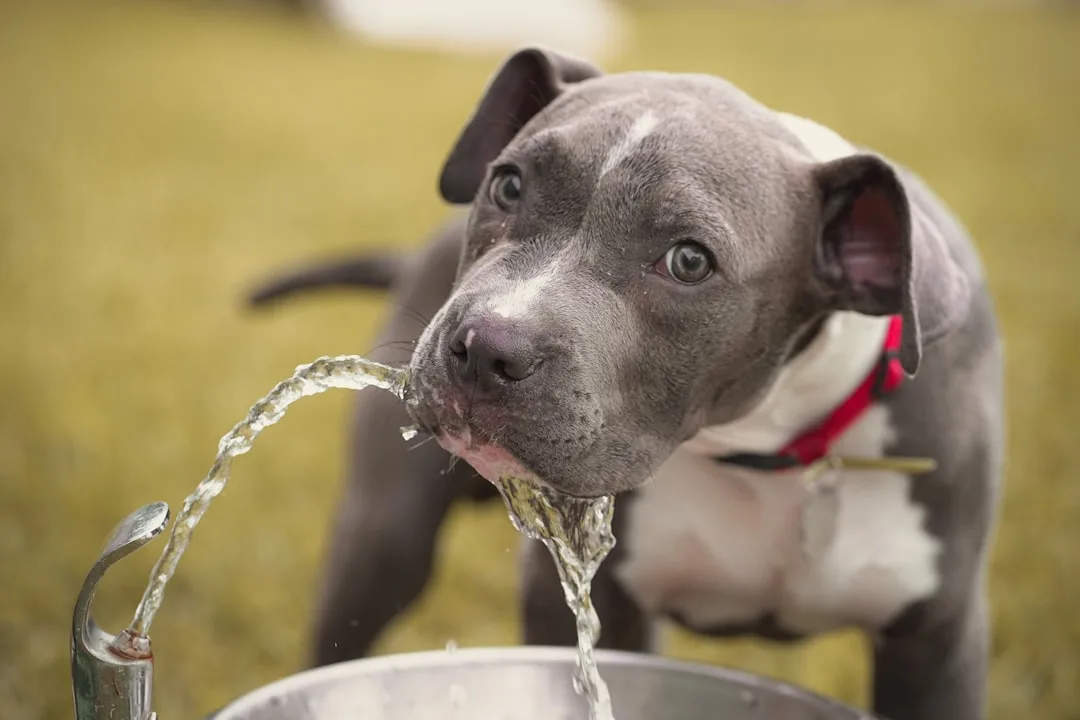
Your dog finishes breakfast, and within seconds, a sensor embedded in their collar logs the exact macronutrient composition, caloric density, and digestive load. Most pet owners still guess whether their animals are actually absorbing nutrition or merely consuming calories. But in mid-2026, wearable nutrition trackers have transformed dietary monitoring from annual vet guesswork into real-time, algorithm-driven precision. This shift addresses the core problem pet owners face: invisible malnutrition. A dog may appear healthy while suffering from nutrient deficiencies. These wearables eliminate that blind spot.

How Collar Sensors Measure Nutritional Intake
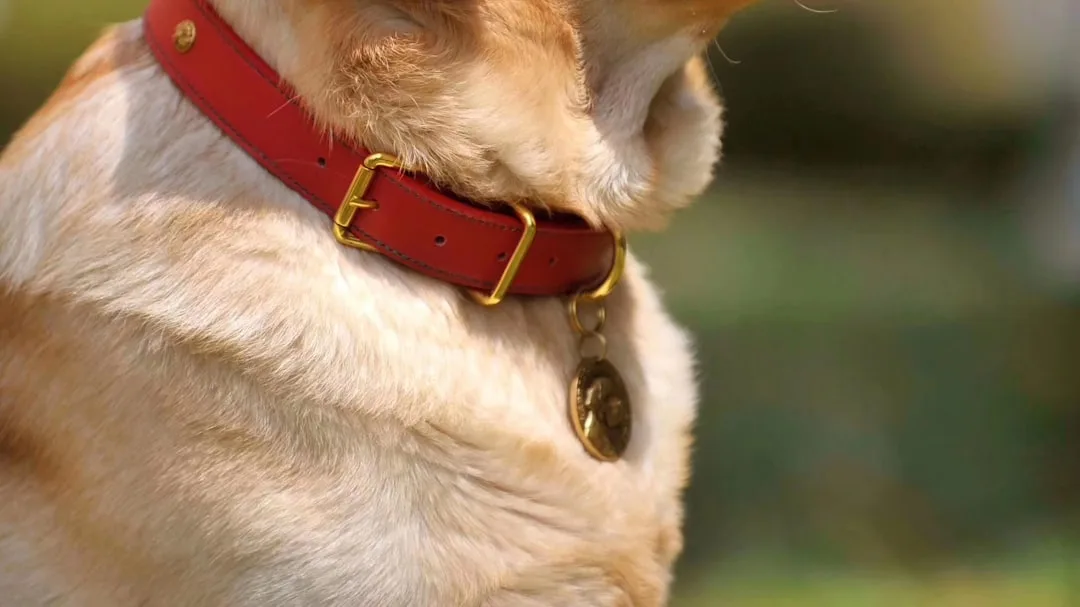
The PetVince Nutrition Collar ($189) attaches a biometric sensor array to standard collars, measuring water intake, eating duration, and food passage patterns through thermal and motion tracking. It pairs with a smartphone app that translates raw data into nutritional scorecard analytics. The device doesn’t require food identification; instead, it measures the biomechanical signature of chewing and swallowing to infer nutrient density.
Competitors like Whistle Go Explore ($99) have added caloric estimation to their existing GPS collars, though with less precision than purpose-built nutrition devices. The market is fragmenting between general health trackers adding nutrition modules and specialized nutrition collars. Purpose-built tools cost more upfront but deliver actionable specificity.
Quick Tips
- Pair wearables with vet bloodwork every 6 months to validate sensor readings
- Update breed and age data in apps monthly—sensor calibration depends on body composition shifts
- Use meal timing data to identify absorption windows; coordinate supplement timing accordingly
- Check battery status weekly; most collars require 3–5 day charging cycles
Why this trend accelerates now: Senior pets and animals with diagnosed metabolic disorders (diabetes, pancreatitis, inflammatory bowel disease) represent a $4.2 billion annual veterinary spend. Owners of these pets will pay premium prices for dietary precision because the alternative—vet emergency visits—costs $800–$3,000 per incident.

Real-Time Nutrient Absorption Tracking Reshapes Feeding Decisions
The Nutri-Sense Pro ($249) goes beyond intake measurement by estimating nutrient bioavailability through stool consistency monitoring via embedded environmental sensors. It sends owners weekly absorption efficiency scores, alerting them when dietary adjustments are needed before clinical deficiency develops. This preemptive approach shifts pet nutrition from reactive (waiting for symptoms) to predictive.
A retriever with pancreatic insufficiency can now adjust enzyme supplementation based on absorption data rather than waiting for clinical flare-ups. Owners report discovering food sensitivities weeks before traditional allergy testing would reveal them. The cost of a Nutri-Sense subscription runs $14.99 monthly, which compounds to $180 annually—significantly cheaper than emergency vet visits or elimination diet consultations that run $400–$600.
Integration with veterinary platforms is critical. Devices that sync directly with practice management software—like those compatible with veterinary EHR systems through IDEXX or Covetrus APIs—are gaining adoption in practices that treat chronic disease. Owners can share real-time data with their vet, reducing guesswork during consultations.
The Common Mistake: Over-Reliance Without Veterinary Context
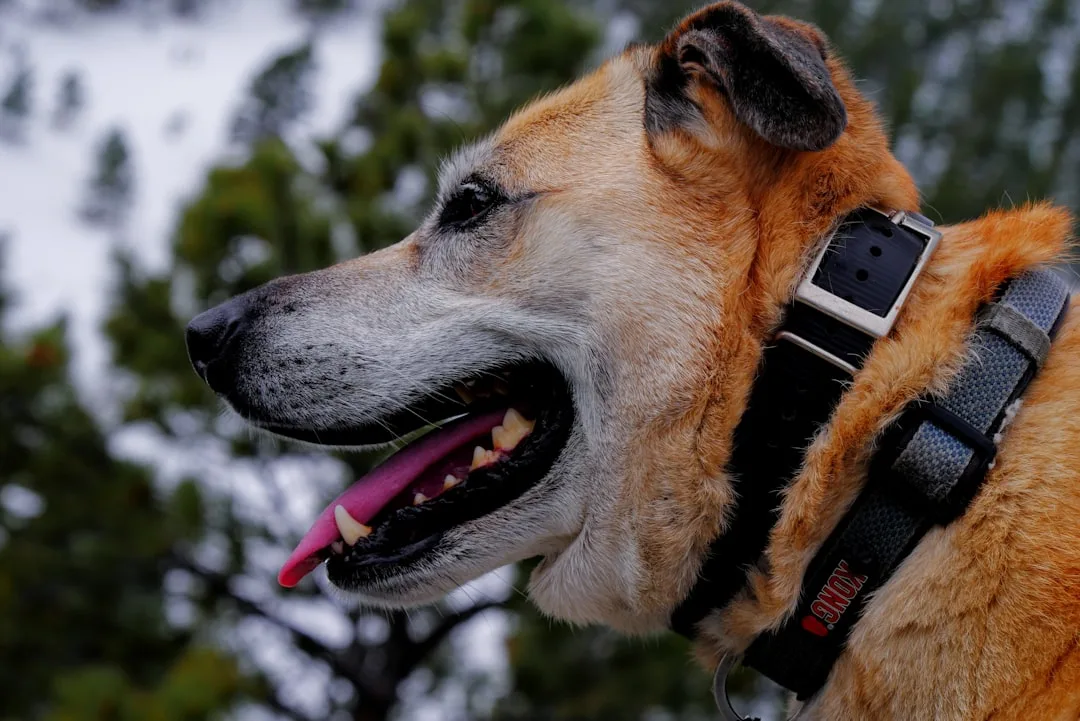
The biggest failure mode in nutrition wearable adoption happens when owners treat sensor data as gospel and override veterinary recommendations. A family bought a Nutri-Sense Pro and, seeing low protein absorption scores, switched to a high-protein raw diet without consulting their vet—unaware their dog had undiagnosed kidney disease for which high protein is contraindicated. The dog’s condition deteriorated rapidly.
Wearable data is diagnostic input, not diagnosis. Sensors measure proxy variables (chewing patterns, stool consistency) but cannot assess kidney function, liver enzyme levels, or hormone balance. The critical rule: every significant dietary change flagged by a wearable must be validated by bloodwork or fecal analysis before implementation. Many owners skip this step because the wearable offers convenient certainty it cannot actually deliver.
Veterinary schools are just beginning to train clinicians on interpreting wearable nutrition data. Until that standardization occurs, owners who treat wearable alerts as immediate action items—rather than consultation triggers—expose their pets to real risk. The best outcomes occur when pet telehealth consultation platforms integrate wearable data feeds so vets can review trends during remote visits before owners make feeding changes.
Market Growth and Veterinary Integration Drive Adoption at Scale
The nutrition wearable segment grew 34% year-over-year through Q1 2026, with veterinary clinic adoption rising fastest among practices specializing in geriatric and chronic disease management. Banfield Pet Hospital, the largest veterinary chain in North America with 900+ locations, began pilot testing Nutri-Sense Pro integration in 150 clinics serving animals with diabetes and chronic pancreatitis. Within three months, 67% of pilot clinic owners adopted the device, with average medication reductions of 18% as dietary precision improved.
Pricing entry points have expanded. While premium devices (Nutri-Sense Pro, PetDietics Band Pro at $249–$349) serve owners of medically complex pets, mass-market alternatives like FitBark 2 ($99.99) capture owners seeking basic activity-adjusted caloric recommendations. This segmentation mirrors early smartphone adoption: premium devices establish category credibility, then scaled-down versions democratize access.
Insurance reimbursement is beginning. Trupanion, a pet insurance provider covering 650,000+ animals, announced in March 2026 that wearable nutrition data submitted with claims for chronic disease management qualifies for 10% premium discounts for qualifying pets. This directly incentivizes adoption among cost-conscious owners and creates closed-loop accountability for dietary outcomes.
The trend accelerates because it solves a market gap that smart pet cameras with night vision and fitness trackers cannot address: nutritional precision at scale. As pets live longer and chronic metabolic disease prevalence rises, the ability to track and optimize nutrition becomes a core wellness expectation rather than a luxury feature.