As technology continues to advance at a rapid pace, smart home solutions have become a transformative force in the way we live. For Alaskan homeowners, integrating smart home technology into new builds or remodels offers the opportunity to enhance comfort, efficiency, and security while adapting to the unique demands of Alaska’s challenging climate. In this section, we will explore how smart home technology is being incorporated into Alaskan homes and why it’s becoming an essential aspect of modern living in the state.
Why Smart Homes Matter in Alaska
Living in Alaska comes with its own set of challenges, from long winters with extreme cold temperatures to extended periods of darkness during the winter months. Smart home technology helps homeowners combat these challenges by offering solutions that make life more comfortable, energy-efficient, and secure.
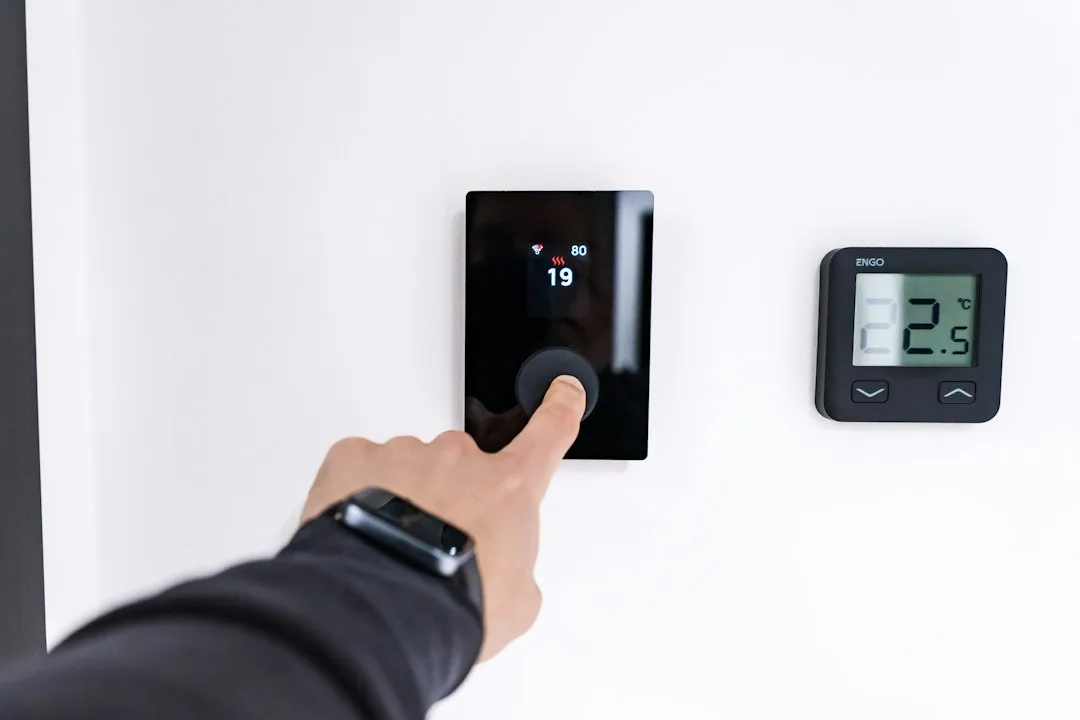
One of the main benefits of smart home technology in Alaska is the ability to manage energy usage efficiently. During the harsh winters, homeowners rely heavily on heating systems to keep their homes warm. Smart thermostats, such as those from Nest or Ecobee, allow homeowners to monitor and control their home’s temperature remotely. These thermostats can learn your habits and adjust the temperature accordingly, ensuring that your home stays warm when needed while helping to reduce heating costs during off-hours.
Additionally, smart home devices can help minimize energy waste by automatically turning off lights and appliances when they’re not in use. With the rising cost of energy in Alaska, these small adjustments can have a significant impact on your monthly utility bills.
Key Smart Home Technologies for Alaskan Homes
There are a wide variety of smart home devices that can be integrated into an Alaskan home, each offering specific benefits for the homeowner. Some of the most popular and beneficial smart home technologies for Alaskan homes include:
- Smart Thermostats: As mentioned, these devices allow homeowners to control the temperature of their homes remotely, ensuring that homes remain comfortable without wasting energy. Given Alaska’s frigid temperatures, smart thermostats can help homeowners strike the perfect balance between warmth and energy efficiency.
- Smart Lighting Systems: Lighting is another area where smart technology can make a big difference. Smart bulbs and lighting systems, such as those from Philips Hue, allow homeowners to control their lighting with voice commands or through smartphone apps. These systems are perfect for Alaska’s long winters, where the extended periods of darkness can affect mood and productivity. With smart lighting, homeowners can create a well-lit environment that suits their needs and preferences.
- Smart Security Systems: Security is a top priority for homeowners everywhere, but in Alaska’s more remote locations, ensuring your home is protected can be more challenging. Smart security systems, which include cameras, doorbell cameras, motion detectors, and alarm systems, provide peace of mind by offering remote monitoring and instant alerts. Whether you’re away on vacation or simply want to check on your property during the long winter months, these devices make it easy to keep an eye on your home from anywhere.
- Automated Blinds and Window Treatments: In Alaska, where sunlight can be scarce in the winter and overwhelming in the summer, automated blinds or shades offer a perfect solution. These smart window treatments can be programmed to open and close at specific times, ensuring that your home stays properly insulated while also allowing you to control natural light levels. This feature helps maintain comfort throughout the seasons.
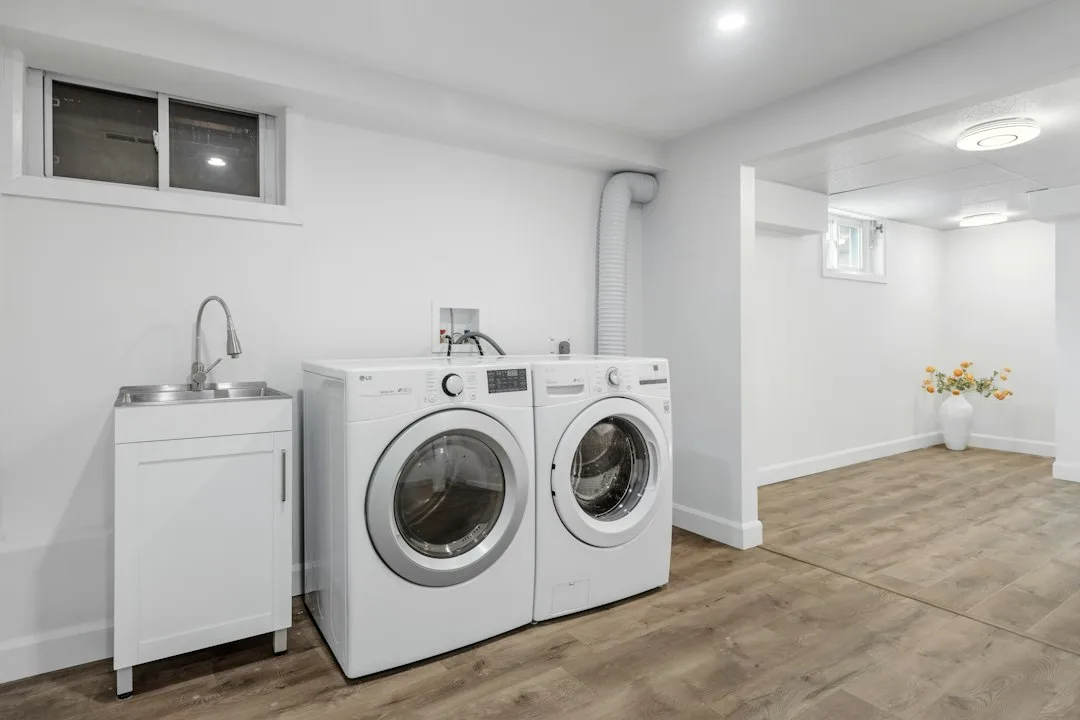
- Smart Appliances: From refrigerators that track expiration dates to ovens that can be controlled remotely, smart appliances are becoming a popular addition to Alaskan homes. These devices make daily tasks more convenient while helping to conserve energy. For instance, a smart washing machine can automatically adjust its water usage based on load size, reducing water waste—a critical feature in areas where water conservation is important.
Improving Safety and Security with Smart Technology
In Alaska, where remote locations can make homeowners feel isolated, having a reliable security system is essential. Traditional home security systems may not be enough to protect against the unique risks that come with living in more isolated areas, including severe weather and wildlife. Smart security solutions offer enhanced protection by providing real-time monitoring and immediate alerts.
Smart doorbell cameras, such as Ring or Nest Hello, allow homeowners to see who is at their door from their smartphone, even when they’re miles away. This is particularly useful in rural areas where deliveries or visitors may be infrequent, but the security of your home is always a priority.
Motion detectors and smart cameras can be strategically placed around the property to monitor outdoor areas, especially in places where wildlife might pose a threat. These systems can alert homeowners when animals are nearby or if there is unusual activity, giving them the opportunity to respond quickly.
The Role of Smart Technology in Sustainability
Sustainability is a growing concern for many Alaskan homeowners, particularly as they seek ways to reduce their environmental impact. Smart home technologies not only enhance comfort and security but also contribute to a more sustainable lifestyle.
Energy-efficient smart systems, such as programmable thermostats, lighting controls, and energy monitors, allow homeowners to track and reduce their energy consumption. Smart thermostats, for example, ensure that homes are heated only when necessary, reducing the need for constant heating during long winter months.
Additionally, smart irrigation systems, which use weather data to adjust watering schedules, can help homeowners conserve water in areas where it may be scarce. Solar-powered smart devices can also play a significant role in reducing a home’s reliance on traditional energy sources.
Smart Homes and Long-Term Savings
While the initial investment in smart home technology may seem daunting, the long-term savings are well worth it. With energy-efficient devices and automated systems, homeowners can lower their utility bills and reduce overall home maintenance costs. For example, a smart thermostat can save up to 20% on heating costs by adjusting the temperature based on when you’re home or away. Similarly, smart lighting systems can reduce electricity usage by automatically turning off lights when they’re not needed.
In the long run, these smart technologies not only pay for themselves but also add value to the home. Energy-efficient homes are highly desirable, especially in a state like Alaska, where energy costs can be high. Homes equipped with smart technologies can often be sold at a premium, making them an attractive investment for future homeowners.
Conclusion
Integrating smart home technology into Alaskan homes offers homeowners numerous benefits, including increased comfort, convenience, energy efficiency, and security. As the demand for smart home solutions grows, Alaskan homebuilders are increasingly incorporating these technologies into their designs, helping homeowners adapt to the unique challenges of living in Alaska.
Whether you’re building a new home or upgrading your existing space, smart home technologies offer a wide range of benefits that can help you make the most of your living environment. From reducing energy costs to enhancing home security, the integration of smart technology is a wise investment for any homeowner looking to improve their quality of life in Alaska’s challenging but beautiful landscape.