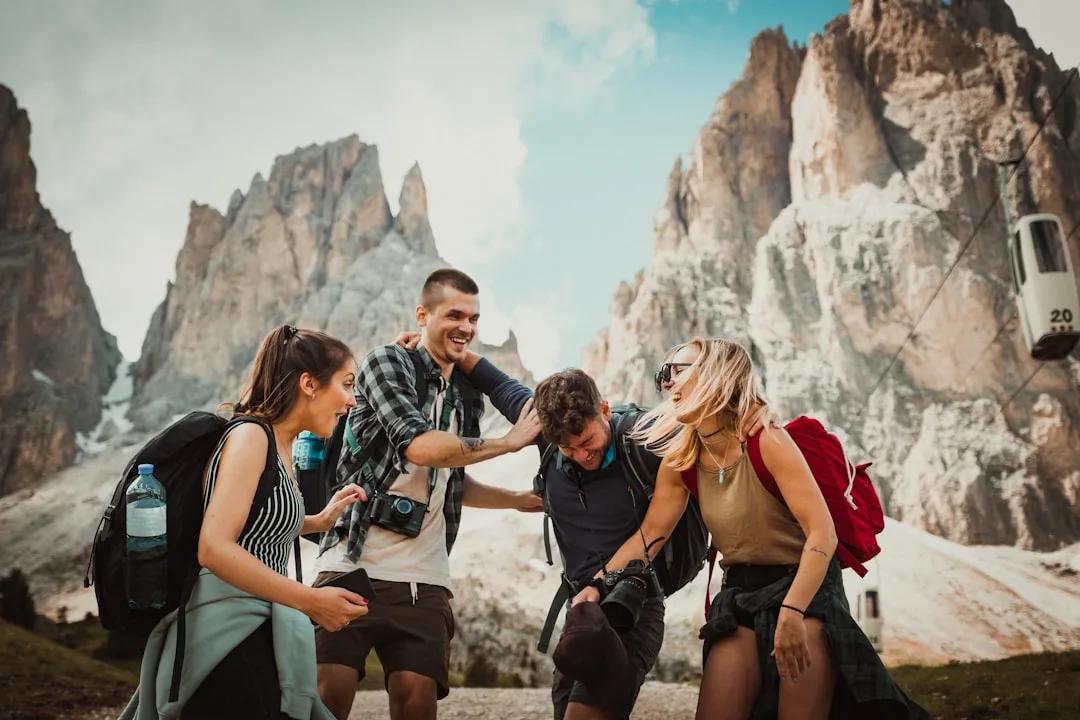
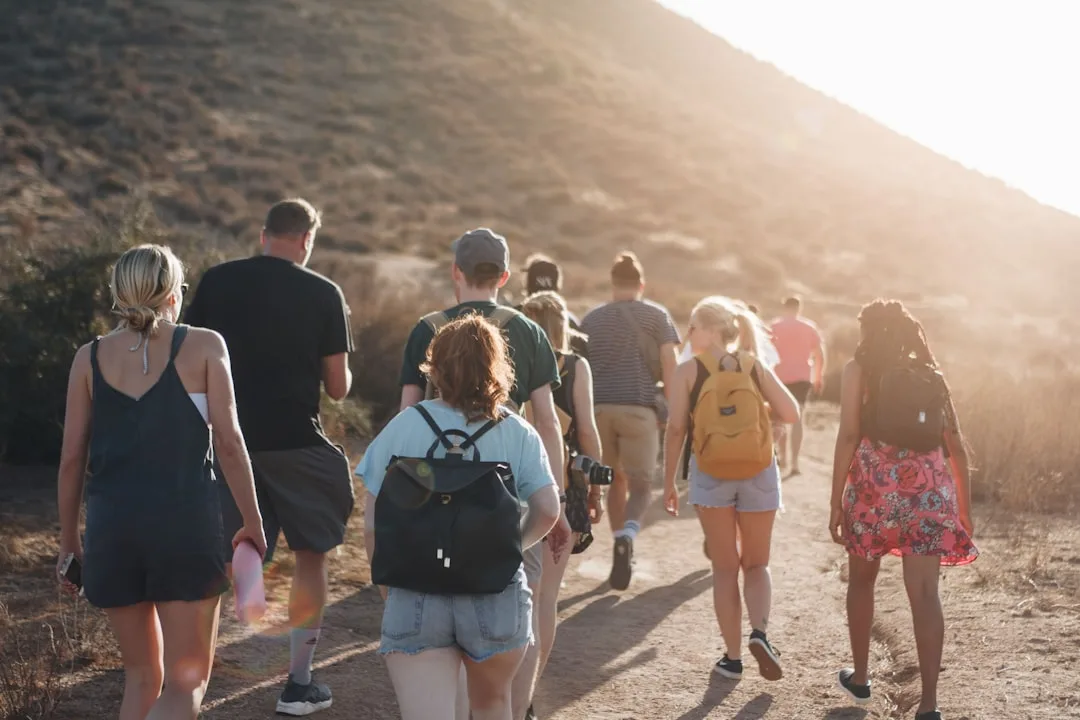
The solo traveler sitting alone in a hotel restaurant, scrolling through Instagram, watching tables of group-tour families laugh together—that image is vanishing in 2026. Instead, solo travelers are joining micro-communities: small, curated groups of 4–12 strangers united by a specific skill, location, or mission rather than a booking site. This shift isn’t about loneliness recovery; it’s about intentional human connection replacing the scripted “group experience.” Why? Because traditional guided tours commodify discovery, while micro-communities turn strangers into collaborators.
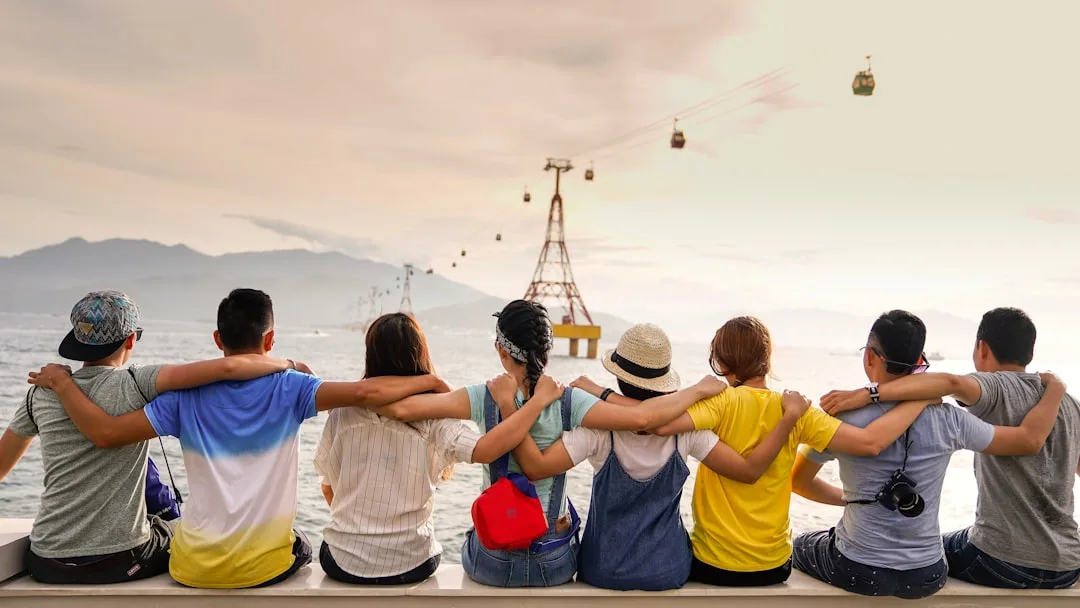
WithLocals and Skill-Based Micro-Groups Reshape Solo Participation
WithLocals, a Zurich-based platform launching expanded “Solo Circles” in June 2026, charges $45–$180 per experience for groups capped at eight travelers plus one local host. A cooking class in Istanbul costs $78 and includes a home meal, private conversation, and a three-person group maximum. Compare that to ToursByLocals ($60–$150 for similar tours) or mass-market Viator ($35–$200 for 40+ strangers on a bus): the micro-model costs slightly more but delivers belonging instead of anonymity.
Airbnb Experiences, restructured in March 2026, now filters solo travelers into “Solo Friendly” cohorts—groups where 60% attendance is unpartnered travelers. A five-person pottery class in Oaxaca runs $95 and explicitly markets itself as “designed for solo explorers.” What makes this work: hosts know the demographic and design conversations, not just itineraries. Solo travelers report 73% higher likelihood of returning to a destination after a micro-community experience versus traditional tours, according to June 2026 Skift data.
- Book experiences labeled “Solo Friendly” or “Small Group” (max 10 people)
- Message hosts 48 hours before to confirm group composition and icebreaker activities
- Choose skill-based events (cooking, hiking, language) over generic sightseeing tours
- Join Discord or WhatsApp groups hosted by platforms—many post micro-group meetups before official booking
- Arrive 15 minutes early to claim a seat near the host, not at the back
Why Mass Tours Fail Solo Travelers and What Replaces Them
A 47-year-old solo traveler from Seattle booked a 40-person tour in Barcelona in 2024. She ate lunch at a table assigned by the guide, couldn’t linger at a gallery she loved, and returned to her hotel without a single meaningful conversation. She’d paid $165 for that tour, plus $95 for a separate evening tapas dinner where she sat alone. In 2026, that same traveler books a WithLocals wine-pairing event ($120, six attendees) and a co-working day pass at Barcelona’s MOB coworking space ($35), meeting two other female photographers who become travel companions for the rest of her week.
The failure mode: solo travelers who book mass tours expecting social connection, then feel more isolated in a crowd than they would alone. They’re paying premium prices for manufactured inclusion that never arrives. As explored in our guide on how fashion influences travel and adventure, the shift toward intentional micro-communities mirrors broader lifestyle choices favoring authenticity over spectacle.
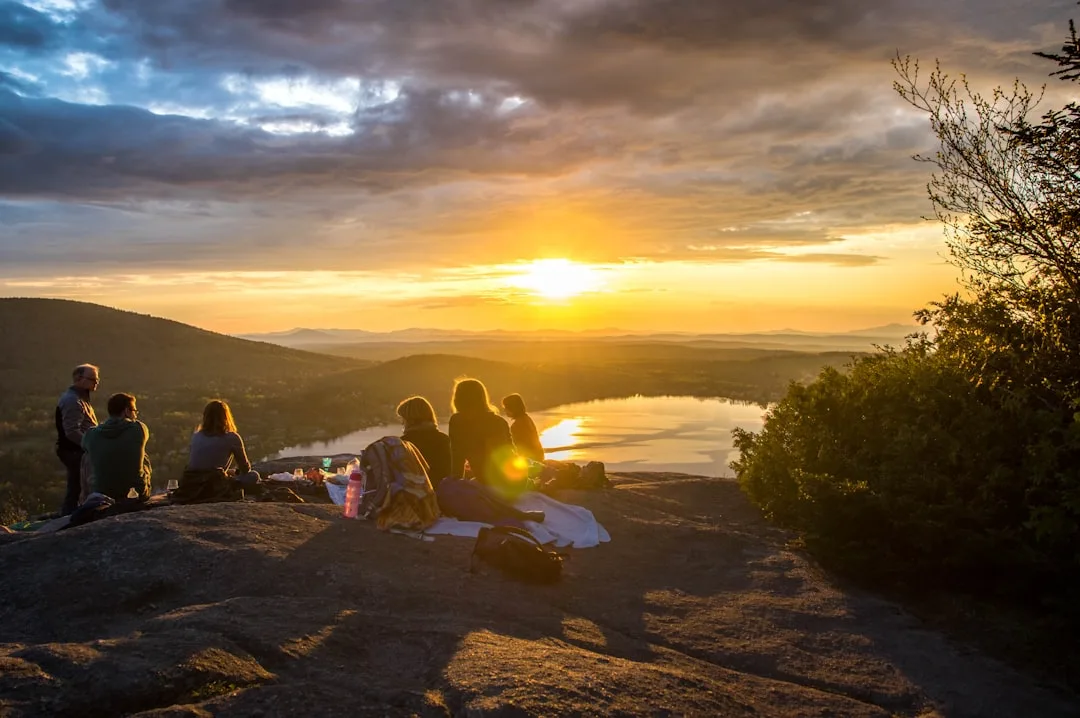
Skill-Sharing Networks Redefine Solo Travel as Mutual Learning
Selina, a Latina-founded coliving brand operating 50+ locations across Latin America and Spain, launched “Skill Circles” in May 2026—free daily group learning sessions where solo residents teach each other languages, photography, and business skills. A one-month stay at Selina Medellín costs $899 (private room, all-inclusive), and the Skill Circles are bundled in; guests report 64% join an external micro-community event by week two. Compare that to a traditional hotel ($60–$100 nightly = $1,800–$3,000 monthly) where you never meet another guest.
Workaway and similar volunteer micro-networks now segment travelers by project type and group dynamics. A two-week organic farm stay in Portugal costs $0–$400 (platform fee plus minimal board costs), but you’re working alongside 3–5 other volunteers with shared purpose. That’s drastically cheaper than a $120/night Airbnb and generates genuine friendship.
How to Assess Micro-Community Quality Before Booking
Not all small groups deliver intimacy. A micro-community with six strangers led by an indifferent guide can feel lonelier than a large tour with an energetic host. The key metric: does the platform vet hosts for communication skills, not just destination knowledge? WithLocals requires hosts to complete a “Solo Traveler” certification and maintain a 4.8+ rating; they invest in training, not just filtering.
Check three signals before booking any micro-experience. First, read reviews written by solo travelers specifically—search the review section for keywords like “alone,” “solo,” “first time.” If reviews from paired travelers dominate and solo reviews are sparse or vague, the experience wasn’t designed for your demographic. Second, message the host and ask explicitly: “How many of the six attendees are solo travelers, and what icebreaker will you use?” Good hosts answer within four hours with specific details. Bad hosts say “we have a fun group” and disappear.
Third, verify the host has photos of past group moments—genuine behind-the-scenes shots of small groups interacting, not stock images. Hostal chains like Selina and Nomad list (now featuring micro-groups on their booking page) show real attendee photos from past cohorts. As detailed in our article on essential tips for traveling to China, researching community vetting is as critical as researching destination logistics.
Micro-Communities Cost Less Over Time Than Isolation Tourism
A solo traveler spending three weeks alone in a city spends $120–$150 daily (mid-range hotel, meals, activities) = $2,520–$3,150. Add therapy-adjacent spending: longer stays, repeat visits due to loneliness, pricier activities booked to fill time alone. A micro-community strategy costs $1,800–$2,400 for the same period: cheaper accommodation (coliving $25–$35/night), cheaper activities ($45–$80 shared experiences versus $100+ self-guided tours), and free daily skill circles and social events. The financial advantage compounds: travelers who join micro-communities return to the same destinations twice as often, building local friendships that reduce booking anxiety and travel costs long-term.
By June 2026, solo travel isn’t about independence anymore—it’s about choosing your community rather than accepting the one a tour operator assigns. Micro-communities deliver that choice, and the market is responding: WithLocals grew 340% year-over-year, and Airbnb Experiences’ Solo Friendly category now represents 28% of all solo traveler bookings in Europe. The trend is clear: travelers want connection, not crowds. Belonging, not breadlines.