Why Shoulder Season Travel Is Reshaping How Smart Travelers Plan Trips
Shoulder season travel moves trips into the weeks between peak and quiet, when prices soften and streets stay lively. Here is why travelers are choosing these months now.
333k+ Lifestyle & Design Ideas
Shoulder season travel moves trips into the weeks between peak and quiet, when prices soften and streets stay lively. Here is why travelers are choosing these months now.
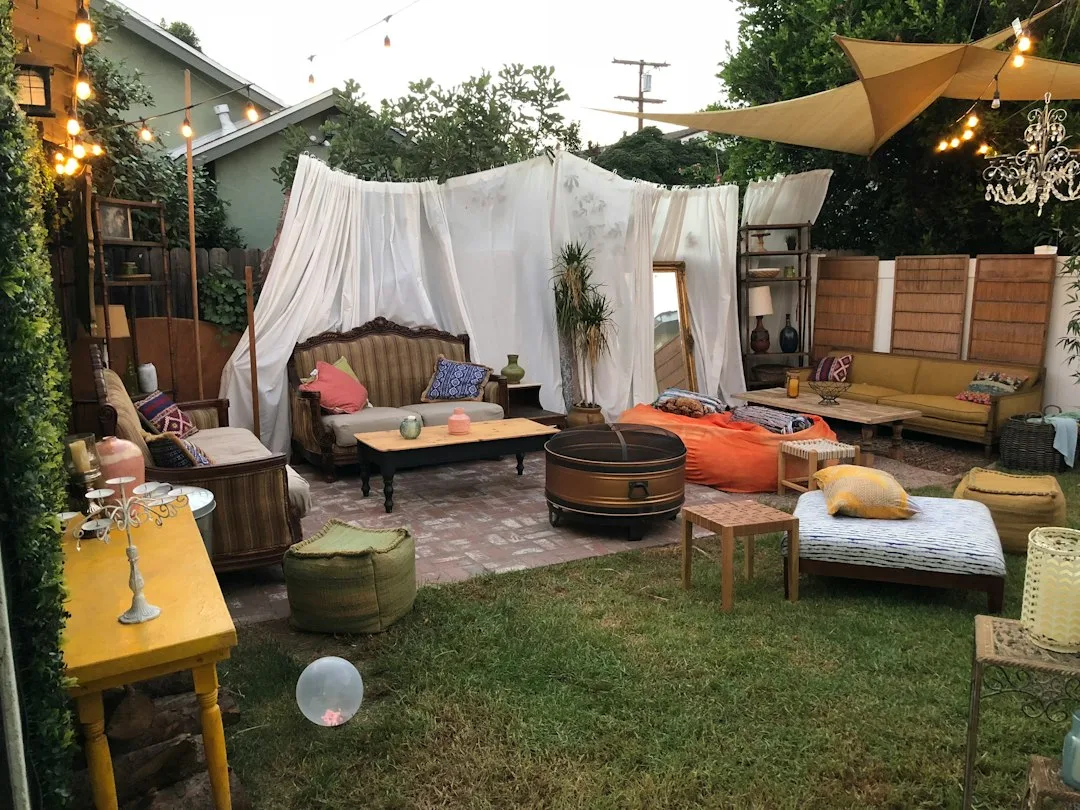
Backyard glamping accommodations are redefining how affluent travelers find luxury without airport stress. High-end glamping setups—from safari tents to heated domes—now compete with resort stays while keeping you minutes from home.
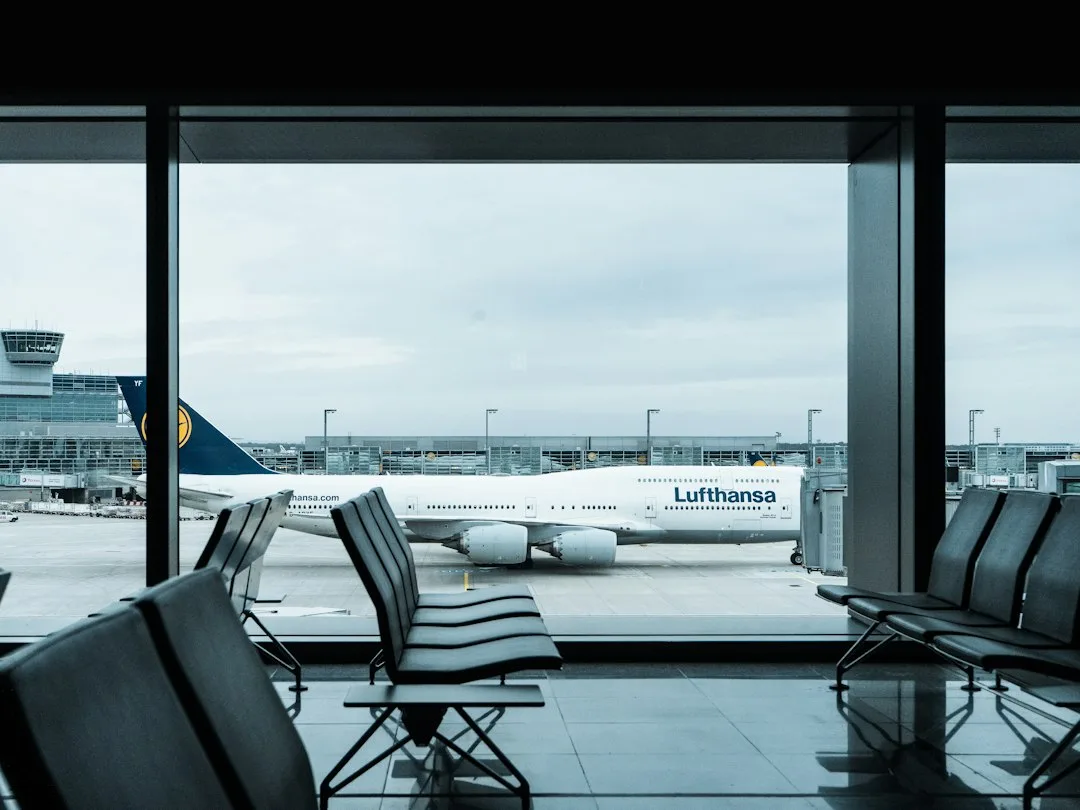
What once meant sitting in departure lounges now means exploring entire neighborhoods. Short-haul flight layover tourism transforms airport layovers into genuine travel experiences, powered by faster regional routes and strategic hub redesigns.
Slow travel tourism Southeast Asia is displacing the seven-country-in-ten-days model. Travelers now anchor in single regions for weeks, building community ties and reducing the carbon waste that defined 2024 tourism.
Travelers are abandoning passive sightseeing for meaningful cultural immersion—staying with local families, learning traditional crafts, and eating where residents eat. This shift reshapes how people understand destinations and return home transformed.
Apartment swaps travel eliminates hotel expenses by exchanging homes with travelers worldwide. This direct peer-to-peer model is replacing traditional hotel bookings for city explorers who want authentic neighborhoods at zero nightly rates.
Family-friendly road trip planning has become the dominant travel trend for North American families seeking affordable, flexible vacations away from crowded airports. Real data shows multi-stop routes with strategic rest points cut backseat stress by 40% versus direct drives.
Regional train passes are replacing point-to-point ticket purchases across Asia, offering travelers access to multiple countries through a single rail pass. In 2026, this shift cuts accommodation hop costs and unlocks slower travel rhythms that international tourists increasingly crave.
Urban rooftop travel escapes are redefining how travelers experience cities in 2026—moving beyond street-level tourism to wellness-focused, design-forward sanctuaries. This shift reshapes where affluent and mid-market travelers actually spend their time when visiting urban destinations.
Bleisure travel destinations are reshaping how professionals extend work trips into longer vacations. By 2026, these hybrid locations now offer co-working spaces, wellness amenities, and flexible accommodation for remote workers seeking both productivity and exploration.
Regional flight hubs are rewriting how travelers build itineraries by creating direct pathways to secondary cities that major carriers ignore. This shift lets you bypass crowded megahubs entirely, cutting travel time and discovering authentic destinations before they hit mainstream radar.
Affluent travelers are abandoning traditional hotel chains for luxury accommodations designed around movement and flexibility. Nomadic luxury properties offer full amenities, curated local experiences, and the freedom to change locations every week—redefining what premium travel means in 2026.
Travel planners are abandoning fixed annual trips in favor of route-based itineraries that follow seasonal passport windows—periods when visa processing accelerates, border wait times drop, and diplomatic openings create windows of opportunity. This shift redefines how frequent travelers structure multi-country journeys around administrative calendars rather than weather alone.
Travelers are abandoning the obsession with distant, expensive destinations. Instead, proximity travel hotspots within driving distance are reshaping summer vacation plans across North America in 2026.
Bleisure travel accommodations—hybrid spaces designed for both work and vacation—are redefining where remote professionals actually book their extended trips. Unlike traditional workations, these properties prioritize seamless office setup and lifestyle balance, not just desk access.
You arrive at the gate two hours early, rolling carry-on in hand, only to find every seat claimed and the charging stations occupied. The departure board flickers. Your flight boards in 90 minutes. This is the moment airport lounge access becomes less luxury and more necessity—and in 2026, the shift is unmistakable. Priority seating, shower … Read more
The solo traveler sitting alone in a hotel restaurant, scrolling through Instagram, watching tables of group-tour families laugh together—that image is vanishing in 2026. Instead, solo travelers are joining micro-communities: small, curated groups of 4–12 strangers united by a specific skill, location, or mission rather than a booking site. This shift isn’t about loneliness recovery; … Read more