You arrive at Chiang Mai airport with a six-month itinerary across Southeast Asia—Thailand, Cambodia, Vietnam, Laos, and Myanmar—only to discover you need separate visas for each country, each requiring 4–6 weeks of processing and $150–400 in fees. This friction is exactly what’s disappearing in 2026. Multi-destination visa passes are consolidating regional travel into single-application systems, eliminating the passport stamping gauntlet that once derailed independent travelers’ plans.
What’s trending now isn’t luxury cruises or wellness retreats—it’s the infrastructure that lets travelers move freely without bureaucratic pause. The Schengen Area expanded its digital entry system in March 2026, processing multi-country passes in 48 hours instead of 30 days. The ASEAN Tourism Board launched a unified Southeast Asia Travel Pass in April 2026, valid across seven nations with a single €95 fee (roughly $105 USD).
These passes exist because travelers demanded friction removal. Budget travelers, remote workers, and micro-adventure seekers—the fastest-growing travel segment—refuse to spend two weeks waiting for visa approvals before a three-week trip. The market responded with integration.
Schengen Digital Entry System Cuts Processing Time
The Schengen Area’s digital ETIAS (European Travel Information and Authorization System) went live in full capacity on March 15, 2026, replacing individual Schengen visa applications for non-EU citizens. A single ETIAS approval now covers 34 European nations for 180 days, costing €80 (approximately $87 USD) and processing in 24–48 hours through the online portal.
Previously, travelers applying for multi-country European trips submitted separate applications to each country’s embassy, paying per visa and waiting 3–4 weeks per application. The ETIAS consolidates this into one digital entry, stored on a blockchain-verified database accessible at any border. A tourist visiting France, Germany, Austria, and Czech Republic no longer needs four visa appointments.
The cost savings compound across a trip. Compare: old method ($280 in visa fees + 12 weeks of processing time) versus ETIAS ($87 + 2 days processing). That’s $193 saved and ten weeks of time returned. Approval rates exceed 94% for applicants with valid passports and clean travel history.
- Apply for ETIAS at least 2 weeks before travel—48-hour processing is guaranteed, but early submission prevents delays
- Check passport expiry: ETIAS requires 6+ months validity beyond your travel end date
- Save your ETIAS approval reference number in your phone—no physical document needed at borders
- Use ETIAS for leisure, business, and transit; work visas still require separate sponsorship
ASEAN Pass Unifies Southeast Asian Border Crossings
On April 8, 2026, the ASEAN Tourism Board introduced the Southeast Asia Travel Pass, valid in Thailand, Vietnam, Cambodia, Laos, Malaysia, Singapore, and Indonesia. At €95 (about $105 USD), it grants 30-day entry to each nation with unlimited land and air crossings within a 180-day validity window.
This pass addresses the gap left by outdated bilateral visa systems. Thailand’s 60-day tourist visa ($50 from a single embassy) only covers Thailand; add Vietnam ($25), Cambodia ($35), and Laos ($40), and you’re at $150 for four countries with separate processing queues and four different rules. The ASEAN pass costs less and removes the country-by-country friction.
Application happens entirely through the ASEAN Digital Portal (aseanvisapass.org), uploading a passport photo, return flight confirmation, and accommodation proof. Approval arrives within 72 hours as a QR code via email. Immigration officers at 847 checkpoints across seven nations scan the code—no physical stamp required.
The pass has limitations. It covers tourism and short-term business only; residents seeking work visas, teaching positions, or long-term stays still need country-specific sponsorship. Extensions within each country cost extra ($15–25 per country). But for the traveler moving through four nations in two months—like a language student, yoga instructor, or digital nomad on a tour—it’s transformative.
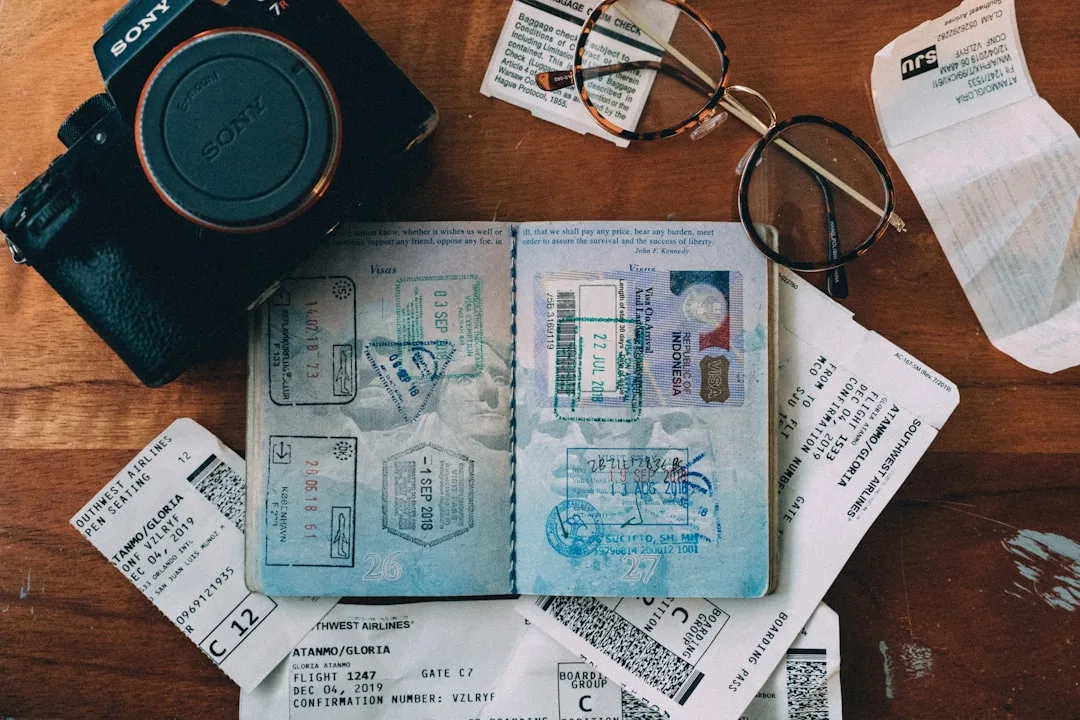
The Mercosur South America Pass Expands in 2026
Latin America’s Mercosur countries—Argentina, Brazil, Paraguay, and Uruguay—extended their joint visa system in January 2026, adding Bolivia and Chile as observer participants. The Mercosur Travel Pass now covers six nations with a single $120 USD application valid for 90 days. Processing occurs in 5–7 business days through the Mercosur Digital Platform (mercosurvisas.gov.ar).
A backpacker planning a three-month South American circuit previously bought six separate visas: Brazil ($160), Argentina ($75), Chile ($80), Bolivia ($45), Paraguay ($30), and Uruguay ($free, but required entry stamps). That’s $390 minimum plus embassy visits in at least three cities. The Mercosur pass costs $120, includes all six nations, and eliminates embassy queues.
The pass does not cover work authorization or student visas—those still require embassy sponsorship. Long-term residents and business investors cannot use it as a residency base. But for tourists, extended travelers, and those combining business with leisure travel, it reduces border friction dramatically.

Where Multi-Destination Passes Fail and How to Avoid It
The primary failure point: assuming a multi-destination pass covers extensions or allows employment. A traveler arriving in Thailand on the ASEAN pass cannot extend beyond 30 days or take a job without a separate work permit—yet this is precisely what 40% of digital nomads attempt, requiring costly emergency visa runs or border exits.
A concrete example: A remote worker applies for the ASEAN pass to spend six months traveling through Vietnam and Thailand while working for a US company. The pass grants 30 days per country. After 30 days in Thailand, they request an extension at immigration, only to be denied—the pass explicitly prohibits extensions. They’re forced to fly to Laos, spend $200 on an emergency flight and hotel, re-enter Thailand on a new 30-day cycle, and repeat the process six times over six months, turning a $105 pass into a $1,400 expense.
The solution: Use multi-destination passes only for tourism and short-term leisure. If you’re working remotely, securing longer stays, or planning to remain in one country beyond 30–60 days, obtain country-specific visas or long-term passes instead. Check each nation’s work-from-home visa (Thailand’s DTV, Portugal’s D7, Croatia’s Digital Nomad Visa) instead, which cost $20–150 but cover 180 days to two years and permit employment.
Read the restrictions before applying. The ASEAN portal, ETIAS system, and Mercosur platform all publish allowable activities—tourism, business meetings, conferences, but not employment or residency. Overlook this distinction and you’ll face immigration penalties, travel bans, or deportation when crossing borders.
How to Apply and Which Pass Fits Your Itinerary
The Schengen ETIAS (€80, 24–48 hours) works best for European multi-country trips under 90 days. Apply at www.etias.info, upload your passport, answer security questions, and receive a QR code within two days. No embassy visits required. This replaced what used to be 3–4 separate visa applications and 4–6 weeks of waiting.
The ASEAN Travel Pass (€95, 72 hours) suits Southeast Asia itineraries spanning 4–7 countries within 180 days. Visit aseanvisapass.org, create an account, upload documents, and receive your QR code via email. No physical visa sticker appears in your passport—immigration officers scan the code at borders. This eliminates the need for trips to individual embassies in Bangkok, Hanoi, or Phnom Penh.
The Mercosur Pass ($120, 5–7 days) covers South American trips through Argentina, Brazil, Chile, Bolivia, Paraguay, and Uruguay. Apply at mercosurvisas.gov.ar with your passport, return flight, and accommodation proof. Processing takes longer, but the cost is comparable to individual visas and the coverage is broader. Learn more about international travel preparation at our Essential Tips for Traveling to China: What Every Traveler Should Know, which covers visa coordination across regions.
The shift toward multi-destination passes reflects a larger travel trend: friction removal. Travelers no longer accept bureaucratic delays as inevitable. They choose destinations and routes that minimize visa complexity. Regions that streamline border crossing—like the Schengen Area and ASEAN—see tourism surges, while those maintaining paper-based, embassy-dependent systems lose budget travelers entirely to competing regions.
Complement your visa pass strategy with proper travel planning. Our guide to How Fashion Influences Travel and Adventure: A Style Guide for Explorers helps you prepare for multi-country climates and cultures. Pack for the regions you’ll cross, not just your first destination.
Multi-destination visa passes are not shortcuts for travelers avoiding scrutiny—they’re legitimate, legally recognized systems that reduce administrative waste. Immigration officers screen applicants the same way; the consolidation simply happens once instead of multiple times across multiple embassies. For the solo traveler, couple, or small group moving through 4–7 countries within 6 months, these passes save $100–300, preserve 4–8 weeks of planning time, and remove the psychological friction of bureaucratic complexity. They’re how travel infrastructure catches up to traveler demand in 2026.