
Last summer, a Chicago businessman watched his suitcase disappear at Atlanta Hartsfield-Jackson International Airport. The airline found it three days later—in San Juan, Puerto Rico. His paper baggage tag had peeled off mid-transit. Had he carried a digital luggage tag with real-time GPS, he would have known within minutes where his bag traveled. Today in June 2026, this scenario is becoming obsolete as digital luggage tags fundamentally reshape how travelers track, recover, and protect their baggage.
Digital luggage tags are not just conveniences; they represent a security and sanity shift in an industry where 1 in 500 bags still goes astray annually. Airlines have quietly begun integrating e-ink and Bluetooth-enabled tags into first-class and premium economy programs. Major carriers partnered with tech manufacturers to test these systems throughout 2025, and rollout across domestic U.S. routes is now standard by mid-2026.
Why trending now? Airlines face increasing liability claims. Travelers demand accountability. Smartphone penetration exceeds 85% globally. The intersection of these forces created an immediate market opportunity worth an estimated $2.3 billion by 2028, according to travel tech analysts. Here’s exactly how this shift works and which products lead the charge.

Real-Time GPS Integration Drives Adoption Across Premium Travel
The Vonmor Smart Luggage Tag ($129) represents the current market standard. This slim credit-card-sized device pairs with any smartphone via a proprietary app. When your bag enters an airport scanner, the tag logs its location. Vonmor’s system uses a combination of Bluetooth range-finding and airport WiFi triangulation to pinpoint your suitcase within 50 meters. At this price point, it replaces traditional luggage tracking services that charge $15–$25 per trip and offer only post-loss recovery, never live location data.
Privacy and Security Considerations for Smart Luggage Tags
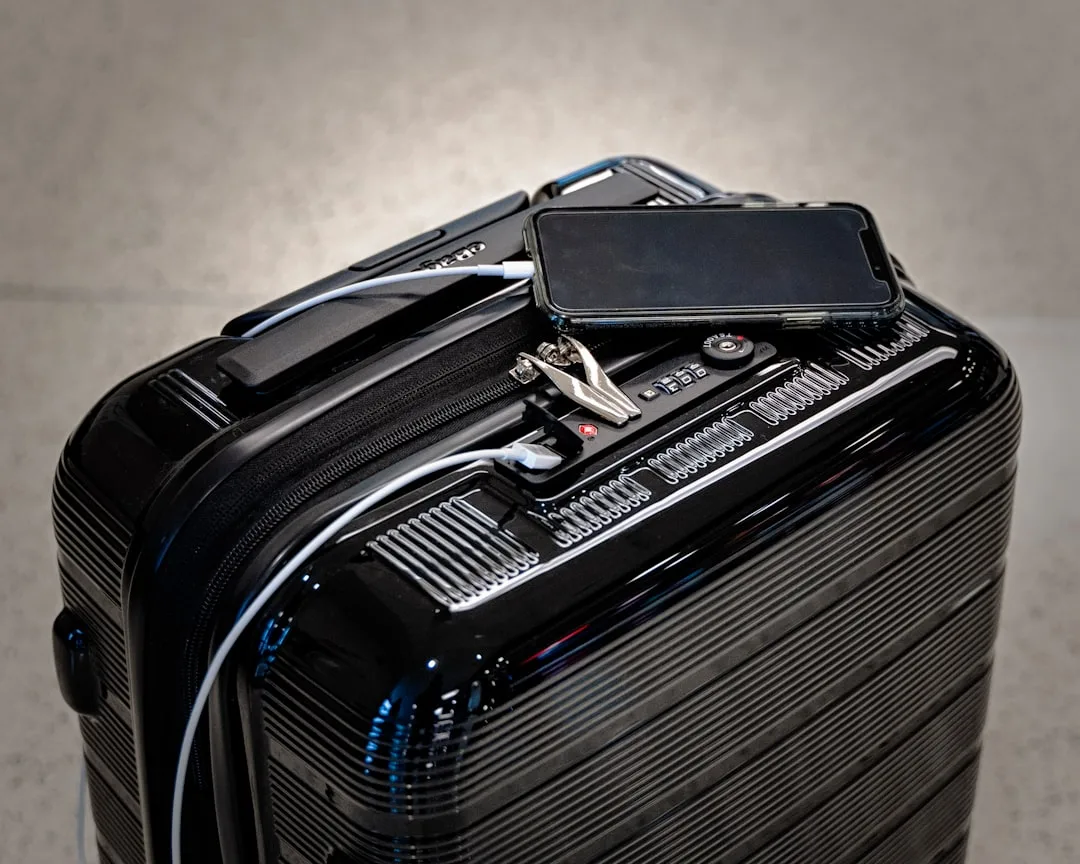
While tracking luggage offers convenience, it raises legitimate privacy concerns. Your suitcase’s location data reveals travel patterns, vacation timing, and even home address when luggage arrives. Vonmor encrypts data end-to-end, but users should verify privacy policies before purchase. AirTag location pings rely on Apple’s servers, and while Apple claims it cannot see your tag’s location, independent security researchers have documented how lost AirTags can be tracked by bad actors using the same Find My network.
The TSA has issued guidance recommending against Bluetooth trackers in checked baggage due to battery concerns, though enforcement remains inconsistent. Always check your airline’s current policies before packing any electronic tracking device. For maximum security, enable two-factor authentication on your tracking account and use unique passwords separate from your main email account.
Installation and Setup Process
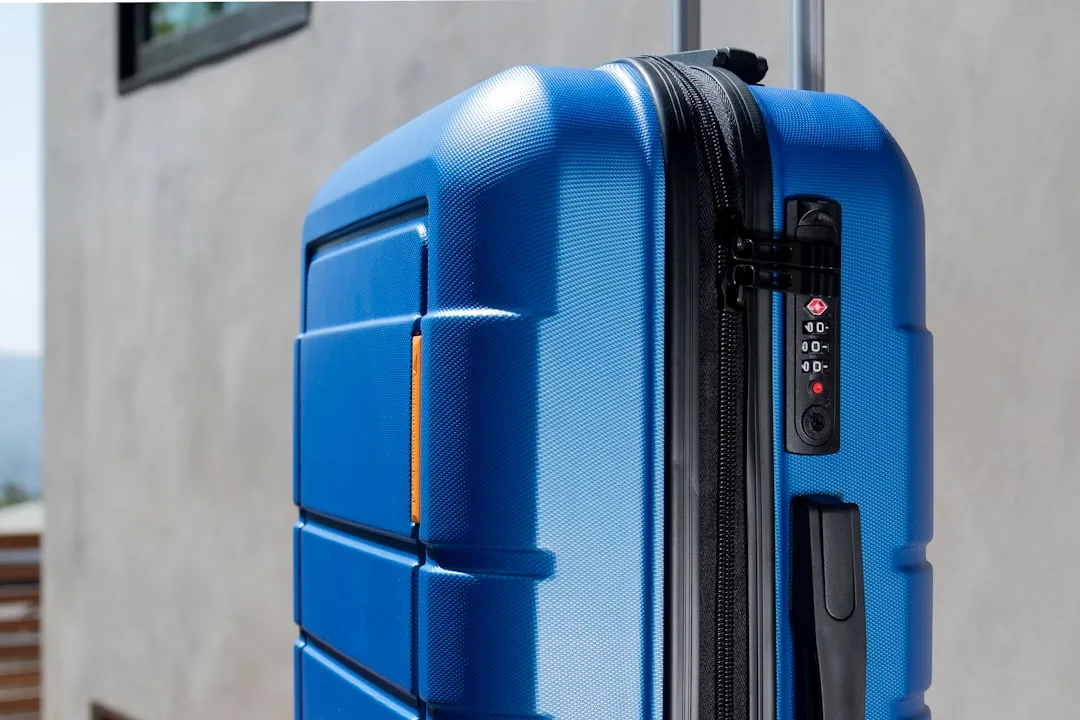
Setting up Vonmor luggage tags takes approximately 5 minutes. Download the companion app (available on iOS and Android), create an account with your email, and scan the tag’s QR code to pair it with your suitcase. The tag’s adhesive backing sticks to any hard luggage surface, though Vonmor also sells reinforced attachment clips for soft-sided bags. Once activated, the tag enters standby mode and begins reporting location every 30 seconds when your luggage moves.
AirTags require only three taps within the Find My app on any Apple device—no separate app download needed. This simplicity appeals to less tech-savvy travelers. However, AirTag setup assumes you already own an Apple device; Android users receive limited functionality through the Tracker Detect app, which cannot provide live location updates.
Cost Comparison and Long-Term Value
The initial investment in luggage tracking technology pays dividends quickly. A single Vonmor tag costs $45–$65 depending on the model, while traditional luggage insurance riders add $8–$12 per trip and cover only partial replacement value. Over five years of travel, Vonmor becomes profitable after just four uses. AirTags cost $29 each, making them the cheapest option upfront, but they lack the specialized luggage tracking features that Vonmor provides, such as pre-trip battery health checks and airline integration alerts.
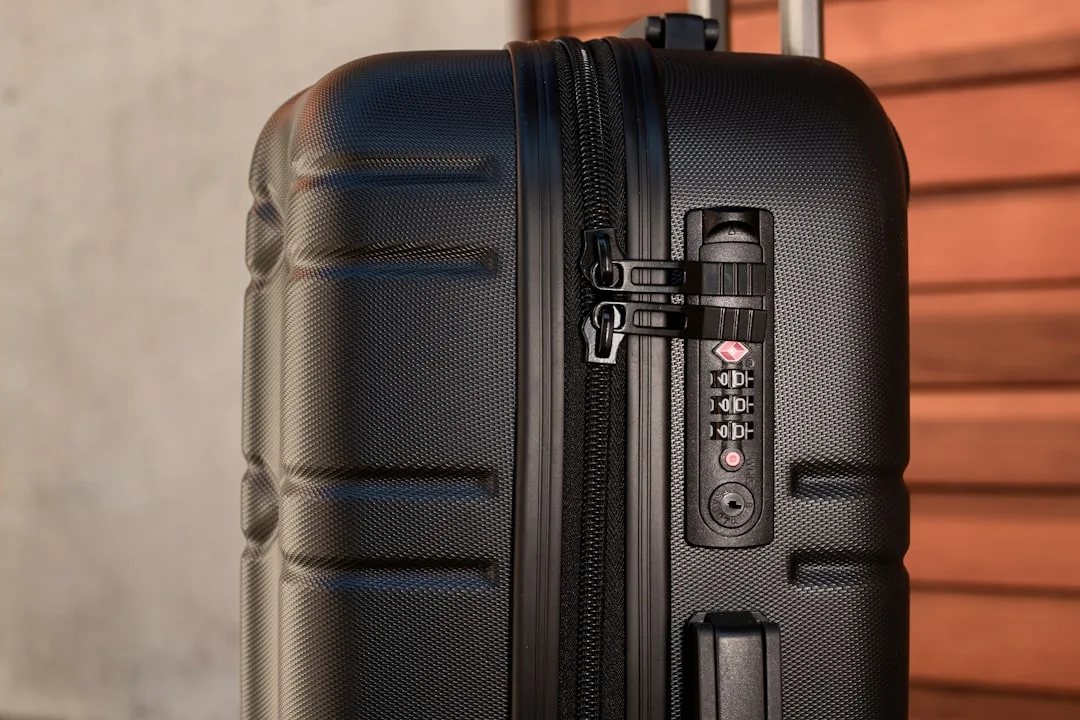
Consider your travel frequency when choosing. Frequent travelers (12+ trips annually) benefit most from dedicated luggage tags with multi-year warranties. Occasional travelers may find AirTags sufficient for their needs. Some premium luggage manufacturers now embed tracking technology directly into suitcases at purchase, eliminating the need for aftermarket tags entirely and typically costing 15–20% more upfront.