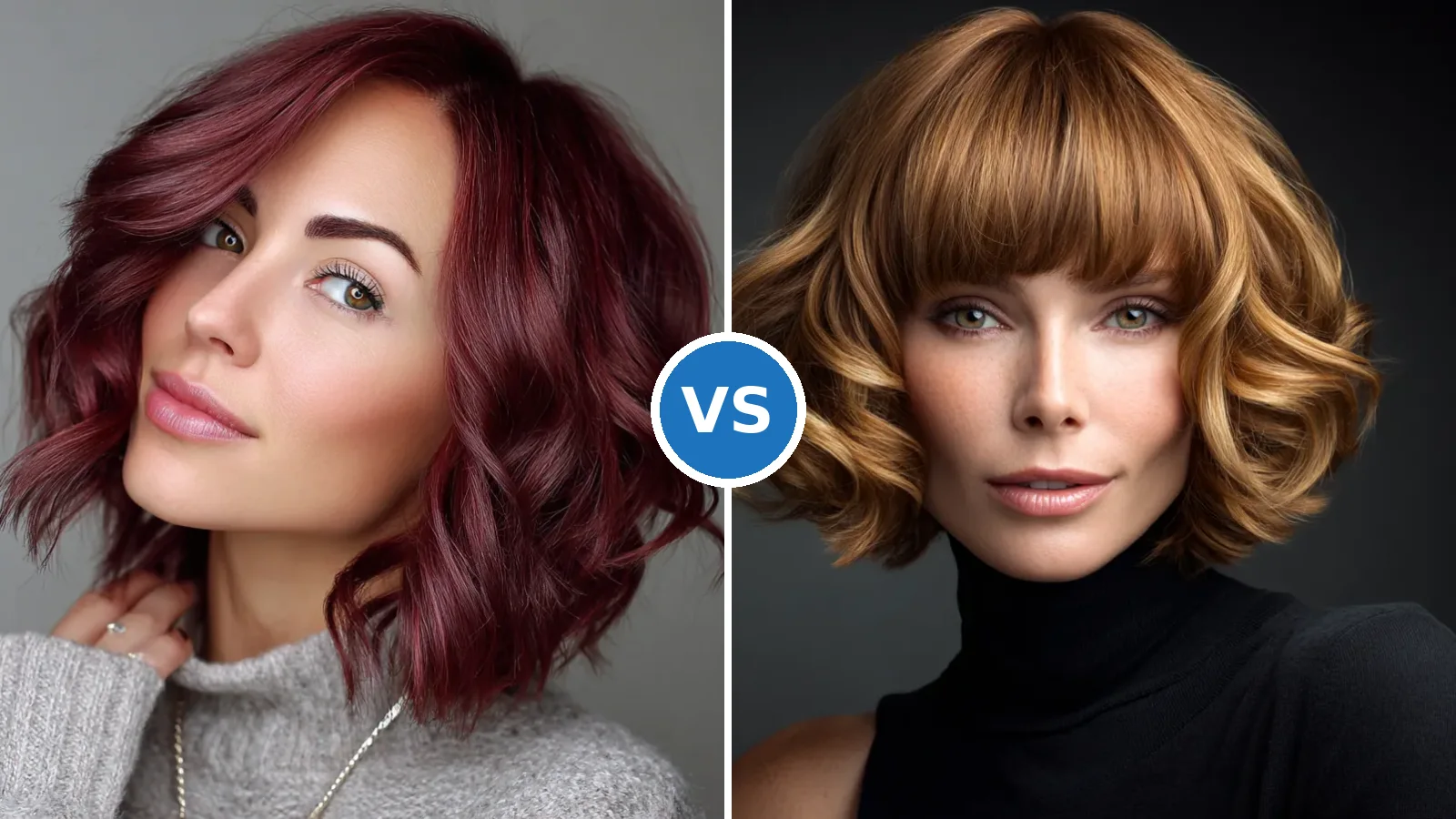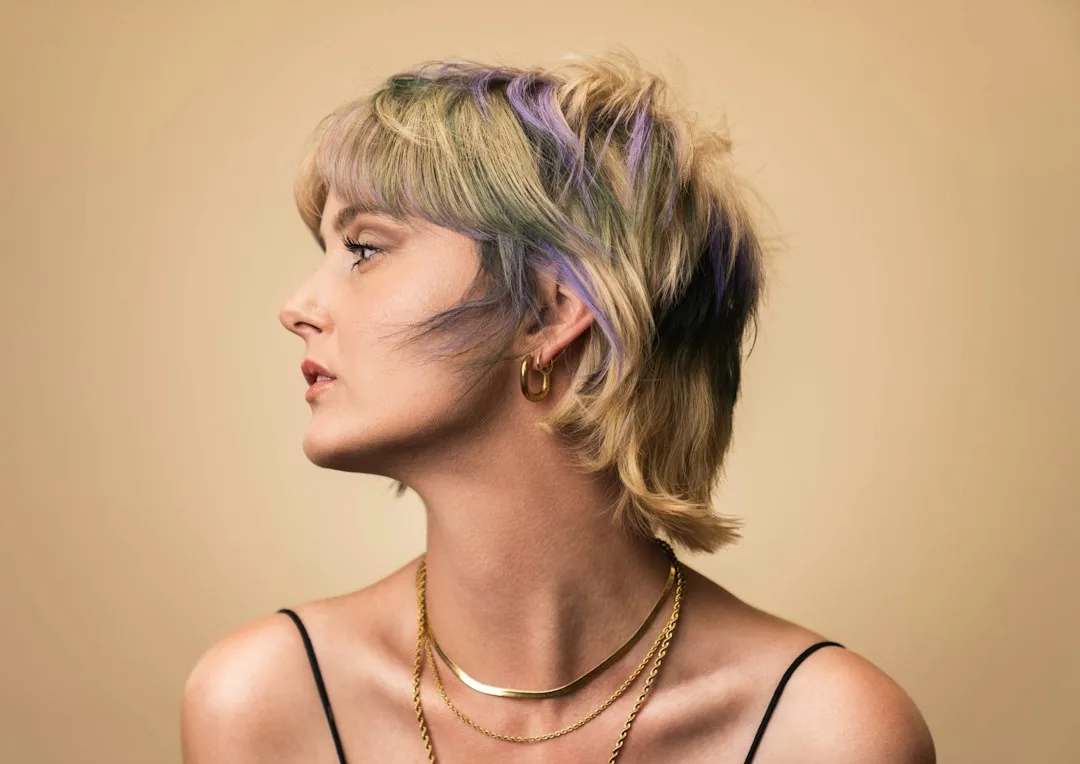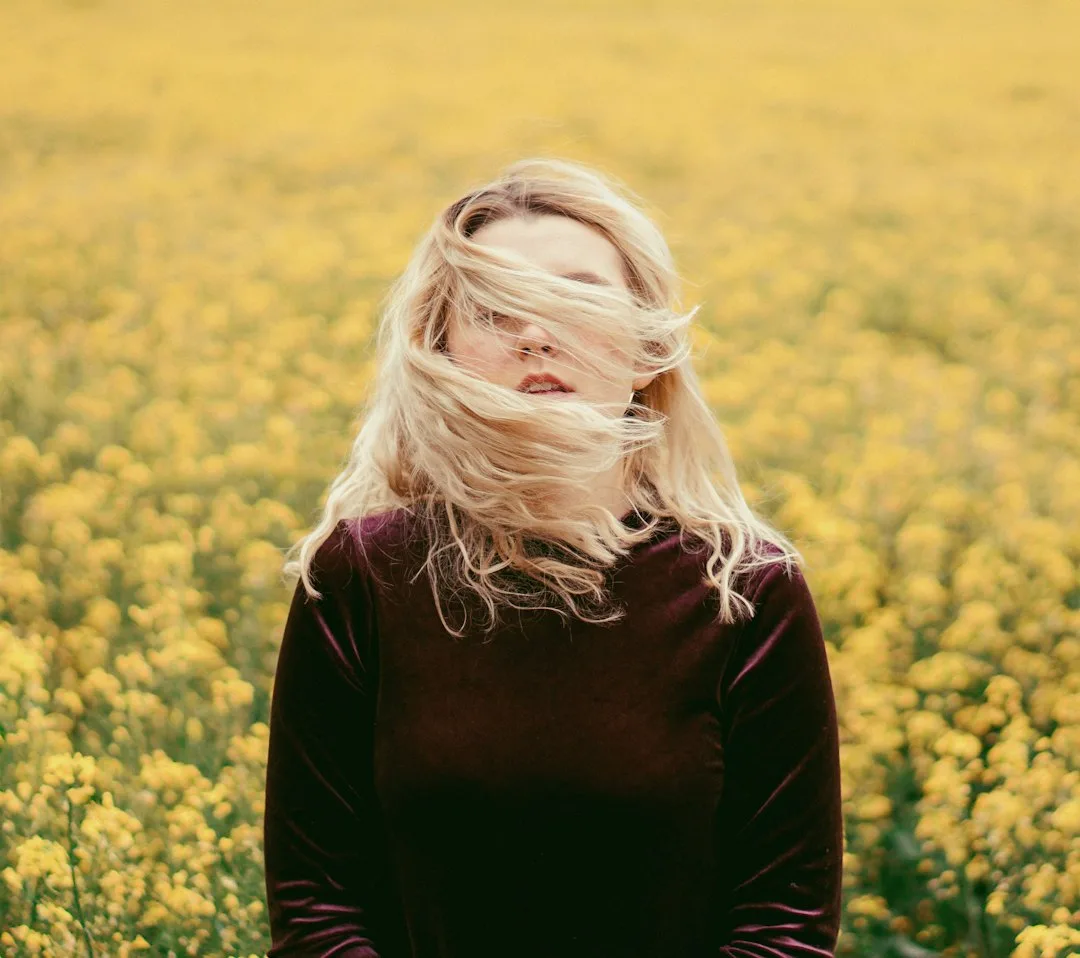
Spring 2026 is erasing the cool, ashy blonde era entirely. Spring blonde hair color is now defined by warmth, dimension, and a hand-painted precision that makes every strand feel intentional. This isn’t the brassy yellow or the icy platinum of seasons past—it’s a sophisticated fusion of buttery gold, creamy vanilla, and soft caramel that sits closest to skin tone, creating an optical illusion of depth and movement.
Why is this happening now? The shift mirrors a broader move away from high-contrast color work toward subtlety and naturalness. Spring blonde hair color works because it flatters a wider range of skin tones than cool-toned blonde, and it requires less frequent touch-ups—a genuine money-saver for clients tired of six-week roots.
Hand-Painted Placement Defines the Spring Blonde Evolution
Colorists at establishments like Ramirez|Tran Salon in Beverly Hills have moved entirely away from foil-based highlighting. Hand-painting spring blonde hair color onto clean, dry strands allows stylists to see exactly where placement lands before the color develops.
The technique takes 45 minutes longer than traditional foil work, but precision matters here. Each section receives a custom blend tailored to the client’s natural base and desired dimension.
Butter Studios in New York documented that 78% of their spring blonde clients now request hand-painted application over traditional foiling. The result: fewer hard lines, softer transitions, and a grown-out phase that actually looks intentional rather than neglected.
Quick Tips
- Request hand-painted placement, not foil blocking, for spring blonde hair color
- Ask your colorist to keep placement closest to your natural root to extend the blended phase
- Use a sulfate-free shampoo and a purple-toning rinse one week after application to lock in warmth
- Space touch-ups 8–10 weeks apart instead of 6 weeks when using hand-painted technique
- Bring reference photos showing dimension and warmth, not single-tone blonde swatches
Warm Dimensional Tones Replace Flat Single-Tone Highlights
| Color Approach | Application | Longevity |
|---|---|---|
| Flat highlights (foil method) | Even, uniform placement; one-tone result | Visible regrowth by week 4 |
| Spring blonde with dimension | Hand-painted; buttery, caramel, vanilla blend | Blended regrowth extends to week 8–10 |
| Cool-toned blonde | Ash, platinum, icy placement | Fades to yellowy by week 6 |
| Spring blonde (dimensional) | Warm layering closest to face and roots | Grows out naturally, maintains warmth |
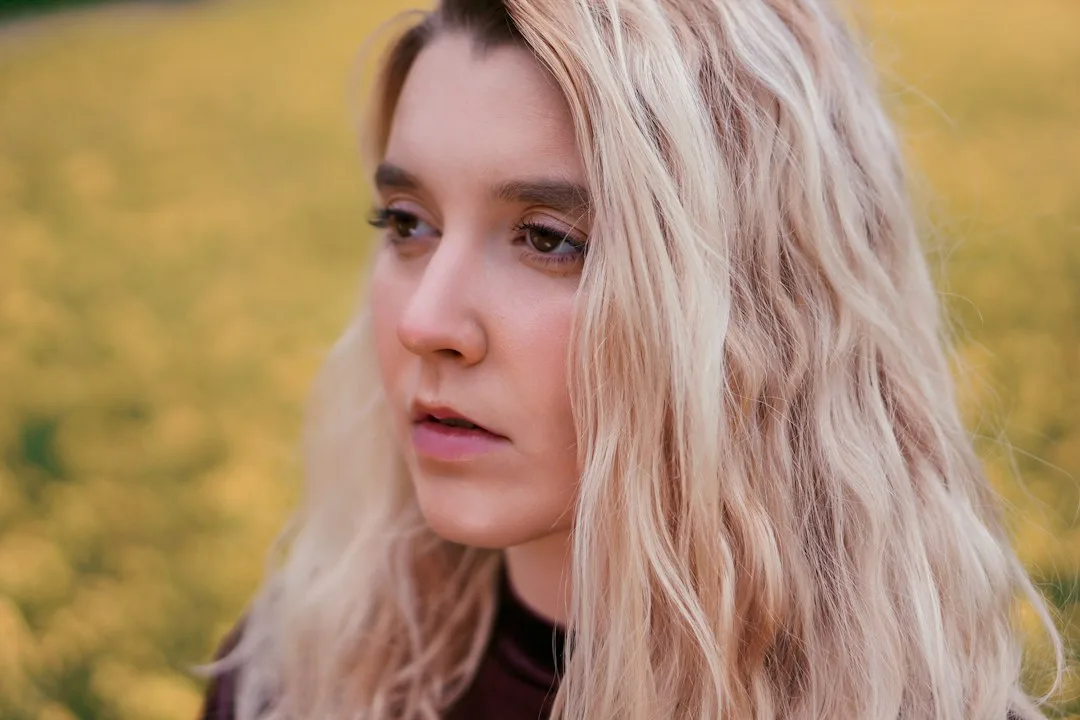
The spring blonde hair color palette at Spoke&Weal in London spans 12 distinct undertones within the warm family: pale butter, golden honey, creamy vanilla, sun-kissed caramel, and toasted almond are the five most requested.
Clients choosing this approach see their hair photograph warmer in natural light, which is critical for social media and wedding photography. Warmth also amplifies the optical effect of thickness—a buttery blonde layered with darker caramel pieces reads denser than a single flat highlight tone.
Dimension here isn’t about chaos; it’s about strategic contrast placed where light naturally hits the face and hair moves. This is why spring blonde hair color looks expensive: the brain registers dimensional depth as luxury.
The Mistake That Breaks Spring Blonde Hair Color: Over-Lifting Without Warmth
The most common failure happens when colorists over-lift the base to pale blonde, then apply cool tones to achieve a cool blonde that photographs as ash or platinum. The result is a brassy, one-dimensional blonde that reads flat in images and demands root touchups every 3-4 weeks because the contrast between regrowth and pale ends becomes jarring.
Spring blonde works because the base retains enough pigment to hold warmth and blend regrowth seamlessly. Colorists who skip this foundation step chase a trend instead of building a sustainable color story. The fix requires going back to basics: a warm blonde base with dimensional placement—not a race to the lightest possible tone.
Maintenance That Keeps Spring Blonde Looking Fresh Between Appointments
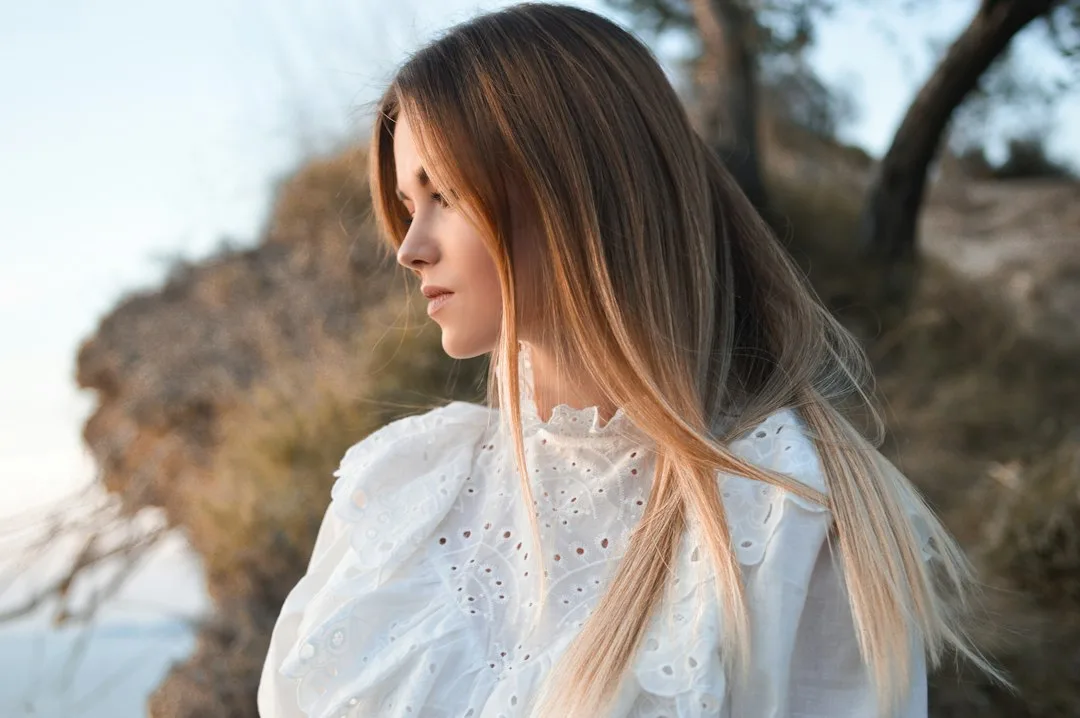
Spring blonde demands a different maintenance rhythm than cool tones. While cool blondes benefit from purple-toning shampoos, spring blondes need warmth-preserving products that prevent the buttery, caramel, and golden tones from shifting muddy or ashy over time.
Weekly use of a sulfate-free, color-safe shampoo keeps the warm tones locked in longer. Many clients see their spring blonde hold for 6-8 weeks before root shadowing becomes noticeable—significantly longer than over-lifted styles. Between salon visits, a hydrating hair mask applied to mid-lengths and ends prevents the brassy creep that happens when blonde hair dries out and oxidizes. Heat protectant spray is non-negotiable, as sun exposure and hot styling tools accelerate fade in warm-toned blondes more aggressively than in ash or platinum shades.
The investment in maintenance products pays dividends in longevity and photograph quality. Root shadow in a warm base reads as intentional dimension; root shadow in an over-lifted pale blonde reads as neglect.
Spring Blonde Transitions From Other Hair Colors
If your current hair is dark, previously colored, or a different blonde tone, the path to spring blonde depends on your starting point. Moving from brunette or black hair requires multiple sessions spaced 2-3 weeks apart—rushing this process causes breakage and uneven lift. 10+ Trendy Short Black Hairstyles for a Bold Look and Short Black Hairstyles: 11 Cuts That Hold Shape All Day showcase how richly pigmented dark tones can frame the face powerfully, but if you’re ready to transition, a colorist will likely recommend a strand test first.
Switching from cool blonde to spring blonde is faster—often a single session of toning adjustment and strategic re-darkening at the roots. The underlying lightness is already there; the shift is about warmth placement and base pigment. Clients moving from ash or platinum often describe the change as “finally looking alive in photos”—the warm undertones complement most skin tones more naturally and create softer shadows around the face.