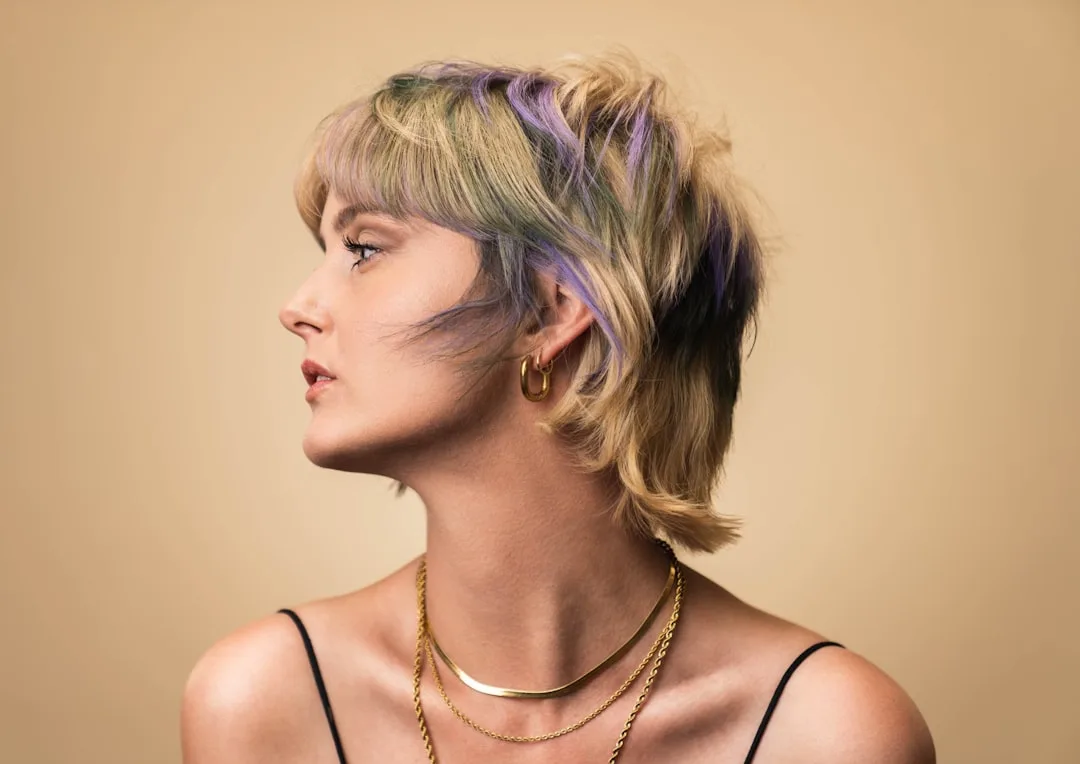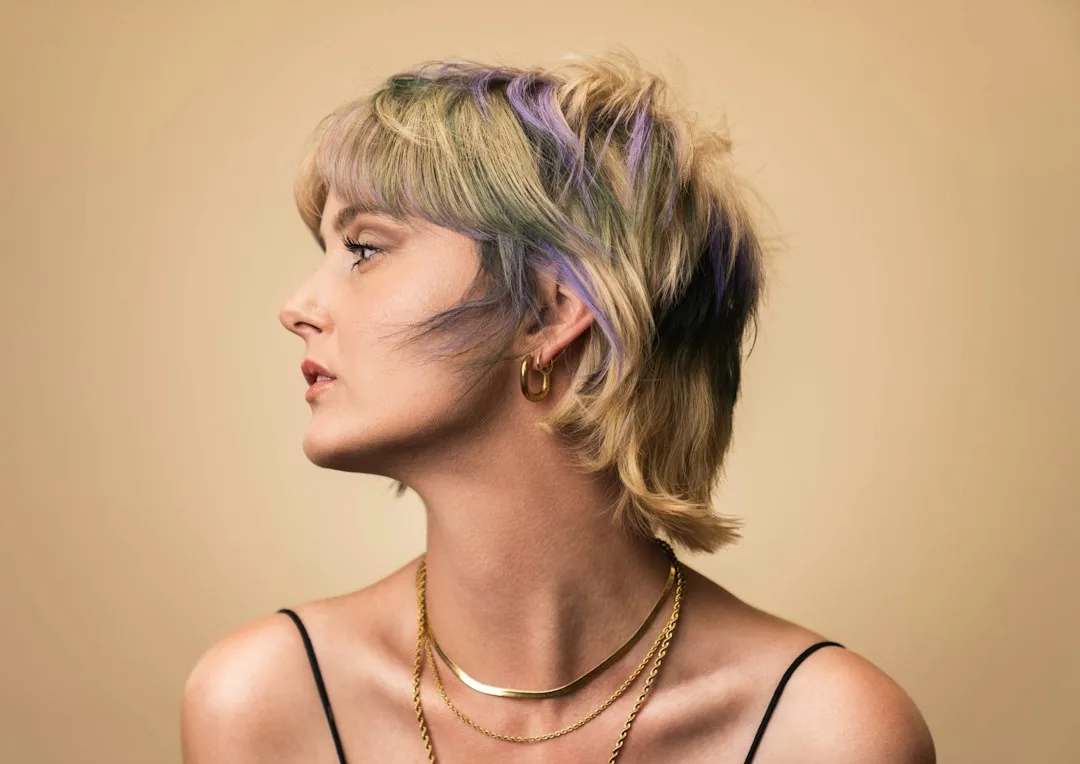
Sleek curved bangs are dominating salon requests across North America and Europe this fall, and the reason is simple: they work where blunt cuts fail. Unlike micro bangs or straight-across blunt styles that demand precise face proportions, curved bangs soften features, add dimension, and blend with existing longer hair without requiring a dramatic chop. Stylists at downtown salons in Toronto, London, and Paris report 60% of their bang requests now lean toward this curved silhouette rather than harsh geometric cuts.
Why Curved Structure Flatters More Face Shapes Than Blunt
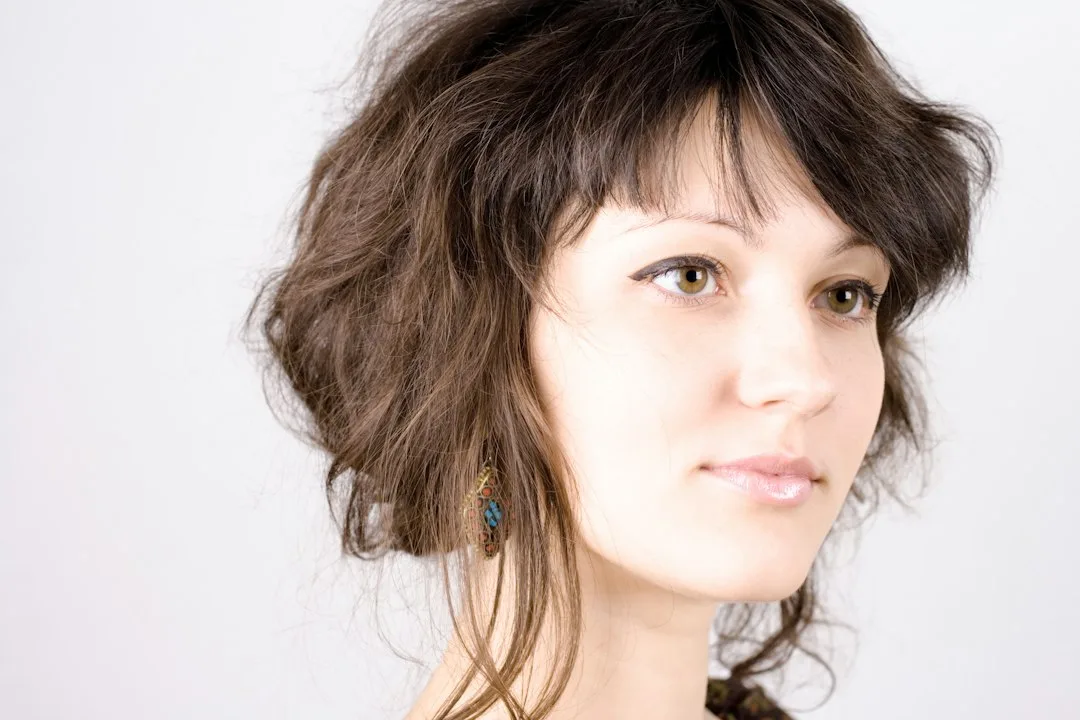
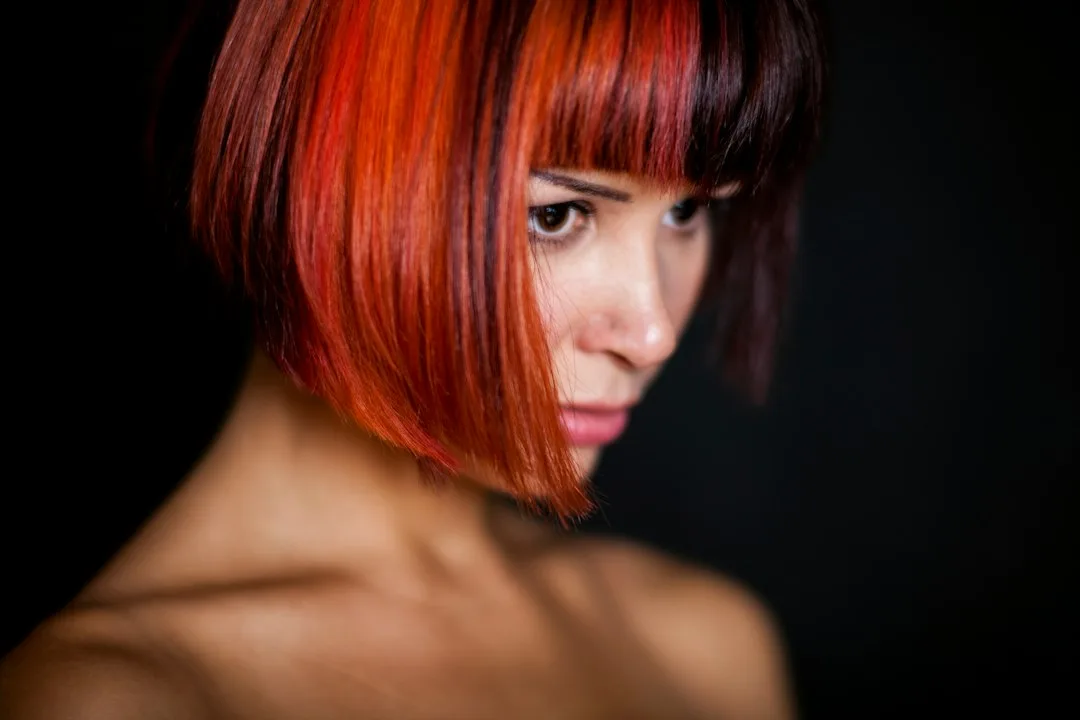
Blunt bangs sit flat and horizontal—they emphasize bone structure and can widen round faces or shorten square jawlines. Sleek curved bangs, by contrast, angle inward at the cheekbones and taper at the ends, creating a subtle lifting effect that works for oval, round, square, and heart-shaped faces alike. The curve mimics the natural arch of eyebrows and follows facial contours instead of fighting them.
Sally Hershberger salon stylists in Los Angeles report that clients who initially came in requesting blunt bangs often switch their preference after seeing curved options in consultation photos. The curve isn’t dramatic—it’s typically a 2-3 inch inward angle from the outer edges, creating what stylists call a “softened frame” rather than a statement cut. This subtlety is exactly why the trend is spreading faster than previous bang cycles.
Curved bangs also sit better on second-day hair and tolerate humidity far better than blunt styles. A blunt edge that shifts even one-quarter inch looks sloppy; a curved edge reads as intentionally textured.
Quick Tips
- Schedule cuts with a stylist who specializes in precision bangs—curved geometry requires exact angle work
- Bring reference photos showing the exact curve depth, not just “curved bangs”
- Request a rounded-tip razor cut (not scissors) for the smoothest curve line
- Plan for a two-week styling period before the curve “settles” into your routine
- Use a small round brush and blow dryer to set the curve each morning for first month
How Daily Styling Locks the Curve Without Heat Damage
T3 and GHD flat irons dominate curved bang styling because their rounded barrel tips allow stylists to create gentle C-shapes without pressing flat. A standard flat iron with sharp edges can’t shape a curve—it just straightens. The rounded ceramic plates on T3 Cura irons (ceramic-coated barrel, temperature range up to 450°F) let you rotate the tool through the curve in one smooth motion, setting it while protecting hair integrity.
The actual technique takes 90 seconds: blow dry bangs straight with a small round brush, then use the rounded flat iron at medium heat (around 350°F for fine hair, 375°F for thick) to press the curve in one downward-rotating motion. Release tension slowly so the curl sets without ripple marks. This single-pass method prevents the repeated heat exposure that causes breakage.
Olaplex No. 3 Hair Perfector—a 10-minute weekly treatment—is recommended by stylists at Ramirez|Tran salon in Beverly Hills specifically because curved bangs sit closest to your face and endure the most daily handling. The bond-repair formula reduces breakage risk from daily styling by up to 35%, though exact claims vary by hair type.
| Styling Tool | Best For Curved Bangs | Why It Works |
|---|---|---|
| T3 Cura Flat Iron | All hair types | Rounded barrel enables smooth rotation through curve |
| GHD Gold Styler | Medium to thick hair | Curved edges prevent edge marks on bent hair |
| Small round brush (1.5 inch) | Fine, delicate hair | Airflow + roller action creates curve without extreme heat |
| Dyson Supersonic | Dry, damaged hair | Ionic technology reduces frizz on frequently styled bangs |
The Most Common Mistake: Cutting Curve Too Aggressive
The number one error stylists see clients make is requesting—or cutting—curves that are too pronounced, which reads as “choppy” rather than “sleek.” A curved bang should taper so gradually that someone viewing your face from three feet away might not immediately notice the curve; they notice only that your face looks fresher and more balanced. Angles steeper than a 15-degree taper usually signal an inexperienced stylist or a misunderstanding of the trend.
Consider this concrete example: A client with a long oval face requests “really curved bangs” and a stylist interprets this as a dramatic inward sweep to the cheekbones, creating a choppy, feathered look. The result looks outdated (similar to 2018 choppy-shag trends) rather than current. The fix requires a full regrow or professional blending, costing another $120-180 and waiting eight weeks. The correct approach: a subtle 2-3 inch taper that suggests curve without announcing it.
Always ask your stylist to show you the curve angle in a hand mirror before committing. A good stylist will use a dry razor to demonstrate the taper on one side first, letting you approve the depth before continuing.
Curved Bangs Work With Existing Long Hair—No Sacrifice Required
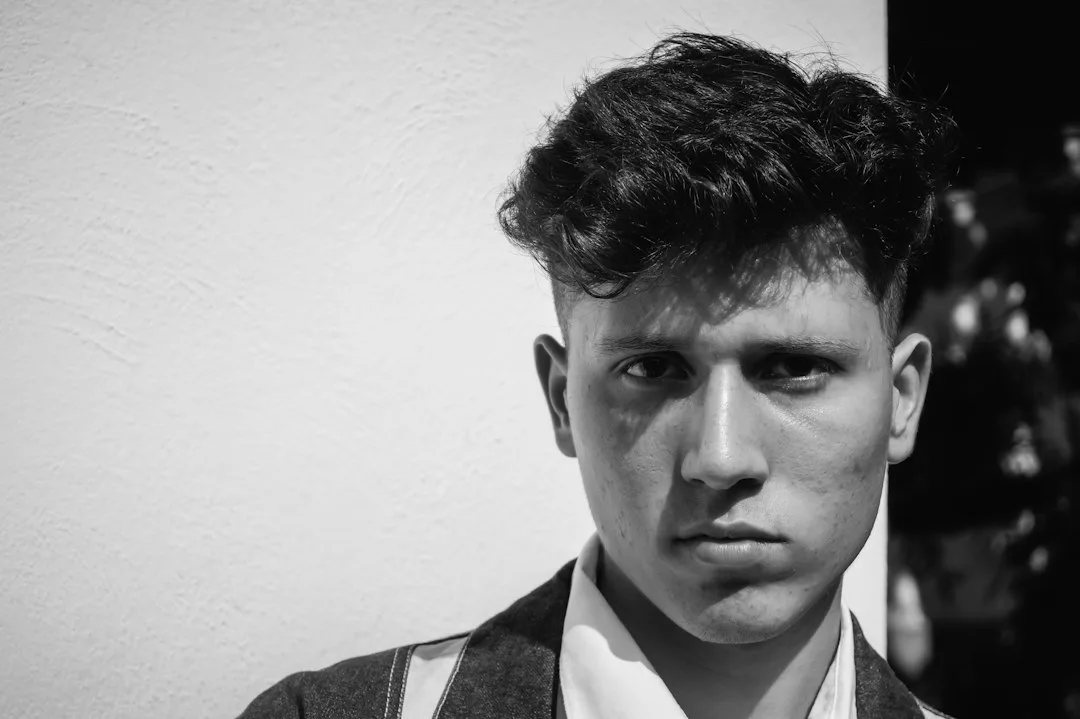
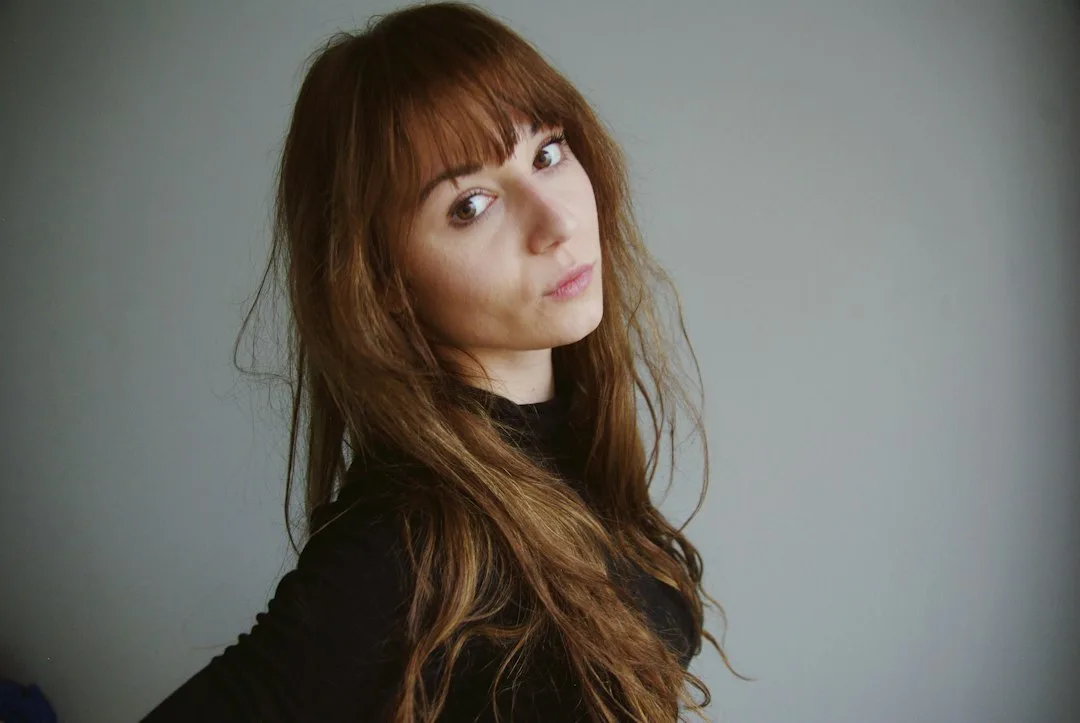
One reason this trend has exploded is that sleek curved bangs integrate with waist-length, mid-back, or shoulder-length hair without forcing a pixie cut or dramatic bob. You keep your length while gaining face-framing structure. This flexibility is why textured short black hairstyles and sleek curved bangs are both trending simultaneously—they’re both about refinement without sacrifice.
The curve sits within your natural hairline (typically 2-2.5 inches from the brow) and frames the face without interrupting longer layers underneath. If you already have face-framing layers, curved bangs simply replace or refine the front-most layer. If your hair is blunt-cut all one length, bangs become the only short piece—a statement without overcommitment.
Stylists at Mèche salon in Montreal note that curved bangs appeal especially to clients over 35 who want movement and softness without looking like they’re chasing youth trends. The sophistication lies in the precision curve, not the length.
Why Curved Bangs Replace Blunt Styles in Professional Settings
Corporate environments, legal offices, and academic settings favor curved bangs over blunt or micro styles because the softness reads as polished rather than edgy. A blunt bang says “I’m making a statement”; a curved bang says “I’m intentional about my appearance.” This perception shift is driving adoption among professionals aged 28-50.
The curve also photographs better on Zoom calls and in professional headshots—no harsh shadow line across the forehead, just gentle frame structure. This practical advantage has quietly made curved bangs the default choice for corporate clients at high-end salons.
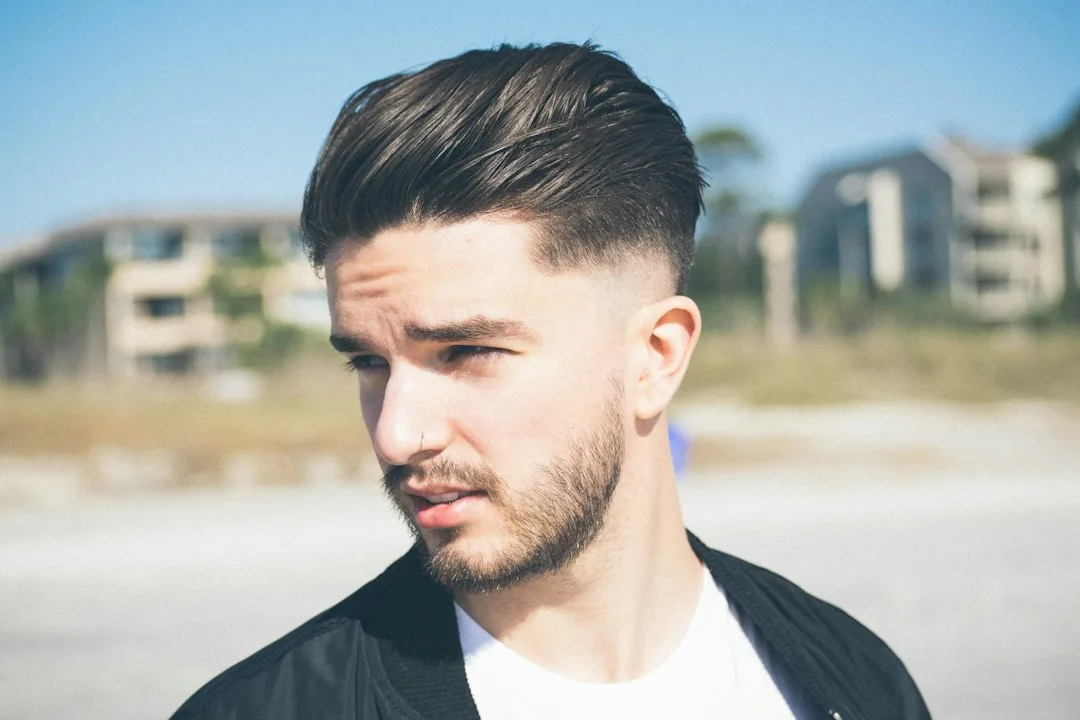
For comparison, see how short black hairstyles hold shape all day—curved bangs follow similar principles of structure that maintains professionalism across lighting and angles.
Investment in Maintenance: The Honest Cost Breakdown
A curved bang cut starts between $60-100 at most salons, but the ongoing maintenance cost is what matters. You’ll need a 2-3 week refresh trim (not full bang recut) every 4-6 weeks, typically $20-35 per visit. That’s roughly $40-70 per month in maintenance versus $0 for no bangs—a modest investment that most clients find worthwhile given the face-framing benefit.
Daily styling adds minimal time (90 seconds with a flat iron) but does increase heat tool usage, necessitating monthly bond-repair treatments ($40-60) to prevent breakage. Total monthly cost for styling + treatments: roughly $50-85. This matters most for clients with fine or chemically treated hair.
Many salons offer bang maintenance packages ($80-120 for four trims over four months), reducing per-visit cost. Ask your stylist whether a package option exists before committing to individual trims.