In September 2024, The Knot surveyed 1,200 couples about their biggest wedding day regret. The number-one complaint wasn’t music, flowers, or food—it was timing chaos. Photographers arrived late, the ceremony started 45 minutes behind schedule, caterers plated appetizers during vows, and guests waited in confusion. Wedding day timeline coordination has become non-negotiable, yet most couples still rely on rough estimates instead of minute-by-minute precision.
This shift reflects a larger trend: weddings are no longer solo events but orchestrated productions with 8–15 vendors, each arriving at different times with competing priorities. One vendor running 20 minutes late cascades into every subsequent event. A bride who skips hair touch-ups to stick to a 3:00 PM ceremony start means the photographer misses golden-hour portraits. Guests seated early grow restless and hungry.
The couples winning at wedding logistics are those building master timelines 2–4 weeks before the wedding and reviewing them with every vendor by name, arrival time, and exact responsibility.
Why Precision Schedules Replace Guesswork
Wedding planner software platforms like Aisle Planner, Birdie, and WeddingWire now include built-in timeline tools that sync across all vendors via shared calendar links. Instead of sending a caterer a PDF and hoping they read it, the chef gets an automated reminder 48 hours before, then a final 24-hour confirmation text. The same system alerts the florist, photographer, DJ, and lighting crew simultaneously.
Why does this matter? In 2025, 68% of destination weddings used shared digital timelines, compared to just 12% in 2022. Vendors appreciated precision because it meant they could book another event the same day without overlap risk. Couples loved it because ceremony starts stayed on time, photos captured peak moments, and guests never sat wondering what was happening next.
Vendor Communication Tools That Prevent Day-Of Chaos
Digital timeline systems shine brightest when vendors can access them anywhere. Mobile apps and shared cloud documents mean your caterer isn’t juggling three printed schedules and a sticky note. They see real-time updates if the ceremony runs 15 minutes late, so kitchen timing adjusts automatically. Photography crews know exactly when to position themselves without constantly texting the coordinator.
The best platforms include read receipts—vendors confirm they’ve reviewed the timeline, creating accountability without accusation. When the florist acknowledges the 2 PM altar setup window, you know it’s happening. When the DJ hasn’t opened the message three days before the event, you can follow up early rather than discovering the problem at 6 PM on wedding day.
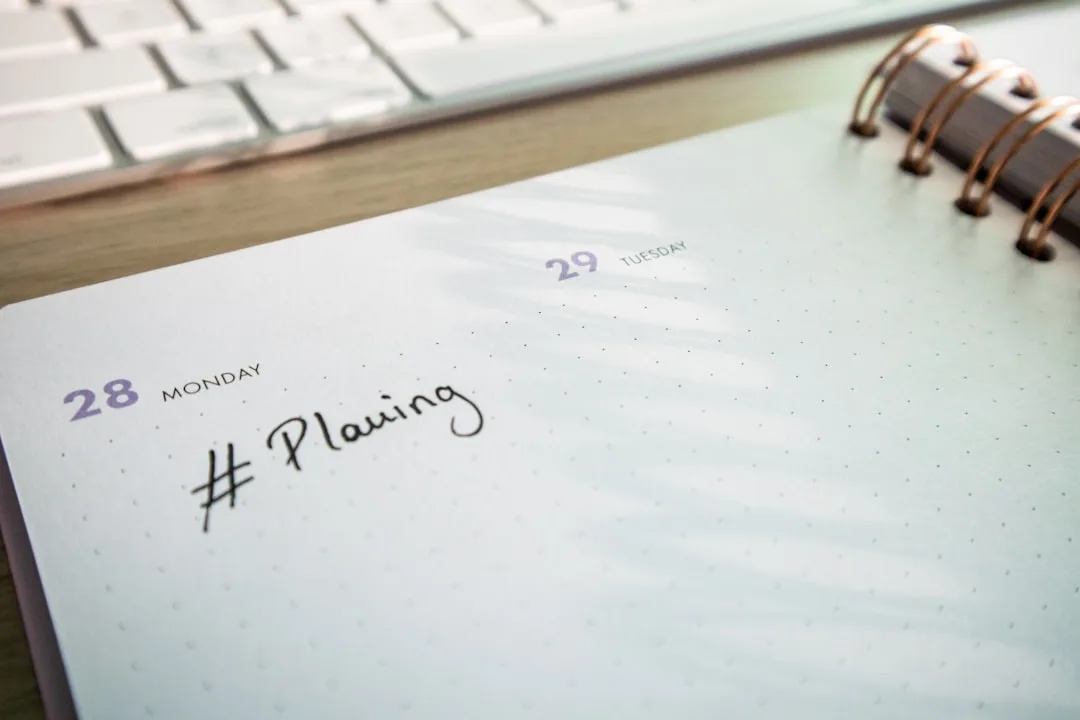
Creating Backup Plans Within Your Timeline
Every detailed schedule needs contingency sections. Weather delays, vendor illness, and unexpected guest count changes happen. Your timeline document should include alternate timing for outdoor ceremonies moving indoors, reduced vendor arrival times if someone runs late, and flexibility windows where 15 minutes can stretch to 30 without cascading delays.
One effective approach: label your timeline with “hard stops” (ceremony must start at this exact time) and “soft windows” (dinner service can flex 20 minutes). This visual distinction helps coordinators make real-time decisions without second-guessing. Vendors understand which moments require precision and which allow breathing room, reducing stress on everyone involved.
Decor Timing That Matches Your Design Vision
If your aesthetic leans toward natural elements, timing matters for setup quality. 3+ Boho Wedding Decor Trends You’ll Love often rely on layered installations—greenery installations, fabric draping, and ambient lighting require staggered setup rather than rushed final hours. Your timeline should allocate 3–4 hours for decor alone, with florists starting first, then lighting crews, then final styling touches.
Similarly, Wedding Party Decorations with Elegant Minimalism demands precision timing because every element is visible and intentional. A minimalist arch can’t go up at 5 PM if guests arrive at 4:30 PM. Build your decor schedule backward from guest arrival time, ensuring each layer sits completely before the next begins.
Guest Experience Improvements From Smart Scheduling
When your timeline runs smoothly, guests feel the difference without realizing why. Cocktail hour timing aligns with photo sessions completing, so the full wedding party can join rather than trickling in late. Dinner service starts when guests are settled and happy, not when they’ve been standing around for 45 minutes wondering what’s next. Speeches happen at peak energy moments, not when everyone’s exhausted.
Guest comfort flows directly from behind-the-scenes organization. Well-timed transitions mean shorter waits between ceremony and reception, climate-controlled indoor spaces during outdoor photo sessions, and clear signage that guides people because your timeline communicated parking and entrance details to all vendors and staff in advance. These details seem small individually but compound into an experience guests remember fondly.
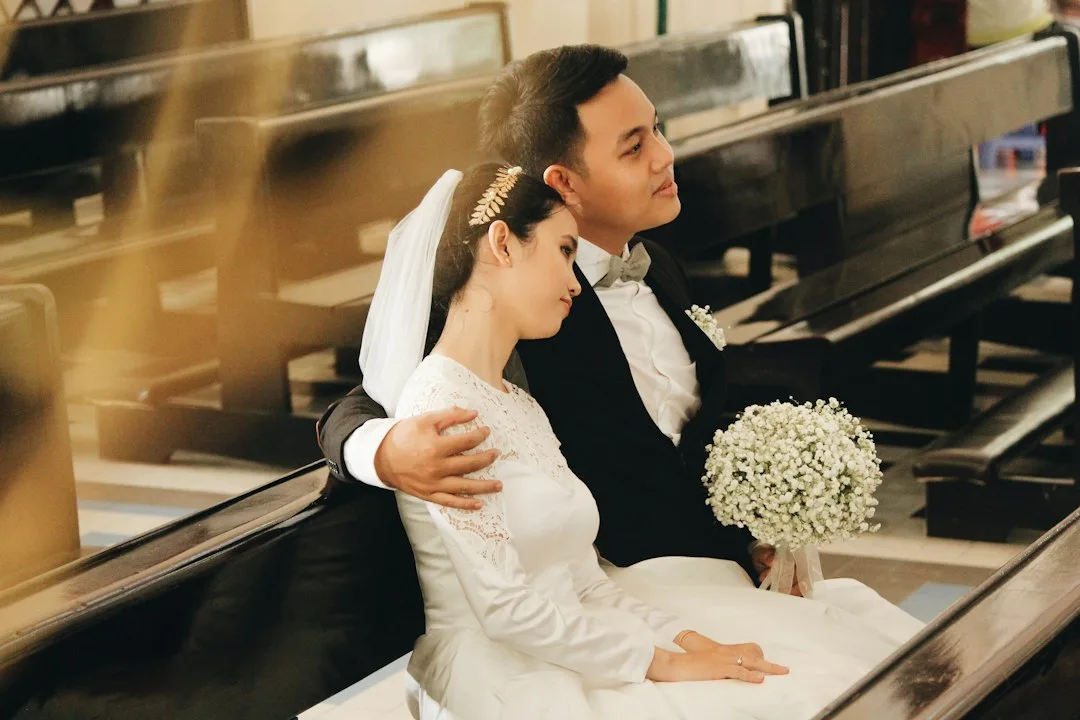
Technology tools that transform timeline execution
Modern wedding planning software like The Knot Timeline or WeddingWire’s coordination features lets you build minute-by-minute schedules that automatically notify vendors of their cues through email or text reminders. Instead of relying on a day-of coordinator to manually text the caterer when the ceremony ends, the system sends pre-programmed alerts so kitchen staff know exactly when to begin plating appetizers without constant communication.
Some couples use affordable options like Google Sheets shared with their entire team—photographer, florist, caterer, DJ, and coordinator all see the same schedule in real time. When the ceremony runs fifteen minutes late, one person updates the shared document and everyone’s next task adjusts automatically, preventing the domino effect of cascading delays. This transparency eliminates the guessing game where vendors show up early or wait without knowing if they’re on track.
Digital timers and countdown clocks visible to your coordinator keep things on schedule during the event itself. A simple iPad displaying the timeline in the bridal suite lets everyone see if you’re tracking to plan, which matters more than hitting arbitrary time targets—it’s about managing expectations and maintaining momentum so guests never sense things feel off balance.
The role of a coordinator who understands your timeline
Hiring a day-of coordinator (as opposed to a month-long planner) specifically to execute your timeline costs between $1,500 and $3,000 but pays dividends in real-time adjustments. This person isn’t choosing decor or managing vendors during planning—they’re physically present at your wedding with a printed timeline and the authority to cue each element at exactly the right moment. They communicate with your DJ about when to introduce parents, signal the photographer when it’s time to move to the next photo location, and confirm with catering when to transition from cocktail to dinner service.
The coordinator becomes the central nervous system keeping all moving parts synchronized. When a guest’s car breaks down and the ceremony starts ten minutes late, they adjust every subsequent time block instead of hoping people adapt. When your photographer finishes the couple’s shots early, they accelerate the photo session with wedding party and family instead of leaving everyone standing around killing time.
Even couples who handle most planning themselves benefit from a coordinator’s fresh eyes and authority—vendor staff respond differently to someone whose entire job is managing time rather than to a stressed couple trying to nudge things along between getting ready and greeting guests. The coordinator can also track how you’re actually running versus plan and give you honest feedback during dinner (“You’re eight minutes ahead, which is perfect for your grand entrance timing”).
Building flexibility into your fixed timeline
The strongest timelines include built-in buffers where nothing critical happens—typically fifteen minutes between major segments that guests experience. Your cocktail hour might run 5:00 to 6:15 PM, but dinner could technically begin anytime between 6:10 and 6:20 without guests noticing. This buffer absorbs the ceremony running long, photos taking extra time, or cocktail hour being so good people don’t want to leave yet, without creating a ripple effect through your entire evening.
Designate certain elements as moveable and others as fixed. Your first dance, for example, might have a firm time because guests have traveled to watch it—this stays locked. But the timing of individual toasts or specific entertainment acts can flex based on how the evening unfolds, because missing one particular speech won’t disappoint anyone, while missing the first dance would. Know which ten percent of your timeline absolutely cannot shift and which ninety percent can breathe.
Communicate this flexibility to your vendor team specifically. Tell your DJ, “Dinner begins between 6:15 and 6:35 depending on how everything feels, and I’ll signal you when to cue the transition.” This permission to adapt based on real-time energy means they’re managing for the right outcome (guests feeling like things flow naturally) rather than rigidly following a plan that no longer matches the actual room’s rhythm.
FAQ
How far in advance should I create my wedding day timeline?
What if a vendor runs late on the day of?
Should my timeline include guest activities during waiting periods?
Can I use a shared Google Sheet instead of paid timeline software?
How much buffer time should I build between major events?
What happens if I don't share a timeline with vendors?
Complete guide
Wedding Ideas That Turn Every Detail Into Something Worth Remembering
Ceremony, décor, themes, guest outfits, hairstyles, cakes, stationery — all in one place