
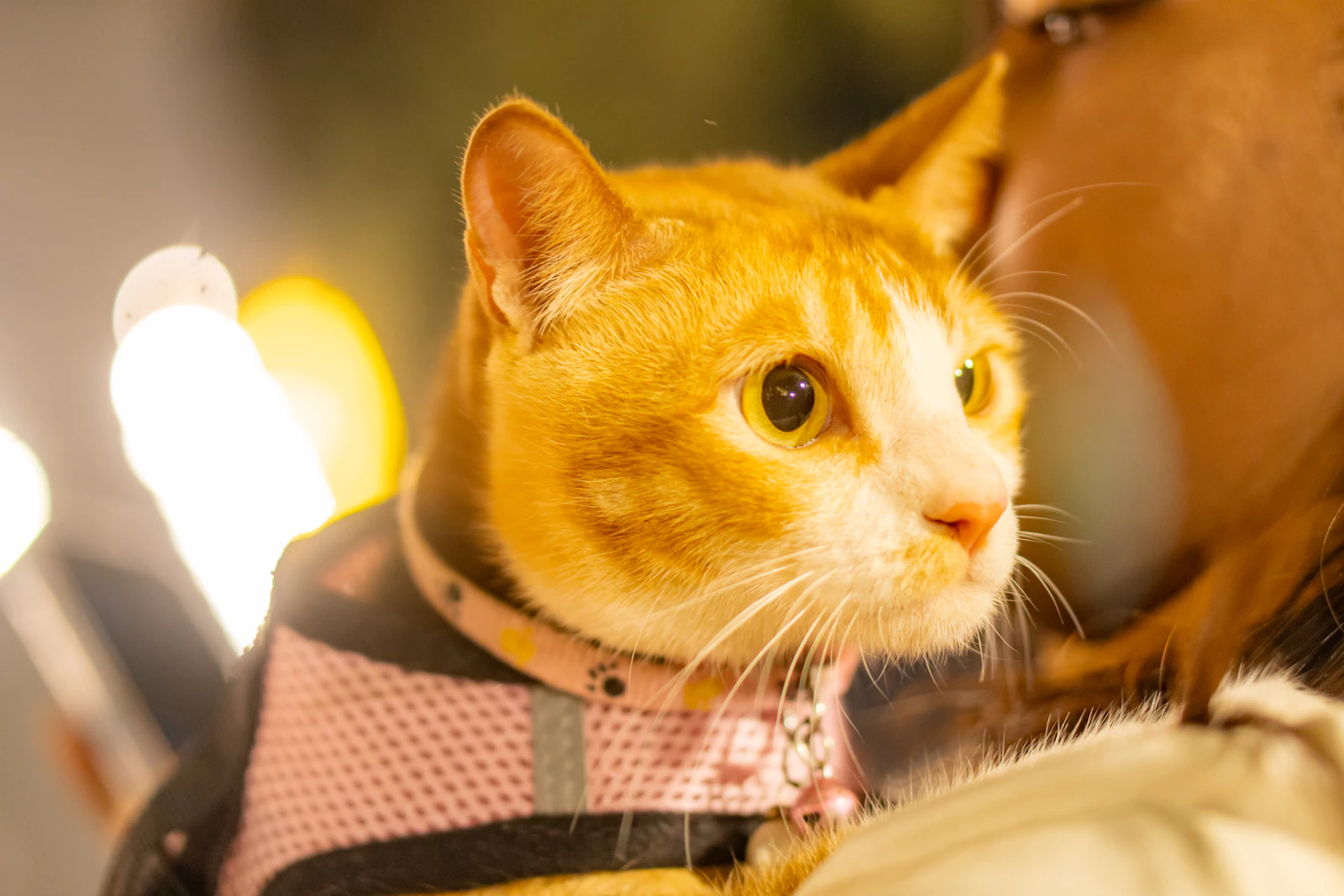
How to travel with a cat comes down to three jobs done before departure: make the carrier familiar, match the plan to a car or a flight, and settle paperwork early. The cat stays in a secure carrier for the whole journey, and a vet visit is the place to raise health certificates, anxiety or motion sickness.
This suits holiday visits, house moves and longer stays away. For a very short absence, or for a cat that is unwell, a sitter at home may be the kinder choice, so ask a veterinarian before booking.
Turn the carrier into a familiar place
A carrier that appears only on departure day gives a cat little reason to trust it. Leave it open in a quiet room well before the trip, with a blanket or worn T-shirt inside. Add treats or an occasional meal near the door, then farther in.
Once the cat walks in calmly, close the door for a moment and open it again. Build up to carrying it around the home and then to a brief car ride. Choose a model with enough room to stand and turn around. PetMD’s cat travel advice favors carriers that open from both the front and the top, which makes lifting a nervous cat easier.
Quick Tips
- Check zippers, latches and mesh for weak spots.
- Fit a collar with ID and confirm that microchip details are current.
- Line the base with absorbent material and pack a spare.
- Bring usual food, medication, litter, a small tray and cleaning supplies.
- Save the number of a veterinary clinic near the destination.
Keep car journeys contained and calm
A loose cat can slip under a pedal or dart through an open door, so it belongs in a carrier while the car is moving. Keep the carrier level and secure it with a seat belt where the design allows. Close it fully before opening any outside door.
On a long drive, plan a check about every two to three hours. Offer water, and give small amounts of food if the cat is not prone to motion sickness. Open the carrier only with all doors and windows shut and a harness already fitted. Never leave the cat alone in a parked vehicle, including on a cold day.
Confirm the airline rules before buying a ticket
Call or check the airline’s current pet page before paying for any seat. Ask whether cats may ride in the cabin on that route, how to reserve a pet space, what the carrier limits are and whether the aircraft or fare adds restrictions.
Fees and sizes differ. A Chewy comparison of U.S. airline pet policies, dated October 2025, shows many one-way cabin fees falling between about $50 and $150, with some routes outside that range. It lists a soft carrier limit of 18 x 11 x 11 inches for American, Delta and United, while other airlines use different measurements. Treat these as planning figures and verify them for your date.
A soft carrier can be easier to fit under a seat, but the cat still needs usable space. Compare outside dimensions with the airline limit, then watch how the cat sits and turns inside.
Prepare for the airport security checkpoint
The cat does not go through the X-ray machine. Under the TSA rules for pets at security, you take the animal out, send the empty carrier through the X-ray and bring the pet through screening separately.
This is the moment when an escape is most likely. Put a snug harness and leash on the cat before leaving for the airport, after practicing with them at home. Remove the leash if screening staff require it, hold the cat securely and return it to the carrier once your items are cleared. If the cat is likely to struggle, tell an officer before opening the carrier and ask what options are available.
Arrange documents and health checks early
Requirements depend on the destination, route and carrier. The American Veterinary Medical Association travel FAQ explains that airlines commonly ask for a Certificate of Veterinary Inspection issued within 10 days of travel. It also gives a minimum age of eight weeks for flying, with weaning completed at least five days earlier.
Not every cabin booking has the same paperwork, so check both the airline and the destination’s animal health rules. International trips can involve vaccinations, tests and waiting periods that take months to arrange. Carry vaccination records even when you have not been asked for them, and confirm that your lodging accepts cats.
Handle food, litter and stress without guesswork
Ask the vet how to time meals, especially for kittens, older cats and cats with medical conditions. Do not give a sedative left over from another pet or a human medicine. The AVMA says sedation for air travel is not recommended in most cases.
A vet may suggest a different approach for travel anxiety or nausea. If medication is prescribed, ask whether to try it at home first so any unwanted reaction appears before travel day. Calming sprays and familiar bedding may help some cats, though results vary.
On arrival, set up one closed, quiet room before opening the carrier. Place water, food, a litter tray and a hiding spot inside. A common mistake is releasing the cat into an entire holiday house while guests keep opening the front door.
Liquids in your own bag still face checkpoint limits, so review these travel-size toiletry rules for carry-on bags while packing. If you plan to run a pet camera at your lodging, see how a travel router works with hotel Wi-Fi, and check the property’s network rules.