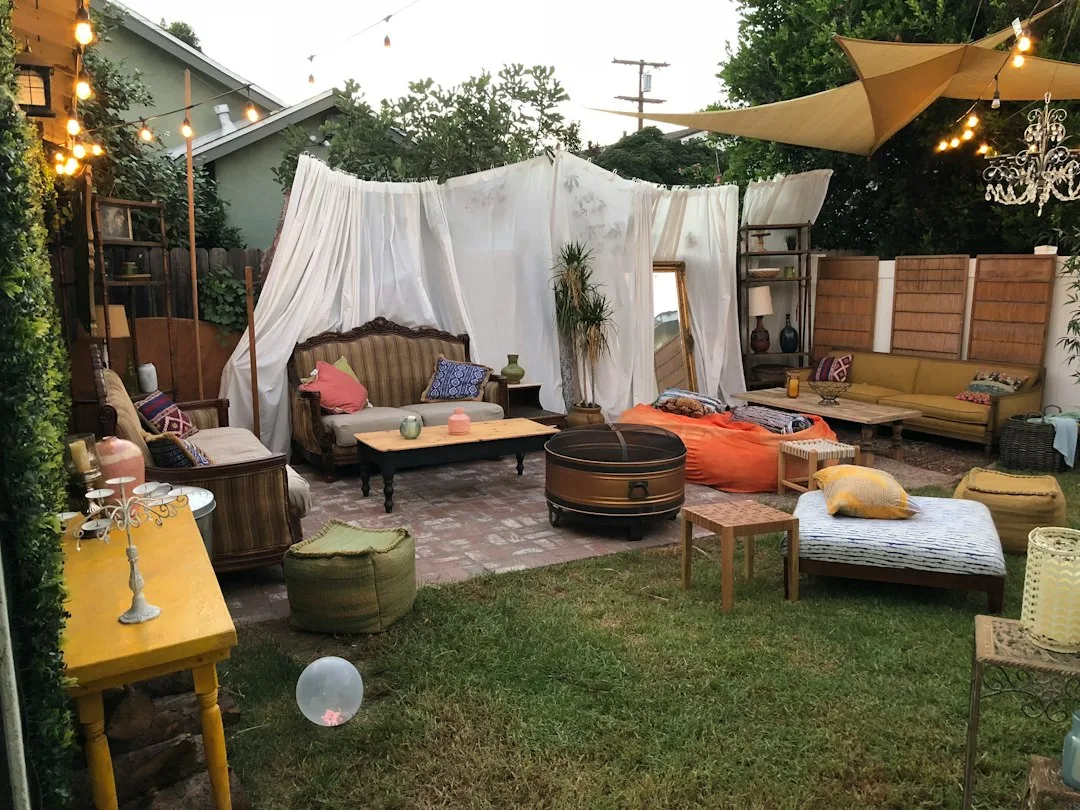
The escape fantasy used to demand a passport, a flight, and three hours of security lines. Today, it demands a blueprint and a backyard. Backyard glamping accommodations—high-end temporary lodges pitched or installed in residential outdoor space—have exploded from Pinterest novelty into a legitimate alternative to destination hotels, driven by affluent travelers who want resort-quality experiences without the logistics of travel.
The segment reflects a larger 2026 shift: proximity luxury. Work-from-home adoption means more homeowners have permanent residences they’re invested in improving. Supply-chain stabilization has made importing glamping structures—from Moroccan-style bell tents to Australian-made geodesic domes—faster and more affordable than it was in 2023-24. The result is a $1.2-billion-plus global market for high-end backyard accommodations, with installations in North America and Western Europe growing at roughly 34% year-over-year.
Bell tents and geodesic domes become status installations
Bell tents—canvas structures inspired by Native American tipis and Central Asian yurts—have anchored the glamping category since 2015, but 2026 versions bear little resemblance to budget camping models. Boutique manufacturers like under-canvas brands and European importers now offer weather-sealed, multi-room bell tents with integrated heating, insulation rated to negative 10 degrees Celsius, and interior furnishings that rival hotel suites. Canvas quality matters: traditional cotton blends deteriorate within 3-5 years in UV exposure, but modern solutions use high-thread-count organic cotton or synthetic blends that last 8-12 years with proper maintenance.
A mid-range luxury bell tent (roughly 20 feet in diameter, fully outfitted) carries installation costs between $8,000 and $18,000 before furniture. This replaces the outdoor furniture budget entirely—most owners now allocate resources to structured glamping builds instead of traditional deck or patio upgrades.
Geodesic domes offer an alternative aesthetic: geometric, modern, Instagram-native. They excel in variable climates because spherical geometry distributes wind pressure evenly. Companies manufacturing these structures have moved from lightweight polycarbonate (prone to clouding and UV damage) to multi-wall polycarbonate and tempered glass hybrid systems that maintain optical clarity for 10+ years. A 20-foot dome with climate control and furnishings runs $25,000–$40,000 installed.
Quick Tips
- Confirm local zoning laws before purchase—many municipalities classify permanent glamping structures as accessory dwellings, requiring permits
- Invest in foundation systems (concrete piers or gravel platforms) that prevent ground settling and wood rot in tent legs
- Choose all-season heating (propane, electric, or radiant systems) if you plan year-round use; unheated structures sit idle 6+ months in cold climates
- Source furniture designed for humid outdoor conditions—moisture-wicking fabrics and powder-coated metal outperform standard upholstery in enclosed spaces
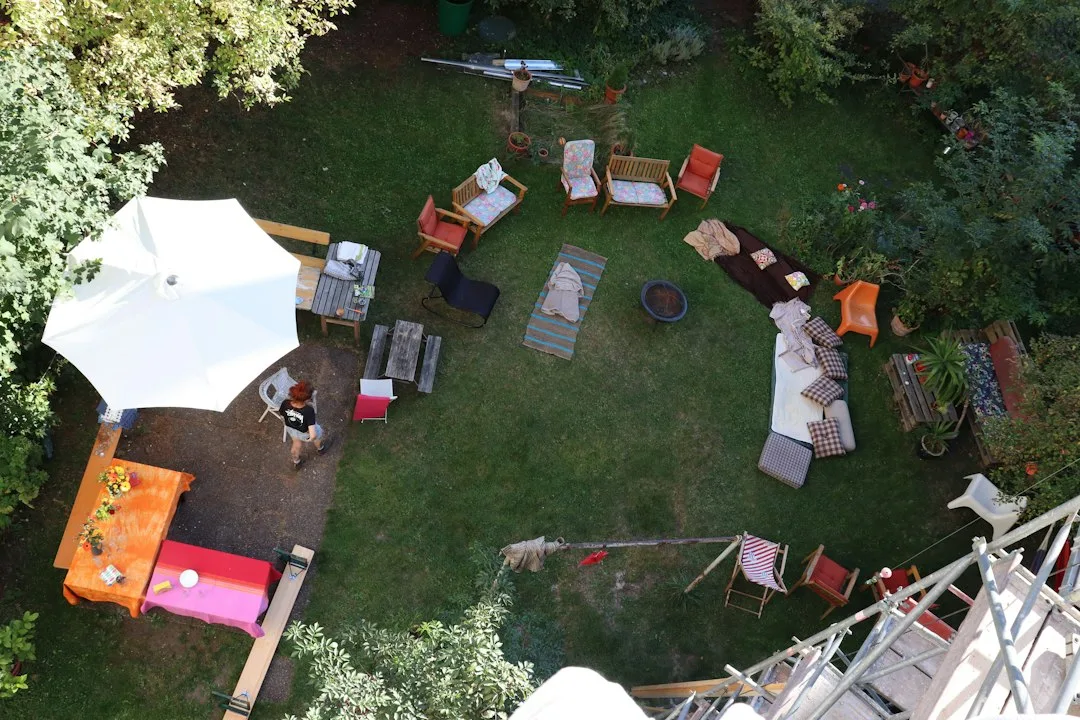
Backyard glamping accommodations vs. traditional outdoor furniture investment
| Option | Initial Cost | Lifespan & Use Case |
|---|---|---|
| Premium deck + patio furniture | $12,000–$22,000 | 12–15 years; daytime/evening use only |
| Bell tent glamping (mid-range) | $11,000–$19,000 | 8–10 years; overnight stays, weather-protected, multi-season |
| Geodesic dome with climate control | $25,000–$42,000 | 10–15 years; year-round habitation, premium guest accommodation |
| Luxury safari lodge (permanent structure) | $35,000–$80,000+ | 20+ years; fixed investment, potential rental income |
The comparison reveals why glamping installations are cannibalizing traditional backyard remodels. A high-end deck project ($15,000–$25,000) creates a seasonal space. A backyard glamping accommodation creates a destination guests actually reserve.
Avoid the anchoring mistake: shallow foundations and no permit planning
The most common failure mode occurs when homeowners treat glamping structures like temporary camping gear. They sink anchor stakes into unprepared soil, skip grounding systems, and ignore local building codes. Within one season, water pools beneath the structure, stakes shift, and canvas or dome frames misalign.
Concrete, properly installed: foundation systems—frost-protected piers sunk 3-4 feet below grade, spaced according to load distribution—cost an additional $2,000–$4,500 but prevent year-over-year settling and water intrusion that degrades interiors. Without this, a $15,000 bell tent becomes structurally compromised within 24 months. Additionally, most jurisdictions require permits for structures that offer sleeping accommodation, especially if you intend to host paying guests or list on vacation rental platforms. Unpermitted builds risk fines of $500–$5,000 and forced removal orders.
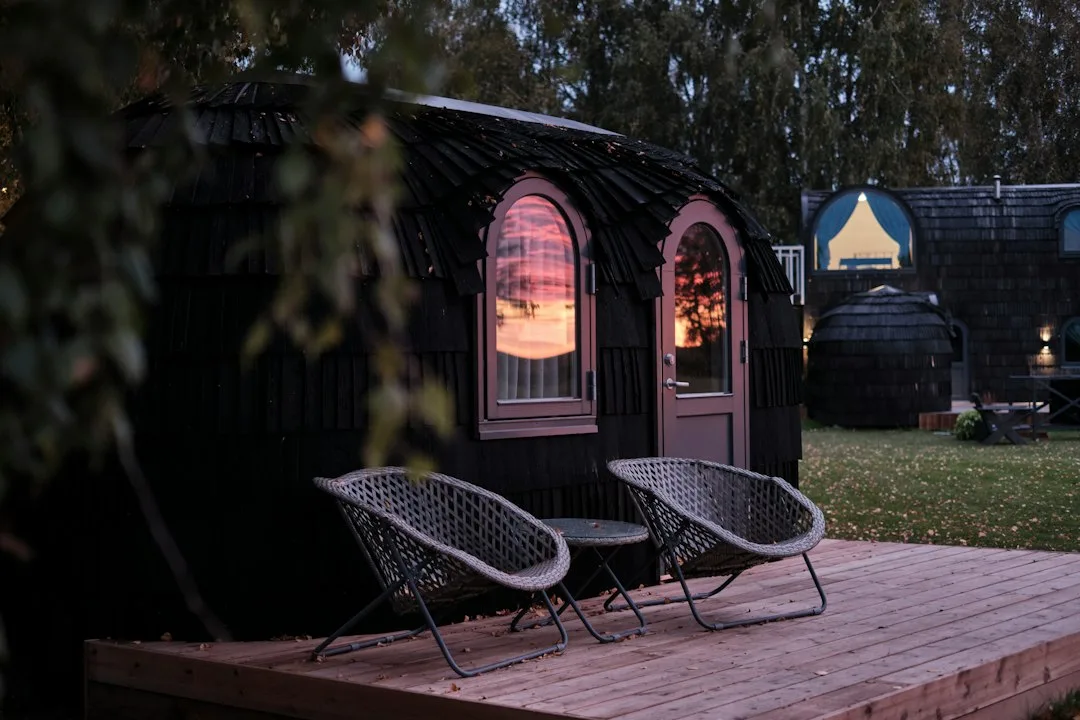
Climate control and year-round usability drive premium pricing
Backyard glamping accommodations that sit unused six months annually fail the value proposition. The shift toward ganzanzanear-year use has made heating, cooling, and ventilation systems non-negotiable. Traditional camping heaters (propane) work but create condensation issues in enclosed canvas; electric radiant heating or mini-split HVAC systems (commonly used in tiny homes and RVs) maintain indoor temperature precisely without moisture accumulation.
A mini-split system adds $3,500–$7,000 to a mid-range installation. It transforms a summer-only retreat into a year-round guest space, potentially recovering its cost through short-term rental income in 12–18 months. Owners booking glamping accommodations via Airbnb and Vrbo typically achieve $150–$300 per night in suburban markets; urban properties command $250–$500+. When you explore how fashion influences travel and adventure, similar logic applies—visible luxury (interior furnishings, branded linens) justifies premium nightly rates.