
Vocational certification pathways have quietly reshaped how people enter the workforce—and employers are hiring accordingly. In 2026, the mismatch between four-year degree timelines and actual job market demand has become impossible to ignore. More than two-thirds of employers across construction, electrical work, HVAC, and advanced manufacturing now prioritize hands-on vocational credentials over bachelor’s degrees when evaluating entry-level candidates.
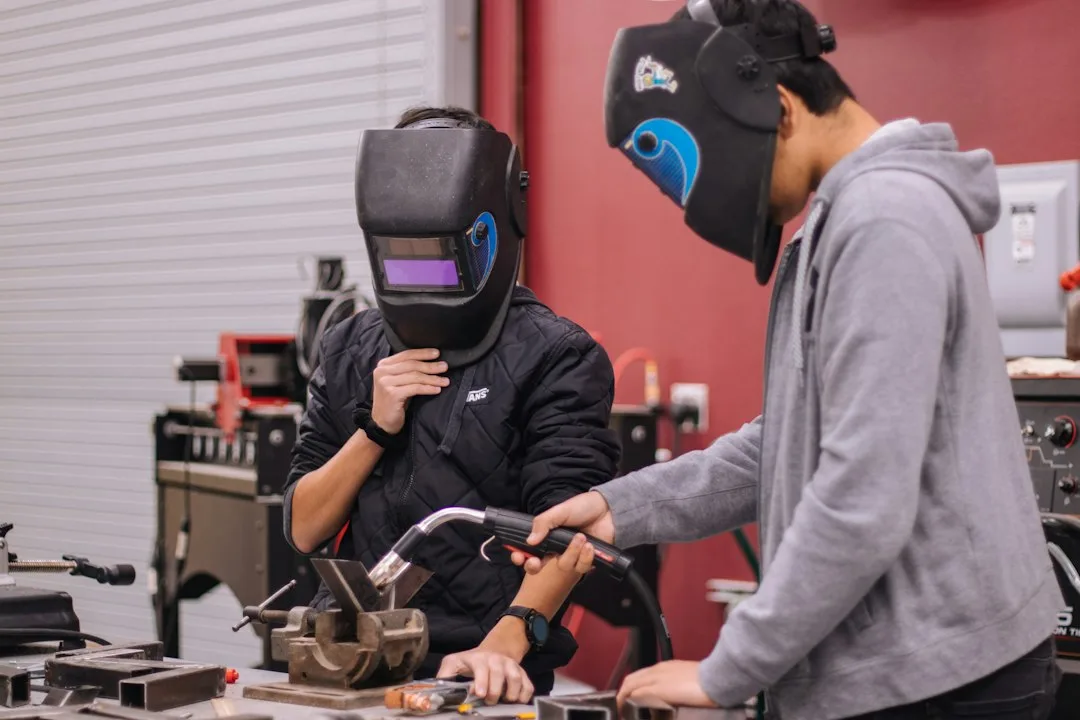
The shift isn’t ideological; it’s practical. A welding certification from a recognized trade school takes 6–12 months and costs a fraction of a bachelor’s degree, yet commands starting wages that often match or exceed four-year graduates in non-tech fields. Vocational certification pathways are filling a genuine skills gap that traditional education left unaddressed for decades.
Credential Stacking Now Beats Single Degree
TradeUp, a Denver-based workforce platform that aggregates vocational certifications, reported in 2025 that learners who earned three stackable micro-credentials—say, basic electrical, low-voltage systems, and renewable energy installation—earned 34% more in their first three years than single four-year graduates in the same geographic market. That’s not a hypothetical advantage; those are documented salary progressions.
Employers recognize that vocational certification pathways let workers prove mastery of discrete, measurable skills. A HVAC technician holds a license issued by state regulators, not a diploma that signals general knowledge. The credential is immediately verifiable and tied to real performance standards.
Quick Tips
- Look for programs that offer industry-recognized certifications—ASE for automotive, NFPA for electrical safety.
- Stack credentials progressively: start with foundational cert, then layer specialized skills aligned with job postings.
- Verify that vocational certification pathways include apprenticeship components; hands-on hours matter more than classroom time.
- Check state licensing requirements before enrolling; some certifications carry geographic restrictions or renewal demands.

The Real Mistake People Make When Choosing Credentials
The biggest error: treating all vocational certification pathways as identical. Someone completes an online carpentry course and assumes they’re employer-ready. Employers disagree entirely.
What fails is pursuing certifications with no market demand or unclear progression. A fabrication certification sounds legitimate, but if local job postings don’t mention it, learners end up with a credential nobody hires for. The wrong choice often stems from choosing a training provider based on convenience rather than employer alignment.
Do the inverse: first audit job postings in your target market, identify the certifications employers actually list, then enroll in programs that provide those exact credentials. This single reordering—market first, certification second—prevents months of wasted tuition and effort.
| Vocational Pathway | Duration | Typical Entry Wage Range |
|---|---|---|
| HVAC Technician Cert | 8–12 months | $35k–$45k annually |
| Electrical Apprenticeship (state-licensed) | 4–5 years + paid hours | $28k–$38k (year 1), higher after license |
| Welding Certification (AWS-accredited) | 6–10 months | $32k–$42k annually |
| Plumbing License (apprenticeship + exam) | 4–5 years + paid hours | $30k–$40k (year 1), accelerates post-license |
| Solar Installer Cert (NABCEP pathway) | 12–18 months + experience | $38k–$52k annually |
Why Employers Now Demand Vocational Certification Pathways
Manufacturing facilities, electrical contractors, and renewable energy firms face a concrete problem: they can’t wait 4 years to hire qualified people. Vocational certification pathways solve that urgency.
Contractors need licensed electricians or plumbers now. Schools and hospitals need HVAC techs who understand EPA refrigerant protocols immediately. Employers have stopped waiting for general education to produce job-ready workers; they’ve shifted to credentialing systems that prove specific competency from day one.
Technology amplifies this trend. Verification platforms now let employers instantly confirm vocational certification credentials through digital wallets and blockchain-backed records. The friction of hiring based on unverified training has nearly vanished.
How Apprenticeship Models Embedded in Certifications Create Real Advancement
The most successful vocational certification pathways integrate paid apprenticeship—not unpaid internship. That distinction matters enormously. An apprentice earns while learning, gradually moving from entry wages ($28k–$35k) to journeyman status ($55k–$70k+) over 4–5 years of combined classroom and on-site hours.
A four-year degree graduate often starts at comparable entry wages but faces student debt. An apprentice who completed a vocational certification pathway exits their training with paychecks instead of debt and a documented track record of real work experience.
This structural advantage explains why union apprenticeships—in electrical, plumbing, ironworking—have waiting lists. Demand consistently outpaces supply, and vocational certification pathways are the gateway.
Bridging the Skills Gap Faster Than Traditional Pathways
Community colleges and specialized trade schools like Coursera for Trades and Guild Education now make vocational certification pathways accessible across rural and urban areas. These platforms bundle classroom instruction with industry-specific mentorship and hands-on labs.
The timeline advantage is stark: 6–18 months to entry-level employment versus 4 years plus job search. For someone with urgent financial need or clarity about career direction, vocational certification pathways eliminate years of unnecessary general education.
AI-governed credentialing systems are now validating outcomes at scale, tracking completion rates and employment placement within 90 days of certification. Transparency about where vocational certification pathways actually lead has replaced anecdotal hiring stories with data.
Long-Term Earning and Licensing Sustainability
Vocational certification pathways aren’t just faster; they’re renewable and stackable. A licensed plumber can add a green plumbing certification, then specialize in commercial systems, each adding to earning potential without requiring new degree programs.
The regulatory structure also protects earning potential. Licenses—unlike degrees—carry legal weight. A state-issued electrical license means employers must hire you for specific work; untrained competitors cannot legally bid those jobs. This creates genuine, lasting market advantage.
By 2026, the narrative has shifted entirely. Vocational certification pathways aren’t fallback options for people who couldn’t manage college; they’re intentional choices by people who want faster entry, lower debt, and clearer skill-to-paycheck connections than traditional degree tracks offer.