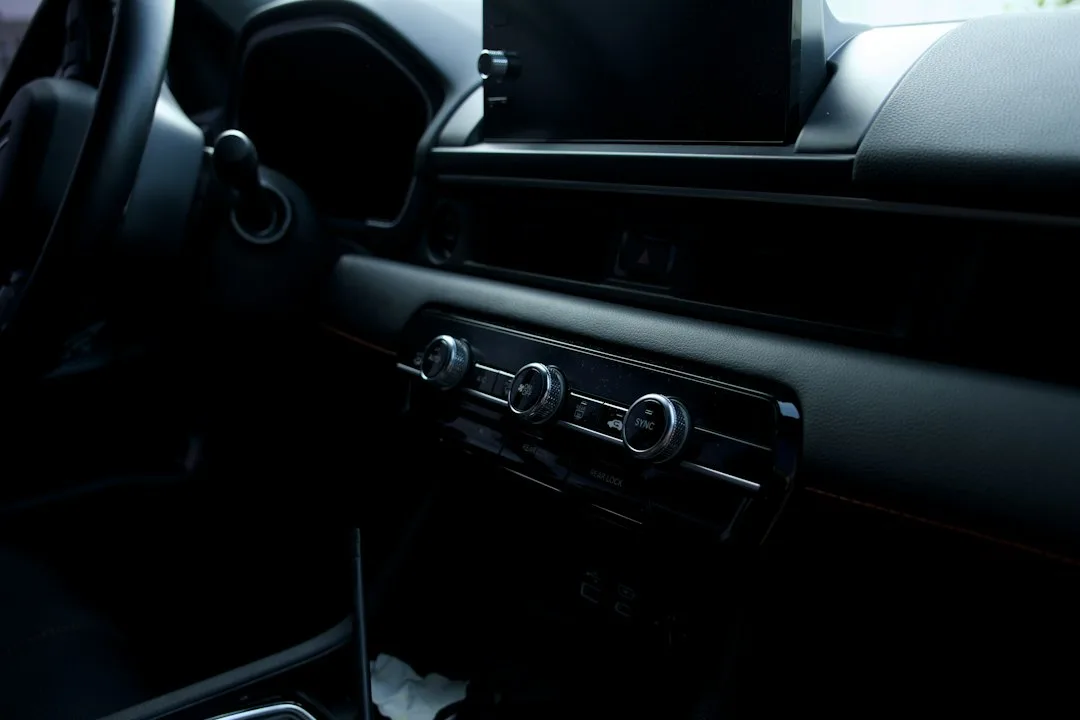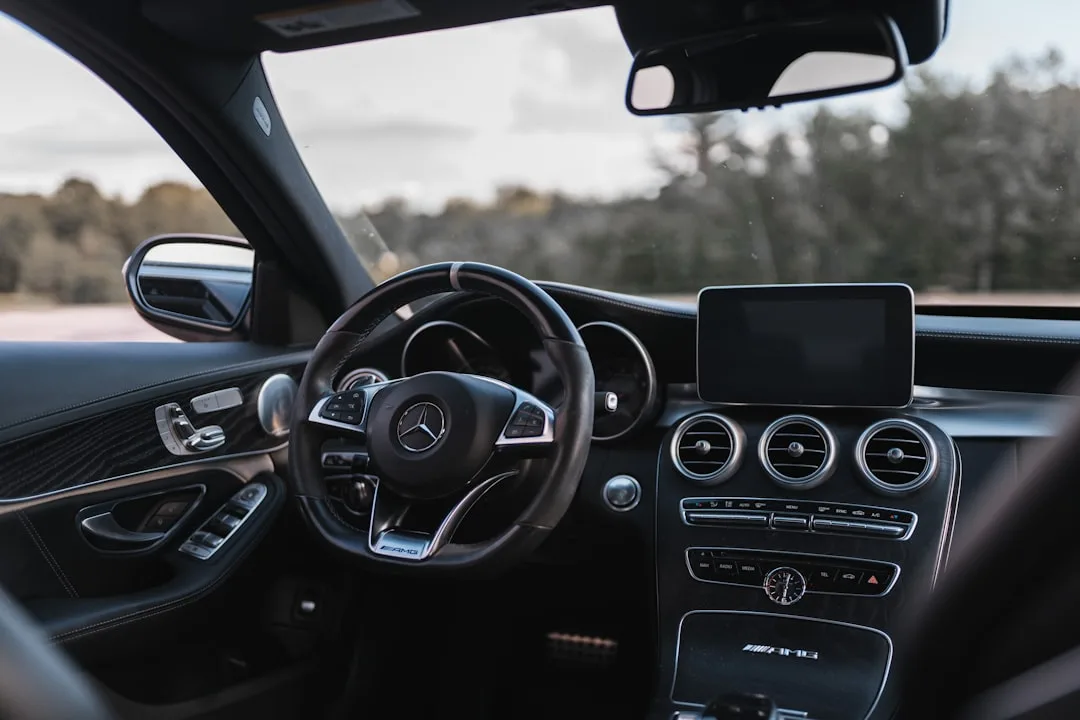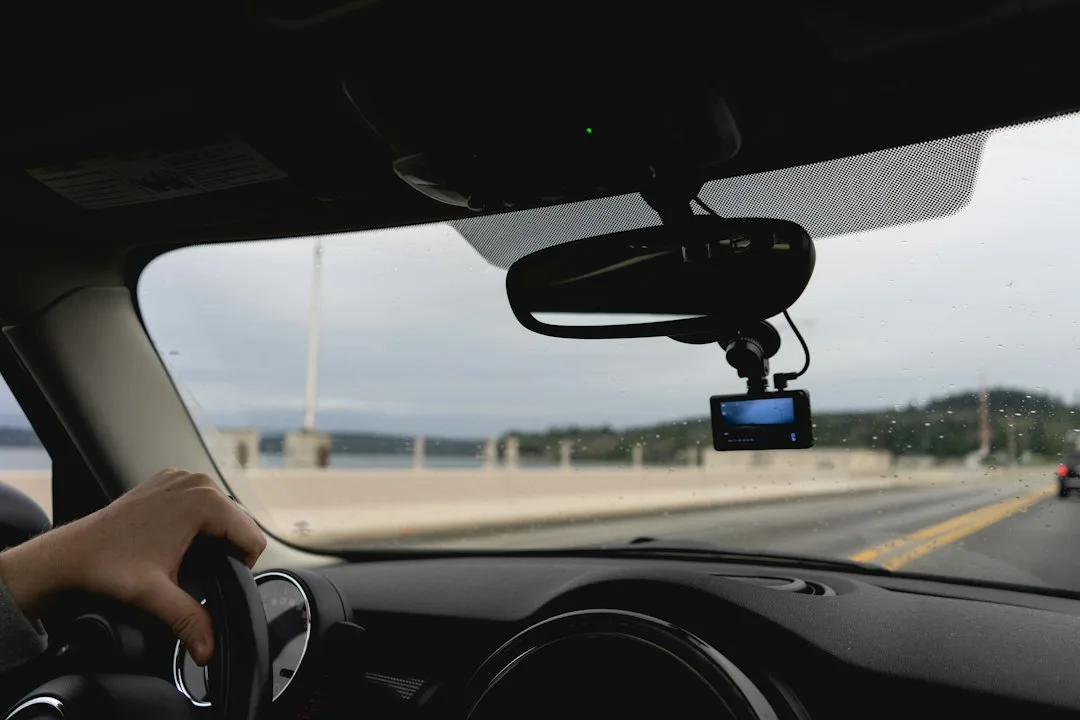
Volvo became the first mainstream automaker to announce mandatory occupant monitoring across its full fleet by 2027, detecting driver drowsiness, distraction, and improper seating in real-time. This isn’t incremental safety theater—it’s a structural rethinking of where risk actually lives inside a vehicle. Vehicle occupant monitoring systems now track driver eye movement, head position, torso alignment, and seatbelt compliance simultaneously, often integrated with existing infotainment displays and steering wheel sensors.
The why is stark: the U.S. National Highway Traffic Safety Administration attributes over 35% of serious crashes to driver inattention or fatigue. Occupant monitoring systems address this by functioning as a tireless copilot that never blinks.
Why this trend dominates 2026 ownership decisions hinges on three converging market forces. First, insurance carriers have begun offering premium reductions—typically 3-8% annually—for owners whose vehicles log continuous occupant monitoring data, creating immediate financial incentive. Second, fleet operators discovered that monitored drivers reduce accident rates by up to 22%, making this a standard fleet deployment requirement.
How Occupant Monitoring Detects Fatigue and Distraction
BMW’s latest 7-Series integrates gaze-tracking technology that monitors pupil dilation and blink frequency, alerting drivers when micro-sleep patterns emerge. The system pairs this with in-wheel pressure sensors that detect grip weakening—another physiological marker of fatigue onset.
Mercedes-Benz deploys a different angle: facial recognition algorithms track head nodding, eye closure duration, and attention vector (where the driver actually looks versus where the road is). When discrepancy exceeds safe thresholds, the vehicle triggers progressive warnings: first a subtle steering wheel vibration, then a cabin alert tone, then automatic lane-keeping support activation if the driver doesn’t respond.
The mechanism works because human fatigue leaves measurable signatures. Drowsy drivers exhibit slower blink rates (under 100ms becomes normal; fatigued drivers dip below 80ms), fixed pupils that fail to track road hazards, and forward head slump. Cameras mounted in the dashboard and above the steering column feed this data into machine-learning models trained on thousands of hours of verified fatigued-versus-alert driver footage.
Quick Tips
- Check your vehicle’s privacy policy before accepting occupant monitoring—some systems retain facial data for 60+ days.
- Test the distraction alert sensitivity during your first week; some drivers find notifications too frequent on boring highway drives.
- Ensure your insurance company credits occupant monitoring data; not all carriers have launched discount programs yet.
- Disable facial recognition if your vehicle allows it and use eye-movement-only mode if privacy concerns dominate for you.
Occupant Positioning and Passenger Safety Applications
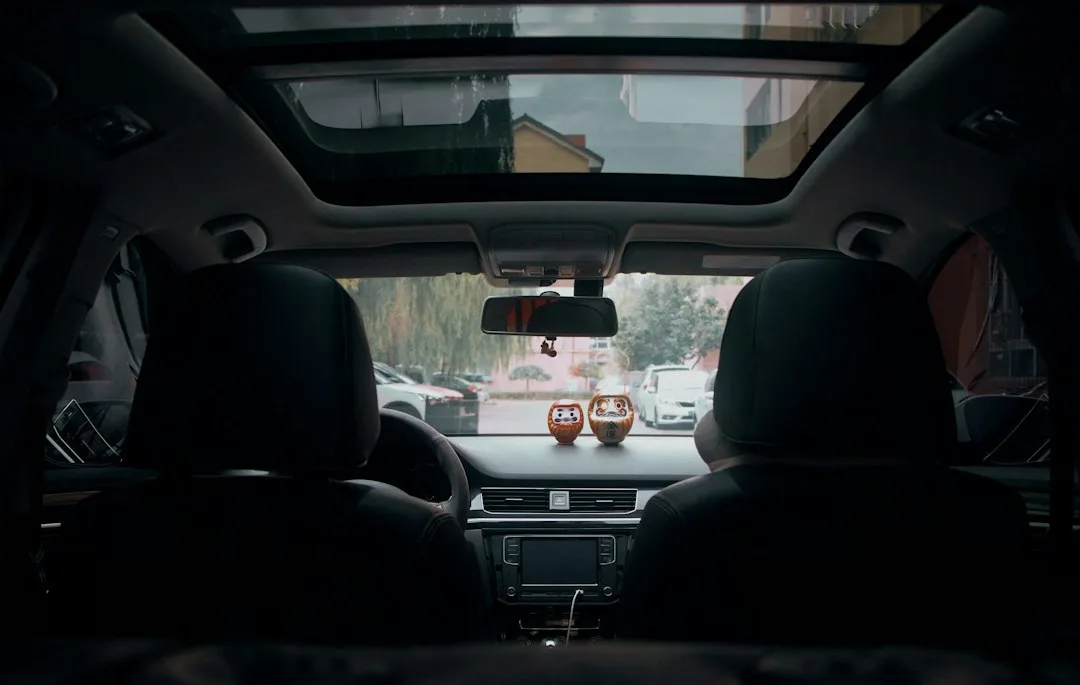
General Motors’ Super Cruise now uses interior cameras to verify that rear-seat passengers are properly positioned before deploying certain safety features during emergencies. This matters because out-of-position occupants suffer 40% higher injury rates in frontal collisions when airbags deploy.
Hyundai’s latest platform detects when children unbuckle seatbelts mid-drive and alerts parents via smartphone integration. More advanced systems track infant car seat orientation and angle, warning when seats tip forward (a positioning error that reduces crash protection by up to 60%).
| System Type | Primary Monitored Metrics | Typical Vehicle Integration |
|---|---|---|
| Fatigue Detection | Eye closure, blink rate, pupil tracking | Luxury sedans, trucks (Volvo, BMW, Mercedes) |
| Distraction Tracking | Head position, gaze vector, hand on wheel | Mainstream SUVs and EVs (Hyundai, Kia) |
| Occupant Positioning | Seatbelt status, child seat angle, posture | Family vehicles (GM, Ford, Honda) |
| Multimodal Integration | All metrics combined with brake/steering data | Premium autonomous-ready platforms (Tesla, Lucid) |
The Mistake Most Owners Make: Ignoring Baseline Calibration
Recalibration Protocols for Different Vehicle Ages
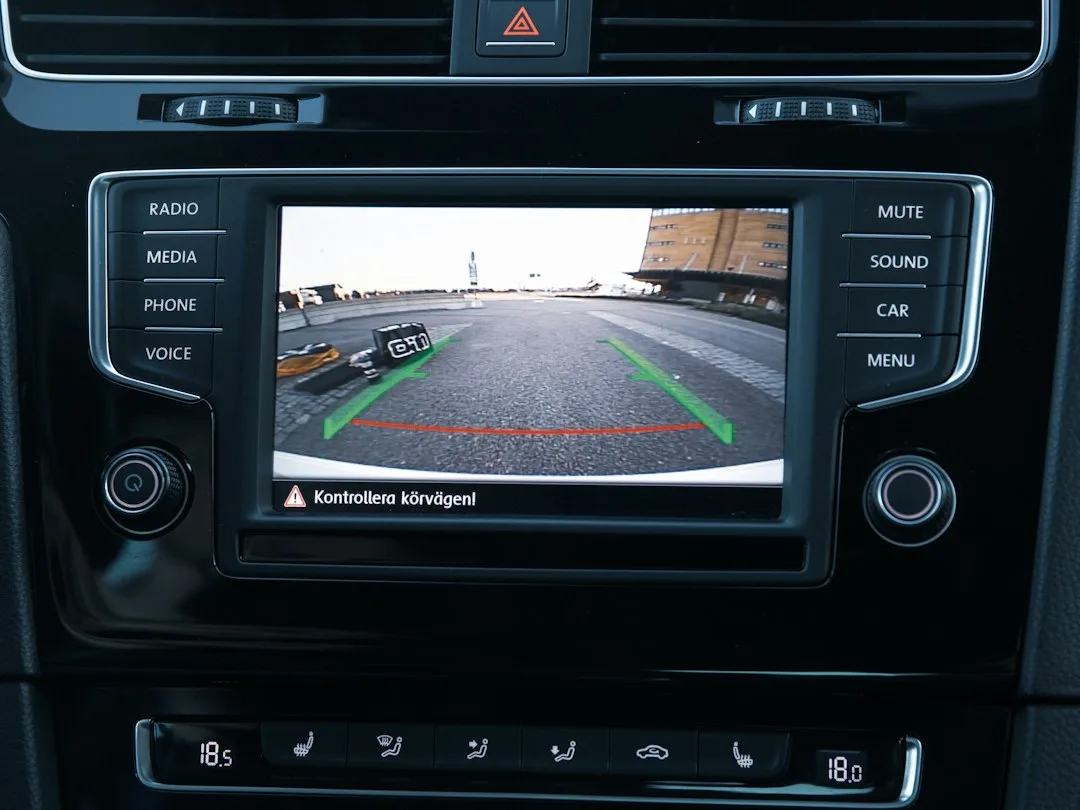
New vehicles typically arrive with factory presets tuned to average occupant profiles, which means a 5’2″ driver or a rear-facing child seat may trigger unnecessary alerts until the system learns individual patterns. Modern platforms allow a recalibration window—usually the first 50 to 150 miles of driving—where sensors map your specific seating geometry, seatbelt routing, and typical posture variations. During this period, resist the urge to turn off notifications; instead, document which alerts feel contextually wrong so you can adjust sensitivity in the vehicle’s infotainment menu rather than disabling the feature entirely.
Older model vehicles (2018 and earlier) with occupant monitoring lack adaptive learning, which means calibration is a one-time dealer visit. If you’re shopping in the certified pre-owned vehicle market, dealers should provide a fresh baseline calibration as part of their pre-delivery inspection. This step is often skipped, leading owners to inherit poor performance from the previous driver’s body type or seating habits. Request documentation that calibration was performed post-acquisition, just as you would verify tire balance or brake pad thickness.
Real World Performance Across Vehicle Segments
Occupant monitoring performs most reliably in mid-size and full-size sedans where interior space allows sensors to be positioned at consistent distances from typical seating positions. Compact cars and subcompacts create tighter sensor-to-occupant zones, sometimes reducing accuracy when passengers sit closer to door panels or when the vehicle carries fewer occupants than the system expects. Crossovers and SUVs introduce additional complexity because children’s car seats can be installed at different recline angles depending on LATCH anchor placement, and the elevated seating position means cameras capture different head-and-torso angles than in low-slung sedans.
Family-focused manufacturers like Volvo and Subaru have invested heavily in rear-cabin monitoring specifically because autonomous vehicle adoption reshapes how families plan daily commutes, creating scenarios where rear occupants may be unsupervised for extended periods during semi-autonomous driving. Their systems include specialized child-detection protocols that distinguish between properly secured children and loose objects, reducing the false-alert burden that causes owners to disable the feature. Luxury brands like BMW and Mercedes-Benz offer granular control over alert sensitivity per occupant seat, allowing you to tighten monitoring in the child seat zone while loosening it in the front passenger position where adults might shift posture more frequently.