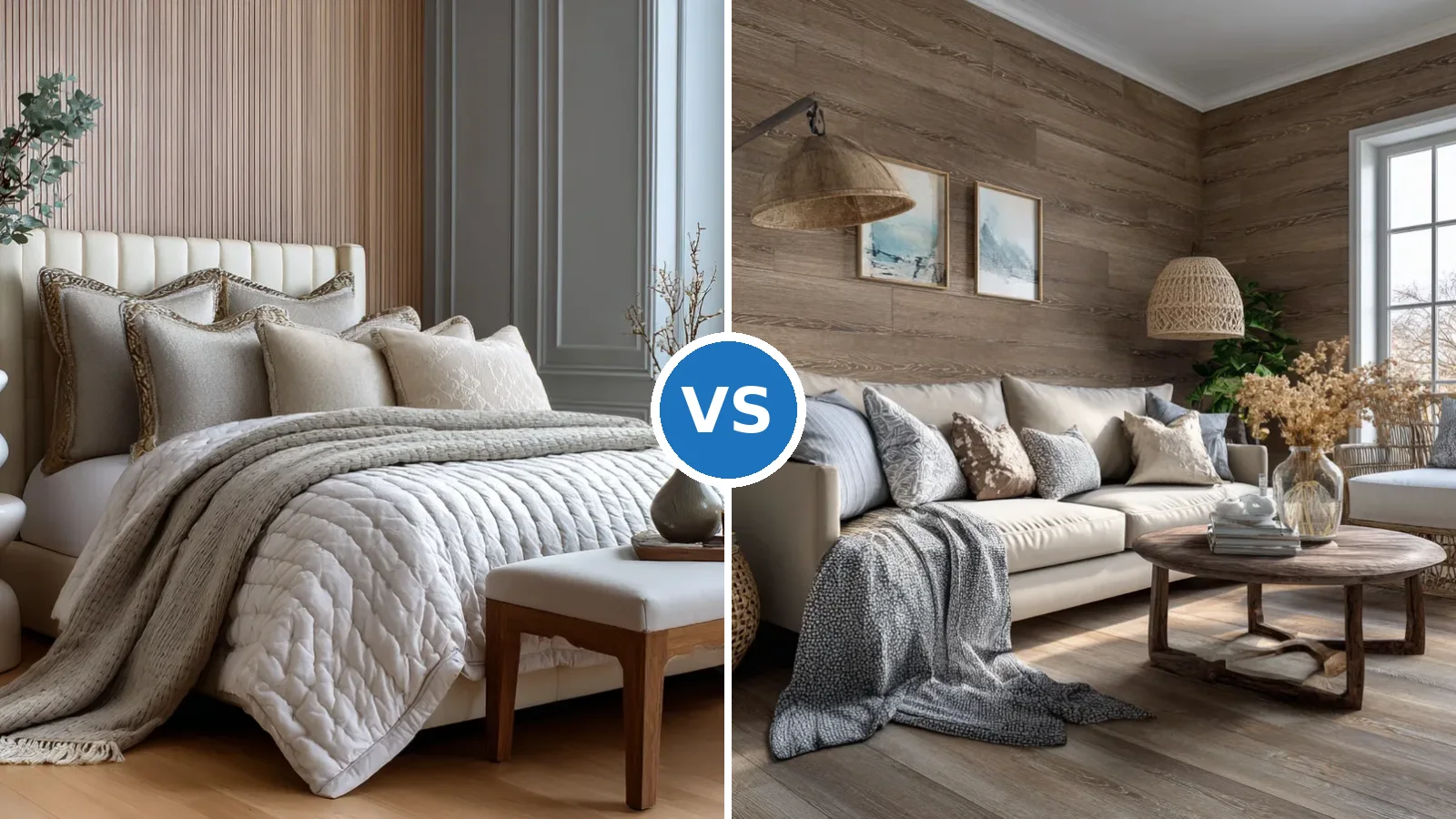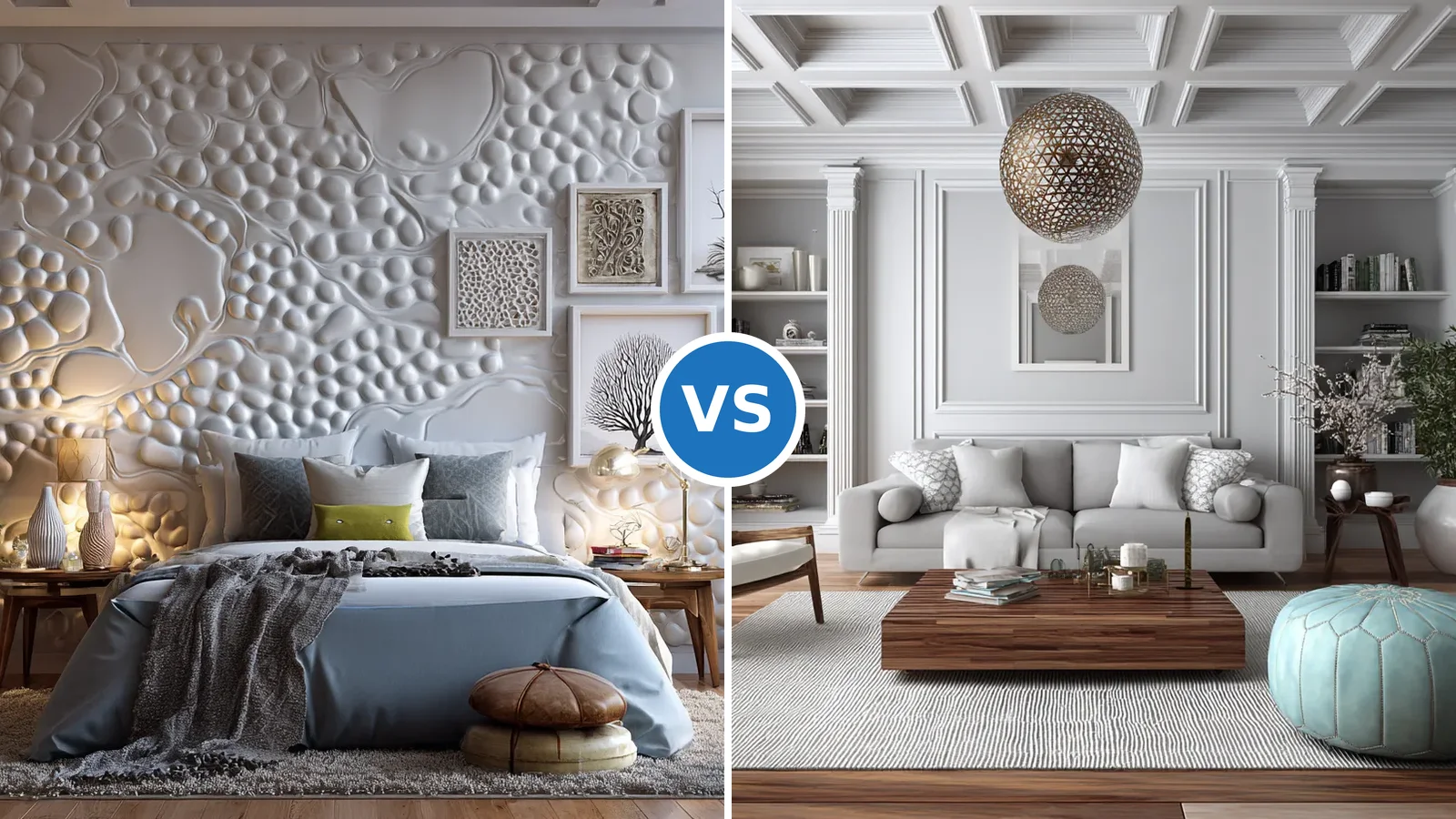
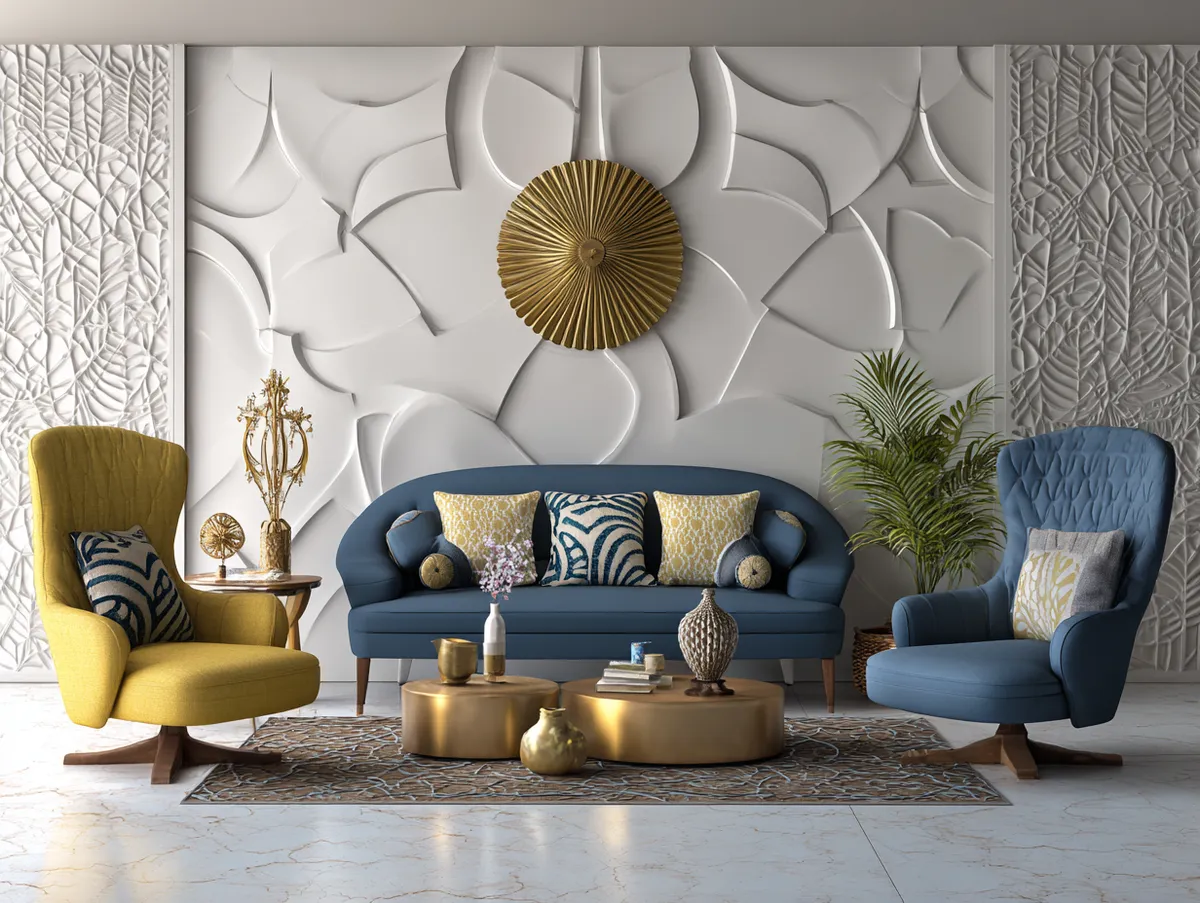
Wall paneling vs wainscoting comes down to coverage and mood: plaster (POP) panels turn a whole feature wall into sculpted relief, while wainscoting dresses only the lower part of the wall with a classic, structured look. The phrase is broader than the two subjects here, so to be precise, this comparison sets POP wall panel designs against living room wainscoting styles.
Choose plaster panels if you want texture and shadow play where artwork would normally hang. Choose wainscoting if you want a lower-wall color split that sets proportions and anchors furniture.
Wall paneling vs wainscoting in plain terms
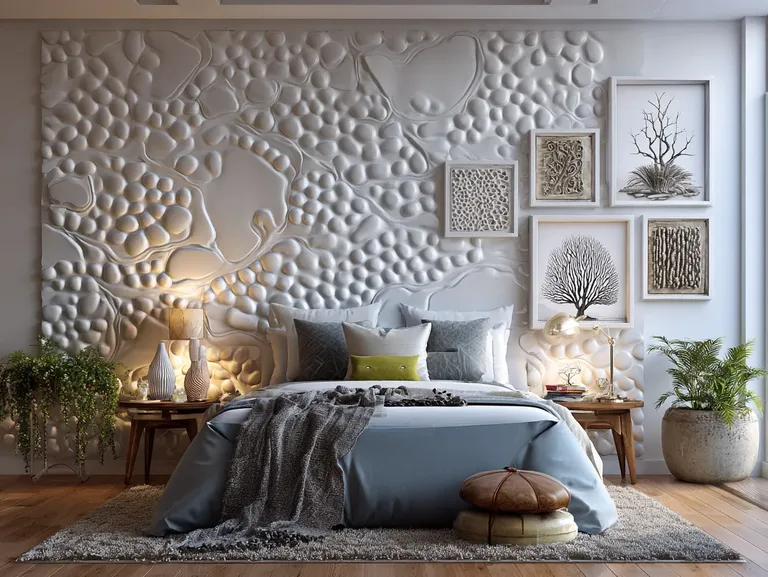
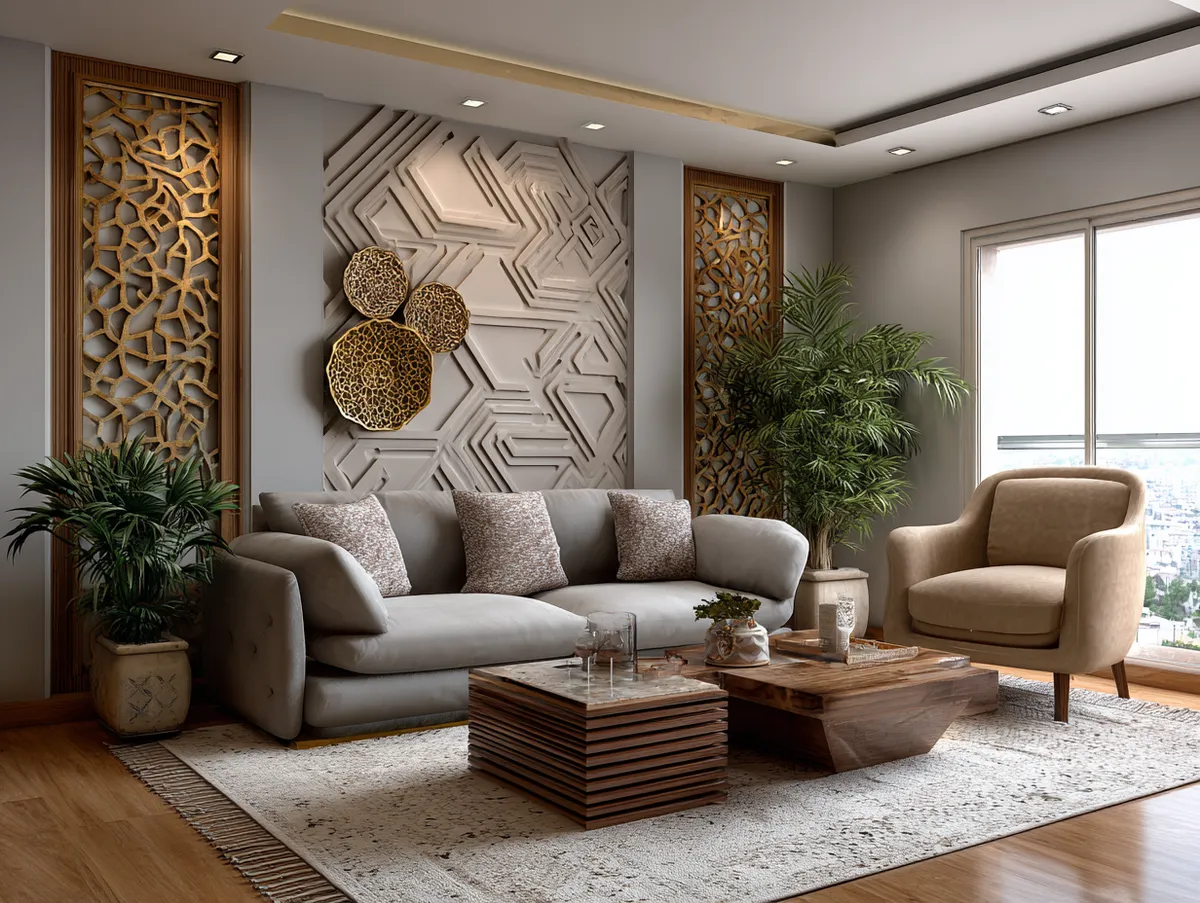
POP stands for Plaster of Paris, a moldable gypsum compound that sets into a hard raised form. It can be pressed into grid reliefs or deep fluting and is used on a feature wall, such as behind a TV, a bed or a dining alcove. Pre-cast panels install in hours, while custom hand-plastered work takes two to three days to cure fully.
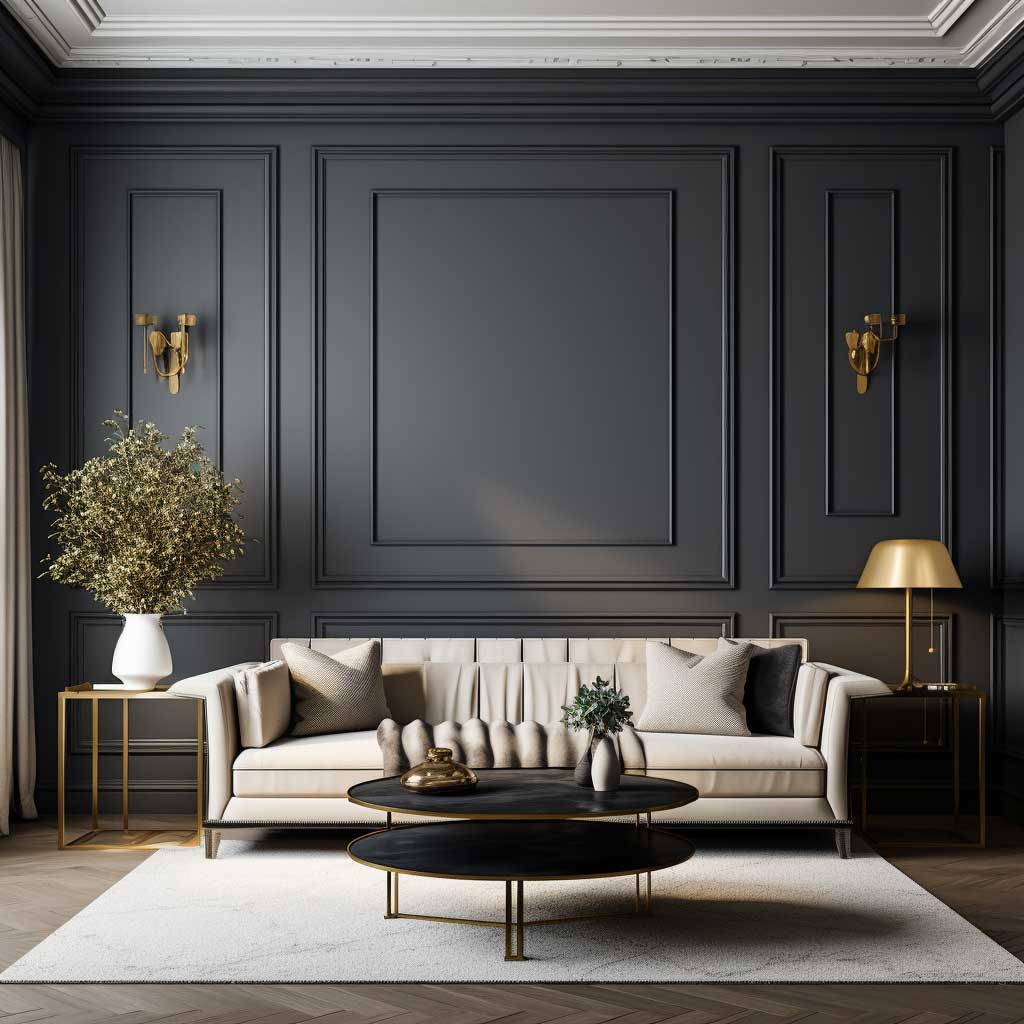
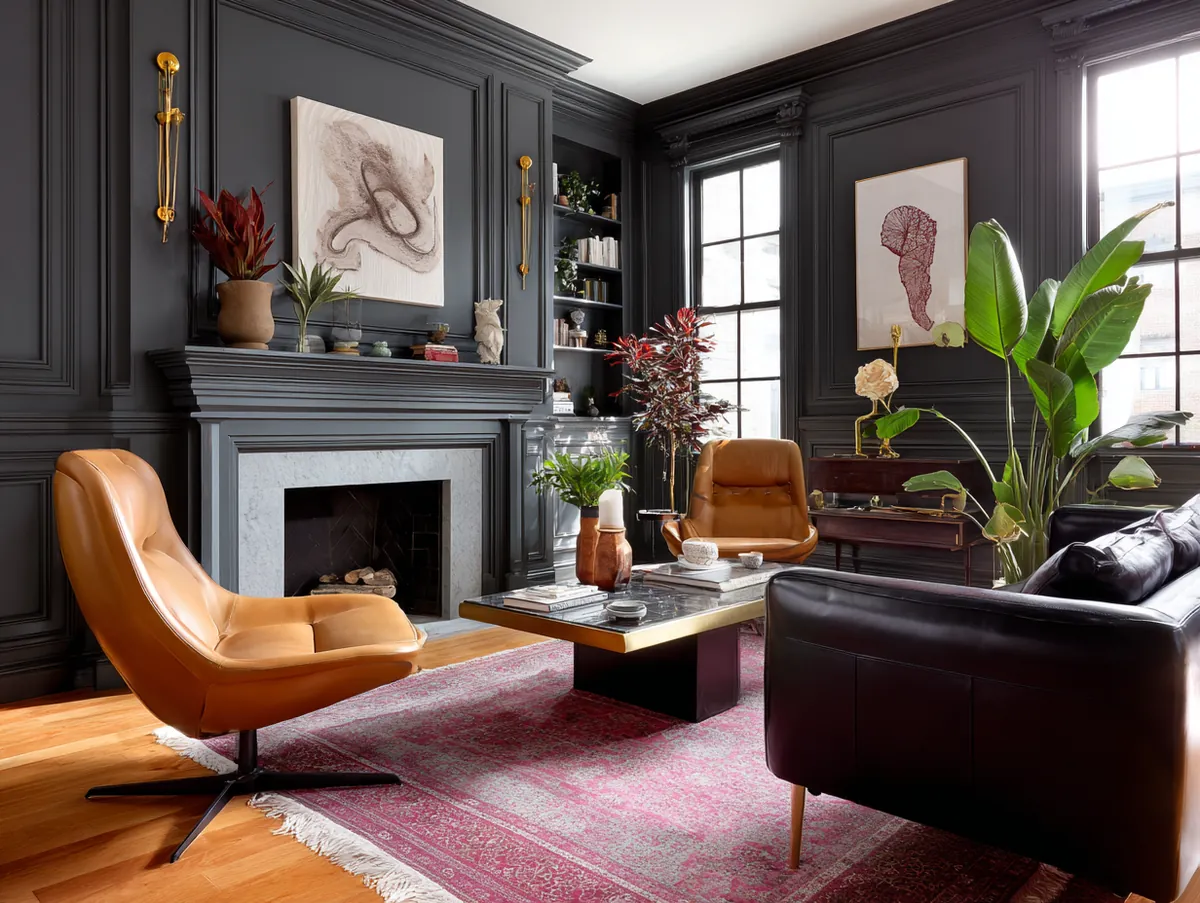
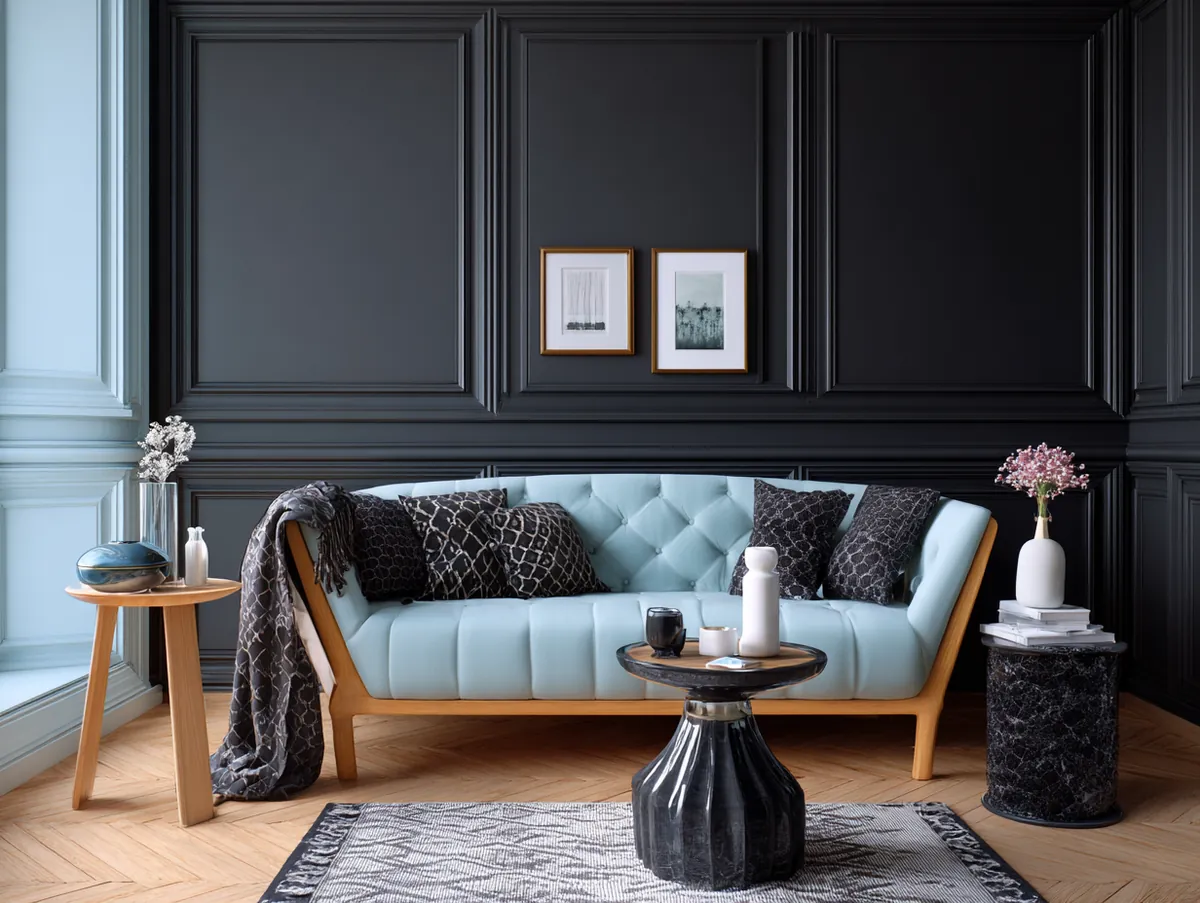
Wainscoting is paneling on the lower section of a wall, usually finished with a cap rail at the top edge. Styles include beadboard, picture frame, vertical board and mixed-material designs, and the paint split between panel and upper wall is part of the design.
Quick Verdict
- Choose POP wall panels if you want a sculptural feature wall with raised pattern or texture and a bold backdrop.
- Choose wainscoting if you want a classic two-tone wall, control over how tall the room looks and a formal finish.
- Avoid plaster panels in damp rooms because POP is water-soluble and does not suit bathrooms or exterior walls.
How the two options compare
The table sets the main differences side by side. The cost figures come from the source articles and use different units, so compare them as ranges rather than a single price.
| Criteria | POP wall panels | Wainscoting |
|---|---|---|
| Coverage | Usually one feature wall, floor to ceiling | Lower part of the wall, ideally the bottom third |
| Main effect | Raised pattern and shadow that shifts through the day | A color split that grounds furniture and shapes proportions |
| Cost level | About $4 to $7 per sq ft in materials; $12 to $22 per sq ft installed for pre-cast; $18 to $35 for custom plasterwork | About $800 to $1,200 installed for a beadboard run in a room under 200 sq ft; solid poplar adds roughly $400 |
| Scale rule | Patterns under about 8 inches per repeat vanish beyond 8 feet of viewing distance | Panels above about 40 percent of wall height start to feel heavy |
| Paint | Oil or enamel; flat latex traps dust in the relief | Upper wall at least two shades lighter than the panel |
| Room height effect | Deep relief needs high ceilings | Vertical boards can make a room feel taller |
Cost and installation
POP is flexible on budget. Simple designs start around $4 to $7 per square foot in materials, pre-cast panels run roughly $12 to $22 installed, and custom plasterwork costs $18 to $35 per square foot depending on relief depth. Shallow textured reliefs sit around $9 to $15 per square foot installed.
Wainscoting is easier to budget by the room. A standard beadboard run in a room under 200 square feet comes to roughly $800 to $1,200 installed using pre-primed MDF. Poplar costs about $3 to $5 per linear foot and adds around $400 to that estimate. Skipping the cap rail leaves the top edge looking unfinished.
Where plaster panels win
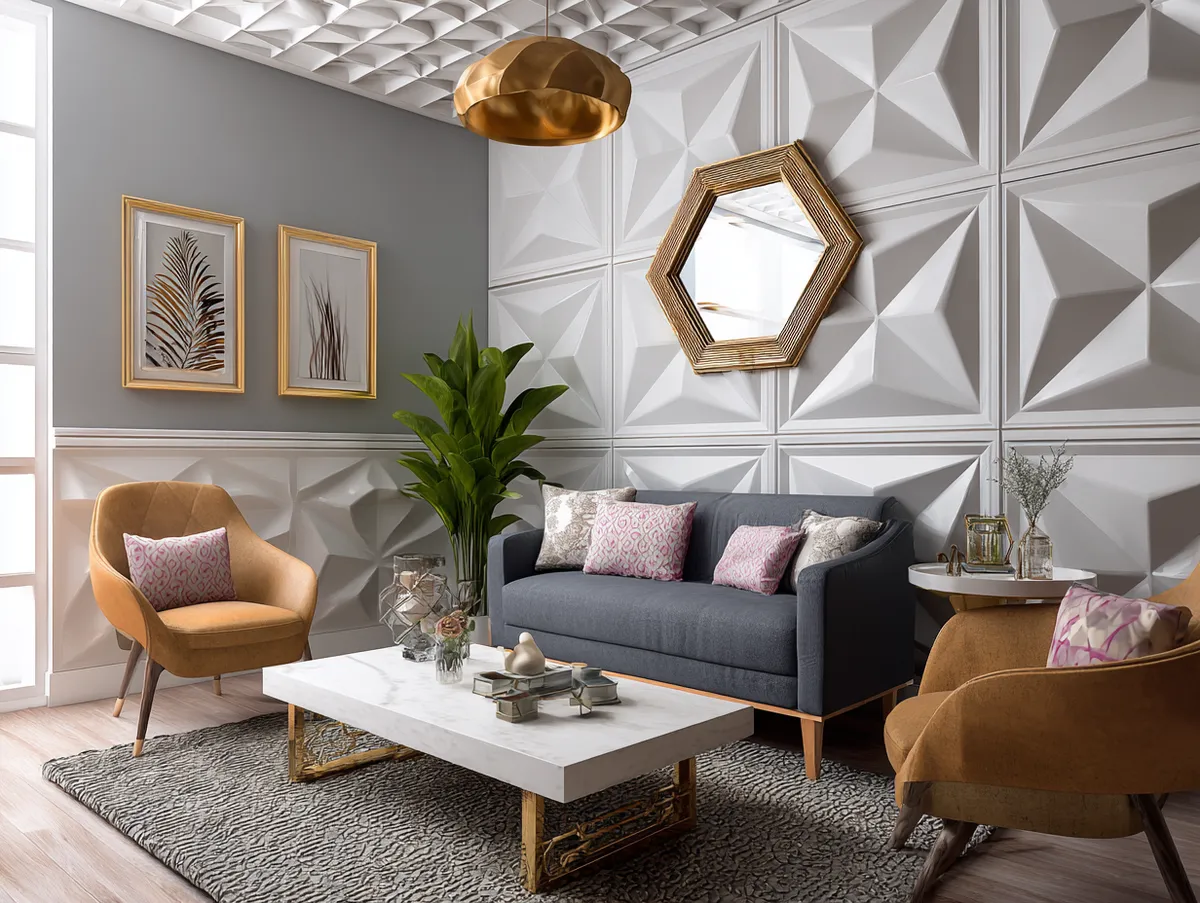
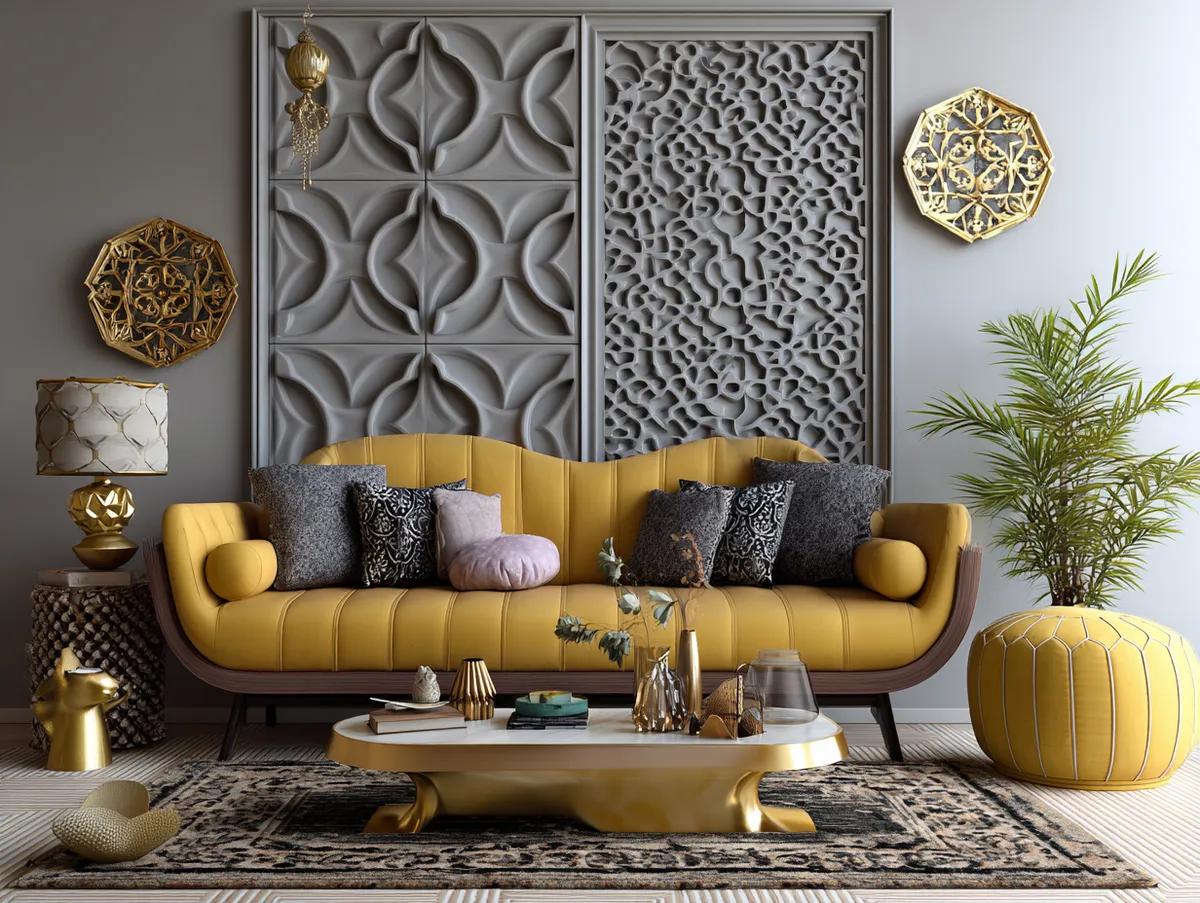
POP wins on texture and drama. Shallow reliefs of about 3 mm are the safe choice, stone-imitation panels of 8 to 10 mm suit bedrooms under 200 square feet, and deep bark or rope-effect panels of 14 to 18 mm need ceilings of about 9 feet to avoid a cave-like feel. Painting the panel two or three shades darker than the wall lets the relief show at full volume.
Where wainscoting wins
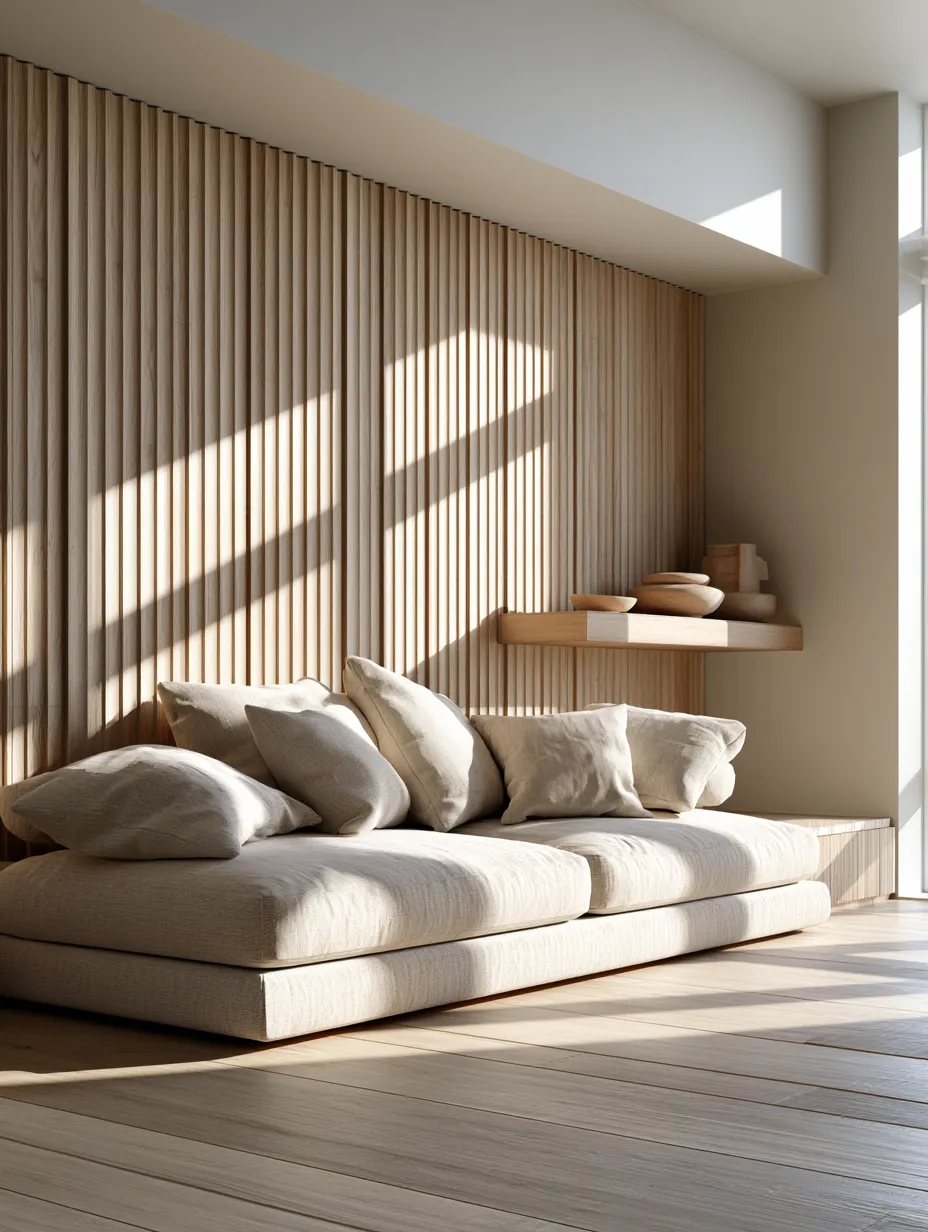
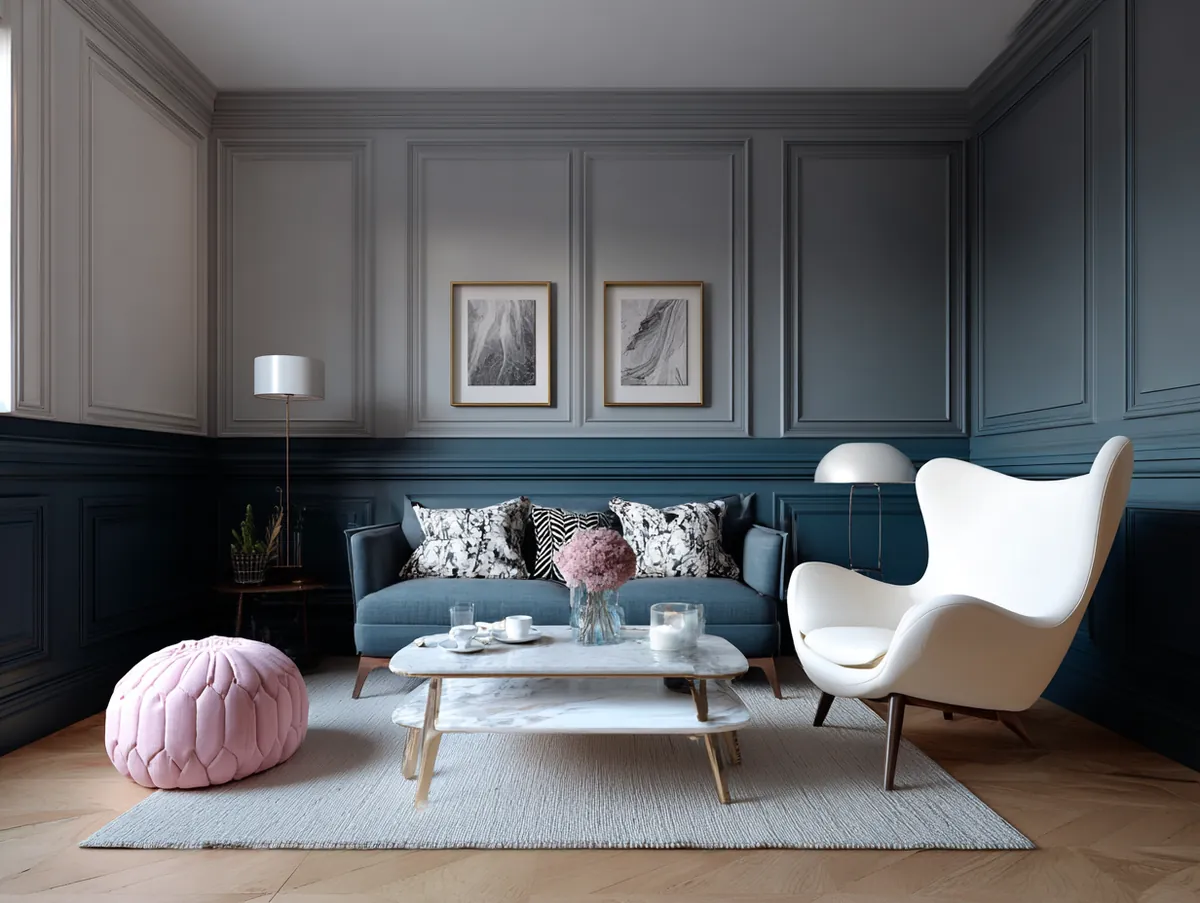
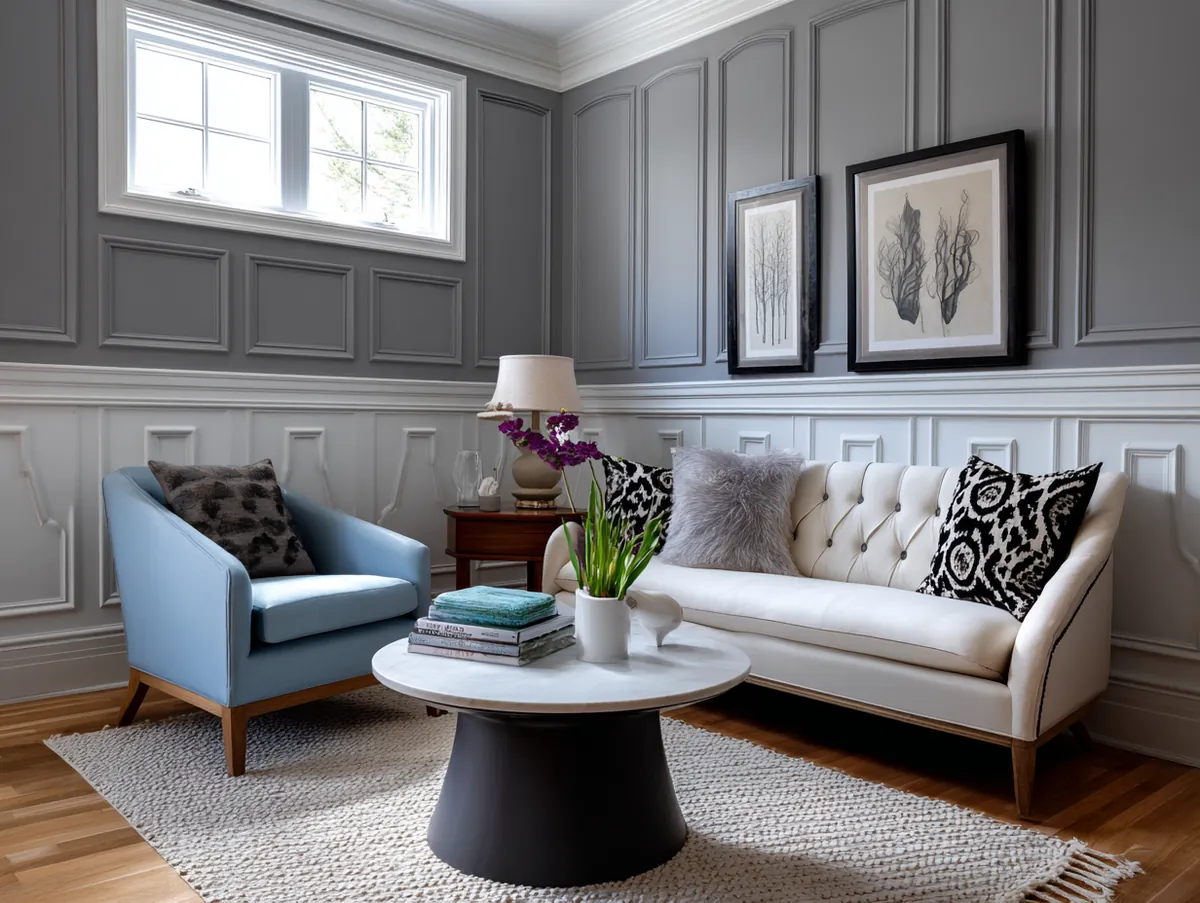
Wainscoting wins on proportion control and a formal finish. Panels covering the bottom third of the wall read as grounded, while anything above about 40 percent of the wall height starts to feel heavy. In a room with 8-foot ceilings, 36 inches of warm greige panels opens the room up, while 54 inches of dark charcoal closes it in. Vertical boards on 12-inch centers pull the eye upward, but they make a wide room look wider.
The most common mistake when choosing
The usual error is getting scale or height wrong. A small diamond grid on a 14-foot wall reads like pool tiling, because patterns smaller than about 8 inches per repeat disappear beyond 8 feet of viewing distance. Wainscoting goes wrong the other way: panels that climb too far up the wall make an 8-foot room feel low. Decide the proportions before choosing the product.

Who should choose which
Pick POP wall panels for a single statement wall in a living room, bedroom or dining area where you want the wall to replace artwork, and keep them away from wet rooms. Pick wainscoting if you prefer a classic look, want to adjust how tall or wide the room feels, or like a paint-led approach with a traditional finish. Both options reward a clear plan: measure the wall, pick the scale, then choose the style.