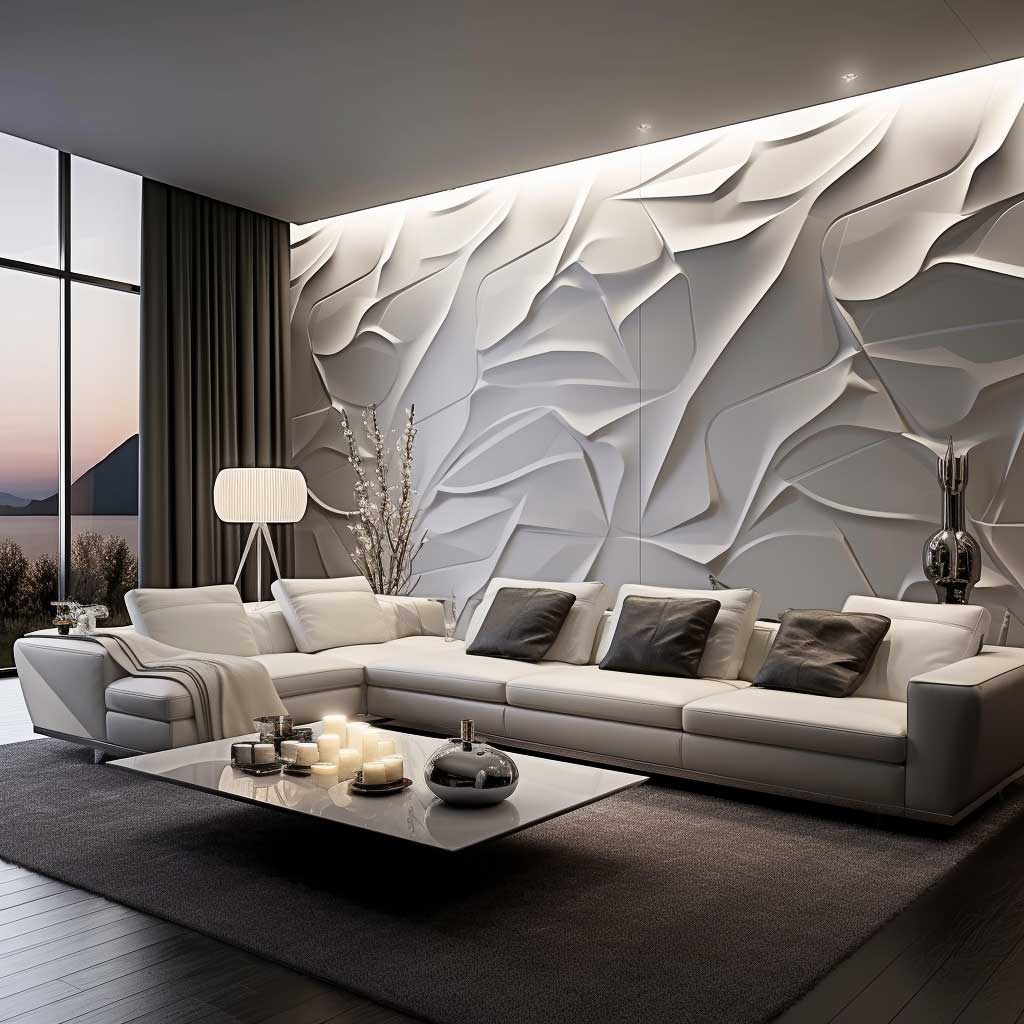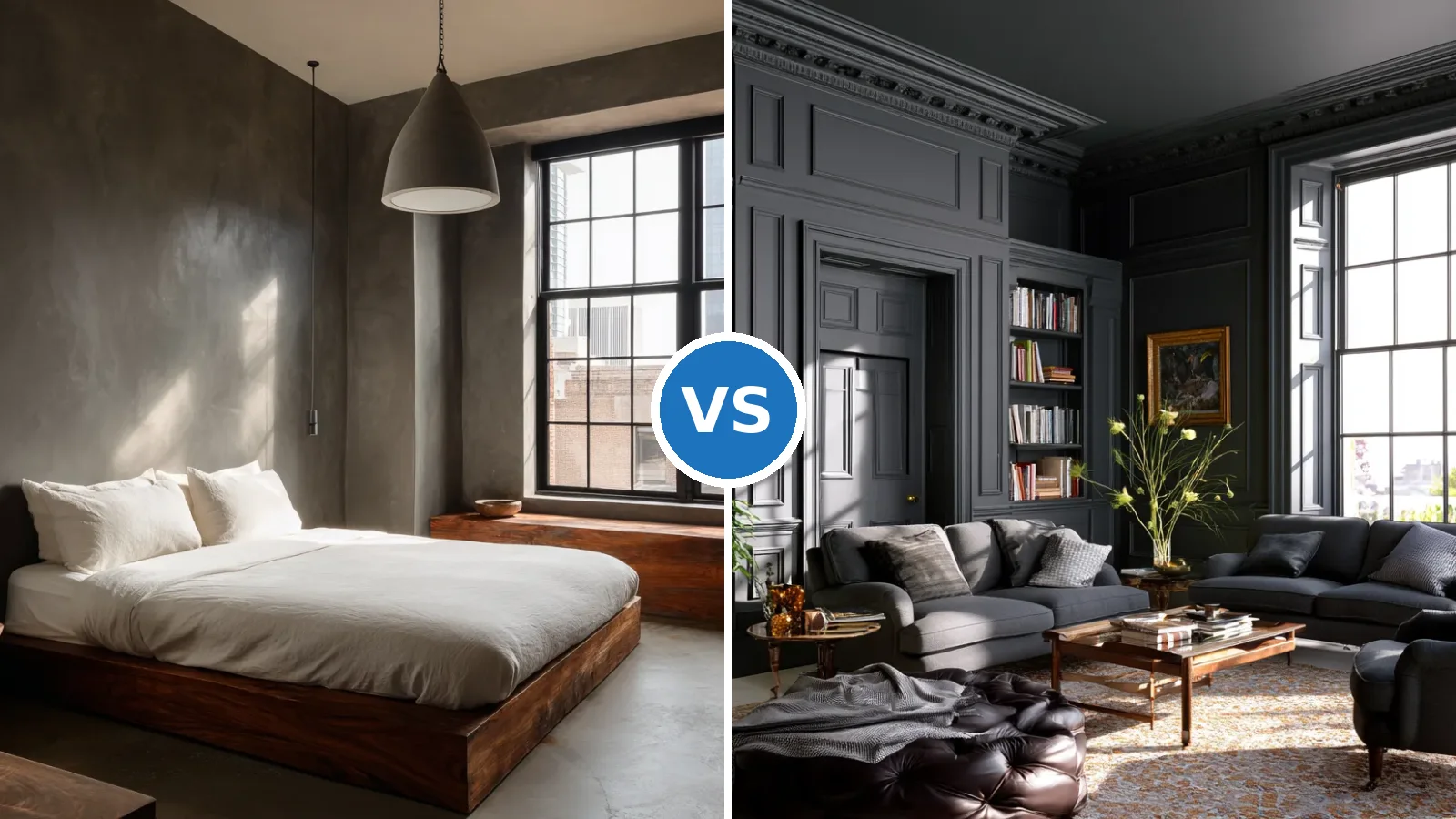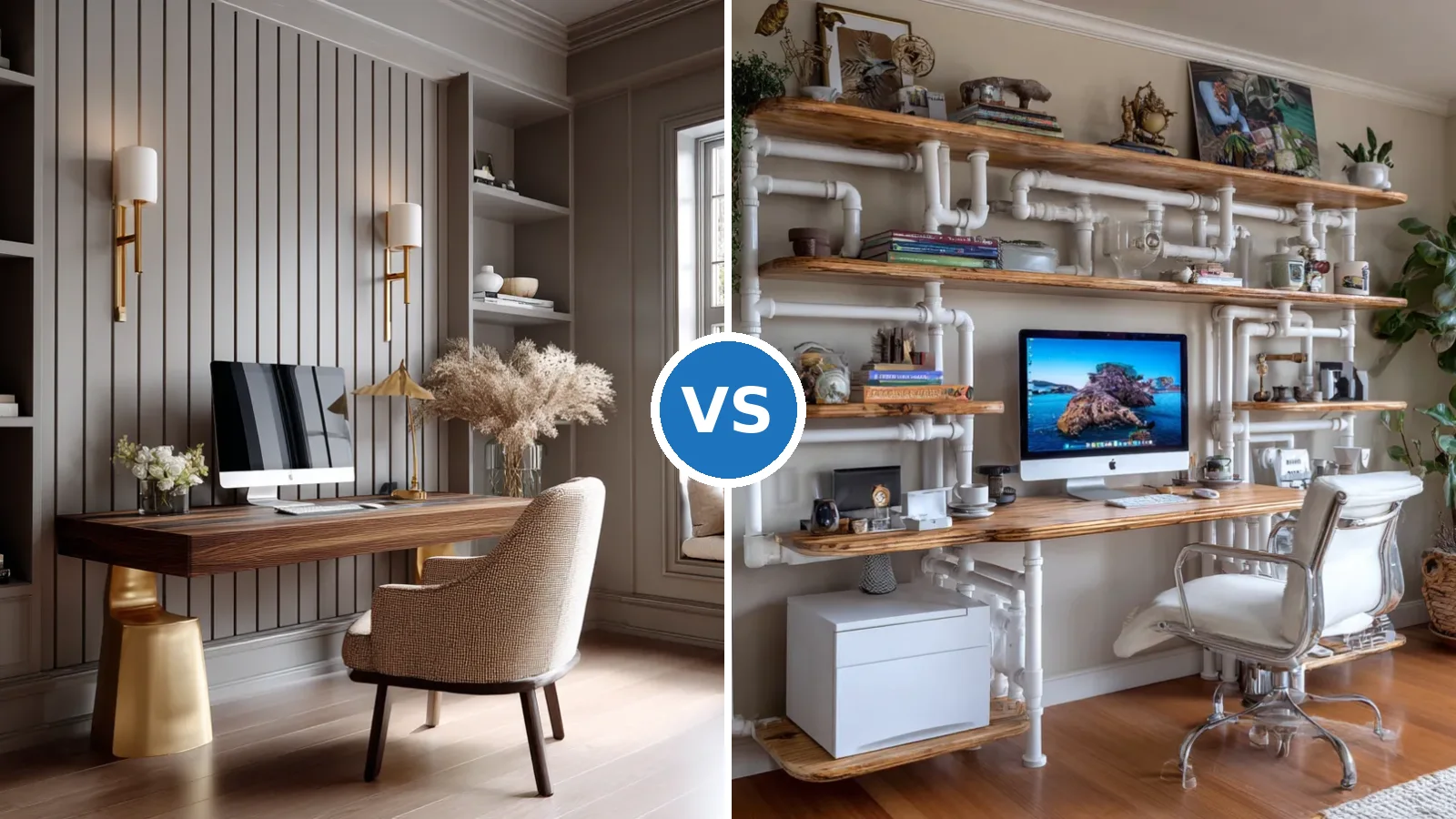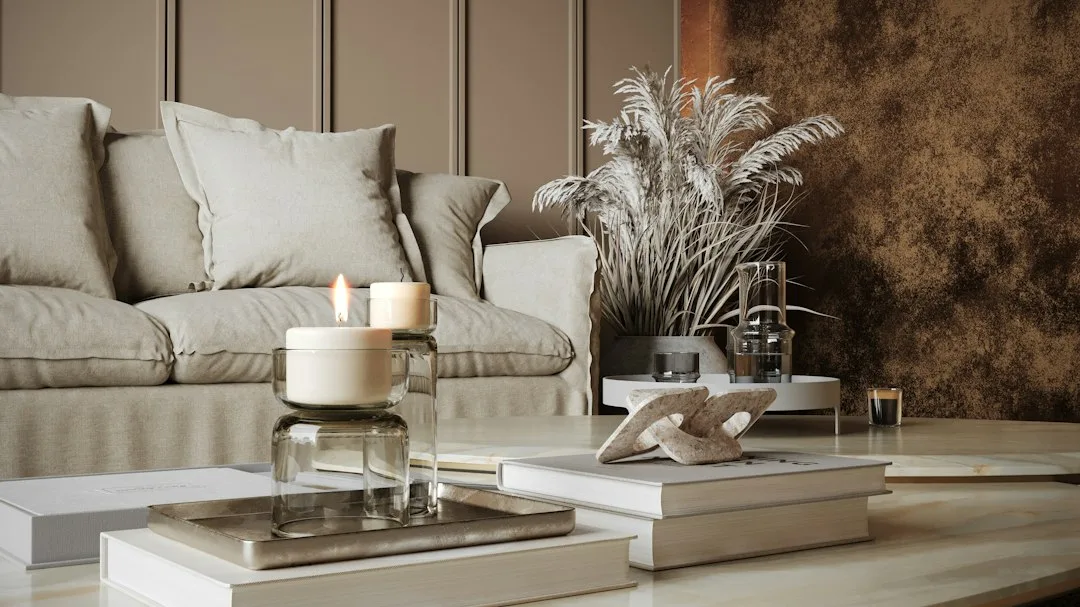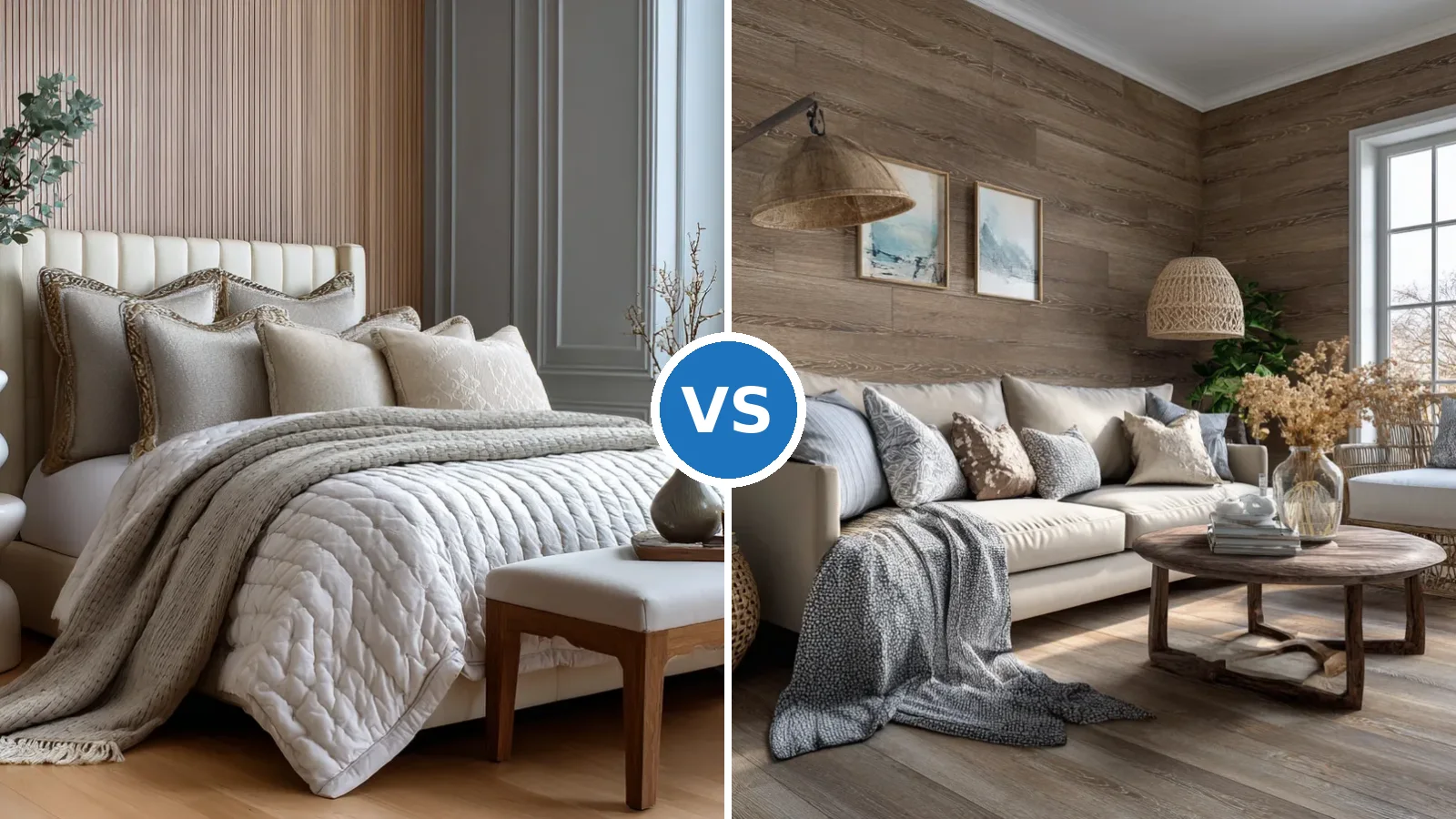
You’re standing in your living room, eyeing that blank accent wall. Two strong contenders have caught your attention: the textured depth of a fluted panel design, or the practical affordability of PVC wall panels. Both can anchor a room in different ways, but the real choice hinges on your timeline, budget, and the mood you want to create.
The pvc wall panel vs fluted panel decision often comes down to one core trade-off: cost and speed against architectural refinement.

What fluted panels and PVC panels actually are
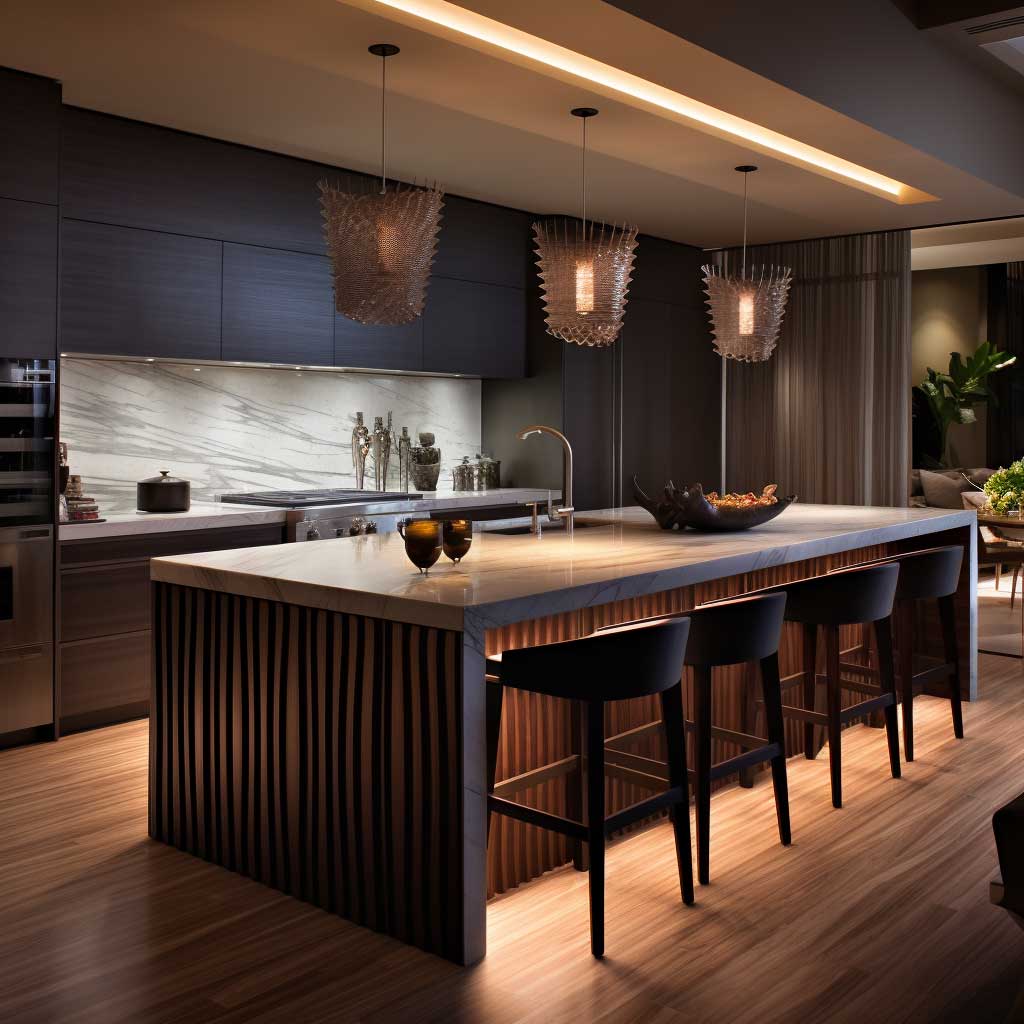
Fluted panels are rigid, vertical-ridged surfaces made from solid wood or MDF that create wave-like grooves running top to bottom. Fluted panel design transforms spaces with rhythm and depth, catching light to cast subtle shadows throughout the day. They’re often installed as feature walls or applied to specific elements like kitchen islands or bedroom headboards.
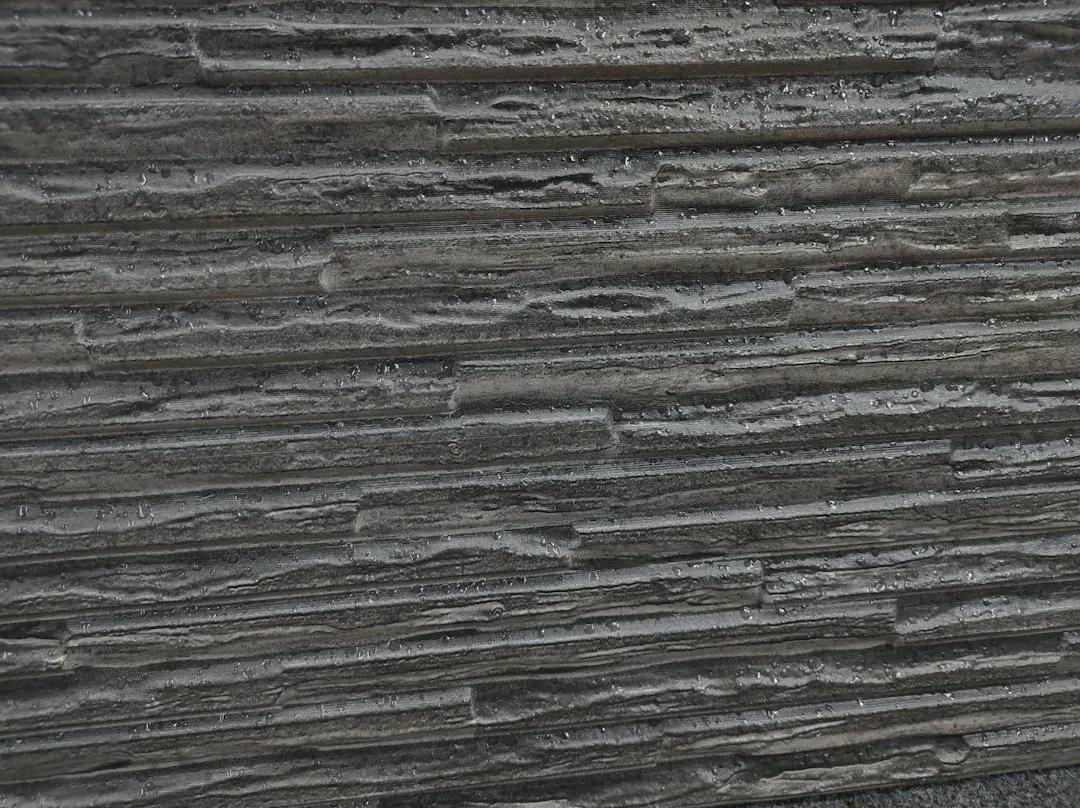
PVC wall panels are lightweight plastic sheets, typically 8 mm thick or more, sold in modular tile or plank formats. PVC wall panel designs come in three main styles: 3D textured, wood-grain, and decorative molded. They mount with construction adhesive and cover a wall in a weekend.
Both add texture and visual interest. The critical difference is material, weight, installation, and feel. When comparing pvc wall panel vs fluted panel projects, the choice hinges on whether you prioritize speed and budget or architectural refinement.
Quick Verdict
- Choose fluted panels if you want a refined, architectural aesthetic and don’t mind regular groove dusting.
- Choose PVC panels if you’re budget-conscious, value a quick install, and prefer low maintenance.
- Choose fluted panels if your project is a bedroom or home office where architectural grace matters most.
- Choose PVC panels if you’re transforming a kitchen, bathroom, or living room where moisture and quick cleaning matter.
- Choose PVC panels if you want to complete the job in a single weekend without hiring professionals.
Cost, installation time, and real-world maintenance
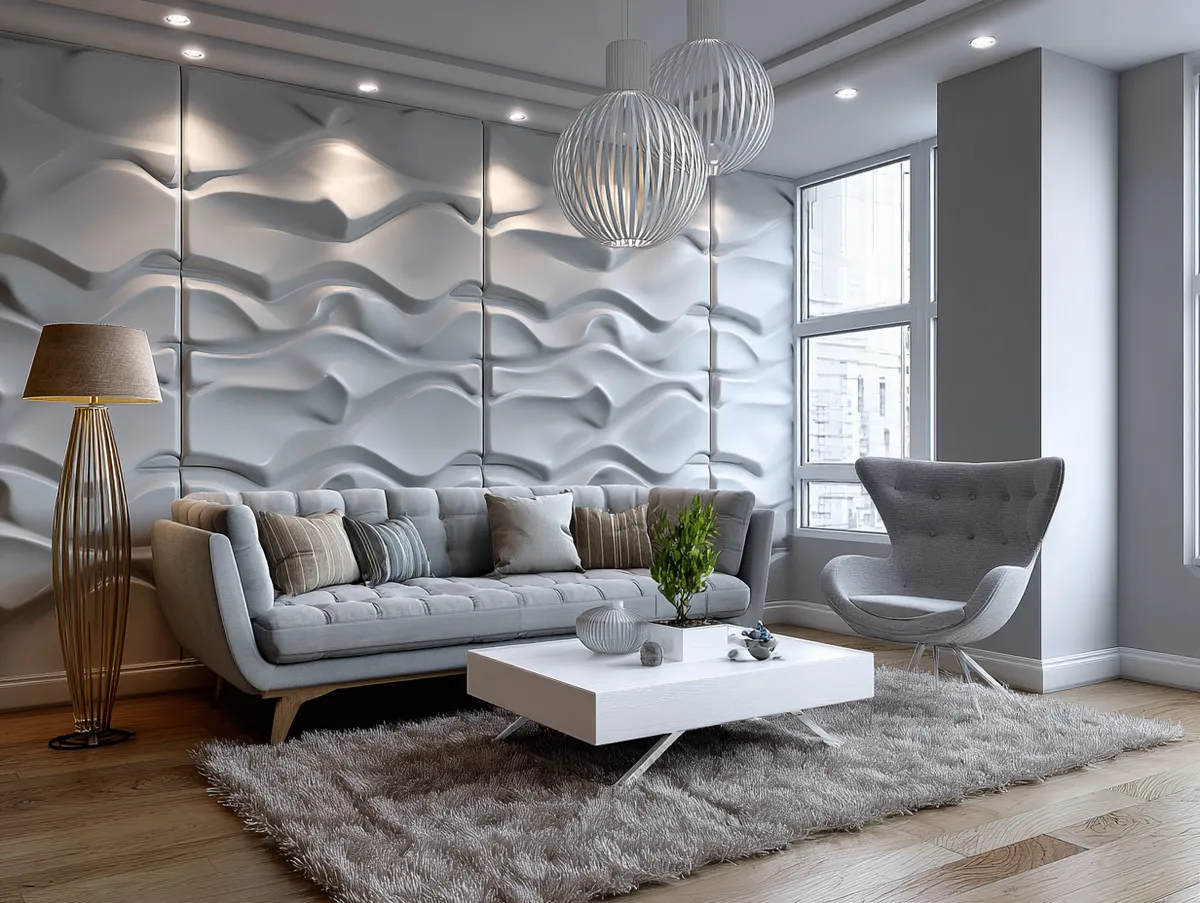
PVC wall panels cost between $1 and $8 per square foot and install in one weekend for a single accent wall. An entire living room takes 2 to 3 days. Fluted panels, typically crafted from wood or MDF, carry a higher material cost and require more skilled installation, though exact pricing varies by supplier and finish.
Installation for fluted panels is slower because each panel often requires precise carpentry, leveling, and finishing work. PVC panels need only construction adhesive, a level, a measuring tape, and basic tools. The entire process is DIY-friendly for most homeowners.
Maintenance diverges sharply here. PVC panels resist water and fire, making them durable for high-traffic areas. Fluted panels, especially wood ones, demand regular dusting because dust settles deep in the grooves—a soft brush vacuum attachment becomes necessary every few cleaning sessions. Paint and wallpaper fade and crack over years, but PVC doesn’t discolor or require repainting.

Head-to-head — style, durability, and daily living
| Criteria | Fluted Panel | PVC Wall Panel |
|---|---|---|
| Material | Solid wood or MDF | Plastic (8 mm+ thickness) |
| Cost per sq ft | Higher (varies by supplier) | $1–$8 |
| Install time (accent wall) | Multiple days | One weekend |
| Water resistance | Requires sealing (wood) | Naturally water-resistant |
| Dust maintenance | Requires soft brush regularly | Wipes clean easily |
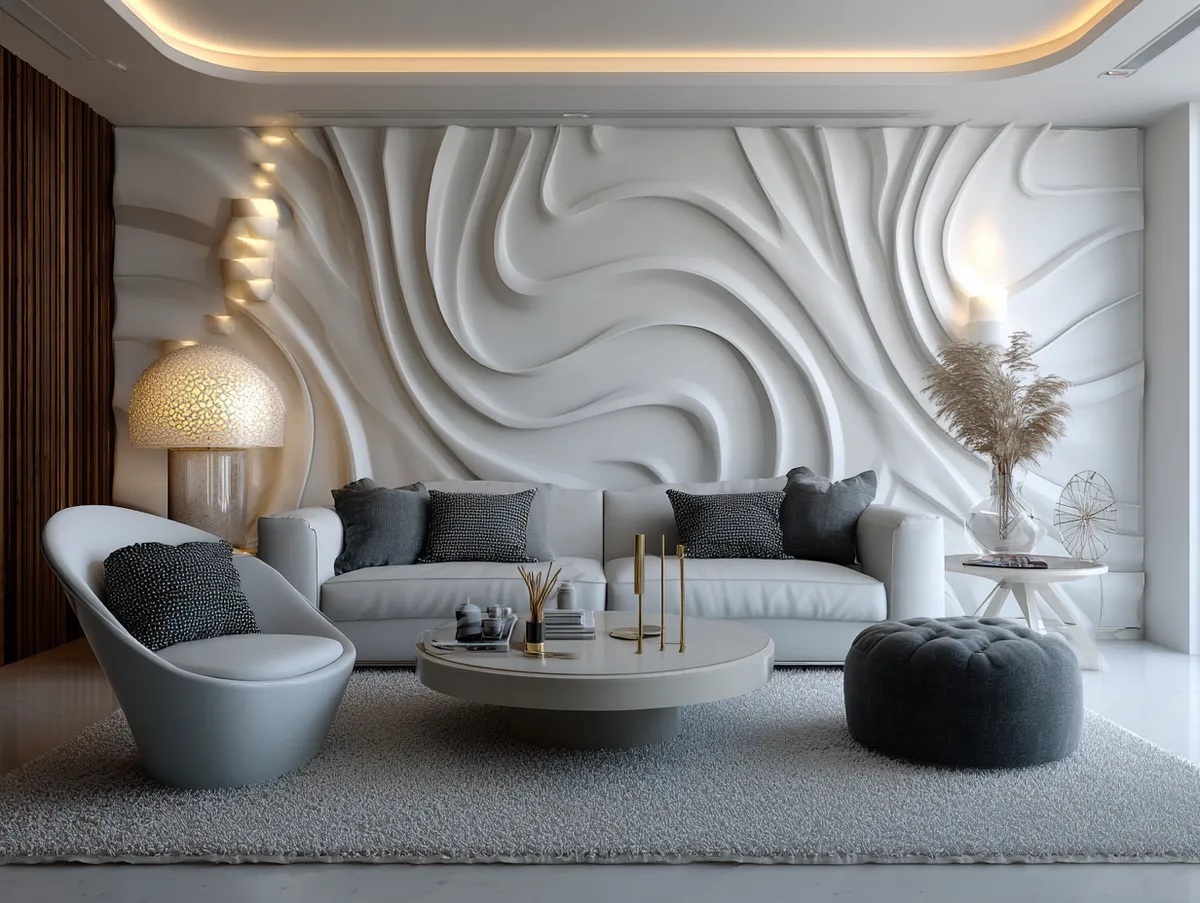
| Style range | 3D wave, modern, elegant | 3D textured, wood-grain, molded |
| Light and shadow play | Subtle, evolves throughout day | Dramatic (especially 3D patterns) |

Where fluted panels win
Fluted panels excel when architectural presence and refinement matter most. In a bedroom feature wall or home office, the gentle play of light and shadow creates a soothing, intentional quality that mass-produced PVC panels struggle to match. They project sophistication and permanence.
Fluted panels also deliver acoustic benefits, especially when made from wood. This makes them ideal in a home office where sound absorption reduces distractions. The material feels more premium to the touch and reads as a thoughtful, custom design choice.
For rooms where durability against visual wear is a priority, fluted panels mask minor scratches and blemishes well thanks to their textured surface. Over time, a well-installed fluted wood panel resists visible wear better than a budget PVC panel, which may warp or yellow if thin or poorly installed.
Where PVC wall panels win
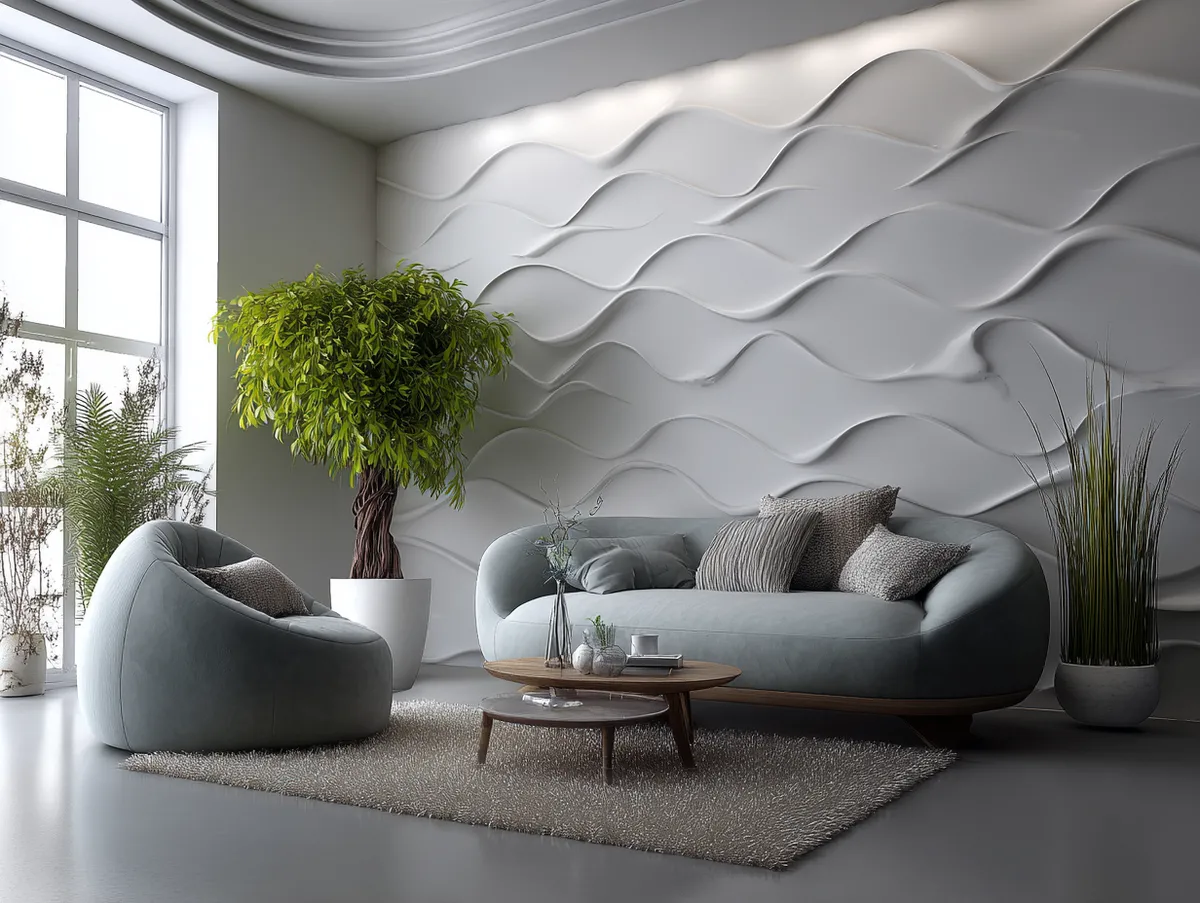
PVC panels are the clear winner for speed, cost, and practicality. At $1–$8 per square foot versus the significantly higher cost of fluted panels, PVC lets you accent an entire living room without a major budget hit. A three-day project becomes a weekend project.
In kitchens and bathrooms, PVC’s resistance to water and fire is non-negotiable. Fluted wooden panels in a steamy kitchen require protective sealing and careful maintenance. PVC wipes clean, handles splashes without damage, and needs no refinishing.
PVC also offers true style variety within one product category. You can choose 3D drama for shadow play, wood-grain fakes that mimic oak or walnut without the price, or decorative molded designs that replicate plaster trim. This flexibility lets renters and indecisive homeowners experiment without long-term commitment.

The number one mistake — ignoring wall quality and panel thickness
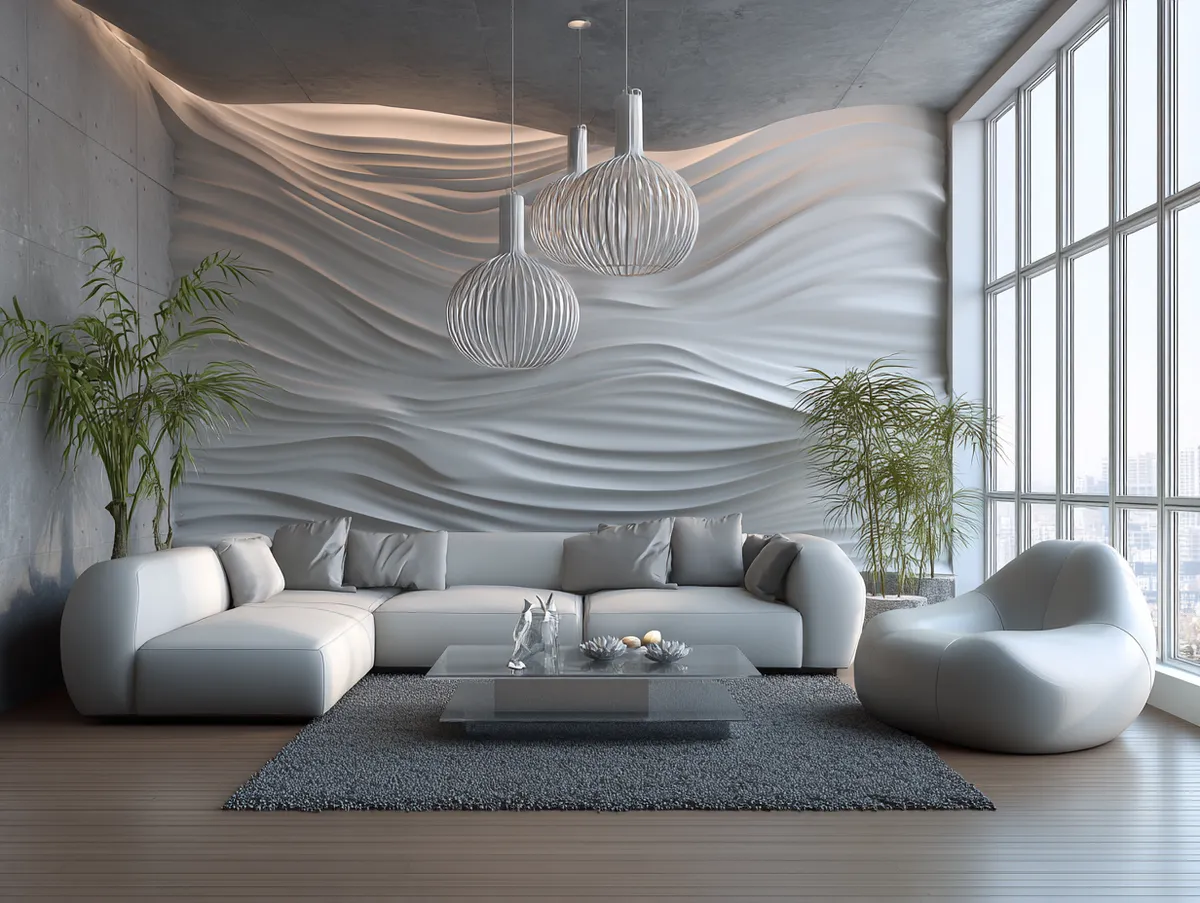
The most costly error is installing cheap, thin panels (under 8 mm) on unprepped walls. Thin PVC panels warp within months if the wall has any flex, and every bump in the drywall telegraphs through the finished surface. Fluted panels suffer similarly if installed on damaged, uneven drywall or plywood with soft spots.
One homeowner glued thin foam-backed PVC from an unknown brand directly to existing drywall, skipping any wall prep. Within six months, panels warped, yellowed, and seams became visible. The cost of removal and reinstall far exceeded the original savings.
Always sand glossy wall surfaces, clean dust and loose paint, and test the wall for flex by pressing your palm flat. If you feel movement, add plywood backing before adhesive touches anything. Spend an extra day on prep and save yourself a year of regret.
Final verdict — which should you choose
Choose fluted panels if you’re investing in a bedroom, home office, or formal dining room and want a refined, permanent aesthetic. You have time, budget flexibility, and appreciate the evolving interplay of light and shadow.
Choose PVC wall panels if you’re on a budget, need the job done in a weekend, or are treating a kitchen, bathroom, or living room where moisture and easy maintenance trump architectural ambition. PVC delivers style and texture at a fraction of the cost and time.
Both add character and depth. The real winner is whichever matches your timeline, room type, and priorities.