Quick Scan
- Fluted wood wall panels add shadow, warmth, and acoustic performance simultaneously — flat paint does none of these.
- Walston Architectural Products offers three flute widths (1", 2", 3") with stone, wood, and linen finishes — $5 samples available before committing.
- Andor Willow's ultra-low VOC MDF panels are the safest choice for children's rooms and enclosed spaces.
- Acclimatise panels for 48 hours flat in the installation room — skipping this causes post-fit gaps and buckling.
- Align panel seams with groove channels, not between them, to keep the groove rhythm visually unbroken.
Flat paint is starting to look like an unfinished thought. Across living rooms, bedrooms, entryways, and kitchens, homeowners in 2026 are pulling away from smooth white drywall and replacing it with something that actually does something — fluted wood wall panels that add real texture, real warmth, and a level of architectural presence that no roller and tin of emulsion can replicate. The shift is not subtle. Homes & Gardens has confirmed fluted panelling as one of the biggest interior design trends of the year, and Wayfair logged a steep surge in verified consumer reviews on fluted and acoustic slat panel lines from February through April 2026 alone.
What is driving this so hard right now? A collective fatigue with stark minimalism — the kind where every surface is flat, every wall is the same colour, and the only variation is a single piece of abstract art. Fluted panels answer that fatigue directly. They create shadow lines without paint. They add warmth without furniture. And because they work acoustically as well as visually, they make rooms feel quieter and more considered at the same time.
What Fluted Wood Wall Panels Actually Do to a Room
The material logic is straightforward. Fluted panels run vertical grooves — or reeds — across a panel face, and those grooves catch light differently at every hour of the day. Morning sun makes them read almost like sculpture. Evening lamp light turns them into a soft, directional warmth that no flat surface can produce. The effect is architectural without requiring a renovation.
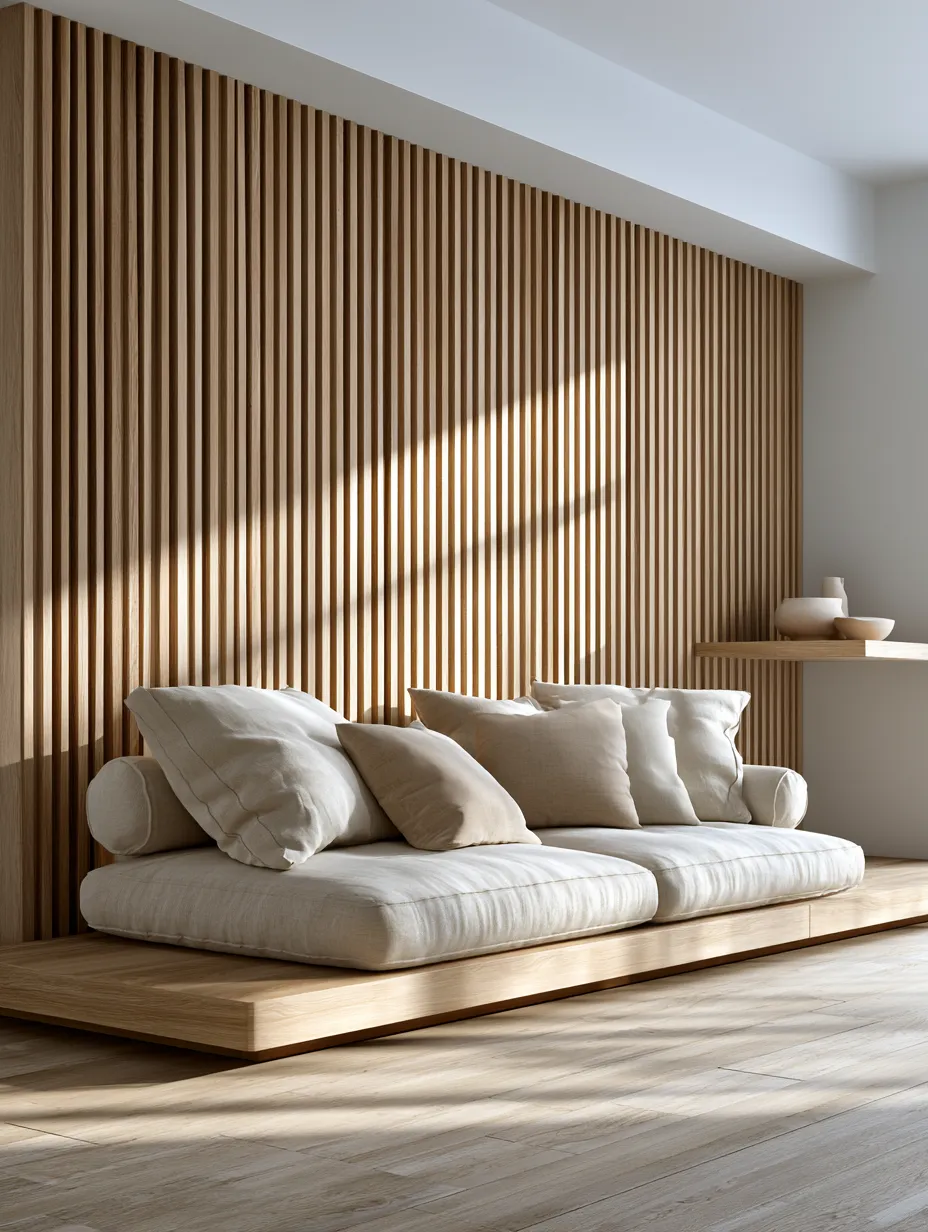
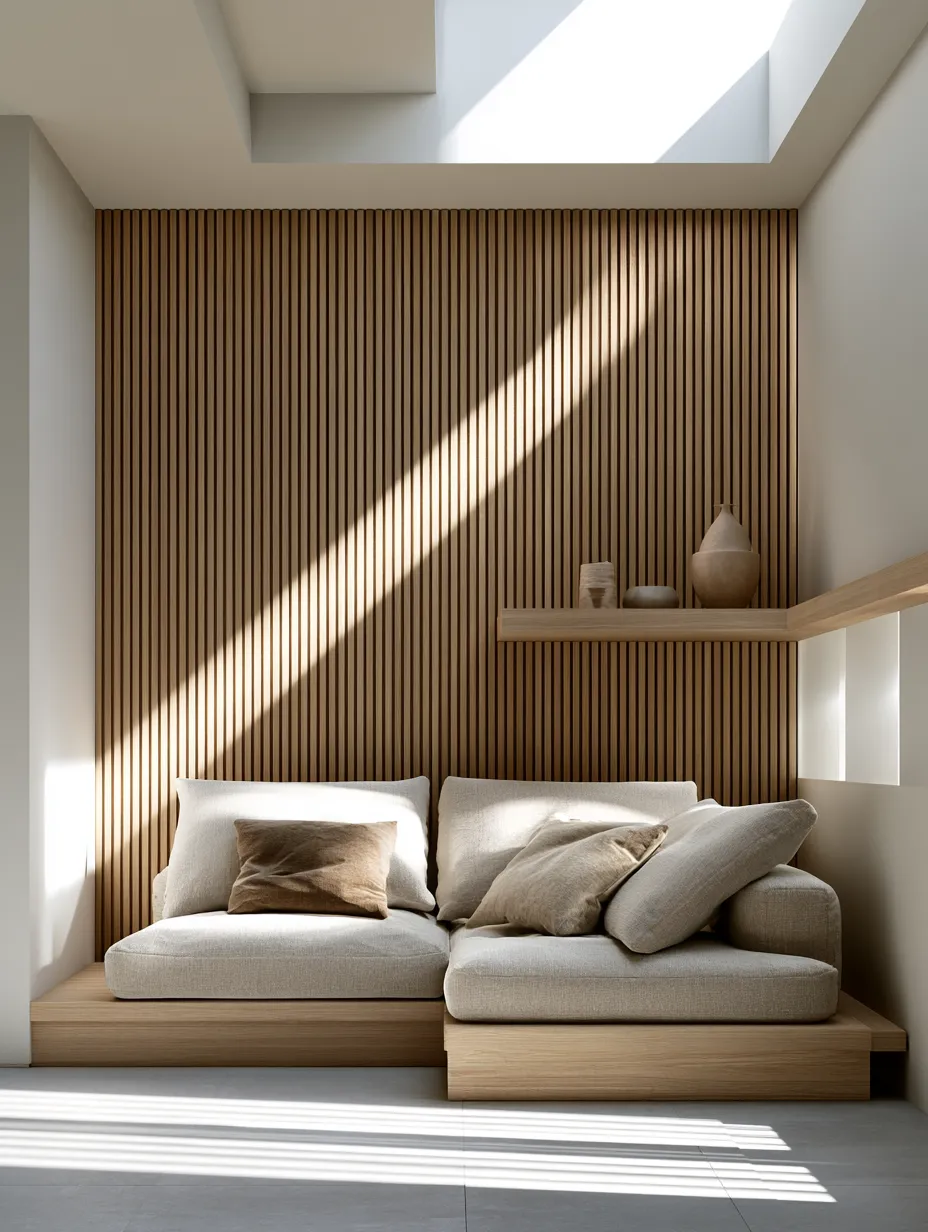
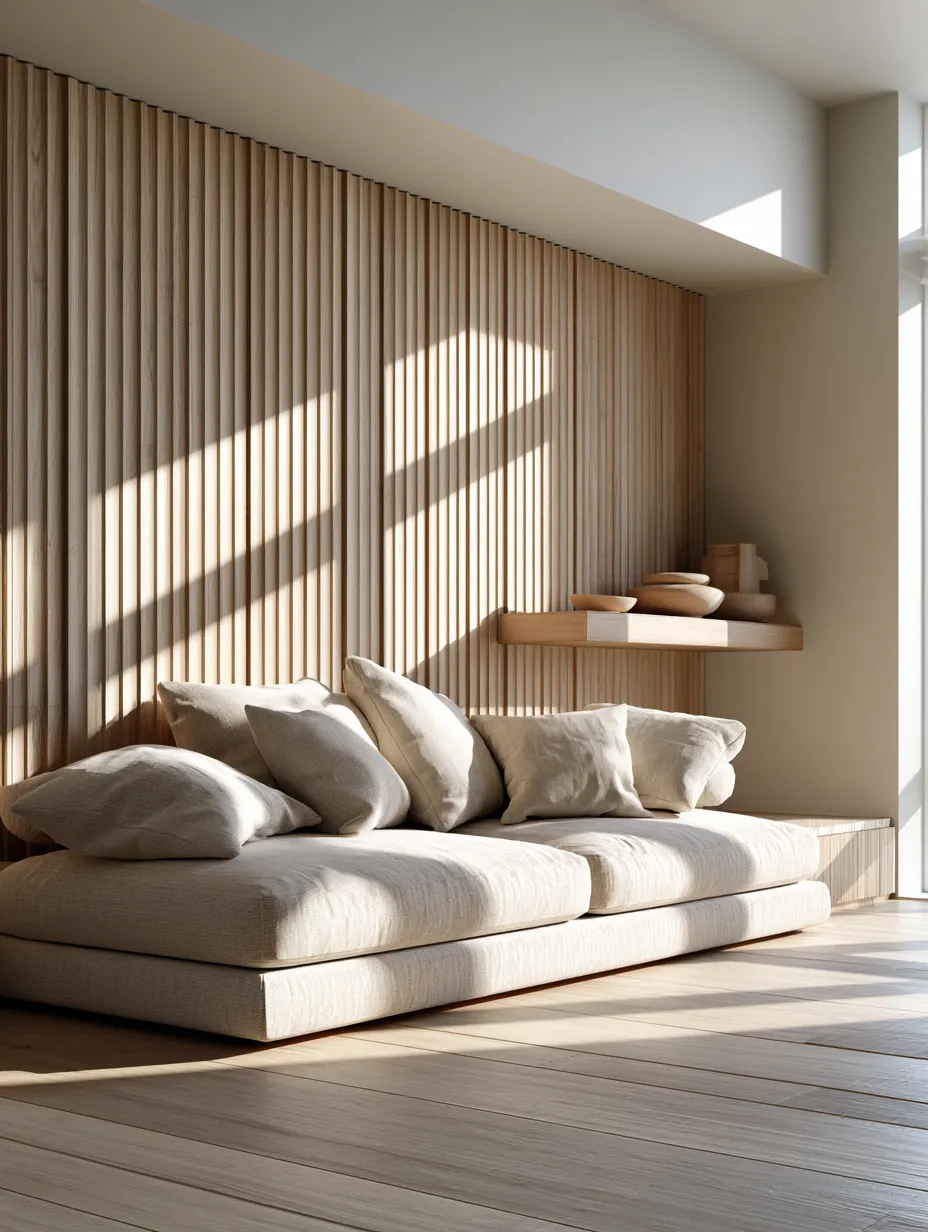
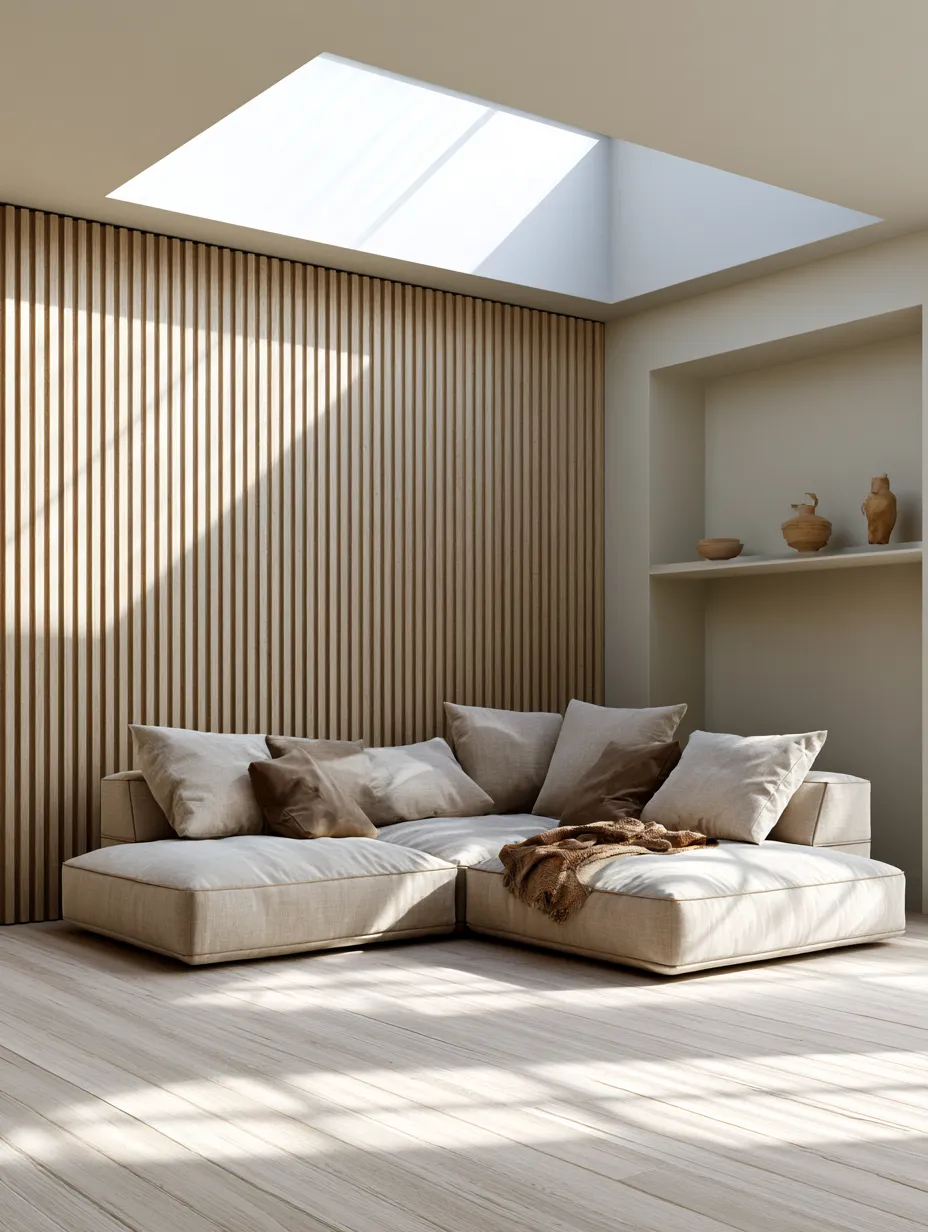
For anyone who has ever stood in a room and felt it was missing something without being able to name it — this is usually what was missing. Texture. The kind that reads from across the room, not just when you press your hand against it. Geometric Wood Wall Art Transforms a Tranquil Dining Room covers this visual logic well in the context of dining spaces, and the same principle scales directly to full-wall panelling.
Walston Architectural Products offers fluted panels in 1-inch, 2-inch, and 3-inch flute widths — and that variation matters more than most buyers expect. Narrower flutes at 1 inch read refined and tailored, close to classical reeded millwork. Wider flutes at 3 inches push toward something more contemporary and graphic, more suitable for a bold feature wall than a wraparound installation. Walston manufactures with a premium 3D laminate core available in wood-tone, stone-effect, and linen-texture finishes, with samples at $5 each — which is worth doing before committing to a full room.
Do not choose a finish based on small swatches under store lighting. Fluted panels read entirely differently under warm residential light versus the cool fluorescents of a showroom. Order the $5 Walston sample, pin it to your actual wall, and live with it for two days across different lighting conditions before ordering.
The acoustic benefit is real and frequently underestimated. The groove profile breaks up flat sound reflections, reducing echo in hard-floored rooms noticeably. This is why interior designers are now specifying fluted panels not just as aesthetic choices but as functional surface materials — particularly in open-plan living areas where hard surfaces dominate and sound management becomes an actual quality-of-life concern.
Don’t Do This
- Do not mix flute widths on adjacent walls in the same room — different groove scales create visual noise rather than designed contrast.
- Do not skip the 48-hour acclimatisation period before installation — wood-based panels that skip this step expand or contract post-fit and create seam gaps that cannot be corrected cleanly.
- Do not place MDF fluted panels within direct radiant heat range of a fireplace or gas insert — use solid hardwood or a physical buffer zone in heat-adjacent applications.
- Do not select a finish from small swatches under showroom fluorescents — order the sample, pin it to your wall, and evaluate it under your actual residential lighting across a full day.
Which Brands and Finishes Are Leading the Interior Materials Market
The market for fluted wood wall panels has expanded sharply enough in 2026 that the choices now span from entry-level MDF to bespoke solid hardwood — and knowing which tier serves which project prevents expensive regret. The four brands currently setting the pace each occupy a different position on that spectrum.
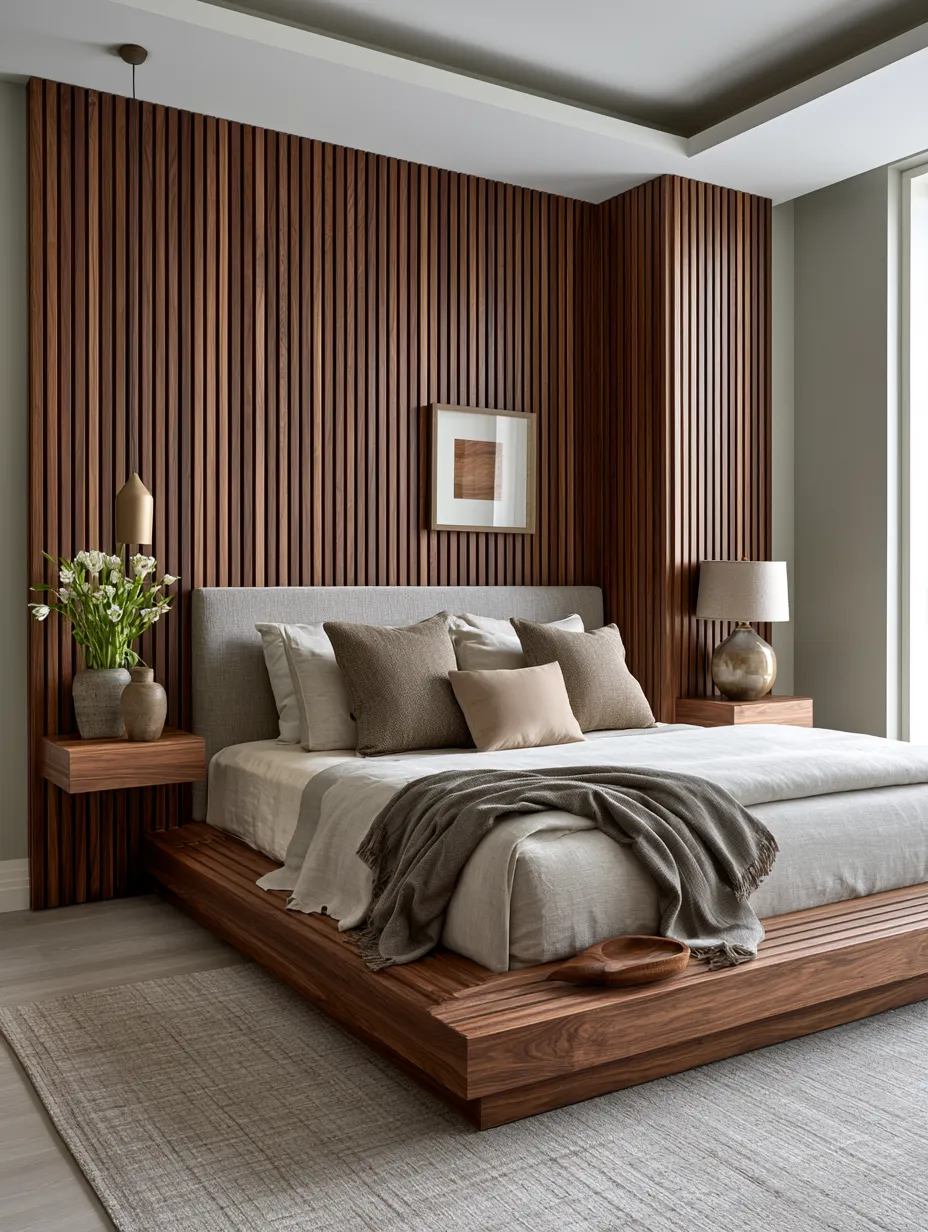
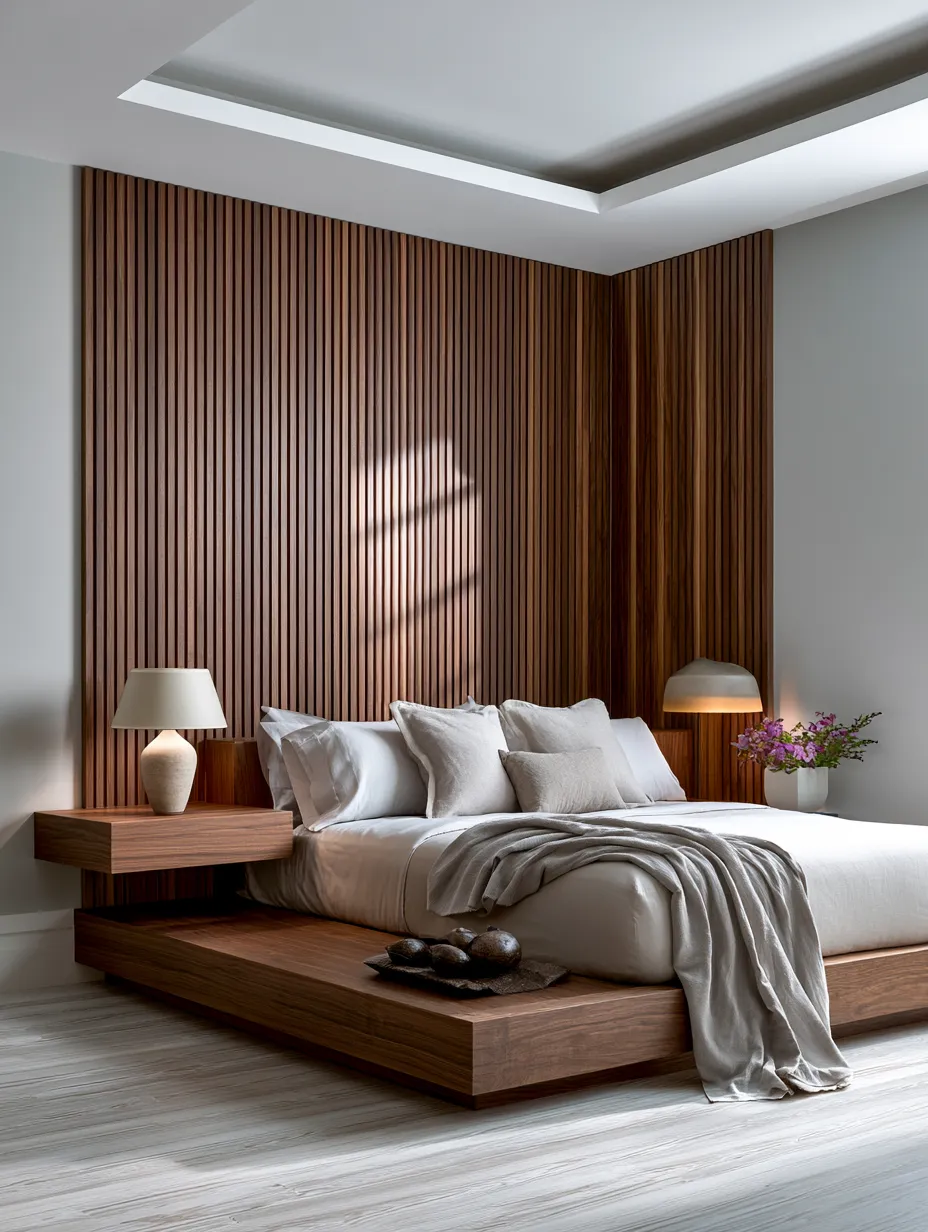
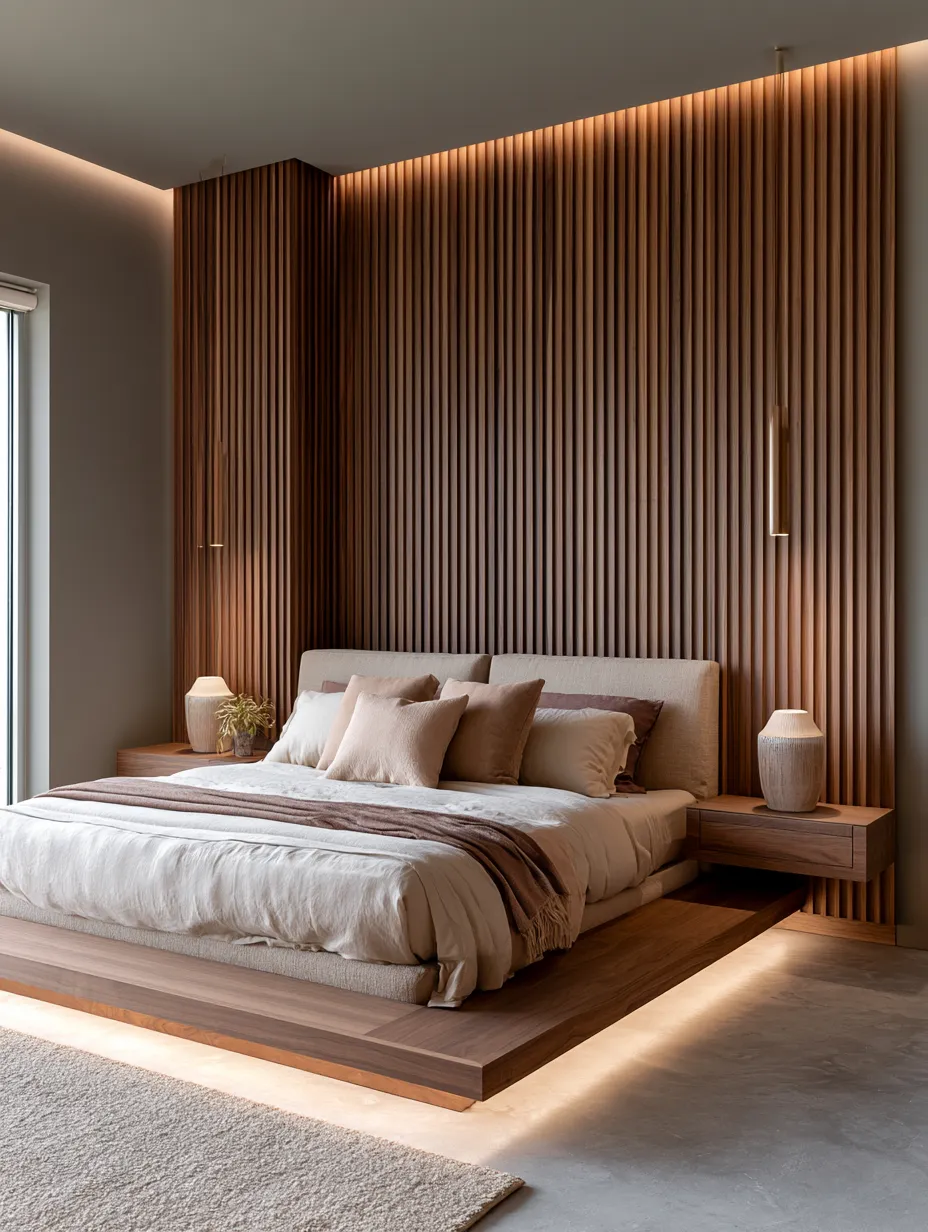
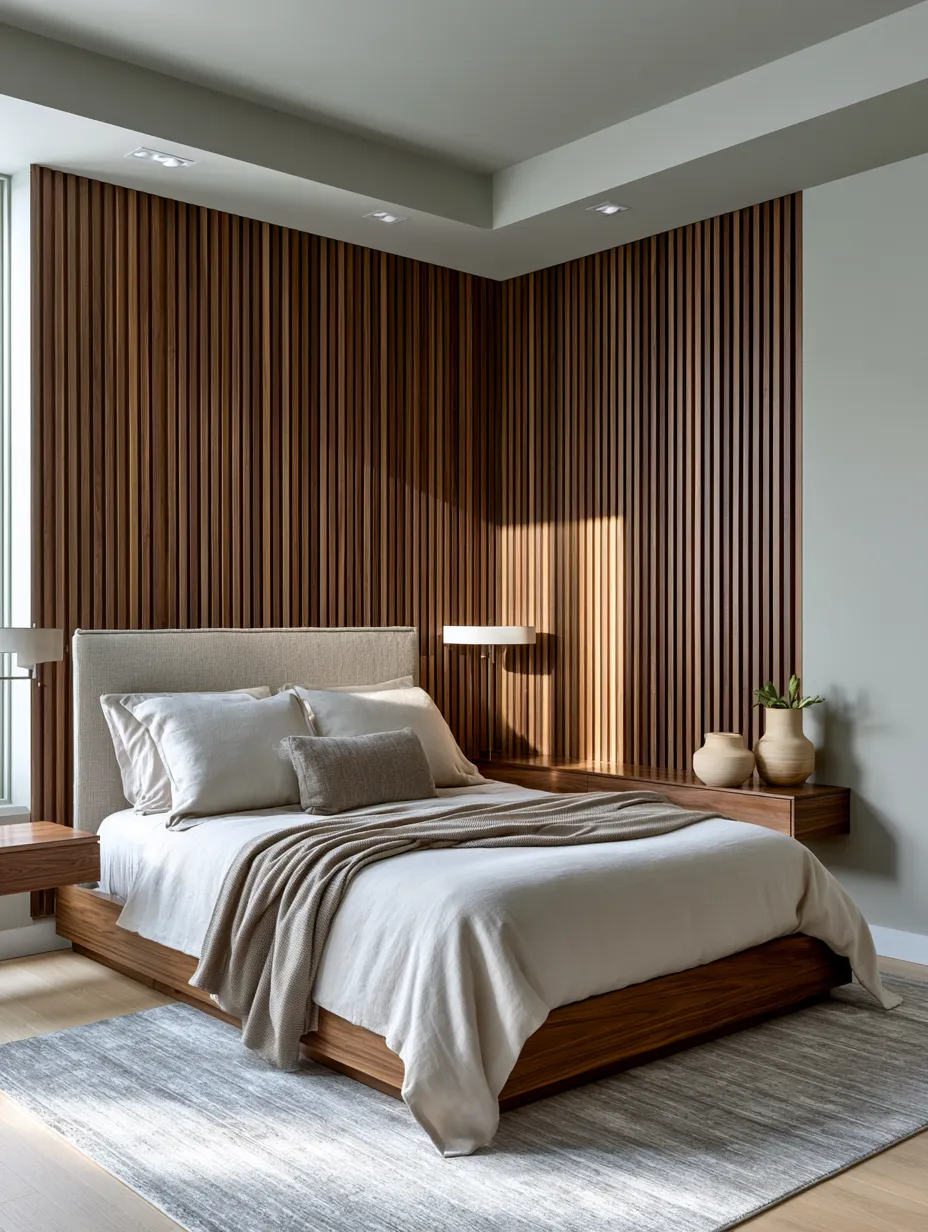
Andor Willow manufactures paintable MDF fluted wall panels in 8-foot and 9-foot lengths with ultra-low VOC certification. For anyone fitting out a nursery, a child’s bedroom, or a space where air quality is a genuine concern, that VOC rating is the differentiator worth paying attention to. Andor Willow also pledges to plant one tree for every panel sold as part of a carbon-neutral 2026 programme — which matters to a significant proportion of buyers in this category and is not purely marketing. If you are looking for a project that connects naturally with Whimsical Kids Room Shines with Geometric Wall Design in Wood, the Andor Willow paintable MDF line gives you full colour control without the VOC risk.
The Wood Veneer Hub launched a collaboration with Drew and Jonathan Scott — the Property Brothers — in early 2026, producing a natural wood fluted panel line that moved the material decisively into mainstream retail. Celebrity endorsement aside, the WVH collaboration panels use genuine wood veneer faces over engineered cores, which gives them the grain variation and warmth of real timber at a price point below solid wood. That combination is largely why Wayfair’s fluted panel category — including SereniSlats Acoustic Wood Slat Panels and the Volga Panels line — saw such concentrated review activity between February and April 2026.
At the premium end, Casa Métier offers hand-selected hardwood fluted solid wood panels with custom sizing for luxury residences and bespoke hospitality projects. These are not off-the-shelf. They are specified the way you would specify custom joinery — dimensions, species, finish, and grain direction agreed before production begins. For a private study, a primary bedroom feature wall, or a boutique hotel corridor, they set a standard that engineered panels simply cannot match in terms of material presence.
What finish direction is 2026 taking beyond white oak? Projections across the interior materials sector point clearly toward wider groove spacing, deeper channel profiles, and a move into stained wood, stone-composite, and concrete-effect surface treatments. The white oak era is not ending — but it is being joined by smoked walnut, charcoal-stained ash, and stone-look panels that carry the same groove geometry into completely different tonal registers.
Avoid the mistake of mixing flute widths within the same room unless you have a clear design logic for the transition. A 1-inch reeded panel on one wall next to a 3-inch groove panel on the adjacent wall creates visual noise rather than contrast. Commit to one flute scale per space, and let the finish and species do the variation work instead.
| Brand | Material / Core | Best For |
|---|---|---|
| Andor Willow | Ultra-low VOC MDF, paintable | Kids rooms, enclosed spaces, budget-conscious installs |
| Walston Architectural Products | 3DL laminate core, wood/stone/linen finishes | High-humidity rooms, varied finish needs, sample-first buyers |
| The Wood Veneer Hub (WVH) | Real wood veneer over engineered core | Living rooms, bedrooms, mainstream residential installs |
| Casa Métier | Hand-selected solid hardwood, custom sizing | Luxury residences, bespoke hospitality, fireplace surrounds |
Room-by-Room Installation Logic That Most Buyers Miss
Applying fluted wood wall panels without a room-specific strategy produces results that look like an afterthought. The material has genuine architectural weight, and that weight lands differently in a kitchen than it does in a living room or a bathroom-adjacent corridor. Working through each room type before ordering prevents the most common installation regret in this category.
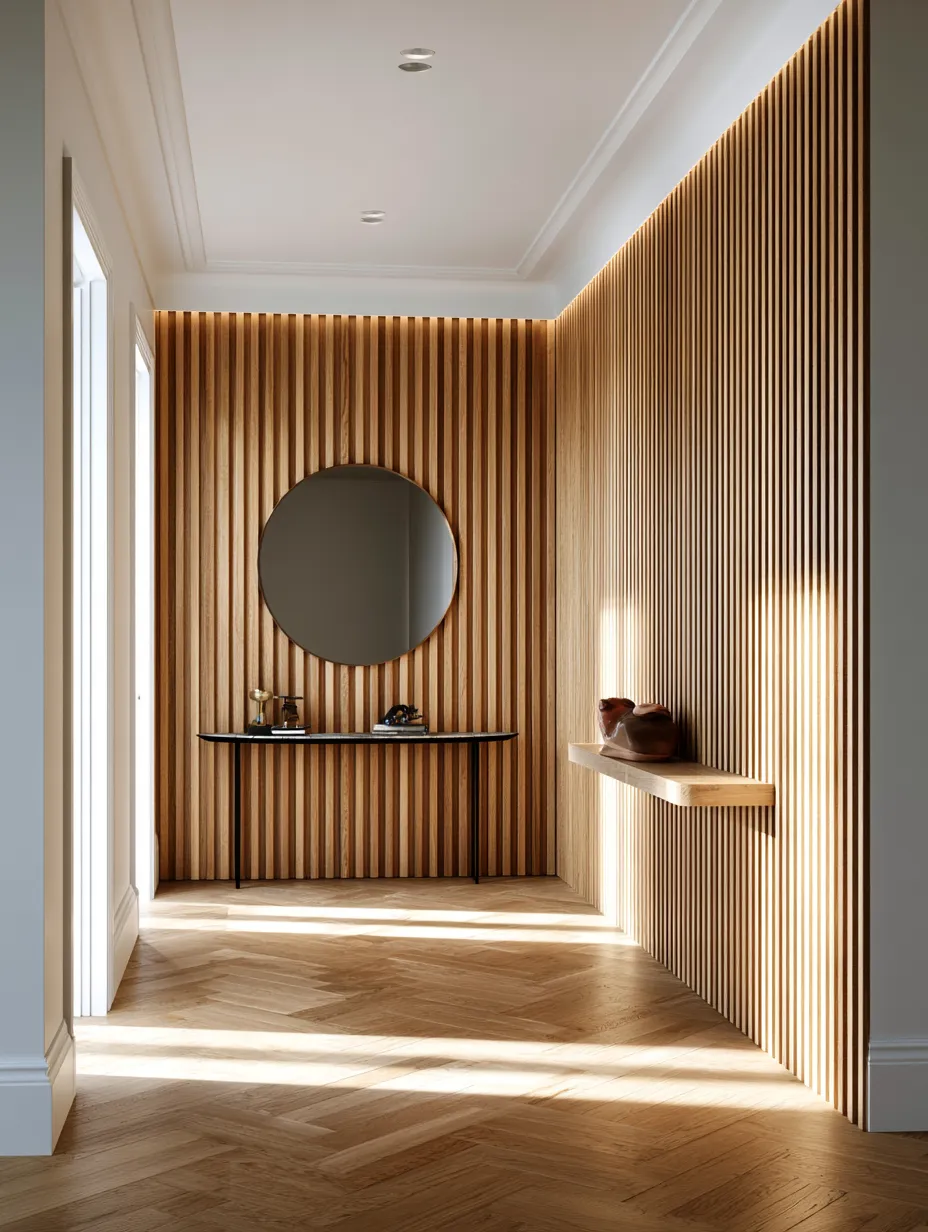
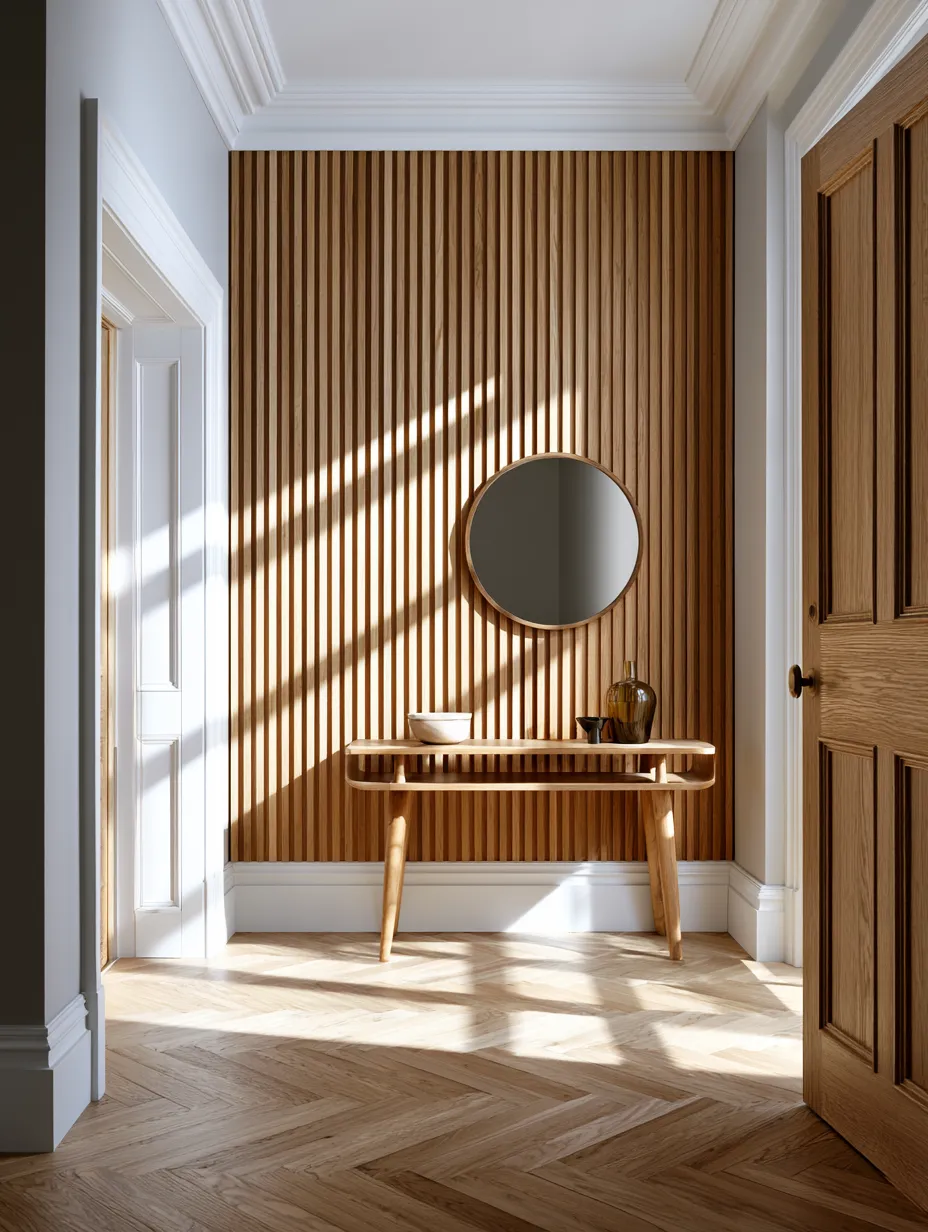
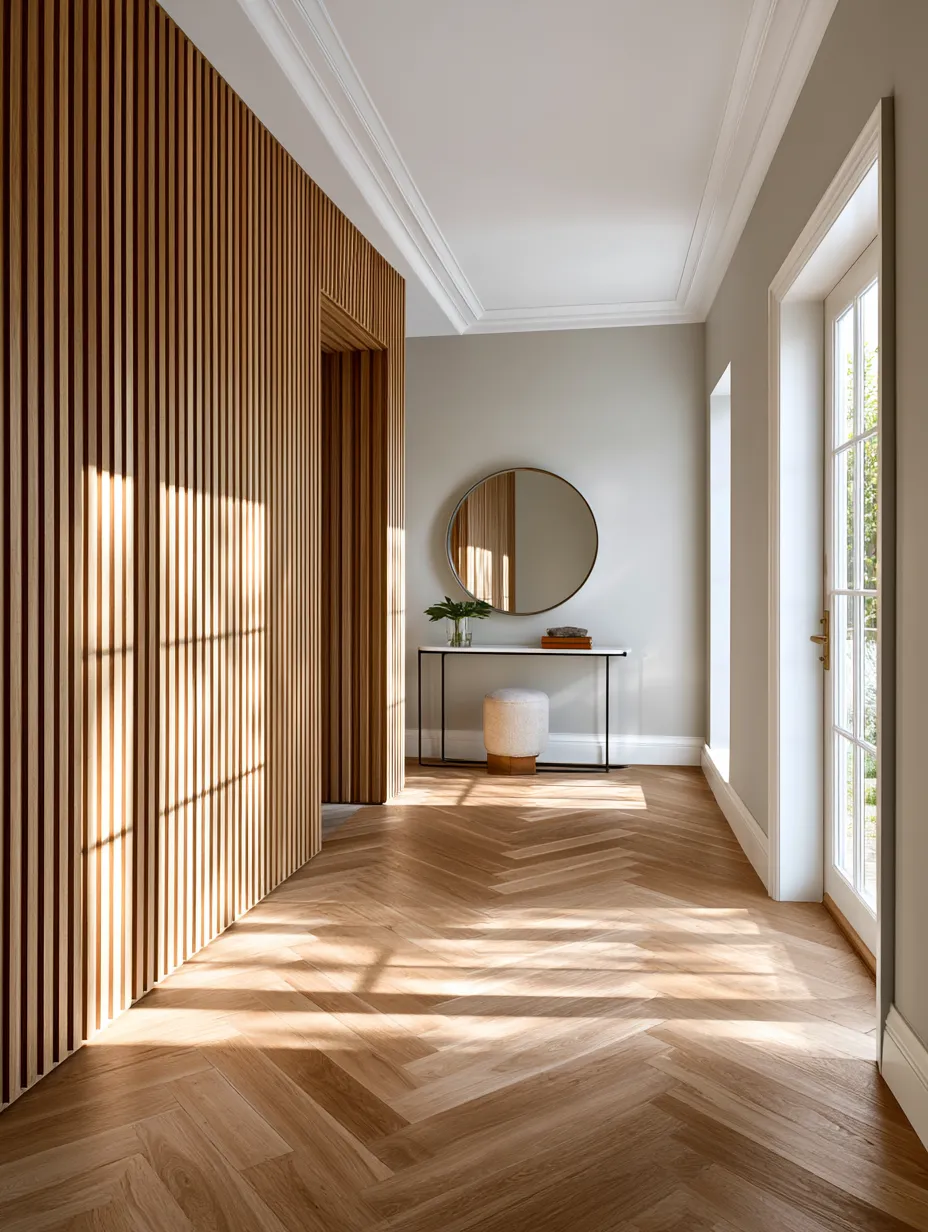
In living rooms, the standard application is a single feature wall — typically behind the sofa or the fireplace. But designers specifying this material in 2026 are increasingly running panels around all four walls at a lower dado height rather than full-height on one wall only. This approach creates the sense of a panelled room without overwhelming smaller spaces, and it reads as architectural detail rather than surface cladding. The dado height version typically runs to about 42 inches from the floor, leaving the upper wall open for paint or limewash.
Kitchens are where this material is making its most unexpected inroads. Fluted panels applied to kitchen island sides or lower cabinet fronts — rather than flat Shaker-style doors — introduce the same tactile depth as a panelled wall but in a functional context. Wayfair’s surge in fluted panel reviews correlates directly with buyers using flexible tambour-style options on cabinetry as much as on walls. Is this replacing traditional cabinet door styles entirely? Not yet — but it is creating a distinct aesthetic that reads simultaneously contemporary and craft-forward.
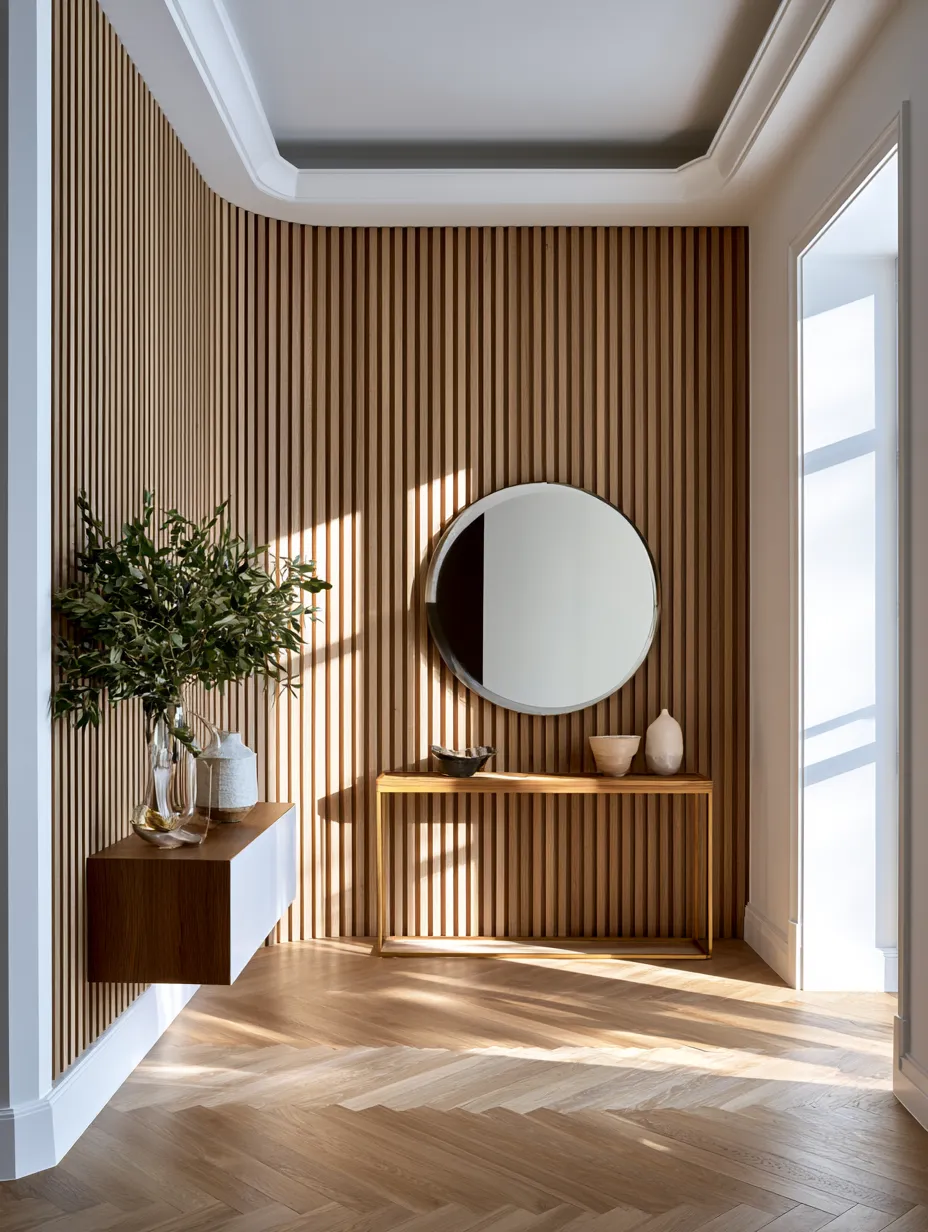
Entryways and hallways are underused in most homes and overworked in the best ones. A full-height fluted panel installation in an entry corridor, running floor to ceiling on a single wall, transforms a transitional space into an arrival moment. The narrow format of most hallways actually works in favour of the material — fluted grooves running vertically make tight corridors read taller, and the shadow lines create movement that a painted wall never produces.
For fireplace surrounds, the material performs well as a frame treatment — running panels up the chimney breast on either side of the firebox opening. Casa Métier’s custom sizing makes this application precise, and the heat-adjacent placement reinforces the logic of solid hardwood over MDF in that specific zone. Andor Willow’s MDF panels are rated for interior use but should not be placed within direct radiant heat range of an open fire or gas insert without a physical buffer.
The biggest installation mistake is skipping acclimatisation. Wood-based panels — even engineered cores — need 48 hours lying flat in the room where they will be installed before fitting. Skip that step and the panels will expand or contract post-installation, creating gaps or buckling at seams that no amount of caulk fully corrects. Forty-eight hours is not a suggestion. It is the step that determines whether the finished wall holds for five years or starts separating within six months.
Grout lines and seam placement are the second most skipped consideration. Panels butt-jointed without deliberate seam placement create random vertical breaks that interrupt the groove rhythm. Align seams to coincide with a groove channel where possible — this hides the joint within the panel geometry rather than adding a new visual break. Most professional installers plan this from the centre of the wall outward, not from one edge to the other.
FAQ
how much do fluted wood wall panels cost per square foot
Pricing varies significantly by material tier. Paintable MDF options like Andor Willow panels sit at the accessible end of the market, while natural wood veneer panels from brands like The Wood Veneer Hub occupy a mid-range position. Solid hardwood custom panels from Casa Métier are priced as bespoke joinery and quoted per project. Walston Architectural Products offers $5 samples to evaluate before committing to full orders.
can fluted wood wall panels be painted
Yes — Andor Willow specifically manufactures its MDF fluted panels for painting, with an ultra-low VOC certification that makes them suitable for closed rooms including children's spaces. For paintable applications, MDF cores take primer and paint more evenly than real wood veneer faces, which can raise grain under water-based coatings without proper prep.
are fluted wall panels the same as acoustic slat panels
They are closely related but not identical. Acoustic slat panels — like the SereniSlats and Volga Panels lines popular on Wayfair — are specifically engineered with backing felt or foam to maximise sound absorption. Standard fluted panels reduce echo through their groove geometry but are not acoustic products by specification. If sound management is the primary goal, look for panels with an acoustic backing rating.
what is the difference between fluted and reeded wood panels
The terms are used interchangeably in most retail and editorial contexts in 2026, but technically reeded profiles are convex ridges while fluted profiles are concave grooves. In practice, the visual effect and installation method are functionally identical for residential wall applications, and most brands use both descriptors for the same product line.
which wood species work best for fluted wall panels in 2026
White oak remains the dominant specification choice for its consistent grain and warm neutral tone. Smoked walnut and charcoal-stained ash are emerging as the direction for 2026's deeper palette shift, particularly in primary bedrooms and study spaces. Stone-composite and concrete-effect finishes from brands like Walston are growing in kitchens and entryways where durability matters alongside aesthetics.
can fluted wood wall panels be installed in a bathroom
Not in wet zones — panels manufactured for standard interior use are not rated for direct water or steam exposure. For bathroom applications, look specifically for moisture-resistant MDF cores or consider using fluted panels only on dry walls away from the shower or bath surround. Some stone-composite finish panels from Walston tolerate higher humidity than wood-veneer options, making them the safer bathroom choice.
How to Install Fluted Wood Wall Panels on a Feature Wall
A straightforward sequence for fitting fluted panels correctly, from acclimatisation through final seam finishing.
-
1
Acclimatise Panels for 48 Hours
Lay panels flat in the installation room for a full 48 hours before fitting. This allows the core material to adjust to the room’s temperature and humidity. Skipping this step is the single most common cause of post-installation seam gaps and panel buckling.
-
2
Mark Centre and Plan Seam Placement
Measure the wall and mark the centre point. Plan your panel layout from the centre outward, not from one edge. Align panel seams to fall within a groove channel rather than between flutes — this hides the joint inside the panel geometry and keeps the groove rhythm visually continuous.
-
3
Apply Panel Adhesive to Battens or Direct Wall
For walls with minor imperfections, fix horizontal timber battens at 400mm centres first and adhere panels to these. For flat, dry walls, panel adhesive applied direct is acceptable. Use a no-more-nails type construction adhesive rated for wood panels and allow the recommended open time before pressing panels into position.
-
4
Secure and Finish Edges
Pin panels at top and bottom edges with a nail gun for additional security while adhesive cures. Fill pin holes with a colour-matched wood filler. Finish exposed edges at corners with a matching solid timber edge strip or a mitre joint — never leave raw MDF or engineered core edges exposed.
Save this
Fluted Wood Wall Panels Turn Ordinary Rooms Into Architectural Spaces
Flat paint has had a long run, but the design logic of 2026 has moved on. Fluted wood wall panels bring shadow, warmth, acoustic softness, and genuine material depth to walls that previously offered none of these qualities — and they do it across every room type, from entryways to kitchens to fireplace surrounds.
The brands are there, the price points cover every budget from Andor Willow MDF to Casa Métier bespoke hardwood, and the installation logic is learnable. The only thing left is choosing which room gets it first. Save this post.
📌 Save to Pinterest