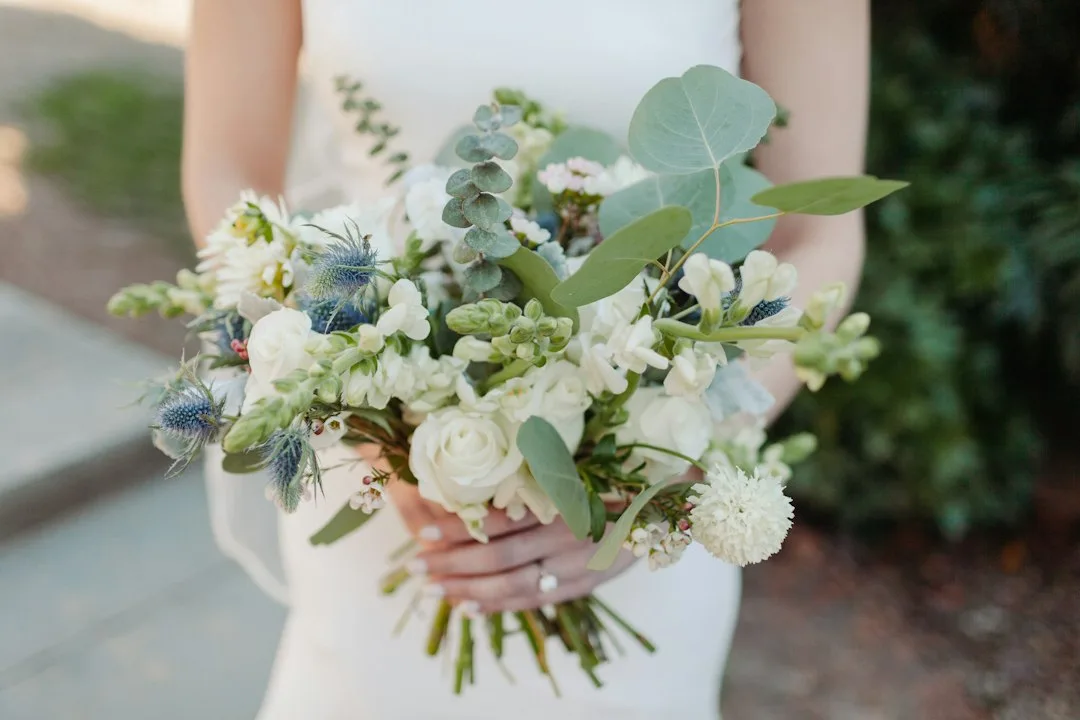
Walk into a bridal suite this fall and you will notice that wedding bouquet trends have turned away from the tight, perfectly round spheres of the last decade. The bouquet on the dressing table now looks cut from a hedgerow rather than sculpted in a studio. That shift says a lot about what couples want guests to feel when they scroll through the photos.
Why Tight Round Bouquets Are Losing Ground
Quick Tips
- Ask your florist for three stem heights so the bouquet has a natural silhouette.
- Choose one anchor bloom, such as a garden rose, and build the rest around it.
- Request a hand-tied bouquet rather than a foam-based round.
- Confirm that your stems are in season for your wedding date before you finalize colors.
For years the default bridal bouquet was a dense dome, built on a foam base and wired so every bloom sat in a fixed position. Florists could reproduce it in any season, which made it a safe choice for planners. Safe is exactly the problem now, because it photographs the same in every venue.
Floret, the cut-flower farm in Washington’s Skagit Valley run by Erin Benzakein, has long grown stems that bend, spill, and open unevenly. Her books and workshops have helped popularize that looser look across the wedding industry. Couples who see those images tend to ask for movement instead of symmetry. Movement reads as warmth.
How David Austin Roses Changed the Shape of Bouquets
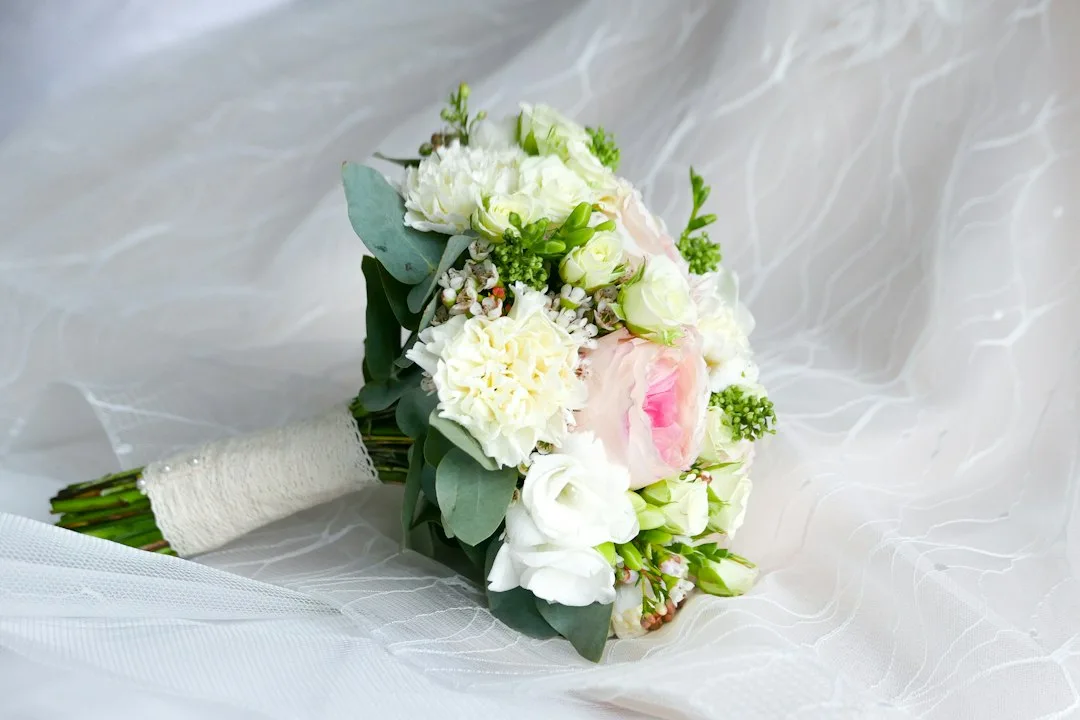
David Austin Roses, the English rose breeder based in Albrighton, Shropshire, has built a catalog around cupped, many-petaled blooms with a soft fragrance. Those flowers open unevenly, which is precisely why they look relaxed in the hand. A florist who wires one into a dome loses the quality that made it worth buying.
Garden roses, ranunculus, and sweet peas share that informal habit. They rarely sit neatly in a sphere, so the bouquet naturally takes an oval or cascading form. Florists who once treated these stems as filler are now making them the focal point.
| Style | Shape and Build | Best Fit |
|---|---|---|
| Round dome | Foam base, wired, symmetrical | Formal ballroom venues |
| Hand-tied garden | Loose stems, natural spiral, no foam | Barns, gardens, outdoor ceremonies |
| Cascading | Trailing vines and long stems | Tall, dramatic gowns |
| Cluster posy | Small mixed bundle held low | Micro weddings and elopements |
The Mistake That Makes Loose Bouquets Look Messy
The most common error is asking for a loose look while still requesting a tight, uniform count of blooms. Picture a bride who sends her florist a dome-shaped sketch, then asks for forty garden roses in a single shade with no greenery. The result is a stiff ball of petals that looks like a centerpiece, not a bouquet.
Loose only works when the bouquet has three layers: a focal bloom, secondary flowers, and trailing foliage. Without foliage the arrangement loses depth and reads thin in photos. Add the layers back and the shape holds without fighting the stems.
Ask for the layers by name in your brief. Say focal, secondary, and trailing so the florist knows the structure you want. That single change prevents most of the messy results.
Holding Shape Without Relying on Floral Foam
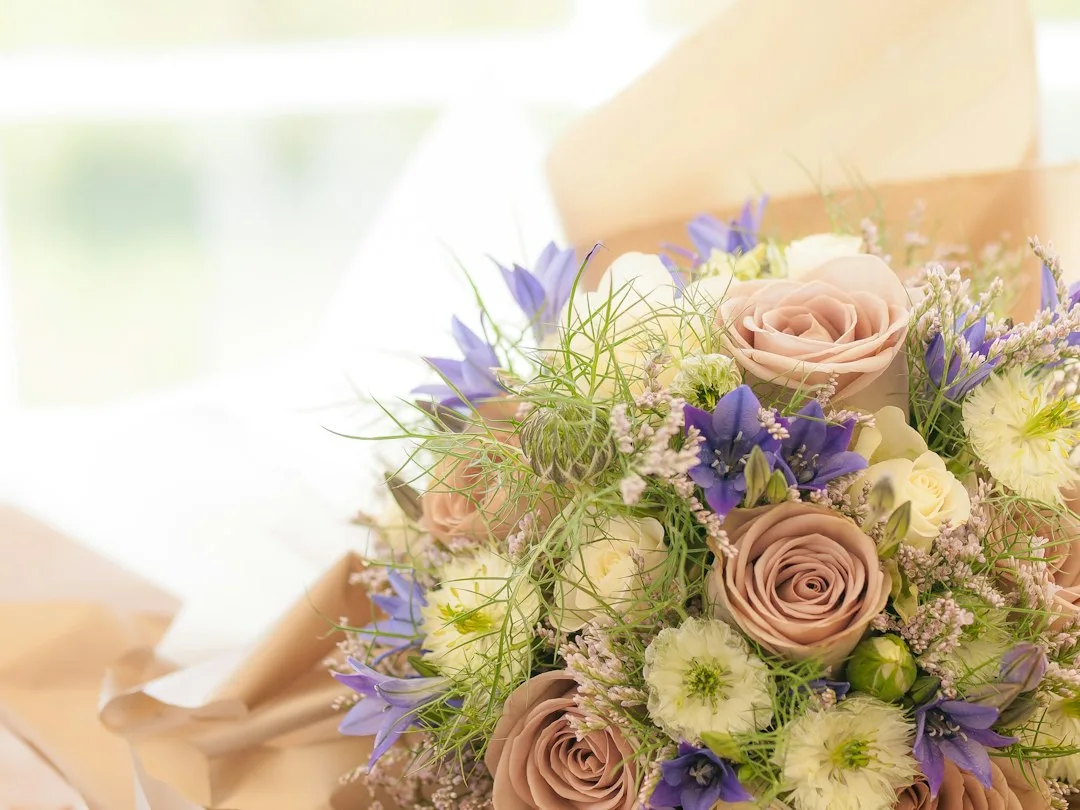
Oasis floral foam, the green block made by Smithers-Oasis, is the standard for keeping structured arrangements upright. Garden-style bouquets usually rely on hand-tying instead, a stem-by-stem spiral wrapped with floral tape or ribbon. Tape holds the shape, and it leaves the stems free to tilt and drop.
Stem choice drives the rest of the build. Stronger stems like garden roses and ranunculus hold their weight better than thin, wiry ones. Florists often pair them with eucalyptus or ruscus to give the bouquet backbone without adding bulk.
Briefing Your Florist on the New Look
Bring photos that show movement, not just color. Tell your florist which bouquet size suits your frame and what your gown silhouette looks like. A reference from a boho decor feed can help tie the bouquet to the rest of your styling, so see 3+ Boho Wedding Decor Trends You’ll Love for palette ideas.
Ask the florist to bring a sample build before the final order. A test bouquet is far cheaper than a rebuild on the wedding morning. That early check catches the stems that will droop by the afternoon.
Where Wedding Bouquet Trends Are Heading Next
Expect the next phase to borrow more from the wider garden movement, with native grasses and seed heads showing up in late-season ceremonies. Florists are also tying bouquets with heirloom ribbon and pressed ferns so the arrangement can be kept. The pressed piece lasts longer than the fresh one, which matters to couples who want a keepsake.
The shift also changes how bouquets sit alongside the rest of the room. Lighter, looser flowers pair well with simple aisle styling, which is why many planners now coordinate the bouquet with the ceremony décor. For that companion approach, see Wedding Party Decorations with Elegant Minimalism.
Start with one clear reference photo and a list of two or three flowers you love. Bring those to your florist before you choose colors. The bouquet will look like it belongs to you.
FAQ
What are the current wedding bouquet trends?
Do loose wedding bouquets last as long as round ones?
Which flowers work best for a garden-style wedding bouquet?
Can I keep my wedding bouquet after the day?
Complete guide
Wedding Ideas That Turn Every Detail Into Something Worth Remembering
Ceremony, décor, themes, guest outfits, hairstyles, cakes, stationery — all in one place