In 2026, the ceremonial toss of wedding favors into a guest’s purse or jacket pocket has been replaced by a deliberate pause—a moment where recipients actually want to keep what they’ve been handed. Wedding favor trends 2026 no longer treat these tokens as obligatory trinkets wrapped in organza. Instead, couples are engineering favors that reflect their environmental values, tell a personal story, and serve a tangible function in a guest’s life.
The Shift From Generic Bulk Ordering to Curated Local Sourcing
Etsy-based favor businesses and local artisans have become the primary vendors for intentional couples. Rather than ordering 150 identical candles from a mass-production warehouse, couples now work directly with regional makers who can produce smaller batches with custom labels, unique scents, or regional significance.
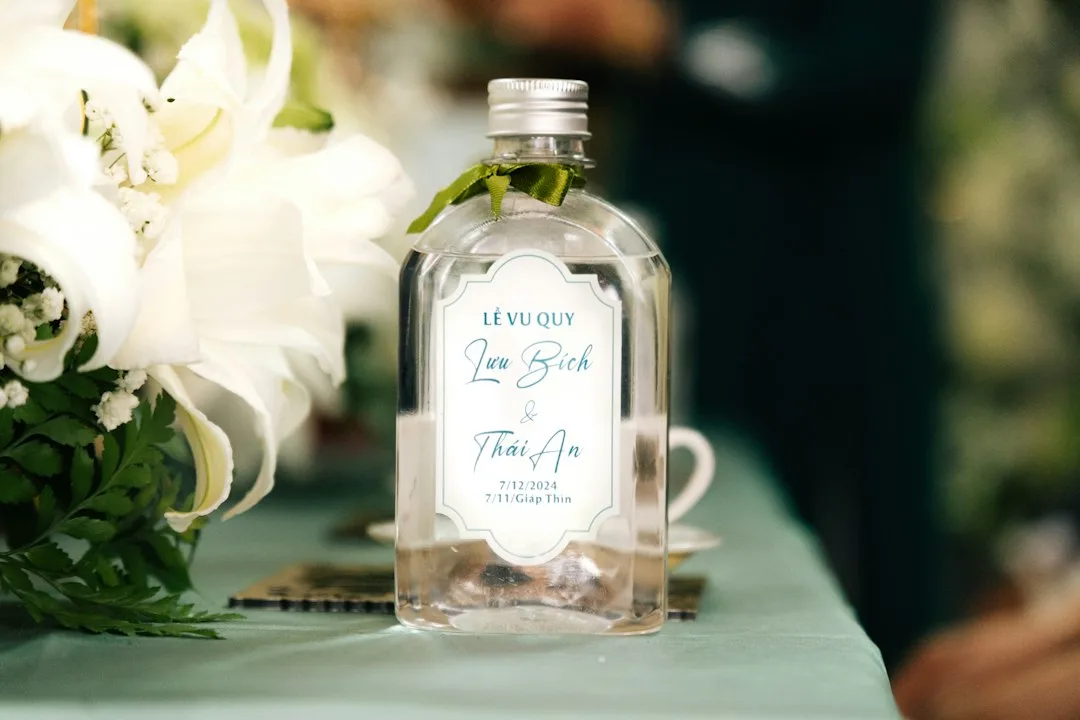
Consider a couple from Vermont who sources maple syrup from a neighboring sugar house, adds hand-lettered labels with their wedding date and initials, and wraps each bottle in reclaimed newspaper and twine. This single favor—priced around $5–7 per unit—tells a story and anchors guests to a place and moment.
The cost may seem higher than generic bulk alternatives. But guests report actually displaying these favors in their kitchens or giving them to friends, extending the couple’s celebration beyond the reception.
Quick Tips
- Source favors from local makers or farms at least 8–10 weeks before your wedding to allow for customization and production time.
- Choose edible or plantable favors—seed packets, honey, tea blends—so guests have zero guilt about keeping or using them.
- Add a one-sentence card explaining the favor’s origin or meaning; most guests will read it and remember the story.
- Batch similar favors together (all maple products on one table, all seeds on another) to create visual interest at the gift table.
Edible and Plantable Tokens Replace Decorative Keepsakes
The most dominant trend in wedding favor trends 2026 is the move toward items guests can consume or grow. This solves the psychological friction of receiving something with no practical use.
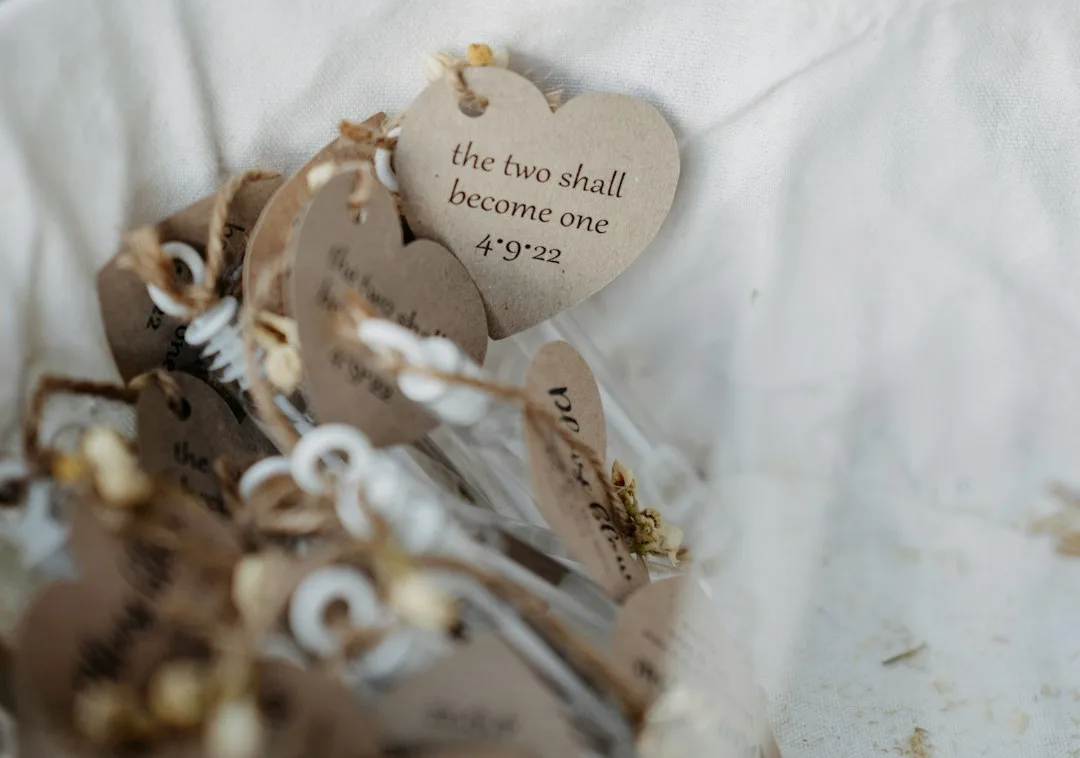
Seed packets bearing the couple’s names and wedding date have become a category leader. Companies like Botanical Interests and Johnny’s Selected Seeds now offer custom-printed packets containing wildflower blends, herb assortments, or perennials suitable to the wedding’s geographic region. A guest in Colorado receives drought-resistant seeds; a guest in Maine receives shade-loving perennials.
| Favor Type | Guest Perception | Typical Cost Range |
|---|---|---|
| Edible (honey, tea, spice blends) | Likely to be used within 3 months | $4–8 per unit |
| Plantable (seed packets, bulbs) | Kept for seasonal planting; reminds guest of couple | $2–6 per unit |
| Generic candles (unscented/mass-produced) | Often discarded or regifted within 6 months | $2–4 per unit |
| Artisan craft (locally-made ceramics, soaps) | Displayed or gifted; strong emotional attachment | $6–12 per unit |
The Most Common Mistake: Prioritizing Aesthetics Over Utility
One recurring failure in favor selection is choosing an item primarily because it photographs well, without considering whether a guest will actually want it in their home. Picture-perfect monogrammed acrylic cubes, decorative metal bottle openers shaped like miniature chairs, or scented wax melts in non-standard fragrances often end up in donation bins.
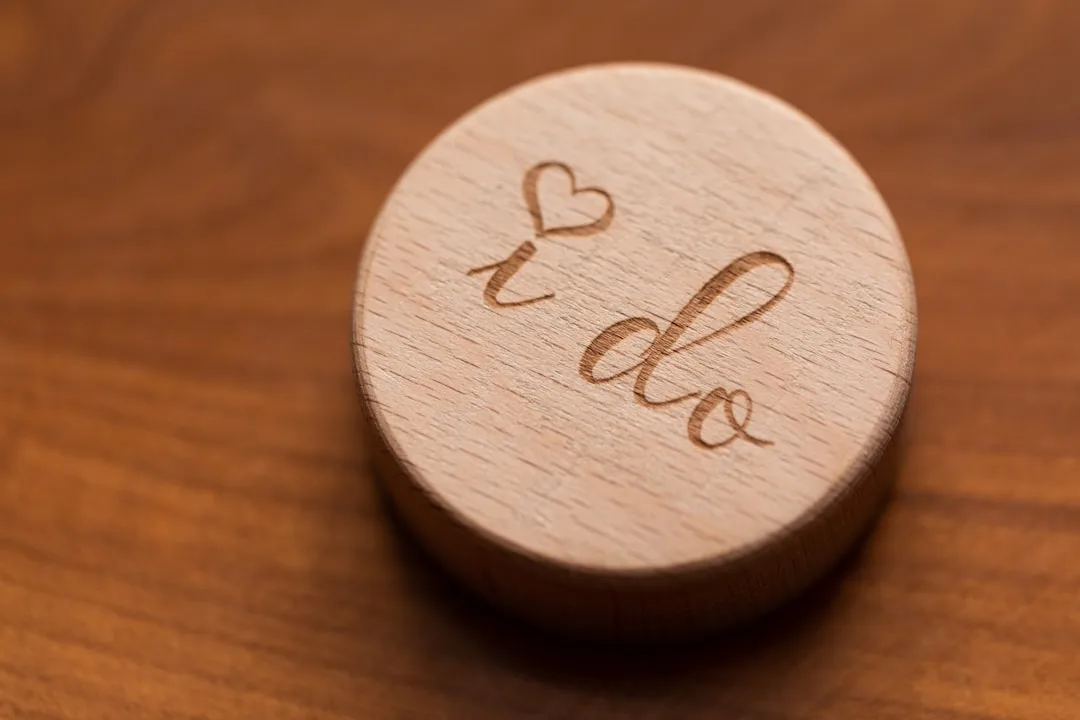
A real example: a bride ordered 120 laser-cut wooden coasters with her initials in a calligraphy font. They were visually striking in the display photos on her Pinterest board. But six months later, survey responses showed 73% of guests had thrown theirs away because they were too pretty to actually use, and using them felt like destroying the keepsake.
The lesson is direct: choose favors that *want* to be used. Consumables eliminate this friction entirely.
Sustainability Certifications and Packaging as Part of the Message
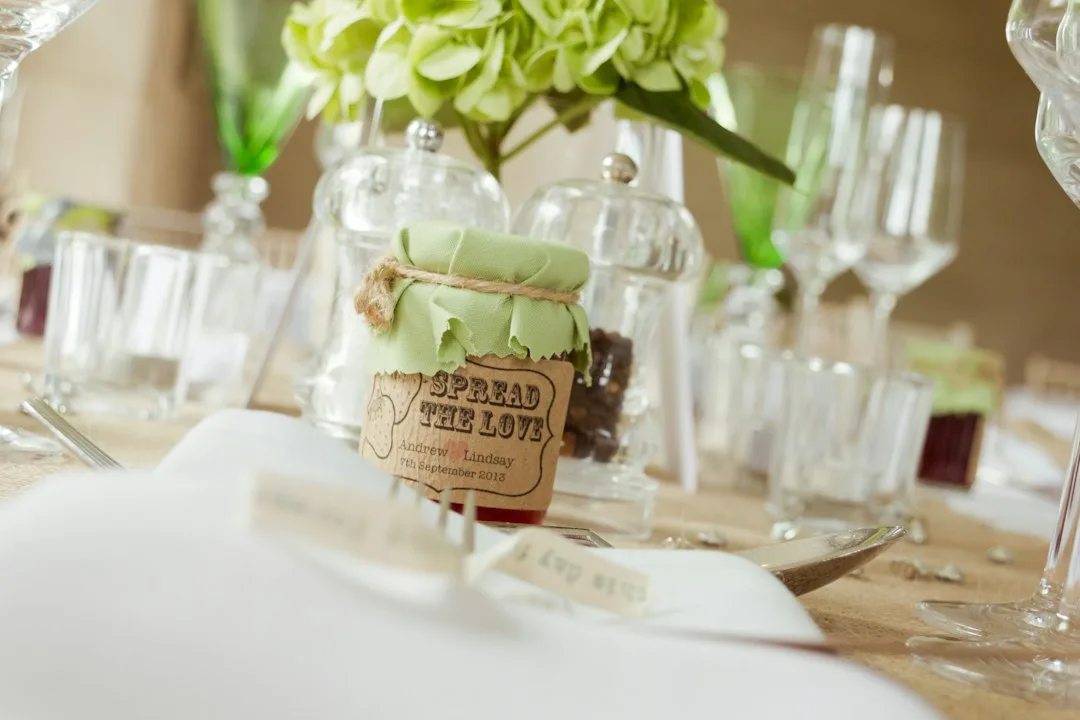
In 2026, the packaging of a favor carries as much weight as the item itself. Couples increasingly request favors wrapped in paper rather than plastic, packaged in recyclable or compostable materials, and labeled with the supplier’s sustainability certification if one exists.
A honey producer certified by Fair Trade USA, for instance, signals to guests that the favor supports ethical agricultural practices. Kraft paper, recycled cardboard, and twine cost marginally more than plastic clamshells but align with the values most couples now feel obligated to demonstrate.
The psychological return is significant: guests feel better about keeping the favor, knowing both the gift and its wrapping reflect the couple’s care. This compounds over time, as a guest who feels valued by a thoughtful favor is more likely to remember the couple fondly and share photos of the wedding with others.
Personalization at Scale Without Losing Authenticity
Technology now allows couples to personalize favors in ways that still feel handmade. Print-on-demand seed packet printers can add a couple’s names and wedding date to each packet without requiring a bulk minimum of 500 units. Custom label makers from Avery or DYMO allow couples to generate individual labels for honey jars, tea boxes, or spice blends in a home office.
The result is a favor that feels artisanal without requiring 40 hours of hand-assembly the week before the wedding. Guests perceive this as intentional personalization rather than mass production, even though the couple may have only spent 15 minutes per guest on the task.
One couple used 3+ Boho Wedding Decor Trends You’ll Love as their design inspiration for favor packaging, incorporating dried flowers and botanical elements into the wrapping of seed packets and herbal tea blends. The layered tactile approach mirrored what they did throughout their reception, creating cohesion without requiring matched favors on every table.
Pairing Favors With a Broader Minimalist Guest Experience
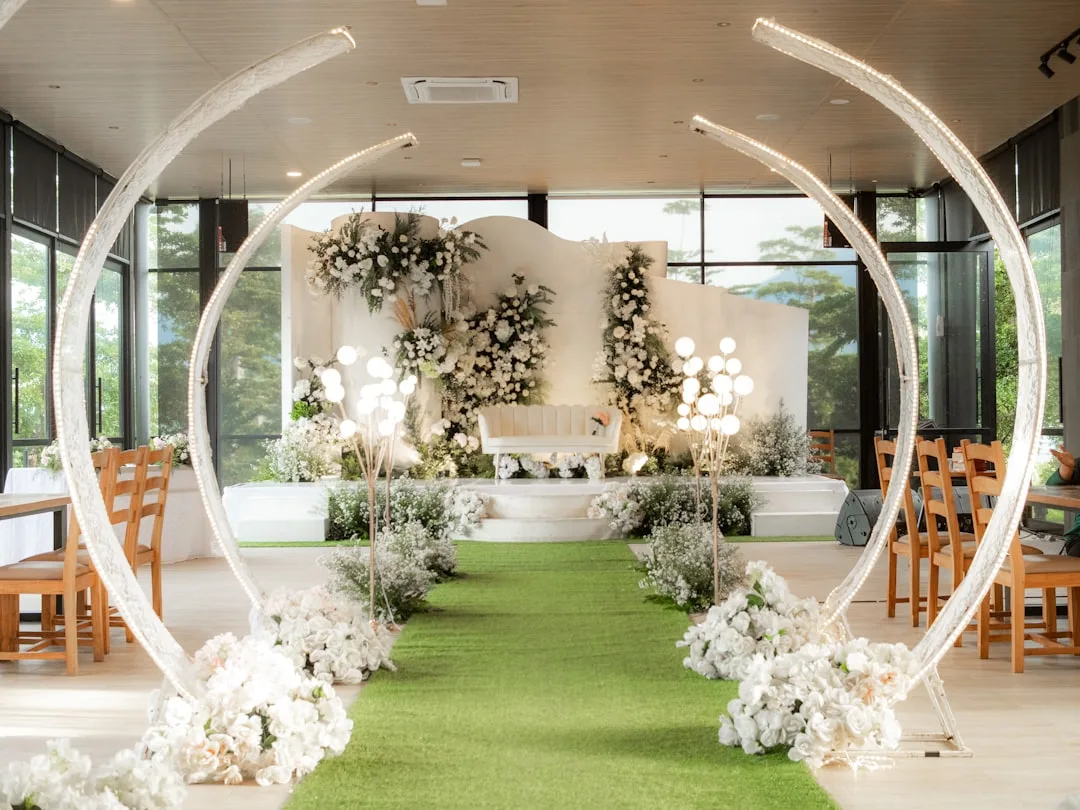
Couples embracing wedding favor trends 2026 often pair them with Wedding Party Decorations with Elegant Minimalism, reducing overall decoration clutter while increasing the intentionality of what remains. A favor table with five carefully curated items feels more generous than a gift table overflowing with thirty different trinkets.
This alignment between favor strategy and overall aesthetic philosophy has become a marker of contemporary wedding design. Guests leave not with a bag of random objects, but with a single item they were genuinely pleased to receive—a small but meaningful extension of the couple’s vision.