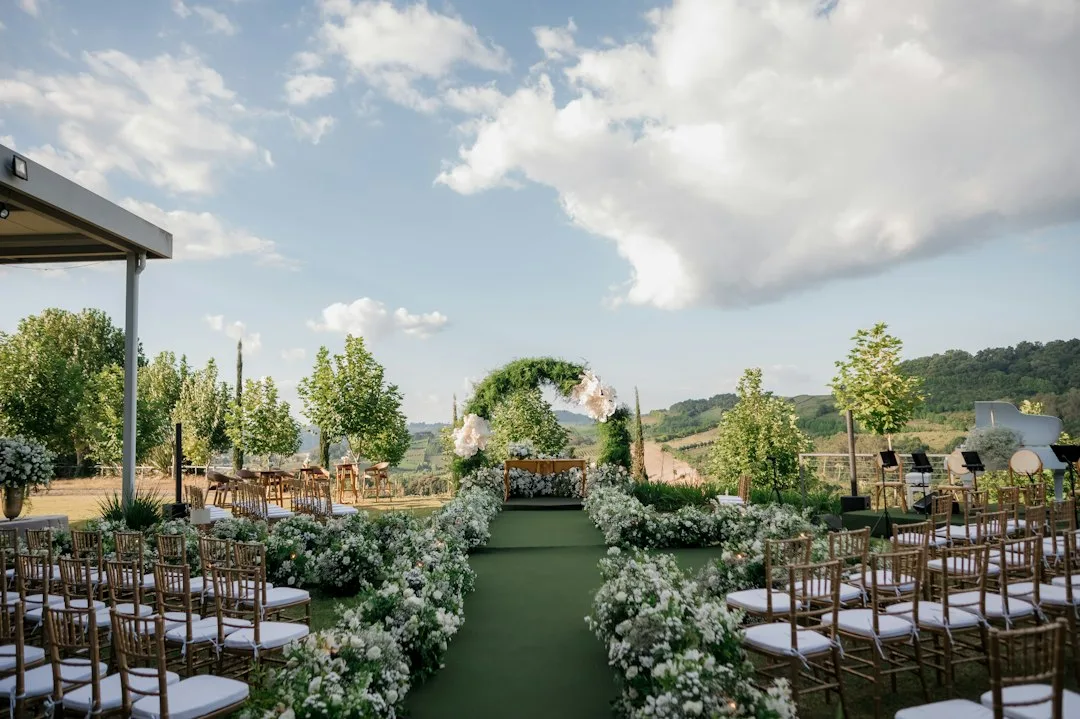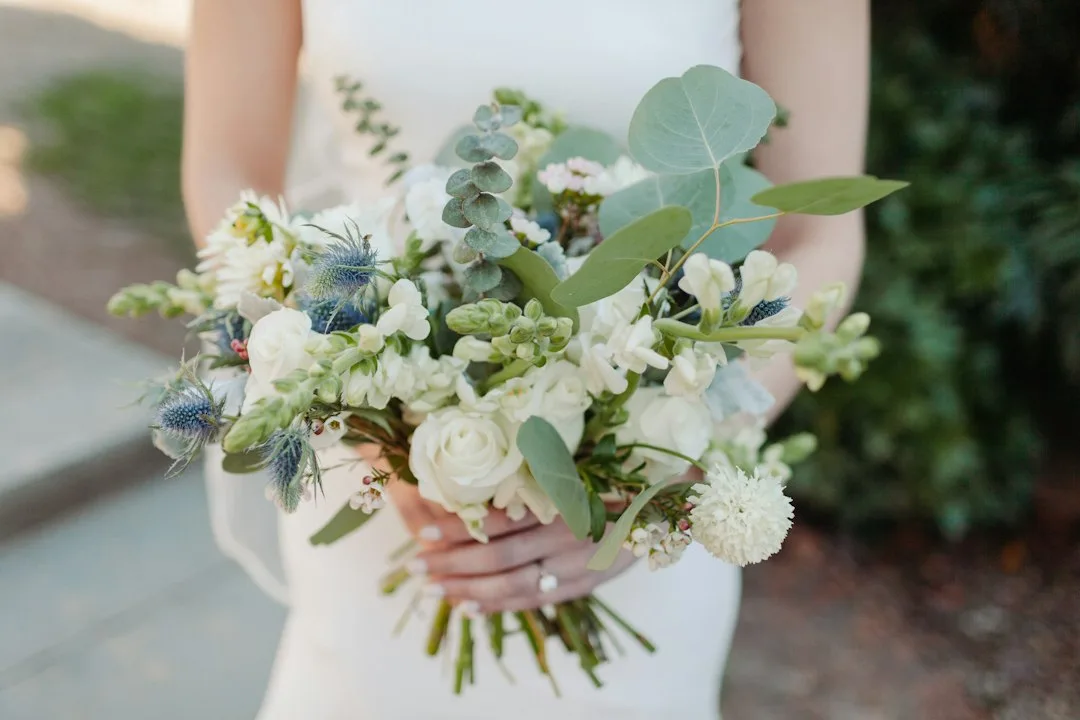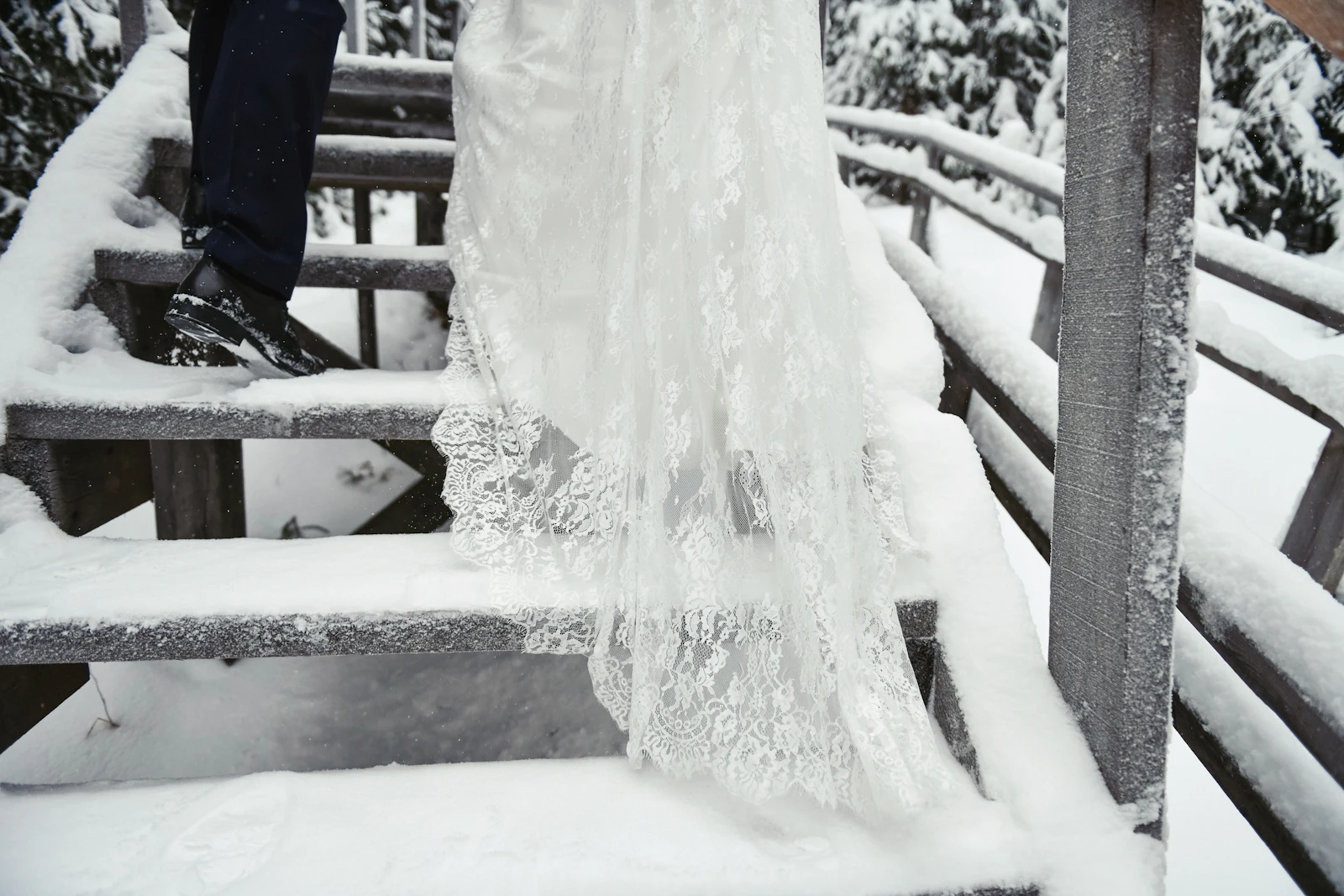
A winter wedding cape is a detachable outer layer worn over the gown that keeps the shoulders warm for outdoor moments while keeping the line of the dress visible. It suits brides with sleeveless or strapless gowns who face a cold ceremony, a frosty portrait session or a chilly walk between venues. The key decision is fabric: sheer tulle or chiffon for a light, decorative layer, velvet or faux fur when real warmth matters.
With weddings on the calendar from late November through February, the cape has become the most practical way to winterize a gown without buying a second dress. Bridal retailers now treat it as part of the look rather than an afterthought, and many gowns are sold with a detachable cape built into the design.
Why capes now beat the classic bolero
A bolero or shrug sits tight across the arms and back, which can break up a fitted bodice. A cape falls from the shoulders instead, so it keeps the silhouette intact while adding movement as you walk. Kleinfeld describes the effect as preserving the line of the gown while creating movement and drama, which is why it photographs well from behind.
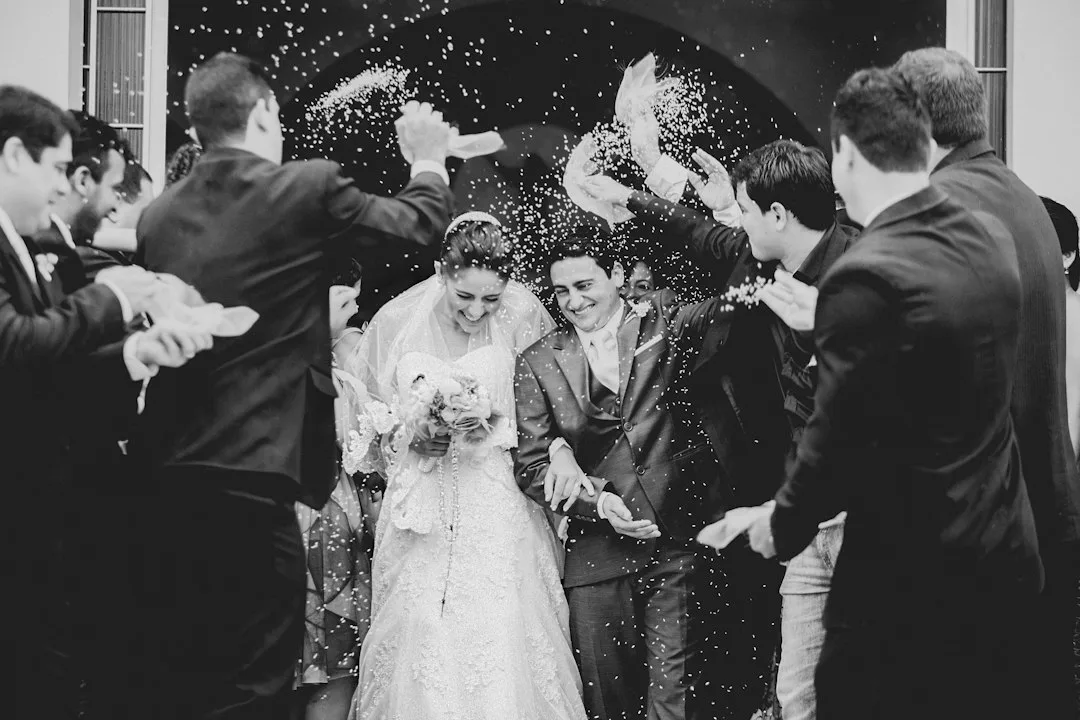
Capes also come off in seconds. That matters on a winter day when the ceremony is outside, the reception is heated and the evening ends with a cold exit under sparklers or a wedding confetti alternative send-off.
Quick Tips
- Bring the cape to every gown fitting so the tailor can check how it sits at the shoulders.
- Match the ivory or white shade of the cape to the dress in daylight, not under shop lighting.
- Choose a hood if rain is possible and you plan an up-do.
- Practise fastening and removing it alone before the wedding day.
- Plan who holds the cape during the ceremony and first dance.
Matching cape fabric to the cold you expect
Sheer fabrics are mainly decorative. According to Kleinfeld’s sheer cape styling notes, chiffon and tulle read ethereal and delicate, while silk feels smoother and more polished. These work for indoor winter weddings or short outdoor moments where looks matter more than insulation.
Velvet, crepe and organza add body. Velvet in particular catches light with its soft pile and feels right for evening and holiday weddings. For a cold outdoor ceremony, faux fur is the warmest option, available as a capelet, a stole or a cropped jacket in ivory, blush or champagne.
| Fabric | Warmth | Best with |
|---|---|---|
| Tulle or chiffon | Low | Lace or embellished gowns, indoor venues |
| Silk or crepe | Low to medium | Sleek satin or minimalist gowns |
| Velvet | Medium | Evening, holiday and vintage-inspired looks |
| Faux fur | High | Outdoor ceremonies and afternoon portraits |
Choosing the right length for your entrance
A floor-length cape makes the strongest statement and works with ball gowns and long trains, especially for a formal church or ballroom ceremony. Check how it falls over the train: a long cape can tangle with a cathedral train if both are heavy.
A shorter drape, ending around the elbow or mid-back, feels lighter and easier to wear through a reception. Shoulder capes and capelets suit fitted sheath and slip dresses, where a long layer would swamp the shape. If you plan to dance in it, short is almost always the better choice.
Pairing the cape with your neckline
The cape should frame the neckline and sit cleanly at the shoulders. A sheer-neck or illusion dress pairs naturally with a sheer cape because the layers echo each other. High necklines and framed décolletage suit capes with sleeves, which give the look of long sleeves while leaving arms free to move.
Strapless and sweetheart gowns take almost any cape, but the closure matters. Easy Weddings recommends fastening a feathered cape at the neck or collarbone with a subtle clasp or ribbon tie so it stays put without pulling on the bodice.
Styling it through the whole day
Think of the cape as a layer with a schedule. Wear it for the outdoor ceremony and the first portraits, take it off for speeches and dancing, then put it back on for the exit or a late photo session. Some brides switch to a second cover-up later in the evening, such as a cropped faux fur jacket or a personalized leather jacket, once the formal part is over.
Keep the rest of the outfit in step with the weather. Closed-toe shoes or ivory boots make outdoor photos far more comfortable, and a warm drink station or late night wedding snacks help guests stay comfortable as temperatures drop.
The common mistake to avoid
The most frequent error is choosing a cape that competes with the gown. A heavily beaded cape over a lace dress full of appliqué, for example, turns two good pieces into visual noise, and the dress loses its detail in photos. Pick one star: if the gown is ornate, keep the cape plain; if the gown is minimal, the cape can carry feathers, beading or a dramatic length.
The second mistake is buying the cape late. Order it before your final fittings so the seamstress can adjust the shoulder fit, add a hidden hook if needed and confirm it sits correctly over straps and the back of the gown.