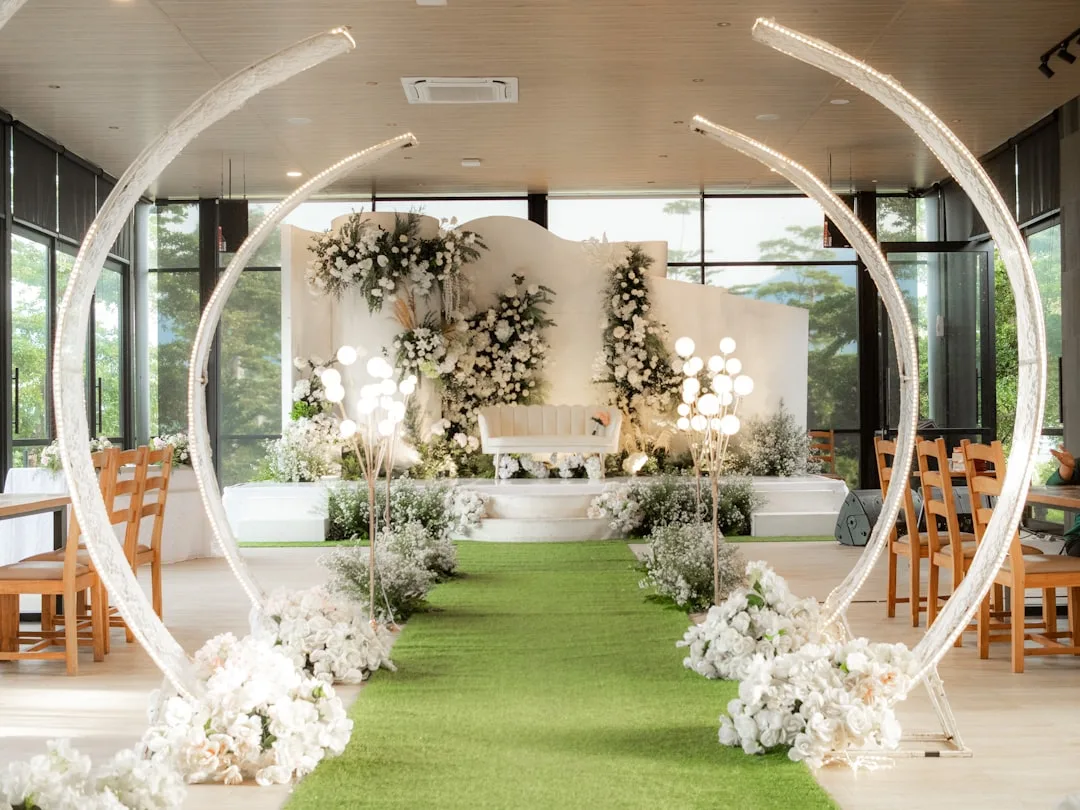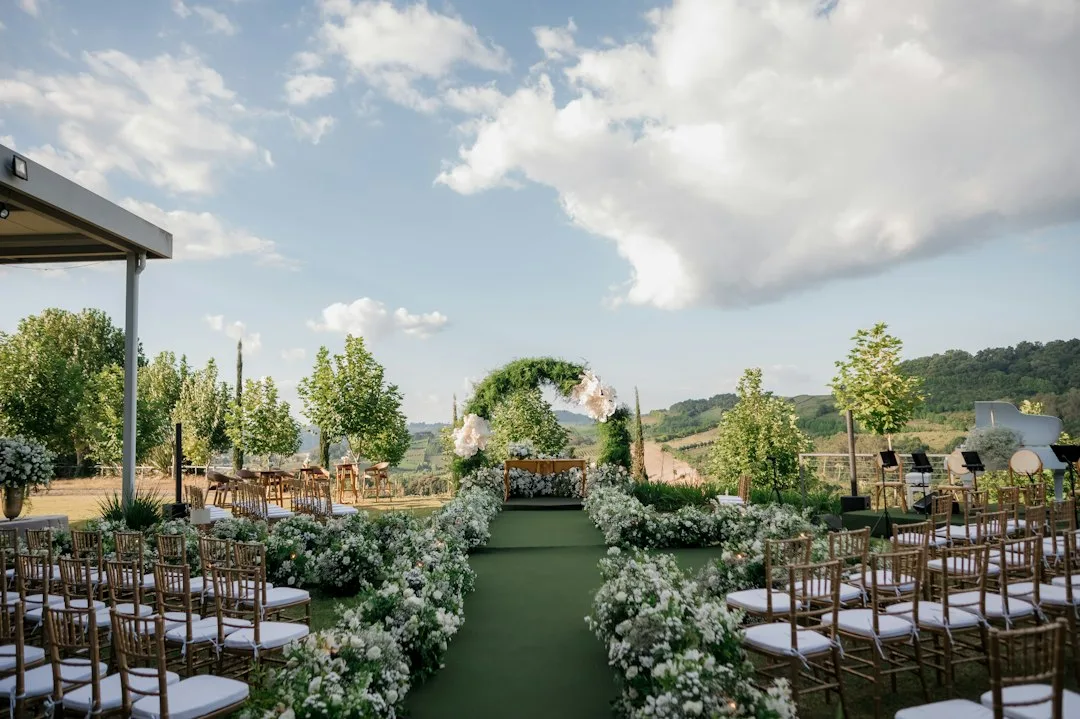
Walk into a ceremony this season and the first thing you notice is often the floor. Wedding aisle runners have quietly replaced the petal trails that filled planning boards for a decade, and the reason is practical as much as visual. Fabric lies flat, survives a breeze, and gives guests a clear path in heels.
Why Wedding Aisle Runners Beat Petals on the Floor
Sunbrella, the solution-dyed acrylic fabric maker, built its reputation on outdoor textiles that resist fading and mildew. Planners have borrowed that durability for ceremonies because a petal trail looks lovely for ten minutes and then falls apart. Wind scatters it, sprinklers soak it, and the aisle turns into a patchwork of brown.
A runner stays put once it is anchored. The shift also reflects how ceremonies now run. Many couples choose lawns, vineyards, and rooftop terraces where petals blow away fast.
Quick Tips
- Anchor runners with fabric-safe clips or weighted stakes before guests arrive.
- Choose a width of about three feet so two people can walk side by side.
- Order one extra length for pinning mishaps or wind damage.
- Check venue rules on stakes and adhesives before installation.
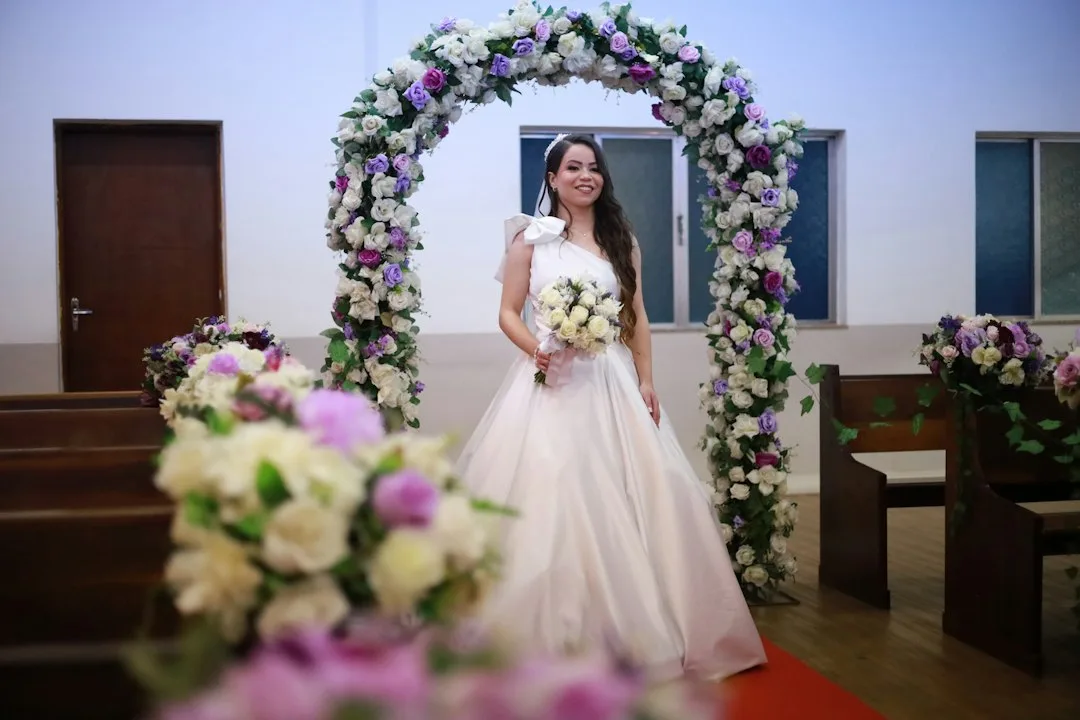
Choosing Width, Length and Material Without Guesswork
Crate & Barrel sells woven and cotton table runners that many planners repurpose for aisles. That overlap shows how much décor categories now share. Width matters more than most couples expect, and three feet gives comfortable room for a gown train and a father walking alongside.
Length follows the layout. Measure from the first row of chairs to the altar, then add six feet at each end so the runner reads as intentional. Material decides upkeep, so compare options before you commit.
| Material | Best Setting | Upkeep |
|---|---|---|
| Solution-dyed acrylic (Sunbrella) | Lawns and coastal sites | Rinse and air dry |
| Washable woven rug fabric (Ruggable) | Garden paths and barns | Machine wash on gentle |
| Cotton or linen blend | Indoor chapels and ballrooms | Spot treat or dry clean |
| Silk or satin | Indoor, low foot traffic | Dry clean only |
Pick the material first, then the width. A heavy weave holds its line on a windy hill, while a light satin needs a calm room. Match the fabric to the weather you can realistically expect.
The Mistake That Ruins Runners on Uneven Ground
The most common error is laying a runner straight over grass without checking the slope. Picture a lawn ceremony where the aisle drops four inches across forty feet. The runner rides up at one end, guests catch their heels, and the photographer spends the cocktail hour fixing creases.
Walk the path at dusk before the event. Kneel and feel for dips, then add leveling stakes or move the row of chairs. A runner laid over a flat strip of ground looks deliberate, while one laid over a slope looks like an accident.
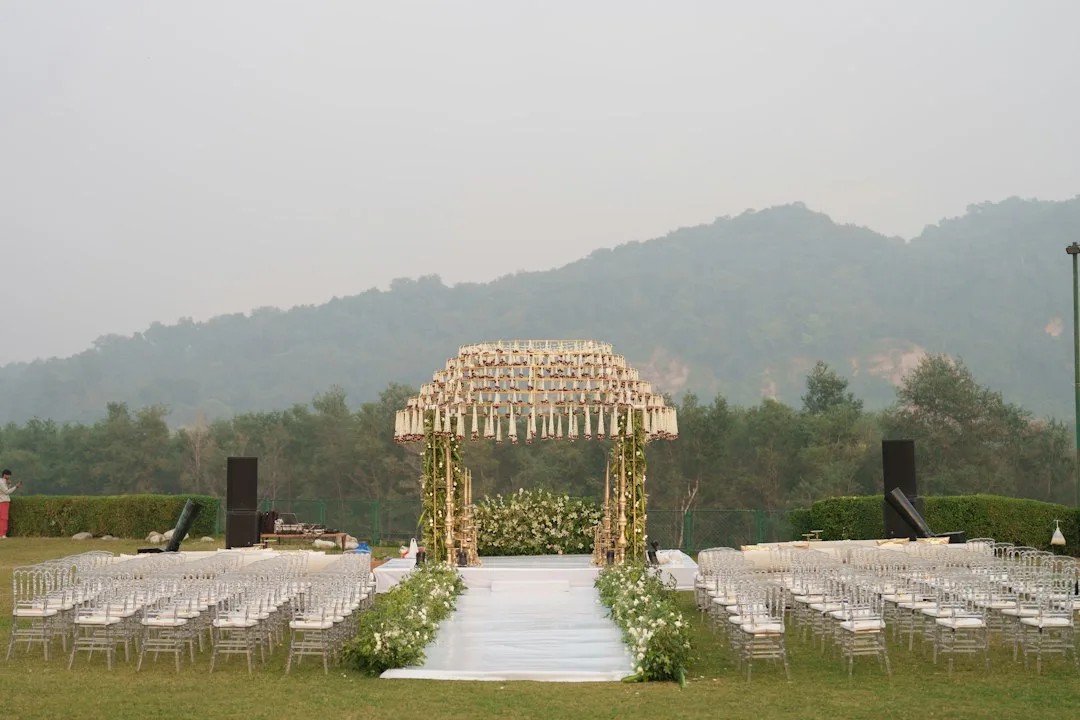
Matching Runners to Your Venue Style
Runners should echo the room, not compete with it. A barn ceremony suits a natural jute or woven cotton, while a formal chapel calls for a solid ivory or a fine silk. Liberty of London produces printed cottons with botanical patterns that work well for garden weddings that already lean romantic.
If your décor leans toward layered textiles and hand-painted signs, look at 3+ Boho Wedding Decor Trends You’ll Love for pairing ideas. For cleaner lines, Wedding Party Decorations with Elegant Minimalism shows how a single solid runner can carry an entire ceremony.
Personalizing the Path Without Overspending
A runner is a large, visible surface, which makes it a good place for personal detail. Couples often add a monogram at the altar end, a ribbon trim in the wedding colors, or lantern stakes along the edges. These touches cost far less than a full florist installation.
Rented runners are common for couples who want the look without buying yardage they will never reuse. A modest rental fee replaces the labor of sweeping and replacing petals each morning. Many planners also suggest ordering a custom printed runner, which can be ordered through specialty textile shops in the $80 to $150 range for a standard length.
Day-of Cleanup and Reuse
Plan cleanup before the first guest arrives. Assign one person to check the runner after the processional, since foot traffic creates wrinkles that show in photos. Roll washable fabrics loosely and avoid folding them into sharp creases that set in storage.
After the event, donate usable runners to a local theater group or a community wedding loan program. Reusing a runner for a family dinner or a porch decor project keeps it in circulation. The fabric you chose for one day can work for years if you store it correctly.