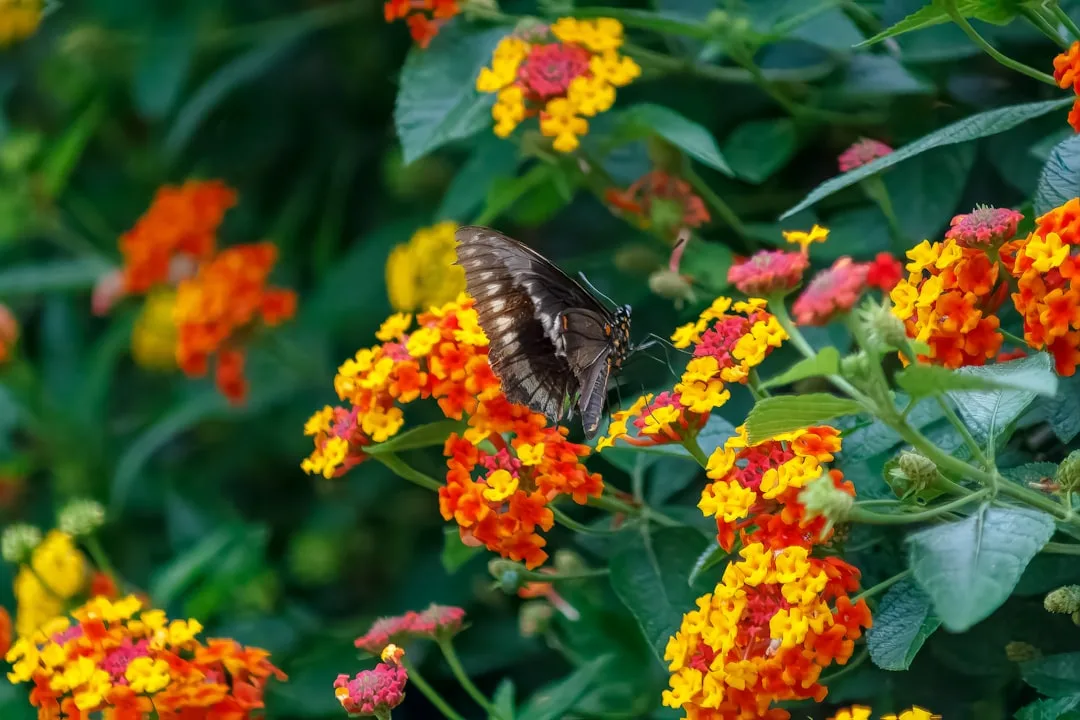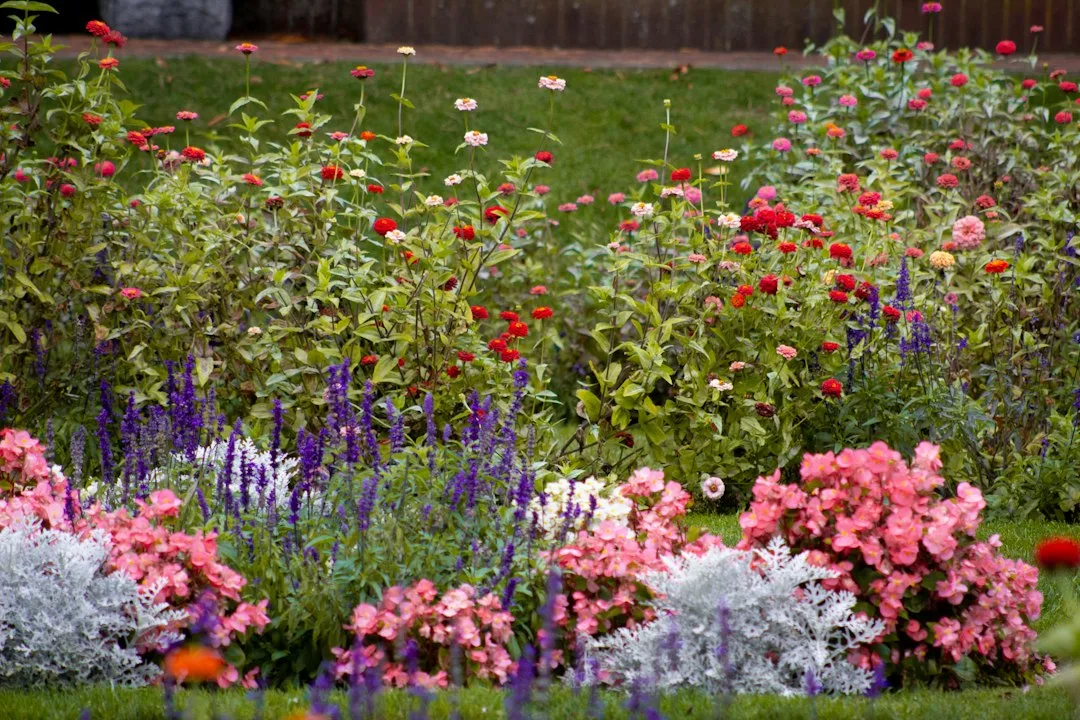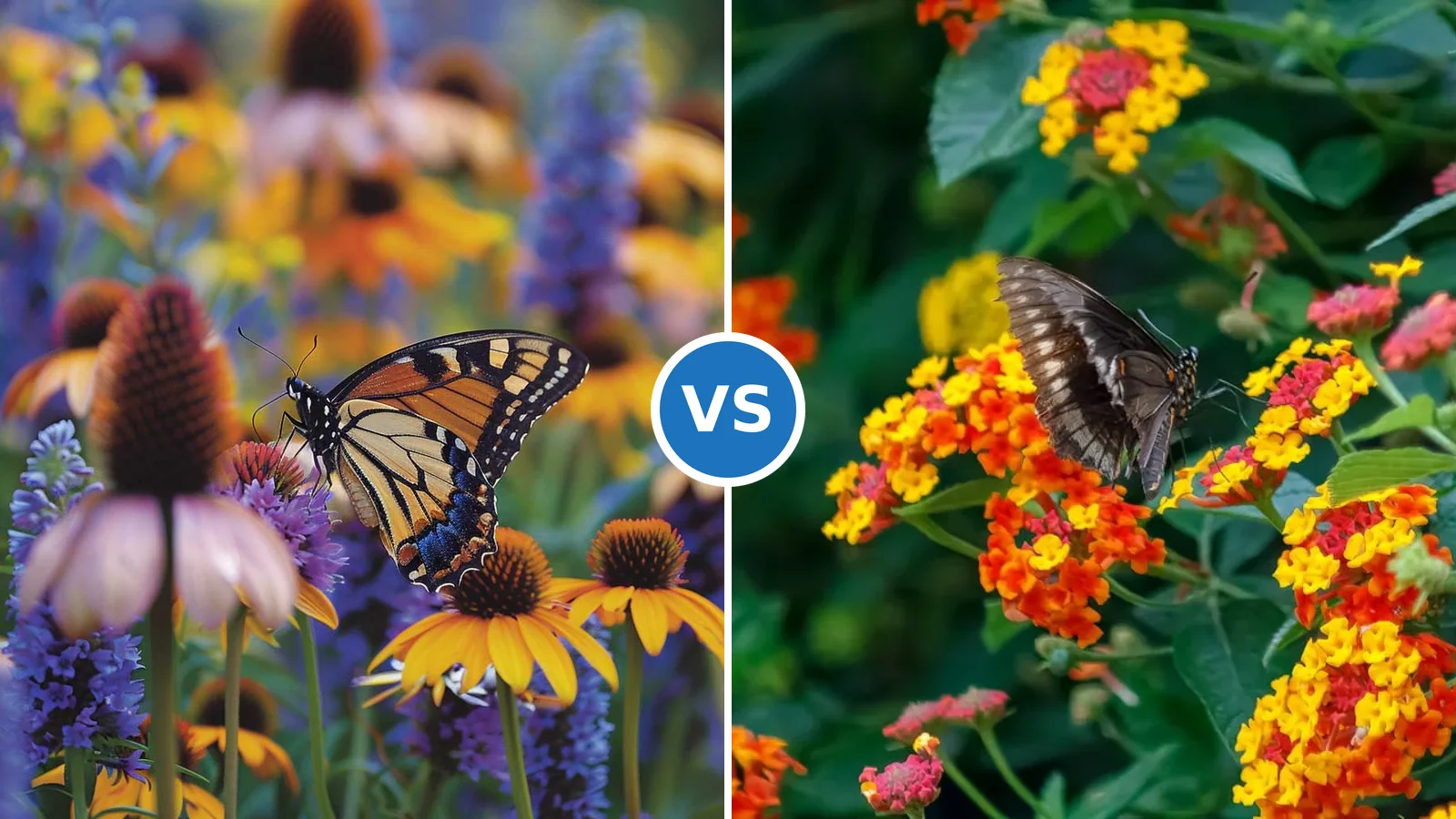
The butterfly garden vs pollinator garden question comes down to focus. A butterfly garden is built around butterflies alone, pairing nectar flowers for adults with host plants their caterpillars eat. A pollinator garden casts a wider net, using dense drifts of native flowers to feed bees, butterflies and hummingbirds together. Strictly speaking, a butterfly garden is a narrower type of pollinator garden, so the real decision is whether you want a specialist planting or a generalist one.
Choose a butterfly garden if you want to watch the full butterfly lifecycle, from eggs on dill to monarchs on milkweed, in a sunny, sheltered corner. Choose a pollinator garden if you are replacing a stretch of lawn and want the broadest range of visitors with less routine upkeep.

What each garden is built to do
A thriving butterfly garden rests on two plant groups. Nectar sources such as purple coneflower, bee balm, phlox, cosmos, aster and goldenrod feed adults, while host plants such as milkweed, dill, fennel and parsley feed caterpillars of specific species, including monarchs and black swallowtails. Extras like a shallow water dish with perching stones and shelter from wind make the space more attractive.
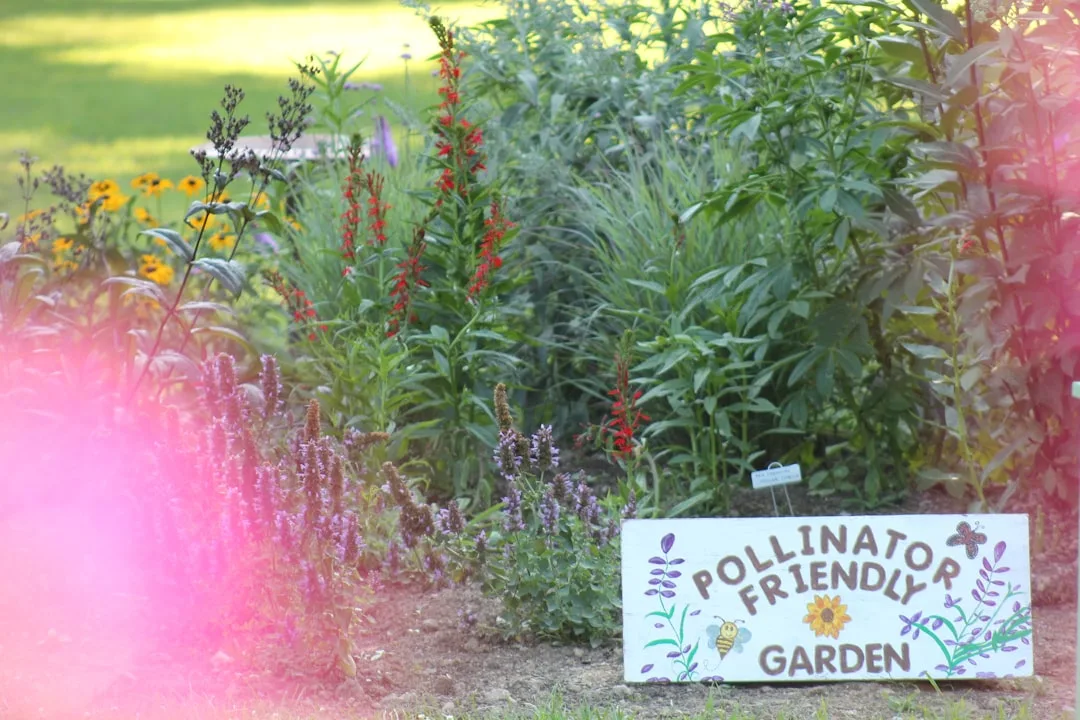
A native pollinator garden treats the whole bed as habitat. It leans on native species such as swamp milkweed, common milkweed, showy milkweed, purple coneflower, black-eyed Susan and blazing star, planted in layered drifts that serve several pollinator groups at once. Blazing star, for example, draws sweat bees, mining bees and bumble bees, while black-eyed Susan seeds feed goldfinches late in the season.
Quick Verdict
- Choose a butterfly garden if you want to raise and watch butterflies through every stage and can tolerate chewed host plants.
- Choose a butterfly garden if you have one small, sunny, wind-sheltered spot and want to start with a modest planting.
- Choose a pollinator garden if you want bees, butterflies and birds in one planting and are converting part of a lawn.
- Choose a pollinator garden if lower routine maintenance after the first year matters more than a single-species focus.

Head-to-head on the criteria that matter
The two plantings share many flowers, so the differences lie in priorities, plant mix and layout rather than in completely separate plant lists.
| Criteria | Butterfly Garden | Pollinator Garden |
|---|---|---|
| Main visitors | Butterflies and their caterpillars | Bees, butterflies, hummingbirds and seed-eating birds |
| Plant focus | Nectar flowers plus species-specific host plants | Native flowers chosen for nectar and pollen across many insect groups |
| Lifecycle support | Built for the full butterfly lifecycle | Broad feeding support; butterfly hosts limited mainly to milkweed |
| Starting size | Works as a small sunny cluster | Designed as dense drifts, often replacing lawn |
| Upfront planting | Fewer plants needed to begin | More plants per bed for ecological density |
| Routine upkeep | Regular care to keep successive blooms going | Less deadheading, fertilizing and weeding once established |
Plants, bloom season and layout
Both gardens need a long bloom season. The butterfly approach stages flowers from early spring through late fall, with early nectar for butterflies emerging from winter and late asters and goldenrod for migrating species. Evergreen shrubs add shelter and overwintering sites. Grouping the same plants together helps butterflies find food.
The pollinator approach builds the season in vertical layers: flowering shrubs at 2 to 4 feet, mid-layer perennials at 1.5 to 2.5 feet and groundcovers under 12 inches. Plants go in as drifts rather than scattered singletons, and gravel or stepping-stone paths replace sod so more ground stays in bloom. Milkweed wants full sun of six hours or more and spacing of 18 to 24 inches.

Cost, space and maintenance
A butterfly garden can begin small. A handful of nectar perennials and a few pots of dill, fennel or parsley near a sheltering shrub is enough to start attracting butterflies, and it can grow over time. The trade-off is ongoing attention to keep the bloom sequence unbroken across the seasons.
A pollinator garden asks for more plants at the start because density is the point, so the first planting costs more than a conventional perennial border. In return, established native drifts need less deadheading, fertilizing and weeding than ornamental beds. Expect a sparse look in the first year and fuller coverage in the second, and note that common milkweed spreads readily. If you are building beds for the planting, compare materials in our raised bed vs corten steel planter breakdown.

Butterfly garden vs pollinator garden mistakes to avoid
The most common mistake is planting only nectar flowers. A bed of butterfly bush and cosmos will draw adult butterflies, but without host plants nothing breeds there, and the garden becomes a feeding stop rather than a habitat. Adding milkweed for monarchs or parsley and fennel for black swallowtails fixes that.
On the pollinator side, the frequent failure is planting a single species or setting sun-loving natives in shade. A shady, crowded bed of black-eyed Susan, for example, stops blooming and develops powdery mildew. Mix several native species and keep them in full sun.

Who should choose which
Pick a butterfly garden if your main goal is watching butterflies up close, you have a compact sunny spot, and you are happy to see caterpillars eat your parsley. It wins on lifecycle support and on how small you can start.
Pick a pollinator garden if you want the widest ecological return from a larger area, especially one taken from lawn, and prefer a planting that looks after itself once established. It wins on species range and on routine maintenance. Late autumn is a sensible time to plan either one: leave existing milkweed pods and seed heads standing through fall, sketch your sun exposure and order native plants for the next planting window.