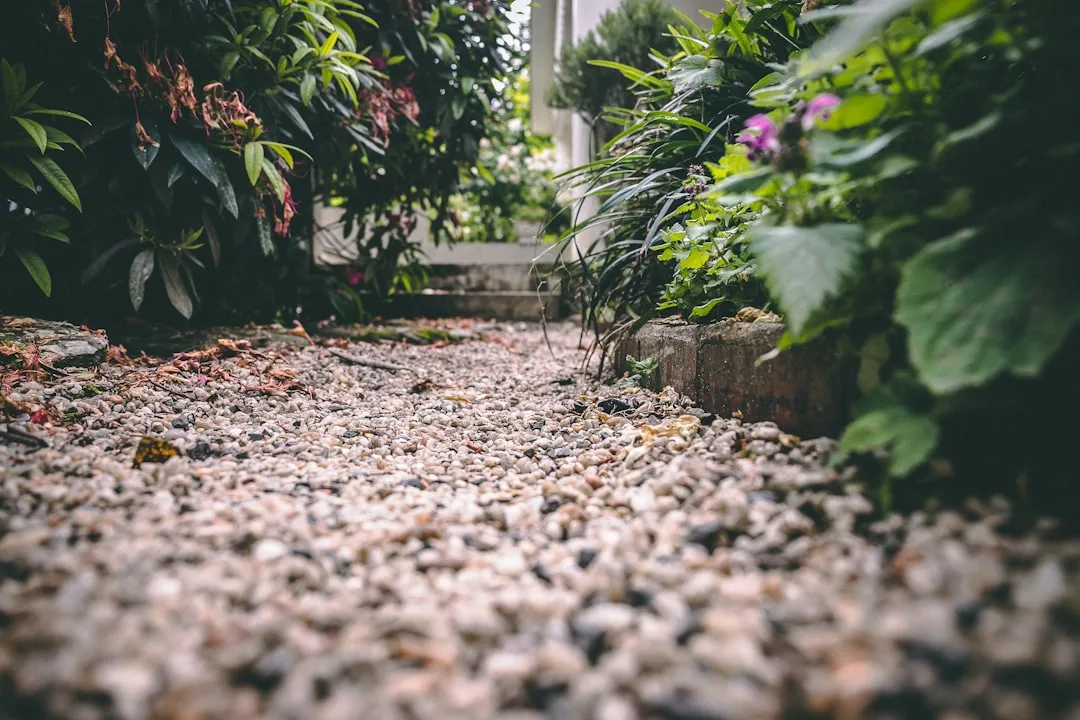
Pea gravel landscaping is experiencing a quiet surge across residential exteriors in 2026, and the shift makes sense. Unlike mulch that decomposes every two to three years, pea gravel maintains its structural integrity and aesthetic appeal for over a decade. Homeowners are discovering that pea gravel landscaping solves three simultaneous problems: drainage failures, high maintenance costs, and visual monotony around specimen plantings.
Why Pea Gravel Outperforms Mulch in Modern Landscapes
The Permeable Surfaces Report from landscape architects at American Society of Landscape Architects documented that 68% of mulch-based gardens experience soil compaction within the first year. Compaction creates standing water, which kills roots and invites fungi. Pea gravel avoids this entirely because water flows through its 1-inch diameter stones immediately, mimicking natural drainage.
Mulch also requires annual replacement—a recurring expense and labor commitment. Pea gravel from suppliers like Landscape Supply Company requires only occasional raking and topping every five years, not annual replacement. This means a homeowner spending $400 annually on mulch reapplication eliminates that budget line entirely.
Visual consistency also tips the scale. Mulch fades from rich brown to gray within months, while pea gravel retains its polished stone appearance year-round. The rounded surface creates a finished, sophisticated look that feels intentional rather than temporary.
Quick Tips
- Install pea gravel 2-3 inches deep for optimal drainage and weed suppression
- Use landscape fabric underneath to prevent gravel from sinking into native soil
- Refresh gravel every 5-7 years to maintain depth and remove compacted base layers
- Edge your pea gravel beds with metal or composite borders to contain material and define plant zones
- Pair pea gravel with low-water plants like sedums, ornamental grasses, and native groundcovers
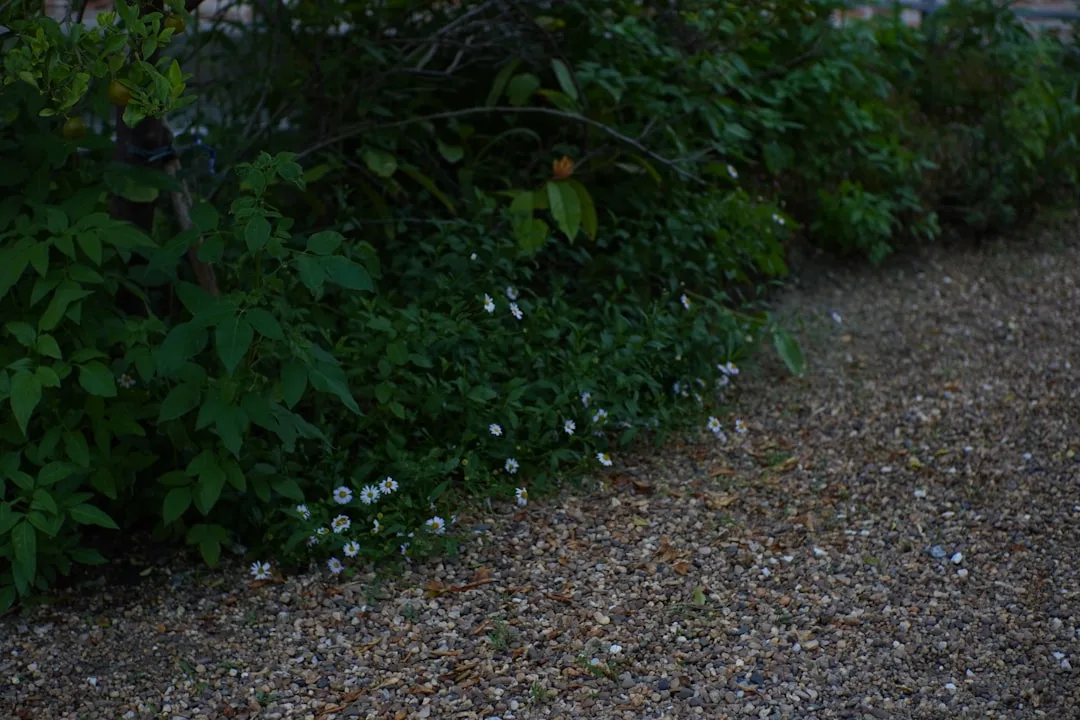
Pea Gravel Landscaping Costs Less Over Ten Years
The initial investment runs higher than mulch—a typical 100-square-foot bed costs between $150–250 for quality pea gravel, compared to $40–60 for mulch. However, lifecycle cost analysis shifts the calculation dramatically in gravel’s favor.
| Surface Material | Initial Cost (100 sq ft) | 10-Year Total Cost |
|---|---|---|
| Pea Gravel | $150–250 | $300–450 |
| Mulch (annual refresh) | $40–60 | $400–600 |
| Landscape Fabric + Pea Gravel | $200–350 | $400–550 |
| Decomposed Granite (permeable) | $100–180 | $350–500 |
Over a decade, pea gravel landscaping costs less because you skip annual labor and material replenishment. A single refresher application around year six extends its lifespan another 5–7 years without returning to square one.
The Mistake: Installing Pea Gravel Without Landscape Fabric
The most common failure occurs when homeowners apply pea gravel directly onto bare soil without a moisture barrier. Within 18 months, gravel sinks into the native earth, mixes with soil, and loses its aesthetic integrity. Weeds also proliferate because seeds contact soil directly beneath the gravel.
A real example: A homeowner in Portland, Oregon installed 4 inches of pea gravel around newly planted Japanese maples without landscape fabric. By the second growing season, gravel had settled into the soil, and clay particles had mixed with the stone, turning the gleaming white-and-tan surface into a muddy, compacted mess. Removal required professional excavation and complete replacement—nearly $800 in unbudgeted costs.
The solution is straightforward: lay 2-3 mil landscape fabric first, overlapping seams by 6 inches, then place gravel on top. This 15-minute preparation prevents years of problems.
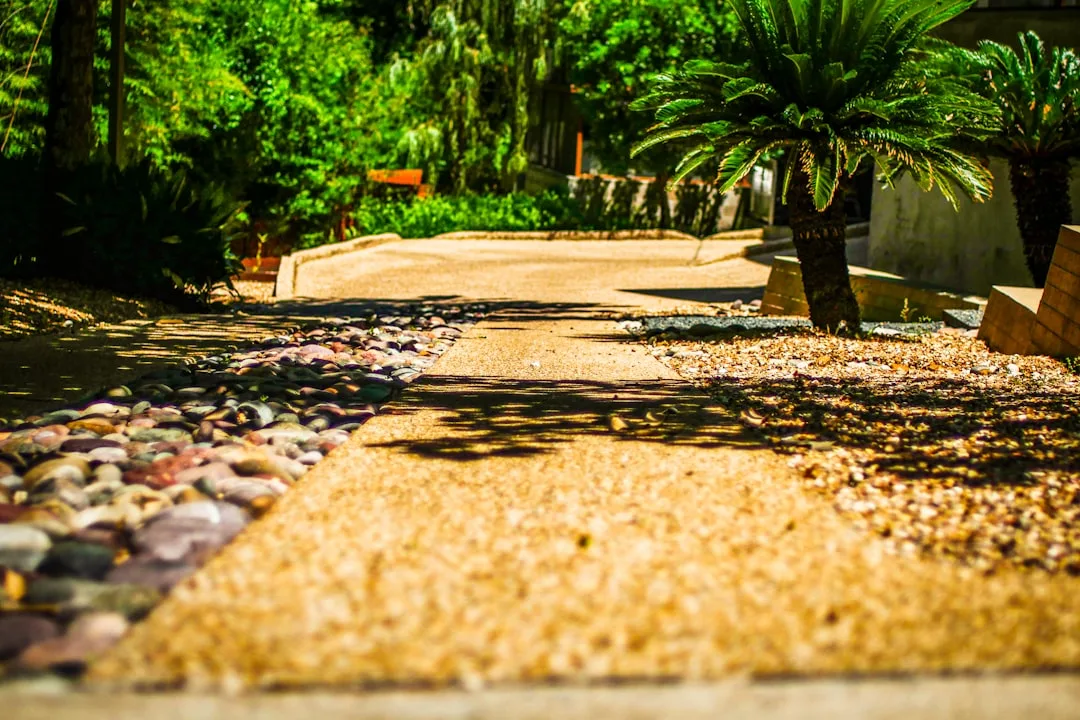
Pea Gravel Landscaping Supports Climate-Adapted Plant Palettes
As regional water restrictions tighten, pea gravel pairs exceptionally well with drought-tolerant plantings. The stone reflects heat while retaining soil moisture beneath it, creating a microclimate that reduces watering frequency by 20–30% compared to bare soil or traditional mulch.
Designers increasingly use French style home exterior principles that incorporate gravel in sophisticated courtyards and transition zones. Pea gravel mimics the gravel courtyards of Provence while functioning as an eco-conscious drainage layer.
Specimen trees like multi-stem birch, Japanese maples, and architectural conifers look exceptionally striking set against pea gravel. The neutral stone color allows foliage and form to dominate, whereas dark mulch competes visually with delicate branching.
Installation Technique and Material Sourcing for Pea Gravel Landscaping
Quality matters significantly here. Pea gravel from premium quarries features consistent sizing (0.5–1 inch), smooth edges, and minimal dust. Budget suppliers sometimes deliver crushed stone or poorly washed material that compacts into a solid mass rather than remaining permeable.
Suppliers like Mutual Materials and Martin Marietta source washed pea gravel from glacial deposits in northern regions, offering superior roundness and drainage performance. Request “pea gravel for landscaping” specifically; river rock and marble chips are different products with different drainage characteristics.
Installation depth matters equally. Apply 2–3 inches over landscape fabric in planting beds; 3–4 inches for high-traffic pathways where foot traffic compresses material. Shallow applications allow weeds to push through; excessive depth creates weight that pushes fabric into soil and defeats the purpose.
For textured visual interest, blend pea gravel with larger decorative stones or river rocks along focal points. This technique, common in contemporary Asian-inspired landscapes, breaks visual monotony and adds dimensional depth to otherwise flat beds.
Maintenance Reality and Long-Term Performance
Once installed correctly, pea gravel requires minimal intervention. Spring raking removes fallen debris and re-fluffs compacted areas. Occasional weeding happens but at a fraction of the rate experienced with mulch, because the fabric barrier prevents seed germination from soil contact.
Winter performance varies regionally. In cold climates, frost heave can displace gravel slightly, requiring spring raking to redistribute. In moderate zones, pea gravel actually improves drainage during heavy rain events—a significant advantage over mulch, which can become waterlogged and anaerobic.
Refresh your pea gravel landscaping by adding a 1-inch topping layer every 5–7 years. This maintains visual appeal and compensates for settling. Total 10-year cost remains roughly $100–150 in materials, far below mulch reapplication cycles.