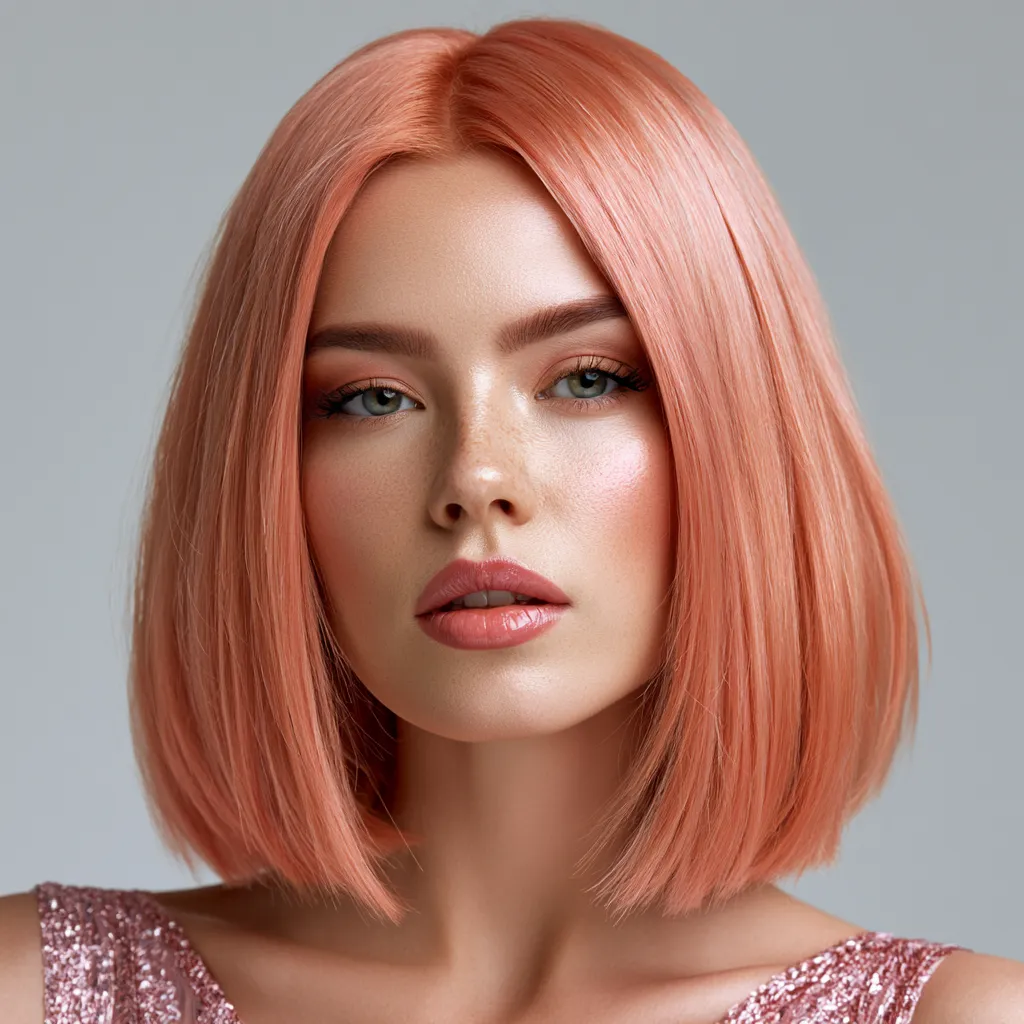
Straight hair hairstyles for spring work best when they stop trying to fake volume and start using the texture’s actual advantage: light-catching smoothness and the ability to hold a precise shape. The three looks in this post — feathered layers, sleek blonde, and tousled brunette — each take a different approach to that same principle.
Stylists recommend booking a cut every six to eight weeks for layered styles, and less frequently for blunt or sleek finishes. The investment is smaller than most people expect — a professional blow-out averages $40 to $90 at a salon, and many of the looks here can be replicated at home with the right two-step product routine. Straight texture doesn’t need to be fought. It needs to be aimed.
Spring is the season where flat-ironed glass finishes compete with light, airy movement — and depending on your hair’s density and your daily schedule, one of these three directions will make the morning easier, not harder. Read through all three before deciding.
– Feathered layers on straight hair require a round brush and a lightweight cream — no heavy product needed
– Sleek blonde styles depend on frizz control lasting at least 72 hours; Olaplex No.6 ($32) delivers that
– Tousled brunette is the fastest to style — Bumble and bumble Surf Infusion ($36) and air-dry is the entire routine
– All three styles look worse with product applied too close to the roots — keep it mid-shaft to ends
– Trim schedule matters: feathered cuts need 6–8 weeks, blunt sleek cuts can go 8–10 weeks
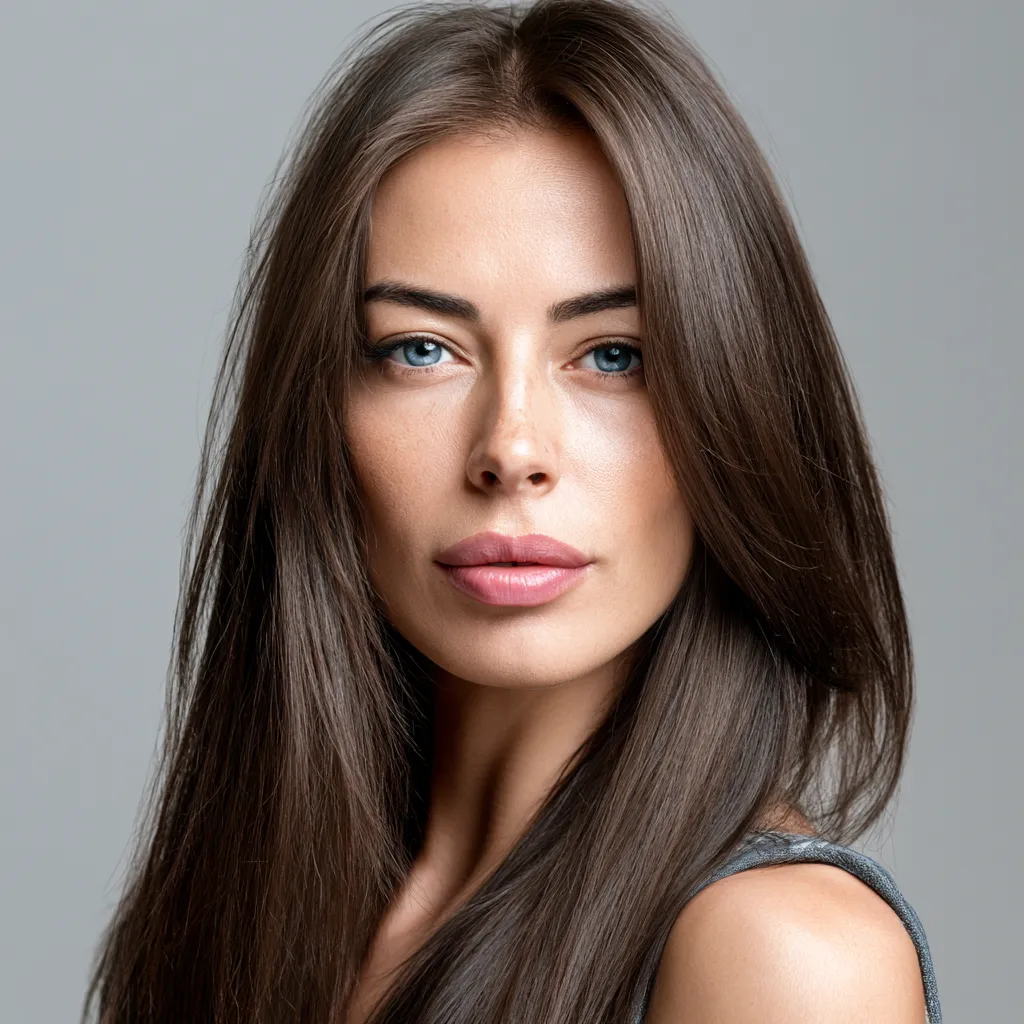
Feathered Layers Lift Straight Hair Hairstyles Without Adding Weight
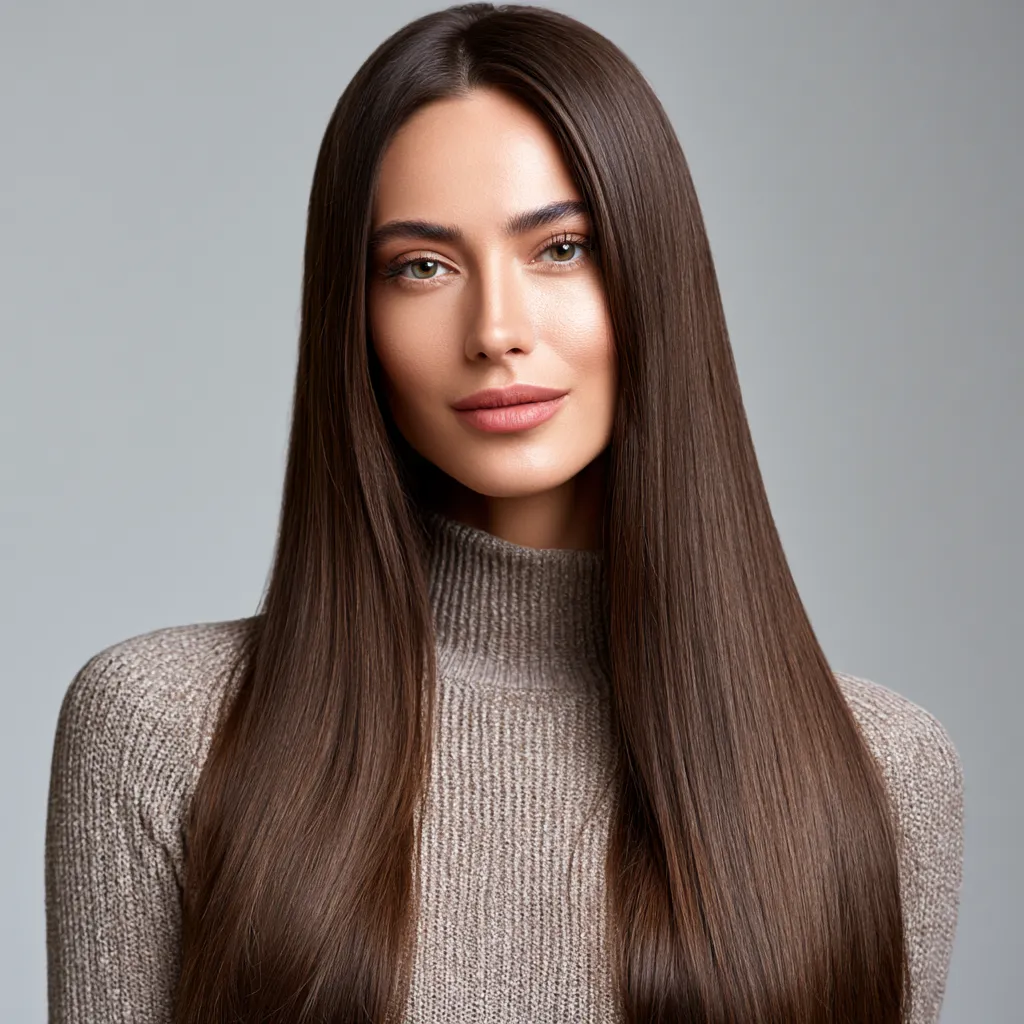
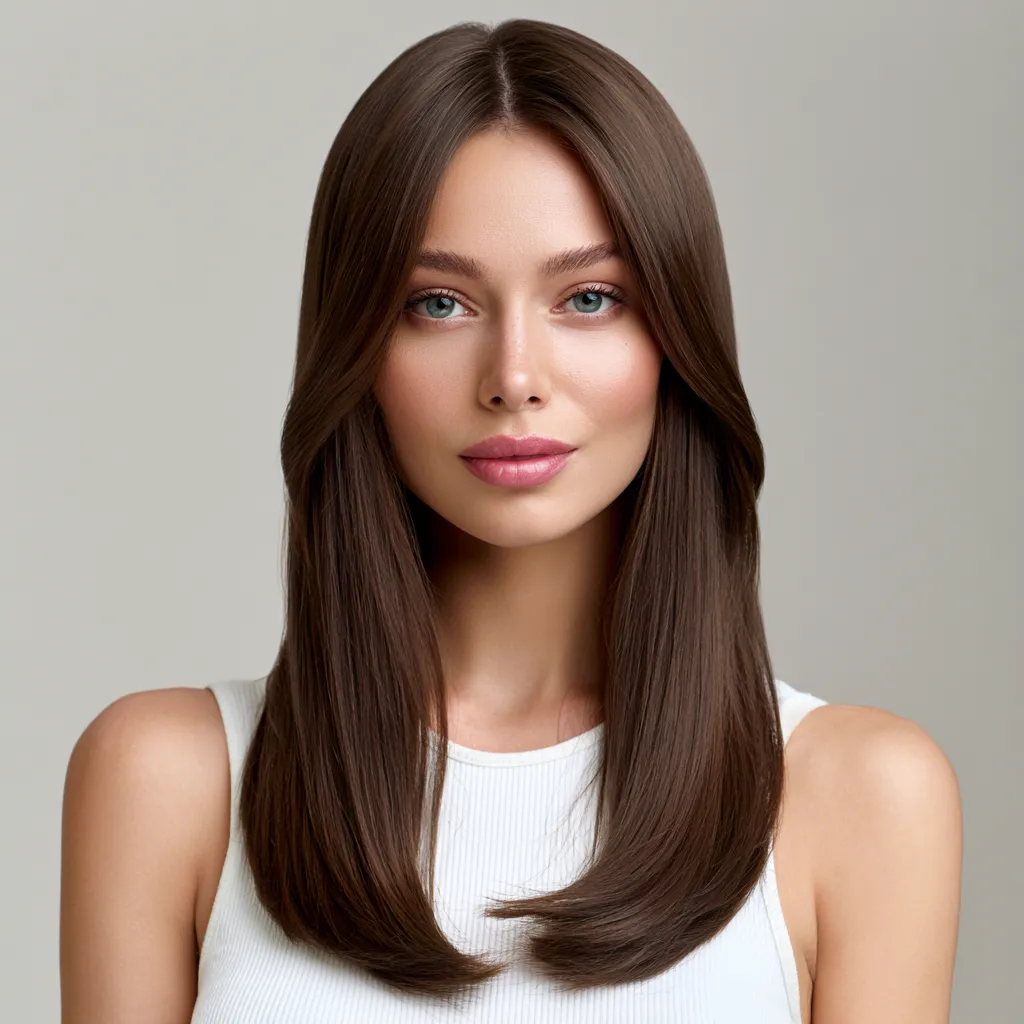
Feathered layers on straight hair hairstyles create the kind of movement that looks natural rather than constructed — the ends taper outward so the hair breathes as it moves instead of swinging in one flat sheet. This cutting technique has returned strongly in 2025, blending the 1970s Farrah Fawcett-style layering with modern precision. The result is a cut where the geometry itself creates airiness: no heat required on most mornings.


The trick here is in how the stylist angles the scissors. Point-cutting at the tips — rather than a straight snip — allows the ends to feather outward without going jagged. This works particularly well on straight hair because the smooth surface of each strand amplifies the lightness at the tips, catching sunlight differently depending on the angle. A soft caramel balayage enhances that effect: the tonal variation between roots and ends makes each layer read more distinctly.
Does this style work without a blow-dryer? Yes — but a round brush on damp hair speeds the process significantly. Blow-dry the roots downward, then curve the brush outward at the ends to encourage the feathering direction. Stylists typically recommend a lightweight hold product applied mid-shaft to ends only; anything at the roots collapses the lift that makes feathered layers worth having in the first place. A trim every six to eight weeks keeps the feathered ends precise — skip it and the cut grows into a shapeless mid-length within two months.
Avoid over-layering on fine straight hair. A common mistake is requesting maximum layers for volume, which removes so much weight that the hair loses the anchor it needs to hold the feathered direction — the result is fringe that flips unpredictably rather than sweeping cleanly. Ask your stylist for “point-cut feathering concentrated in the outer thirds” rather than layering throughout. For more on keeping short low maintenance short haircuts for straight hair in shape between visits, the linked article covers trim schedules and product minimums in detail.
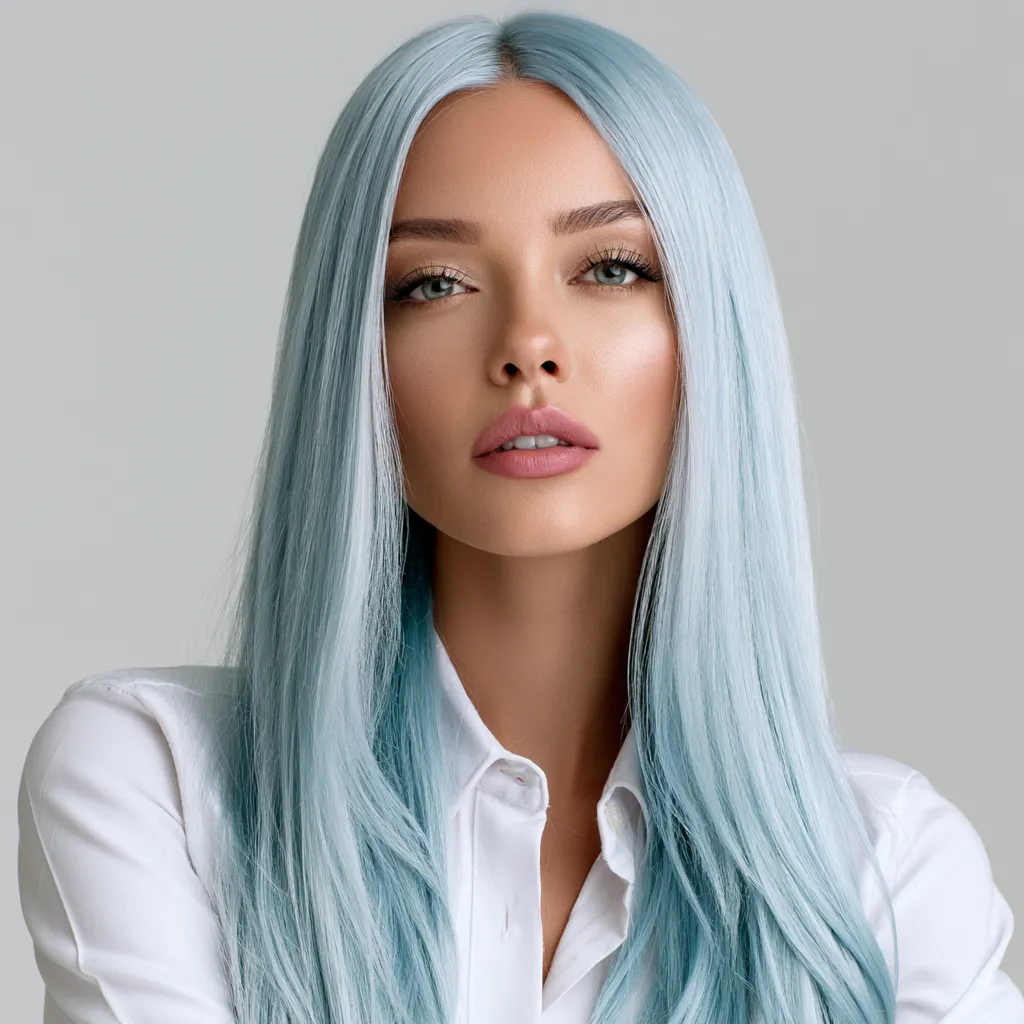
Formal Sleek Straight Hair Pulls Off the Glass-Finish Look Without the Frizz Return
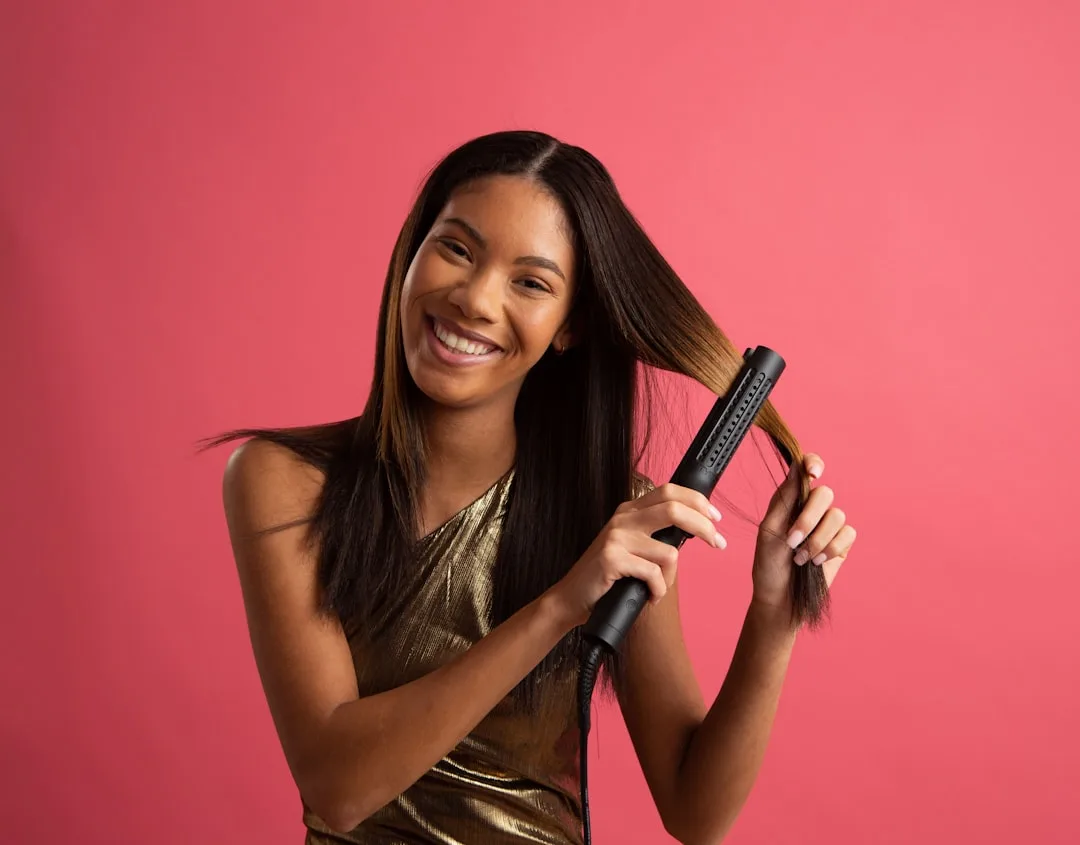
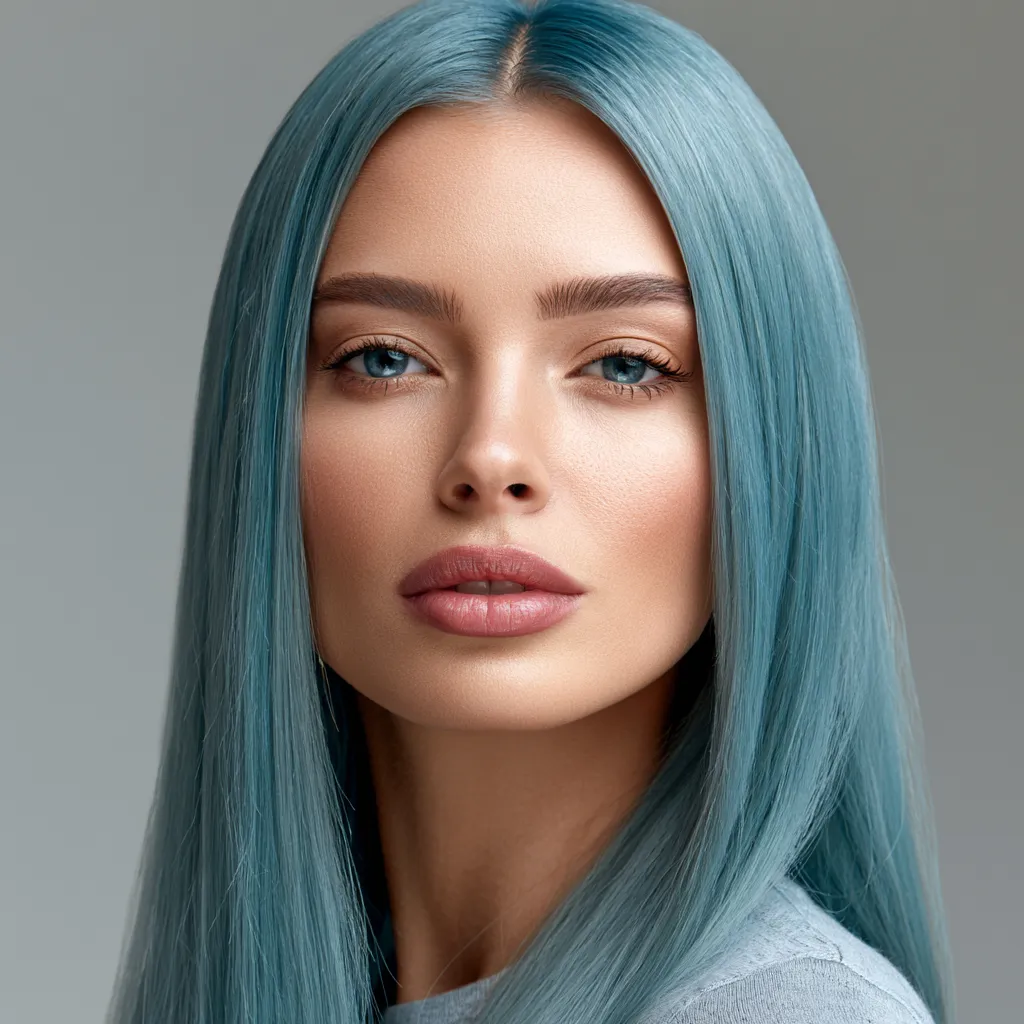
Formal sleek straight hair is as much a product decision as a styling decision — the silkiness lasts only as long as the frizz-control does, and in spring humidity that window closes fast without the right prep. Olaplex No.6 Bond Smoother, at $32 for 3.3 oz at Sephora, protects against heat up to 450°F and controls frizz for up to 72 hours. Apply one pump to damp hair before flat-ironing and the result is the glass-like smoothness that makes platinum and icy blonde shades look luminous rather than flat.


The partition matters more than most people realize. A center part on sleek straight hair reads modern and high-contrast — it divides the face symmetrically and lets the smoothness of each half speak for itself. A deep side part shifts the weight toward a single temple, which reads vintage and directional, particularly in platinum shades where the scalp-hair contrast is highest. Neither is wrong; both require precision at the root because any kink at the part line is immediately visible on a gloss finish.
What collapses this style fast is applying too much product too close to the root. A pump of smoothing cream at the scalp creates a greasy look by midday, which undermines the whole point of the glass finish. The correct application starts two inches below the root and runs to the ends — the scalp’s natural oil handles the top section on its own. For an especially polished result on fine straight hair, run the flat iron in single passes rather than multiple passes through the same section; repeated heat on the same strands breaks down elasticity faster than product does. Board-certified dermatologists at the American Academy of Dermatology recommend low or medium heat settings and a heat-protection product before any flat-iron use, both of which also help the style hold longer without damage accumulating at the ends.
Don’t use a serum with silicones at the root on fine straight hair — it reads greasy within two hours and the slip makes the part line collapse. Apply only to mid-length through ends.
Don’t flat-iron damp hair for a faster finish — the steam causes micro-fractures in the hair shaft that make the finish look rough rather than glassy, and the frizz returns faster on the same day.
Don’t assume sleek means stiff — holding spray on top of a smoothing product creates a lacquered look that moves like plastic, not silk. If you need hold for a formal occasion, use a light mist at the ends only, not roots to ends.
Don’t skip the heat protectant on platinum or highlighted hair — chemically lightened strands lose moisture faster under heat, and a single unprotected flat-iron session can leave ends frayed enough to break the sleek silhouette within days.
Natural Straight Hair Styles Read More Polished When the Tousle Has a Direction
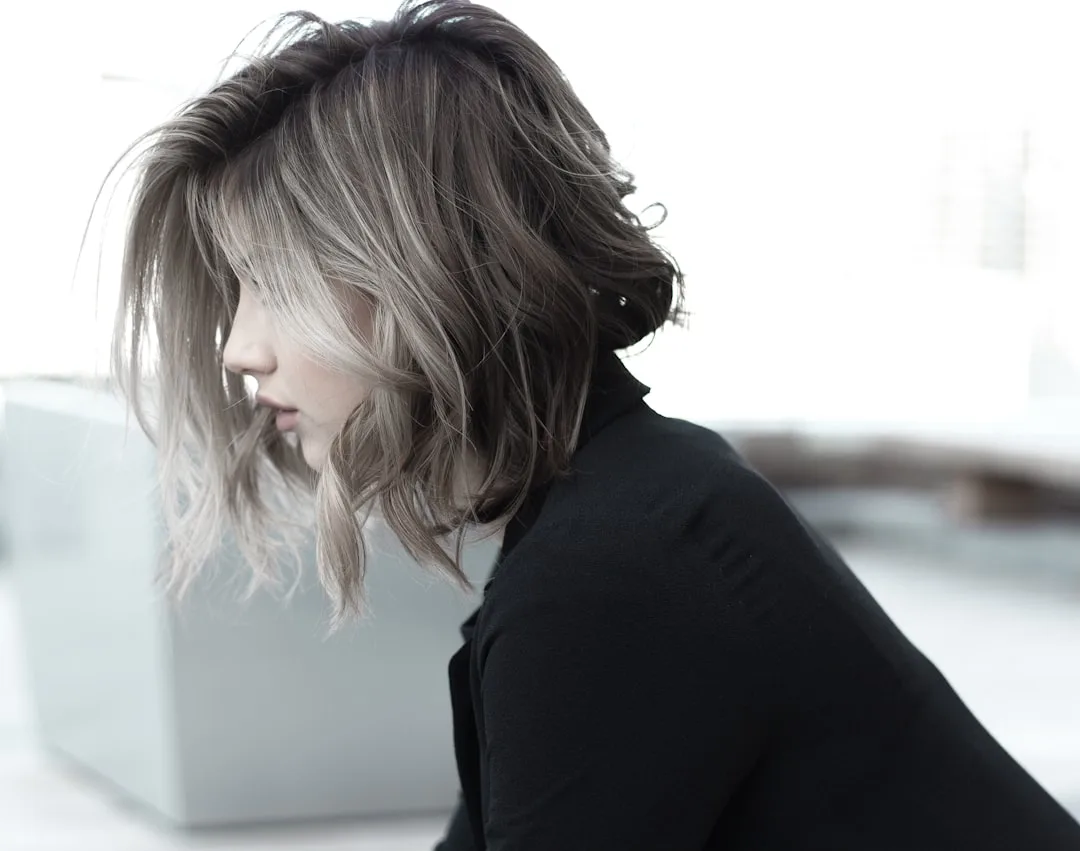
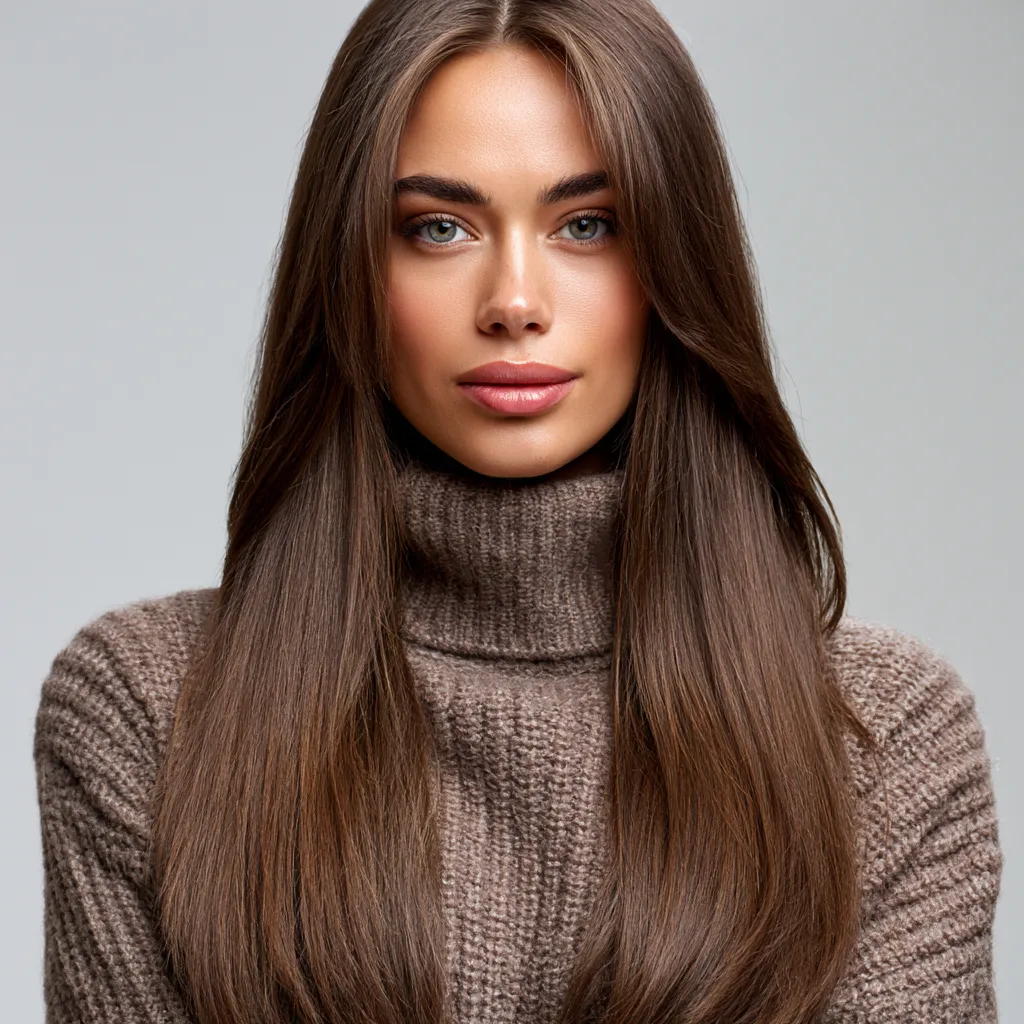
Natural straight hair styles in the tousled category live or die based on one decision: whether the movement is deliberate or accidental. Deliberate tousle — where the flat iron runs through the lengths and then makes two or three soft bends at the ends — reads like you styled it quickly and confidently. Accidental tousle — where the hair just air-dried and ended up going various directions — reads like it needs a brush. The difference is four minutes and one product.


Bumble and bumble Surf Infusion, at $36 for the full size at Sephora, is the one product that makes this look reproducible without a stylist. The salt-in-oil formula adds soft texture and a low-level sheen — not the gritty matte that basic sea salt sprays leave behind. Spray it onto damp mid-lengths and ends, squeeze the hair into loose sections with your hand, and let it air-dry. The result is exactly what this style requires: strands that look like they moved of their own accord but stayed organized while doing it.
Why does this work particularly well on brunette tones? Because the tonal variation in medium brown shades — the way darker underlayers sit beneath lighter surface strands — creates the visual impression of depth within each bend. It looks like dimension was added when nothing was done except letting the hair dry naturally. Lighter hair, especially single-process blonde, doesn’t get the same effect because the even tone reads uniformly regardless of the texture variation. Think of it like wood grain versus painted wood: the natural variation catches light differently at every angle.
Straight hair hairstyles in this tousled category also fail when the bends are too uniform. Three identical S-curves running down every section reads like a blow-out gone wrong rather than natural movement. The trick here is to vary the direction of each bend — alternate which way the end curls on alternating sections — so the overall impression is organic rather than patterned. For anyone considering how a v shape hair cut interacts with this tousled finish, the tapered hemline actually enhances the movement by concentrating weight at the center and letting the sides swing more freely.
| Style | Best For | Key Product | Trim Interval |
|---|---|---|---|
| Feathered Layers | Fine to medium straight hair needing movement | Lightweight hold cream (mid-shaft only) | 6–8 weeks |
| Formal Sleek Blonde | Polished, structured occasions or daily minimalism | Olaplex No.6 Bond Smoother ($32) | 8–10 weeks |
| Tousled Brunette | Low-effort daily styling, medium to thick texture | Bumble and bumble Surf Infusion ($36) | 8–10 weeks |
The Verdict
Straight Texture Is the Advantage, Not the Limitation
Feathered layers give straight hair movement without requiring any heat on most mornings — the cut does the work, not the styling routine. Budget six to eight weeks between trims to keep the precision intact.
Sleek blonde delivers the most striking result but demands the most preparation: one pump of Olaplex No.6 ($32), a heat-protectant pass, flat-iron in single sections only. The 72-hour frizz protection means the work you put in on day one carries through to day three.
Tousled brunette is the fastest of the three: Surf Infusion ($36), air-dry, done. The secret is alternating the direction of each bend so the movement reads organic rather than repetitive. Save this post before your next salon appointment.
Related Topics
FAQ
What are the best straight hair hairstyles for spring 2025?
How to style straight hair for a natural, tousled look?
What haircut works best for flat straight hair?
How do stylists achieve formal sleek straight hair?
How often should you trim straight hairstyles with layers?
What is the difference between aesthetic straight hairstyles and flat hair hairstyles?
Complete guide
Straight Hairstyles That Actually Work for Your Hair Type
Cuts by length, face shape, texture and color — all in one place