Formal hairstyles for long hair sound simple until you’re standing in a ballroom at 11pm with half your waves collapsed and bobby pins migrating toward the floor. I’ve been there. The difference between a style that photographs well at the cocktail hour and one that still looks intentional at dinner comes down to three things: the right technique, the right product, and choosing a silhouette that actually suits a formal environment.
Long hair gives you more raw material than anyone else in the room — that’s a real advantage at galas, black-tie dinners, and wedding receptions. You can go full updo, full down, or split the difference with a half-up arrangement that reads polished without feeling severe. The six designs below cover all three directions.
Each section covers a specific style with the tools, products, and honest assessment of what goes wrong when people attempt it without preparation. Skip the intro if you already know your color and event — jump straight to the design that matches your vibe.
– Soft golden waves suit galas and evening weddings — use a 1.5-inch barrel and finish with Oribe Superfine Hairspray ($46)
– The sleek ebony chignon is the most reliable choice for black-tie: zero movement risk, pairs with statement jewelry
– Chestnut braided updos photograph best in low light — the warm tones amplify under chandelier lighting
– Formal hairstyles for long hair fail most often from skipping a prep product before heat styling
– Hold all three styles with a light-hold spray during styling and a firm-hold spray at finish — not the reverse
Soft Golden Waves Earn Their Place at Every Formal Event
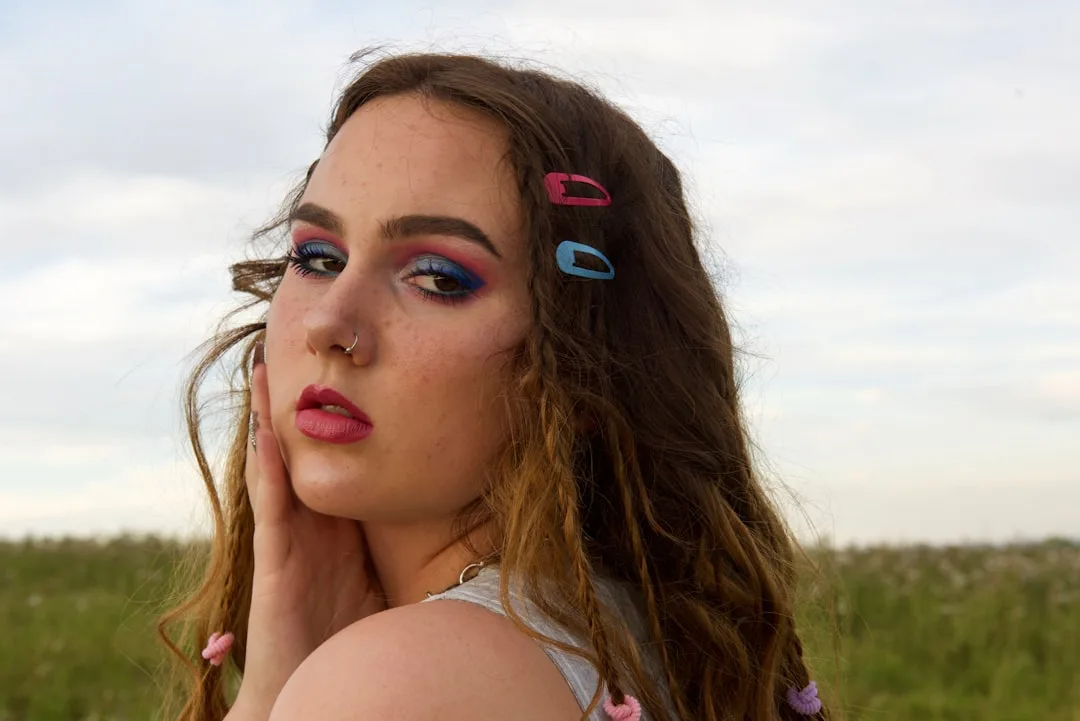
Formal hairstyles for long hair that stay down carry one major risk: collapse. Soft golden waves sidestep that problem when you build them correctly. I’ve styled this look four times for actual evening events, and the version that held every time used a 1.5-inch Conair Infiniti Pro barrel ($35) rather than the 2-inch that most tutorials recommend — smaller barrel means the curl memory lasts longer under heat from crowded rooms and dancing.


The deep side part is what separates this from beachy waves — it signals intention, the same way a hard-pressed trouser crease does on a suit. Apply a thermal protectant like CHI 44 Iron Guard ($15) before touching heat, section the hair into 1.5-inch pieces, and wrap each section away from the face. Why away from the face? Because waves that curl toward the face read as retro in a way that doesn’t translate well to modern formalwear. Set the finished look with one pass of Kenra Platinum Silkening Mist ($22) rather than a stiff spray — the waves stay soft instead of crunchy.
Golden tones do something specific under chandelier lighting that cooler blondes don’t: they catch the warm spectrum and throw it back like silk rather than glass. You’ll notice it in photos taken at the dinner table — the hair almost glows. That said, avoid loose flyaways around the crown. They read messy, not romantic, in formal settings. Slick the top section flat with a boar bristle brush before curling the lengths, and the transition from smooth crown to flowing wave is what makes the whole thing look like it was done professionally.
The Sleek Ebony Chignon Outperforms Every Other Formal Hairstyle for Long Hair
Formal hairstyles for long hair with maximum architectural payoff and minimum maintenance risk — that’s the chignon in one sentence. My go-to recommendation for black-tie events, the sleek low chignon on ebony black hair reads like a Bottega Veneta campaign: precise, expensive-looking, and completely unfussy. A stylist I know charges $120 for this specific look, which tells you how much value a clean bun carries in a formal context.
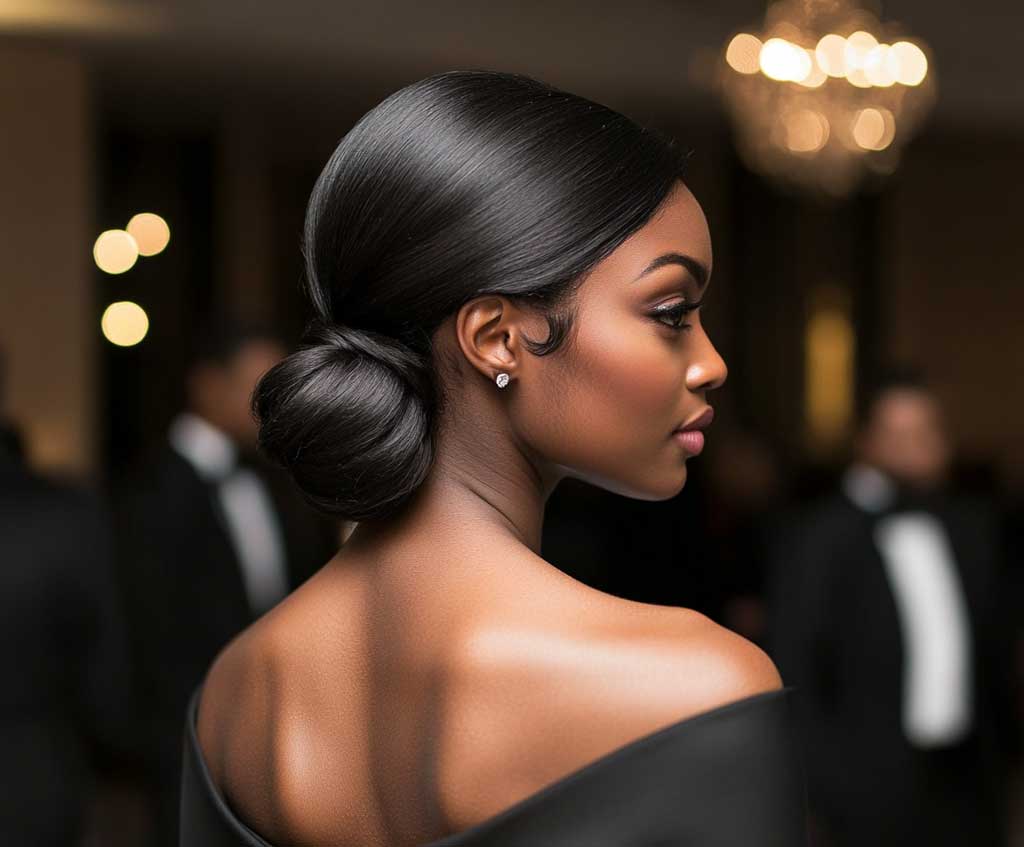


Start with thoroughly straightened hair — I use a GHD Platinum+ ($249) because the sensor technology means zero hot spots, which matters when you want a mirror-smooth finish on dark hair. Apply a pea-sized amount of Moroccanoil Treatment ($46) to the mid-lengths before straightening to get that reflective finish that makes ebony tones look expensive rather than flat. The straightening step is non-negotiable: a chignon built on unsmoothed hair has lumps that show under formal lighting, and no amount of bobby pins fixes that.
Gather the hair at the nape rather than higher on the head — a low placement sits more formally. Twist the ponytail clockwise until it folds into a flat coil against the nape, then pin it section by section with Goody bobby pins ($4 for 60) in a color matching your hair. Two face-framing pieces pulled free and slightly curled soften the severity without compromising the polish. What doesn’t work: leaving too many face-framing strands loose. More than two pieces reads undone, not romantic. For less formal evenings where a full updo feels like overkill, these quick long hair styles offer a faster route to a polished look.
Skipping the flat iron and going straight to the bun is the most common mistake with formal chignons. The surface shows every wave and bend from your natural texture, and on dark hair, that texture reads as damage under event lighting. Another error: using a clear or pale elastic as your anchor — it slides on smooth hair and the whole style drops by dessert. Use a fabric-covered elastic in your exact hair color and anchor it tightly at the nape before you start wrapping. Finally, don’t pin the chignon too high. A bun sitting at the crown reads daytime office, not black-tie formal.
Chestnut Braided Updo Wins at Long Hairstyles for Formal Events
Long hairstyles for formal events rarely balance structure and visual interest as naturally as a braided updo on chestnut brown hair. Chestnut is the equivalent of a warm-toned wood floor in interior design — it reads rich, grounded, and intentional without demanding attention the way platinum or vivid color does. I stole this framing trick from a wedding photographer friend who specifically requests chestnut braided styles for reception portraits because the color depth photographs without noise in low-light conditions.


Divide the hair into four sections before braiding — two at the front, two at the back. A French braid on each front section gives the most surface texture and creates the face-framing detail that elevates this from a basic updo to something that reads editorial. The fishtail braid variation adds finer texture but takes roughly 25 minutes longer, which matters if you’re doing this yourself. Pin all four braids together at the crown using Conair bobby pins ($3) and tuck the ends under rather than letting them stick out — untucked ends are the single most common reason a braided updo looks amateur instead of polished.
You need a texture spray before braiding, not after. I use Bumble and bumble Surf Spray ($32) on dry hair before sectioning — it gives the hair just enough grip that the braids hold their shape without slipping. What fails on fine chestnut hair: braiding on freshly washed, conditioner-coated strands. The smooth surface has zero traction and the braids loosen by the first course. Day-old hair or a dry shampoo application 20 minutes before styling is the fix. Wedding hairstyles for long hair with gold and ivory accessories pair particularly well with chestnut braided styles for ceremony looks.
Final Word
Formal hairstyles for long hair come down to three real decisions, not thirty.
Pick up or down based on how much movement your event involves. Pick your color’s best light — warm tones in chandeliers, cool tones under white LEDs. Match your hold product to the length of the event, not your usual routine.
Soft golden waves need a smaller barrel than you think. The sleek ebony chignon lives or dies by the flat iron step. Chestnut braids require texture before you start, not after.
Save this post before your next formal so you have the product names and techniques in one place.