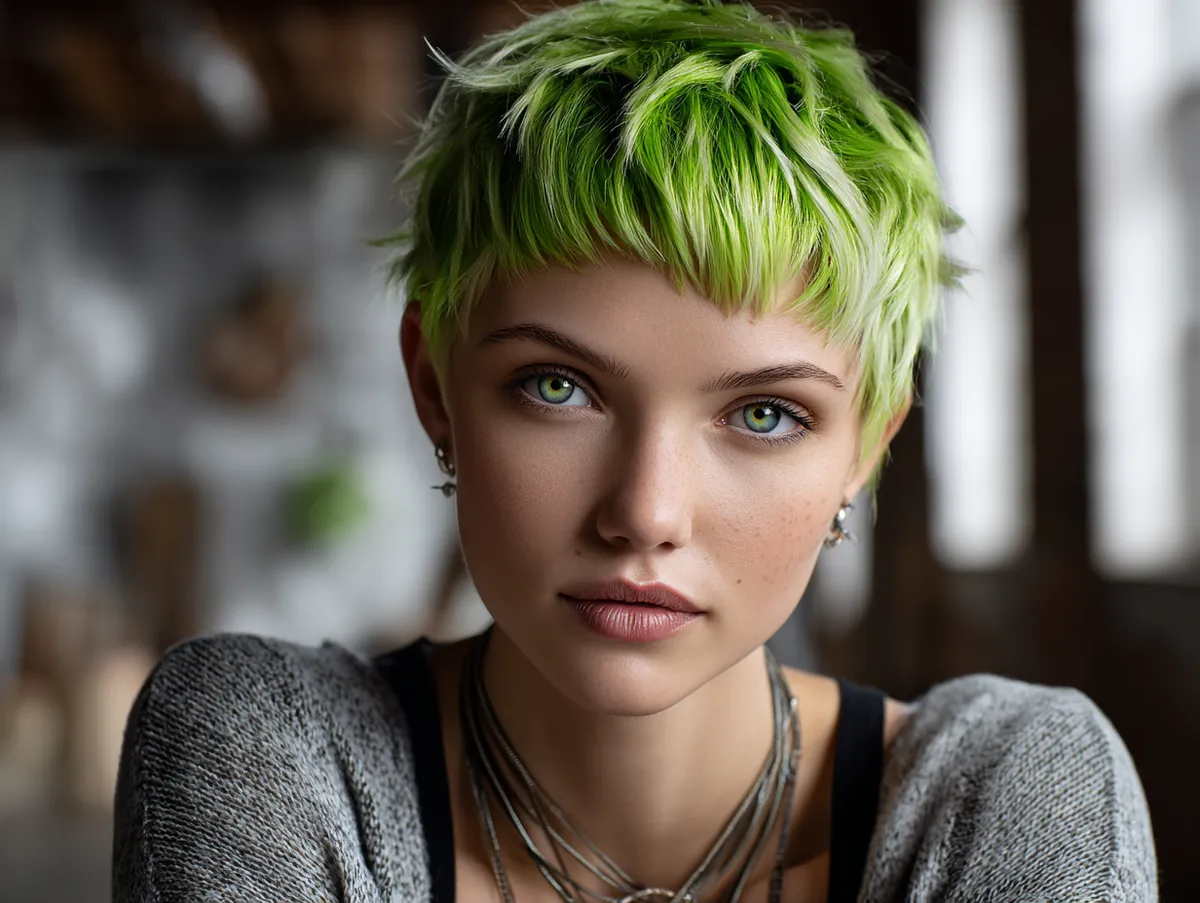
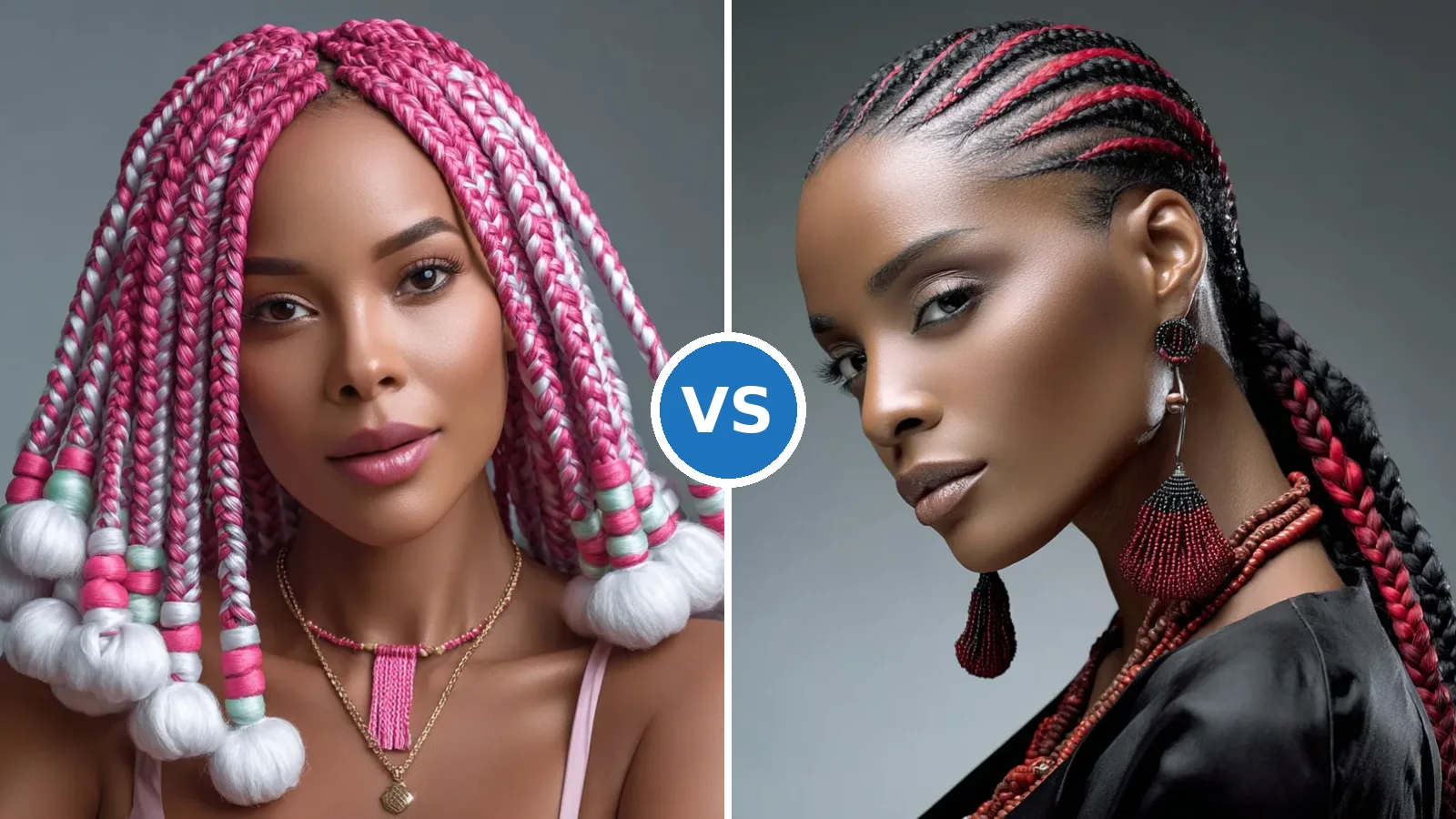
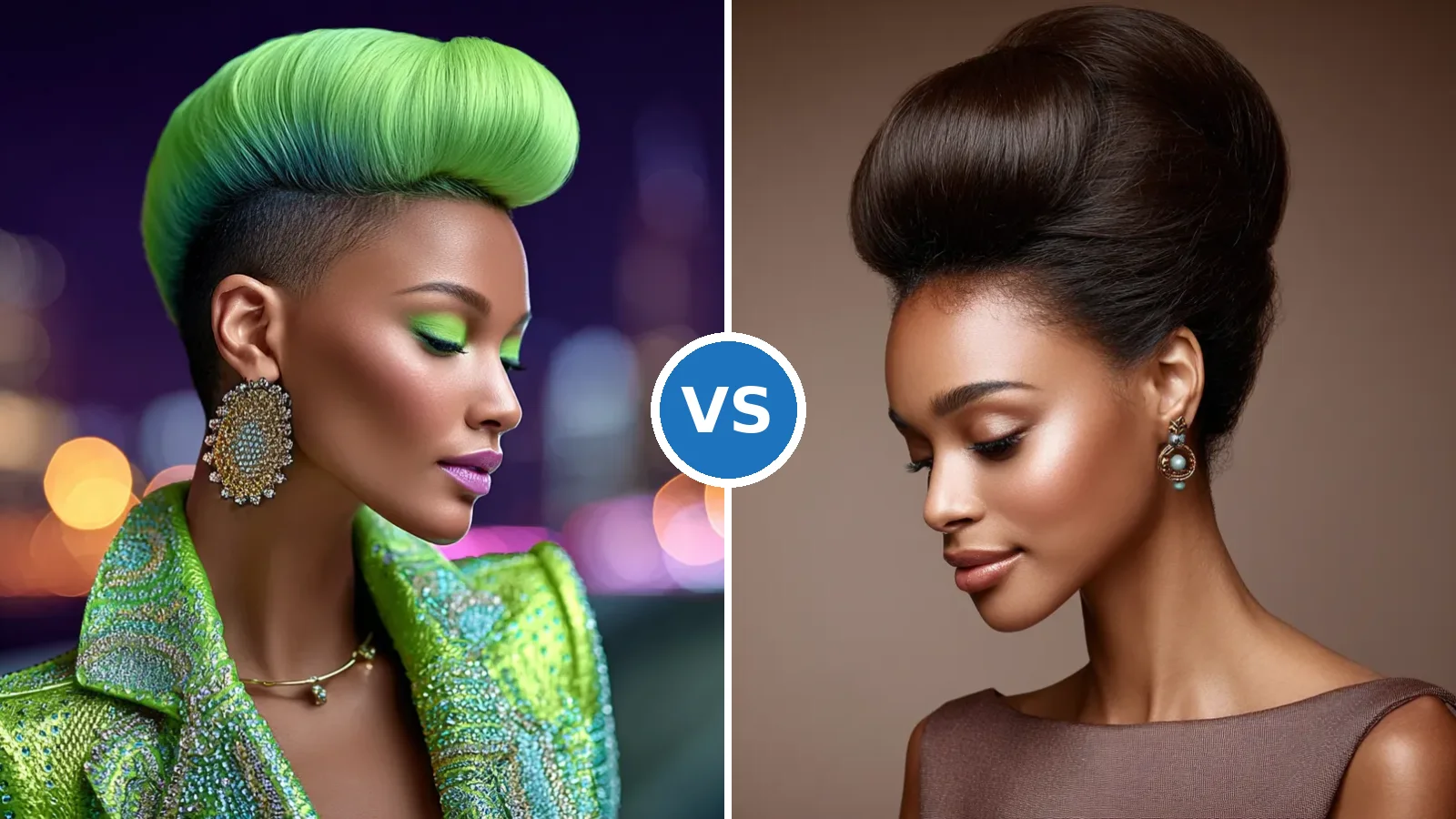
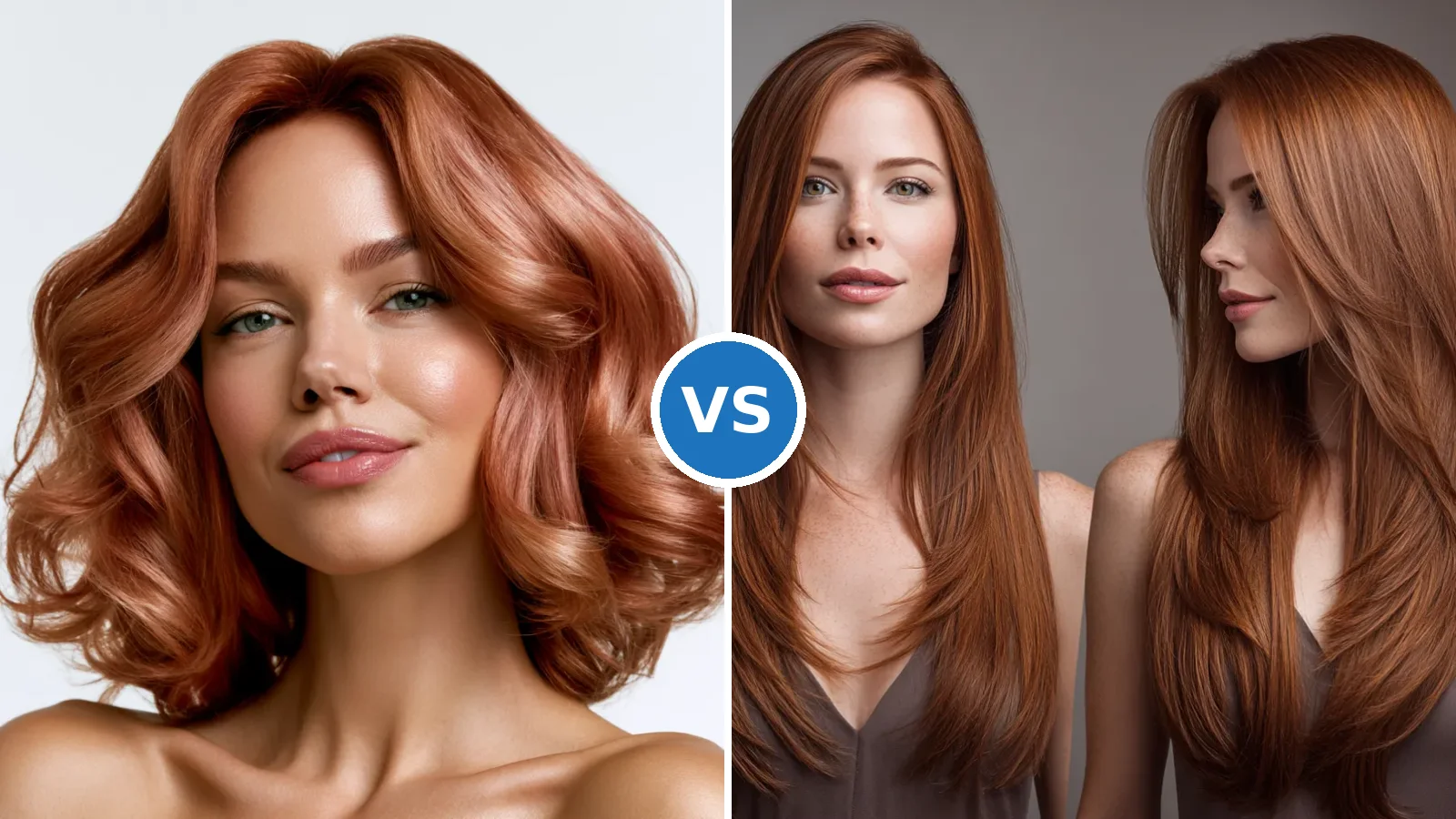
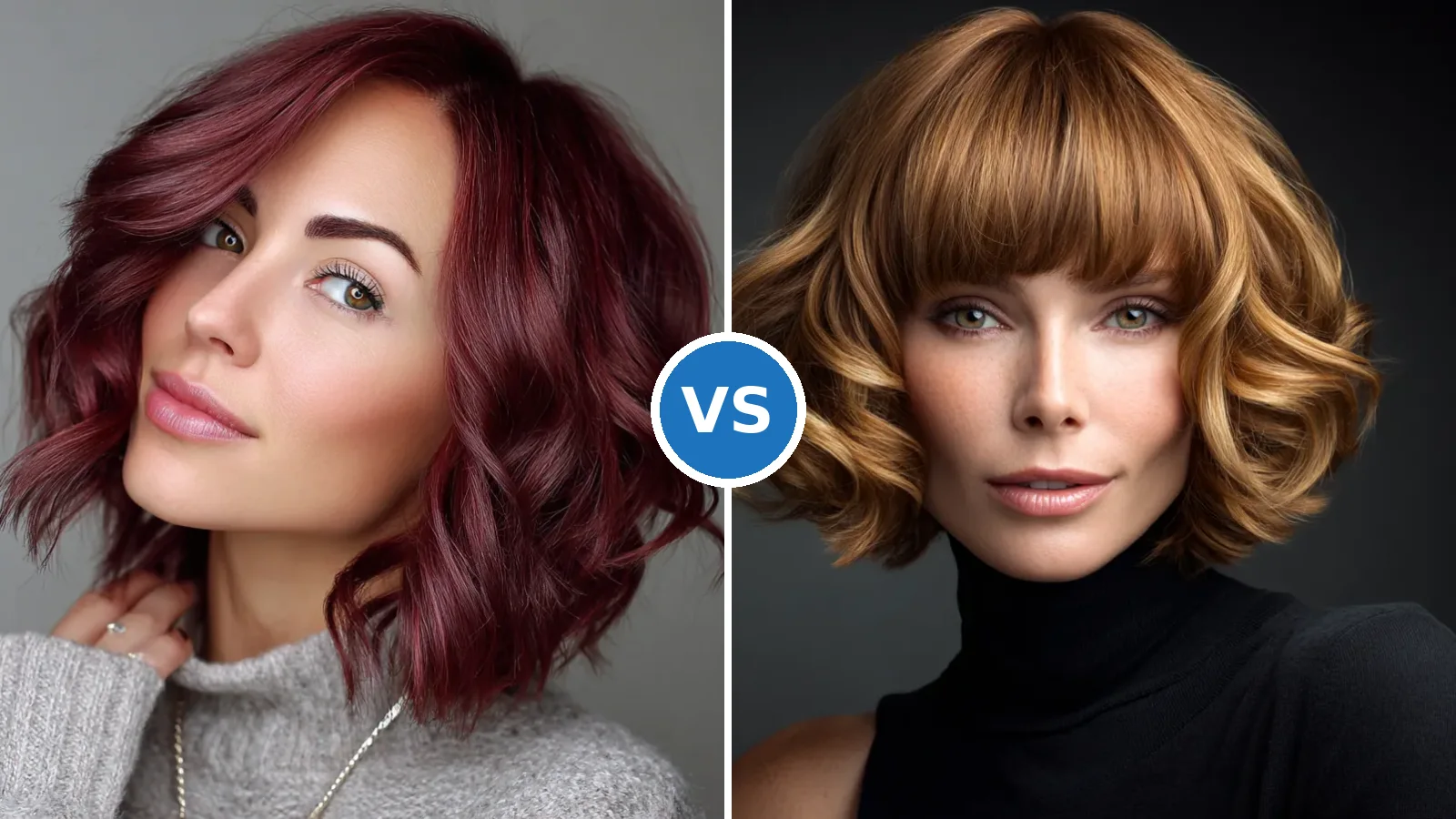
Crimped layered hair on thick strands is one of the few styling moves where having more hair actually works in your favor. The density holds the zigzag pattern for days, the volume amplifies every ridge, and the layers give the style room to breathe without collapsing under its own weight. This is the texture crimping was designed for, even if the 80s never quite said so out loud.
Three distinct color directions show exactly how the technique plays differently across neon pink, electric blue, and fiery red. The styling mechanics shift with each shade—what works for a layered pink look won’t necessarily hold for a face-framing blue approach. The differences matter, and the details below spell them out.
Crimping irons start around $28 for adjustable-temperature models, and that entry point is low enough to test the style before committing to a salon session. Pair any iron with a thermal protectant before every pass—CHI 44 Iron Guard runs $18.50 at Ulta and is one of the most-used sprays in this category for thick hair.
– Thick hair holds crimped texture up to 3 days without restyling—longer than fine or medium hair
– Layering is mandatory before crimping: it removes weight so the ridges don’t drag flat
– Neon pink amplifies texture visually; electric blue adds depth through light refraction; fiery red intensifies heat on every raised ridge
– Face-framing crimps work differently than all-over crimps—concentration matters more than coverage
– Side parts create asymmetry that turns a single-note crimped style into something with real editorial edge
– Avoid crimping freshly washed hair without a texturizing base—it slides out within hours
Neon Pink Crimped Layered Hair with Volume That Doesn’t Drop
Crimped layered hair in neon pink is one of the highest-contrast combinations in bold styling—the color sharpens every raised ridge so the texture reads from across a room. Precision layering is the structural prerequisite here: without it, thick hair’s weight pulls the crimped sections flat by hour three. Layers spaced every two to three inches through the mid-shaft allow each crimped segment to lift and hold its shape independently, like a stack of spring-loaded curves. The neon shade turns each fold into a color gradient—deeper at the root, almost fluorescent where the ridge catches light.


Stylists recommend a teasing comb at the crown before the iron goes near it—backcombing the top quarter inch creates a grip base that prevents the crimped crown from collapsing when hair swings forward. Finish with a lightweight flexible-hold spray rather than a heavy-lacquer product; the heavier the spray, the faster the zigzag compresses. The neon pink color also benefits from a UV-protective finishing mist, since vivid pigments fade fastest at the ridge tips where light exposure is highest. Pravana Vivids in pink holds about four weeks on pre-lightened hair—budget that into the maintenance timeline.
What doesn’t work: crimping neon pink hair without layering first and hoping the color compensates for flat texture. It doesn’t. Thick hair without layers weighs the ridges down within two hours, and the resulting look is half-deflated wave rather than structural zigzag. The layering appointment and the crimp session are not interchangeable steps—they happen in that order for a reason. For more on working with vivid pink tones on textured cuts, the maintenance mechanics are covered in depth in this rundown of neon and pastel pink hair styles.
This style runs well past music festivals. The layered neon pink crimp reads editorial at a shoot, theatrical at a concert, and unapologetically personal on a Tuesday afternoon. Thick hair is the one texture type where you can actually oversaturate the style and still have it read clean—the density absorbs the drama rather than being swallowed by it.
Electric Blue Crimps Concentrated Where the Face Needs Framing
Face-framing crimped hairstyles hit differently than all-over crimped looks—the concentration of texture around the front layers directs the viewer’s eye straight to the jawline and cheekbones rather than spreading attention evenly across the whole silhouette. Electric blue amplifies this effect because the color refracts light at every ridge angle, creating a shifting shimmer that tracks with movement. For thick hair, the front layers carry enough density to hold the crimped frame firmly in place for hours without pinning or product refresh. The back can stay loose, half-up, or in a low ponytail—the framing does its job regardless of what’s happening behind.

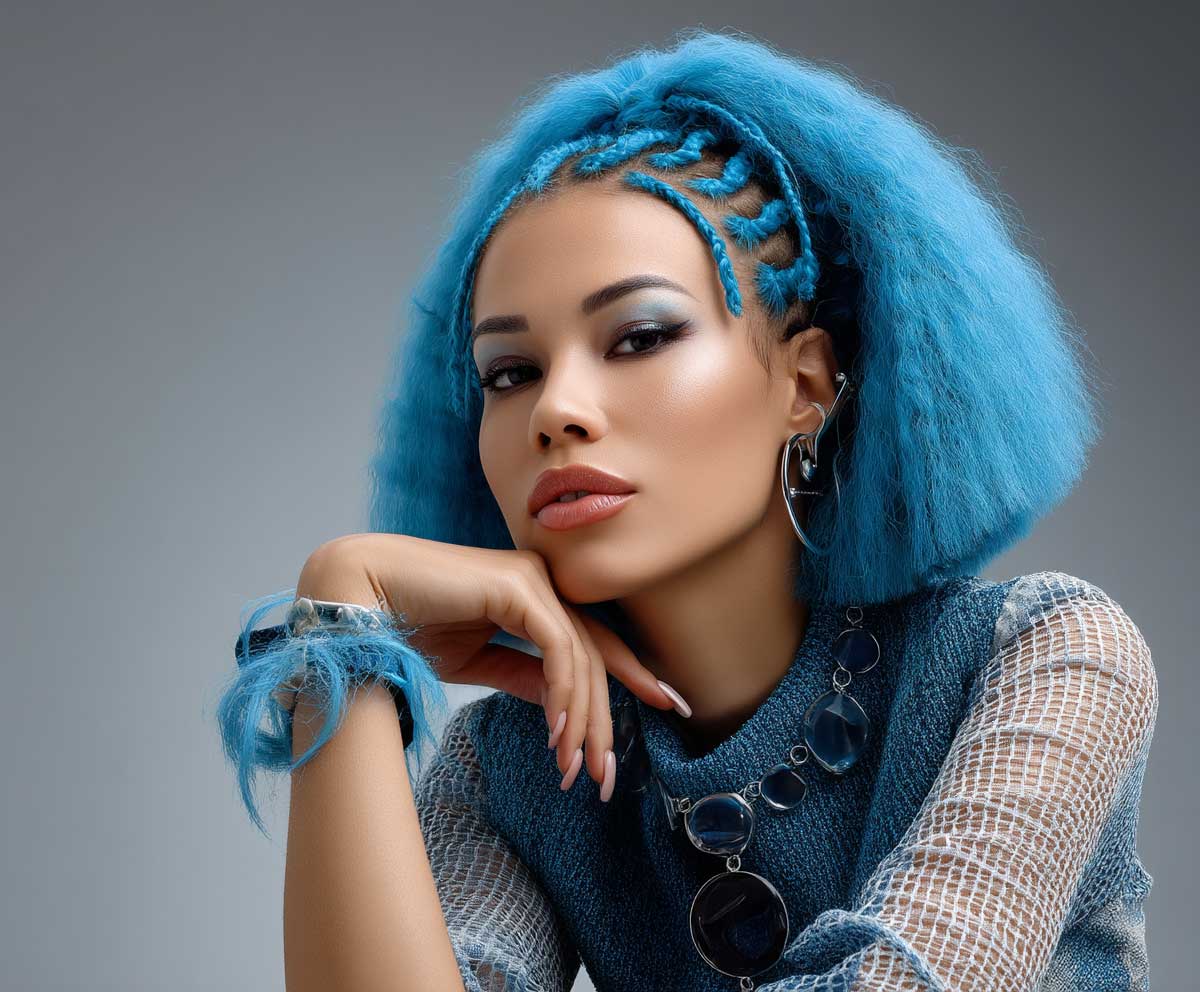


The technique uses a small-barrel crimping iron on the front sections only, starting close to the scalp and working to the ends. Thick hair lifts easily at the root when the iron presses down at a slight angle toward the face—this creates a forward-falling wave that frames rather than falling flat against the cheek. A common approach is to leave the immediate hairline section straight and begin the crimps about a half inch back, so the color reads as a clean frame rather than a wall of zigzag. Rush Hairdressers note that trimming crimped ends every six to eight weeks prevents the texture from degrading into frizzy droopiness—a schedule worth keeping if the blue is maintained.
Try this with statement earrings or a bold collar visible above the neckline—the face-framing crimps turn accessories into part of the composition rather than afterthoughts. On day two or three, a light mist of dry shampoo at the roots and a quick finger-scrunch through the front layers revives the shape without a full re-iron. The electric blue absorbs dry shampoo well and doesn’t show white residue the way natural colors sometimes do at the root. The real test of this style’s construction is whether the frame stays put through a full evening without touching it—on thick hair, it does.
Crimping electric blue hair without concentrating the texture around the face first produces an all-over pattern that reads flat rather than intentional. The face-framing effect only works when the density is highest in the front sections—if the back is equally crimped and equally blue, the eye has nowhere to land. Skip the back or keep it smooth. Also: avoid crimping freshly colored blue hair the same day as the dye appointment. The heat opens the cuticle further and pulls pigment out of hair that’s already compromised from color processing. Wait at least 48 hours.
Fiery Red Side Part Crimped Hairstyles with Asymmetric Drama
A deep side part transforms a crimped hairstyle from symmetrical statement into architectural composition—the larger section carries the full weight of the zigzag volume while the smaller side creates contrast through compression or sleekness. Fiery red is the color that rewards this asymmetry most visibly: when light hits the raised ridges on the heavier side, it reflects with a warm flicker that makes the hair look like it’s generating its own heat. For thick hair, the dense side section holds the crimped volume without drooping, letting the shape stay dramatic through an entire evening rather than deflating by the second hour.
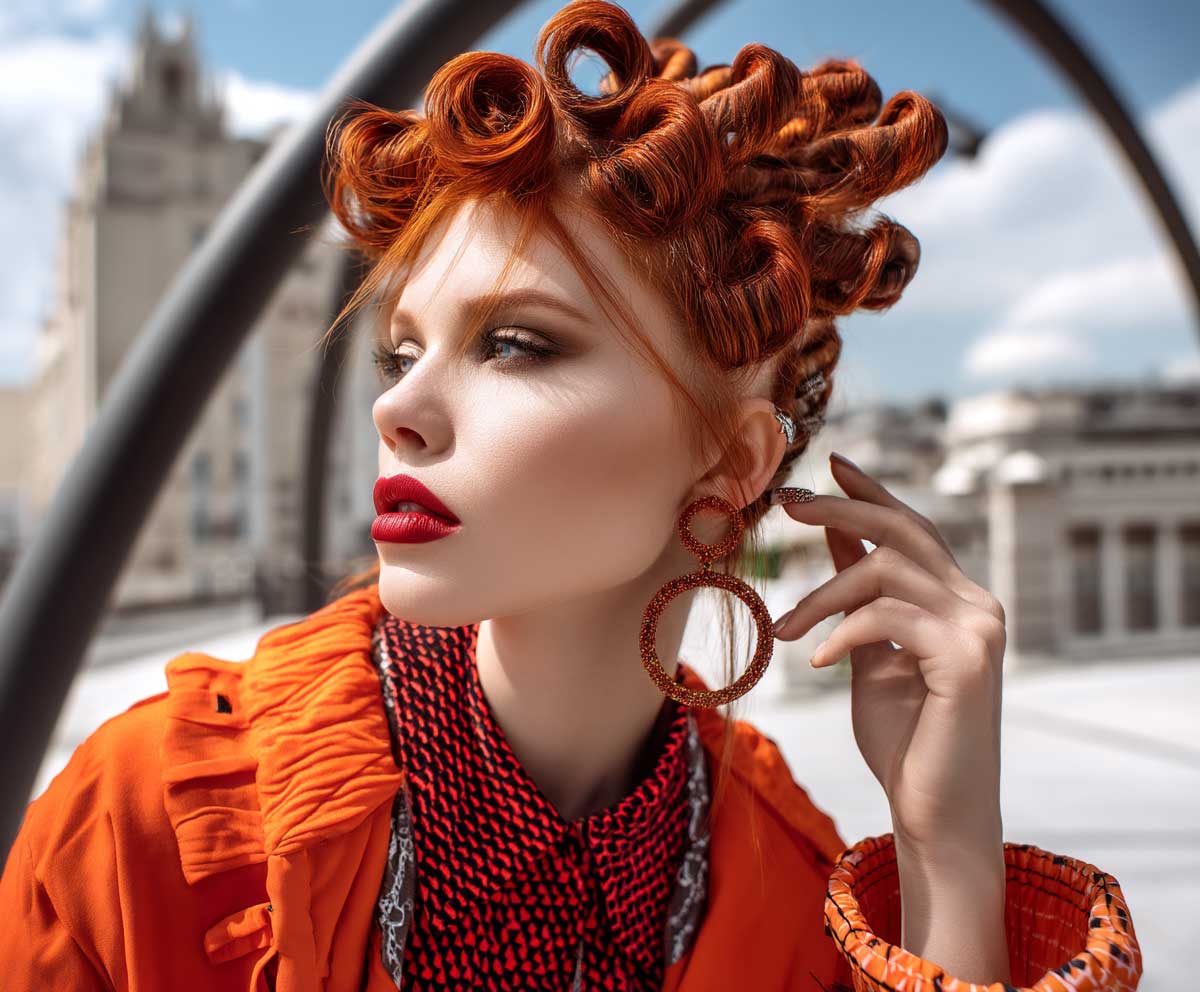


Denser crimping on the larger section is the mechanical key: run the iron through the full length of that side in small passes, letting the zigzag stack tightly from root to end. The smaller side can be slicked flat with a smoothing balm, loosely braided, or tucked behind the ear—any of these options sharpens the contrast between the two halves. The side part itself acts as the main styling line, directing attention across the face before the texture takes over. Metallic clips placed at the part or along the smaller section’s edge add a detail that reads intentional rather than decorative.
Fiery red fades faster than cooler shades—most vibrant reds shift toward copper or orange within three to four weeks without color-depositing treatment. Redken Color Extend Magnetics shampoo at around $22 helps slow the fade, and a weekly color-depositing mask keeps the red saturated between salon visits. This is not a low-maintenance color, but the return on the crimped texture plus the color drama makes the upkeep argument easy. Thick hair that holds crimps well also holds color longer than fine hair because the denser cuticle structure retains pigment more effectively. If you want to explore how bold hair colors on thick wavy textures play across other styles, the thick wavy hairstyle ideas page covers several complementary approaches.
The fiery red side-part crimp doesn’t need accessories to complete it—the style’s own structure provides the interest. Adding too many metallic elements competes with the color’s warmth and muddies the editorial clarity of the silhouette. One piece, placed deliberately, is the ceiling here.
| Style | Best For | Maintenance Interval | Key Risk |
|---|---|---|---|
| Neon Pink Layered Crimp | Festivals, editorials, thick layered hair | Color refresh every 4–5 weeks | Color fades at ridge tips first |
| Electric Blue Face-Frame | Defined facial features, editorial looks | Trim every 6–8 weeks | All-over crimp kills the framing effect |
| Fiery Red Side-Part Crimp | Asymmetric drama, evening wear | Color-depositing mask weekly | Red shifts to copper without maintenance |
Rush Hairdressers confirm that modern crimping irons, with adjustable ceramic plates and temperature controls, cause significantly less damage than 1980s tools—partly because today’s heat-protectant formulas can withstand up to 450°F compared to basic silicone sprays of the earlier era. That technological gap is what makes the current crimp revival viable as a regular styling habit rather than a once-a-season event. For a full look at how the technique scales across hair lengths and textures, Rush Hairdressers break down 20 crimped hairstyle variations with stylist-specific tips for each cut profile.
The Takeaway
Thick hair and crimping are a structural match—the texture holds what fine hair loses in an hour
Layer before you crimp. The ridges need space to lift and stay lifted, and layering creates that architecture in the cut rather than relying on product alone.
Choose your color based on what you want the light to do: pink amplifies visibility, blue creates shifting depth, red generates warmth on every raised surface.
The side part and the face-frame are two different tools for creating focus—pick the one that matches the silhouette you want, not the one that requires less setup. Save this post.