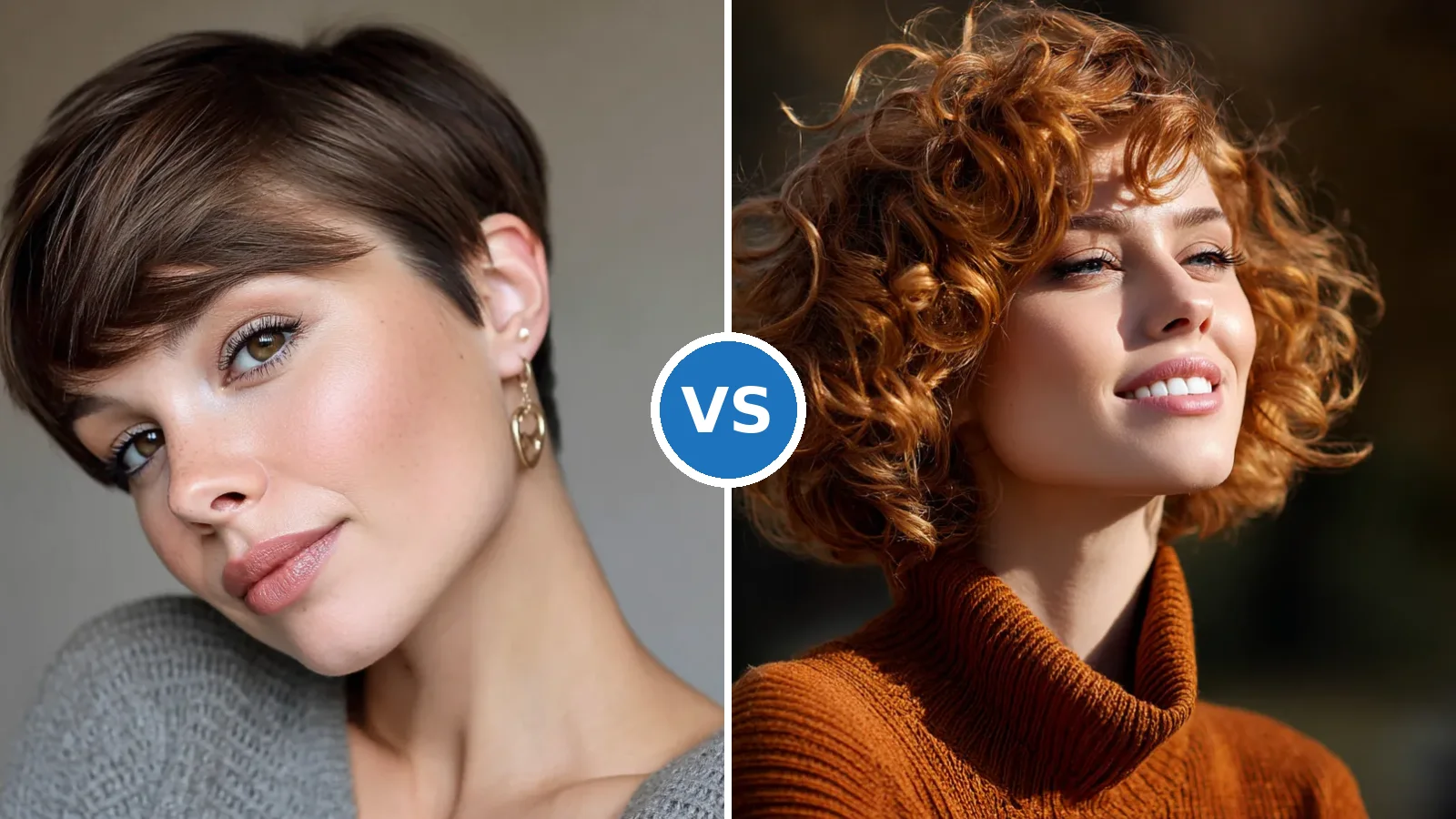
Highlight hair ideas designed for a long face operate on a different logic than standard color placement tutorials suggest. The goal isn’t to find a flattering shade — it’s to interrupt the vertical flow of the face using light, contrast, and strategic positioning. Color placed horizontally across the temple, cheek, or jaw zone pulls the viewer’s eye outward, reducing perceived length without touching a single strand with scissors.
The three looks below approach that goal from opposite ends of the color spectrum. A warm peach streak on cinnamon waves, an electric violet curtain on an espresso lob, a lime green dip on a mahogany shag — each uses a different mechanism to add width. The technique matters far more than the hue, and understanding why each placement works makes the salon conversation sharper and the result more predictable.
Partial highlights — the most relevant service category for these face-framing placements — run $85–$217 at most salons according to Yelp’s 2026 pricing data. That range makes getting the technique right before the appointment a genuinely worthwhile investment.
– Peach side streaks on cinnamon waves draw the eye outward at cheek level — the horizontal color line is what actually shortens face length
– Violet curtain streaks on an espresso lob create a stark contrast that shifts focus across the cheekbones, not down the face
– Lime green dipped ends on a mahogany shag anchor the eye at the hair’s ends, grounding the silhouette and adding perceived width in the lower third
– Vivid colors (violet, lime green) require touch-ups every 4–6 weeks; warm naturalistic tones like peach stretch to 8–12 weeks
– Full bangs in the shag section add forehead-shortening structure that multiplies the color’s face-balancing effect
Peach Side Streaks Redirect Where a Long Face Loses Width
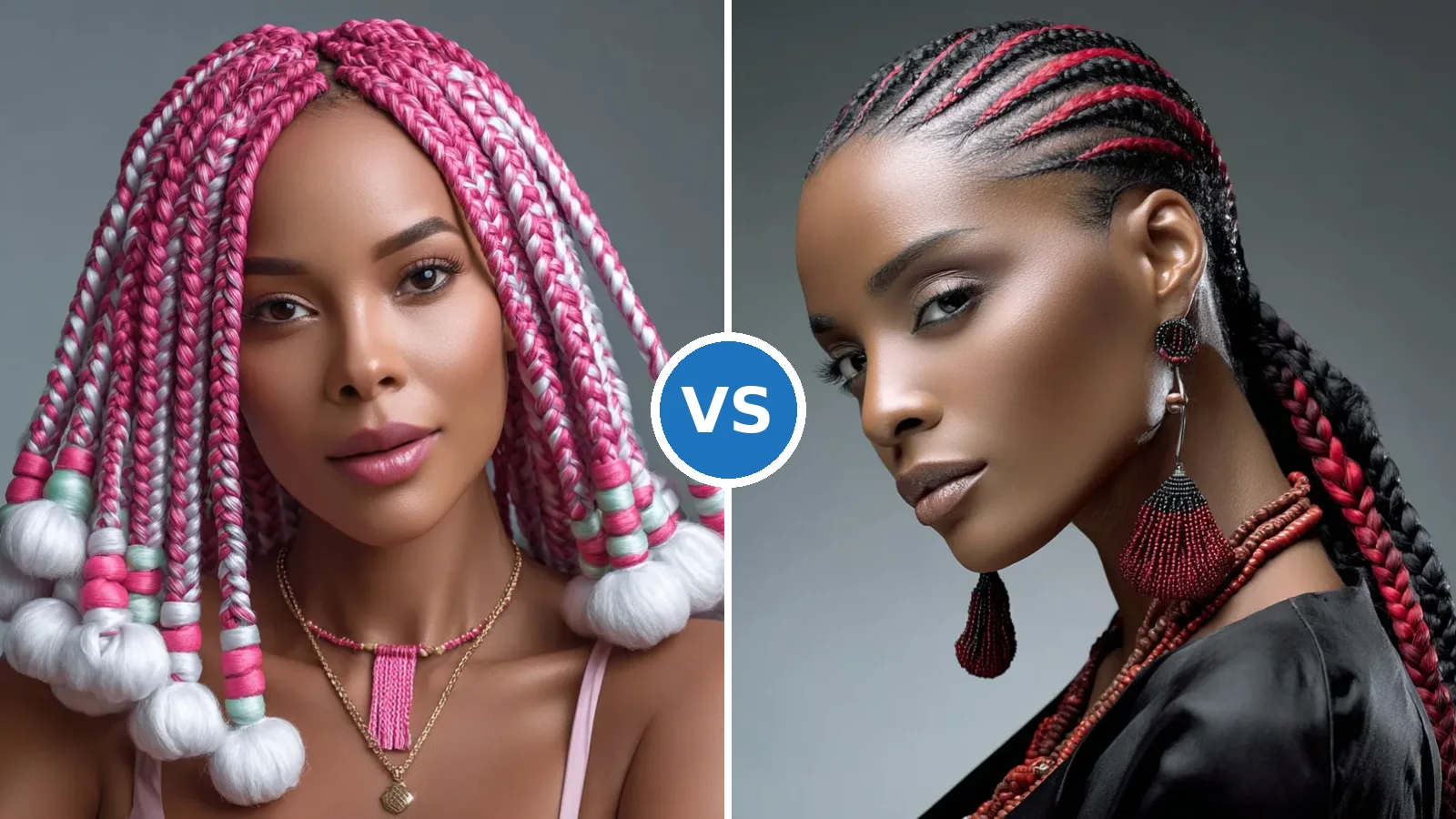
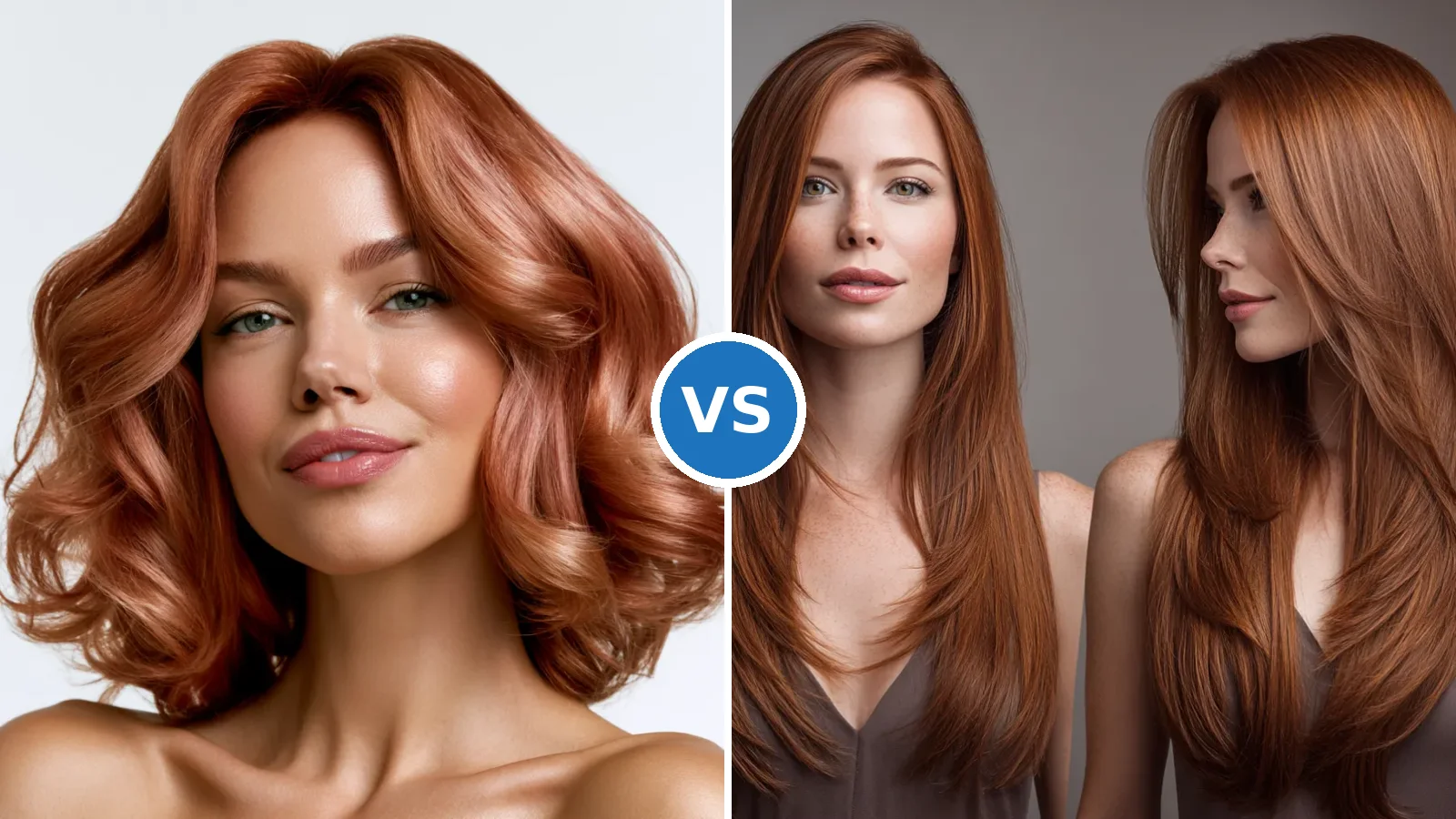
Side streaks of peach sorbet on cinnamon brown waves are among the most effective highlight hair ideas for a long face precisely because of where they land — not what color they are. Placed just below the temples and running horizontally through the side sections, the peach tone creates a visible light band across the cheek zone, which is the exact area a long face most needs visual reinforcement.


Think of each peach streak as a horizontal brushstroke — the eye follows it sideways rather than sliding down the face’s full vertical length. This is exactly the mechanism Iles Formula’s colorist team describes in their face-shape placement guide: for long faces, adding highlights and volume near the ears adds width to the overall frame. The cinnamon base keeps the palette grounded and warm, giving the peach something to contrast against without clashing. These tones read most cleanly on light to medium complexions with warm or neutral undertones.
Does direction of application matter? Yes — significantly. Streaks applied root-to-tip run parallel to the face’s vertical axis and do nothing to interrupt it. Stylists recommend placing these partials at a slight diagonal or purely horizontal angle through the side sections, foiling them away from the part rather than down from it. That single placement decision is what separates a highlight that flatters a long face from one that makes it look longer. Partial highlights in this style run $85–$217 depending on salon and hair density — a targeted investment that outperforms a full head of vertical highlights for this face shape.
Maintaining peach vibrancy requires washing no more than two or three times per week with a sulfate-free shampoo and using a pigmented color-depositing conditioner in a peachy-copper tone weekly. Heat exposure is the fastest route to fading — diffuse on low, or air-dry. Loose finger waves or a low-heat diffuser session enhance the cinnamon base’s movement and keep the peach streaks surfacing and disappearing through the wave pattern, which amplifies the horizontal shimmer effect that does the actual face-shaping work. See also how short layered hairstyles for long faces create width through cut structure rather than color — the two approaches stack well together.
Violet Curtain Streaks on an Espresso Lob Work by Contouring with Contrast
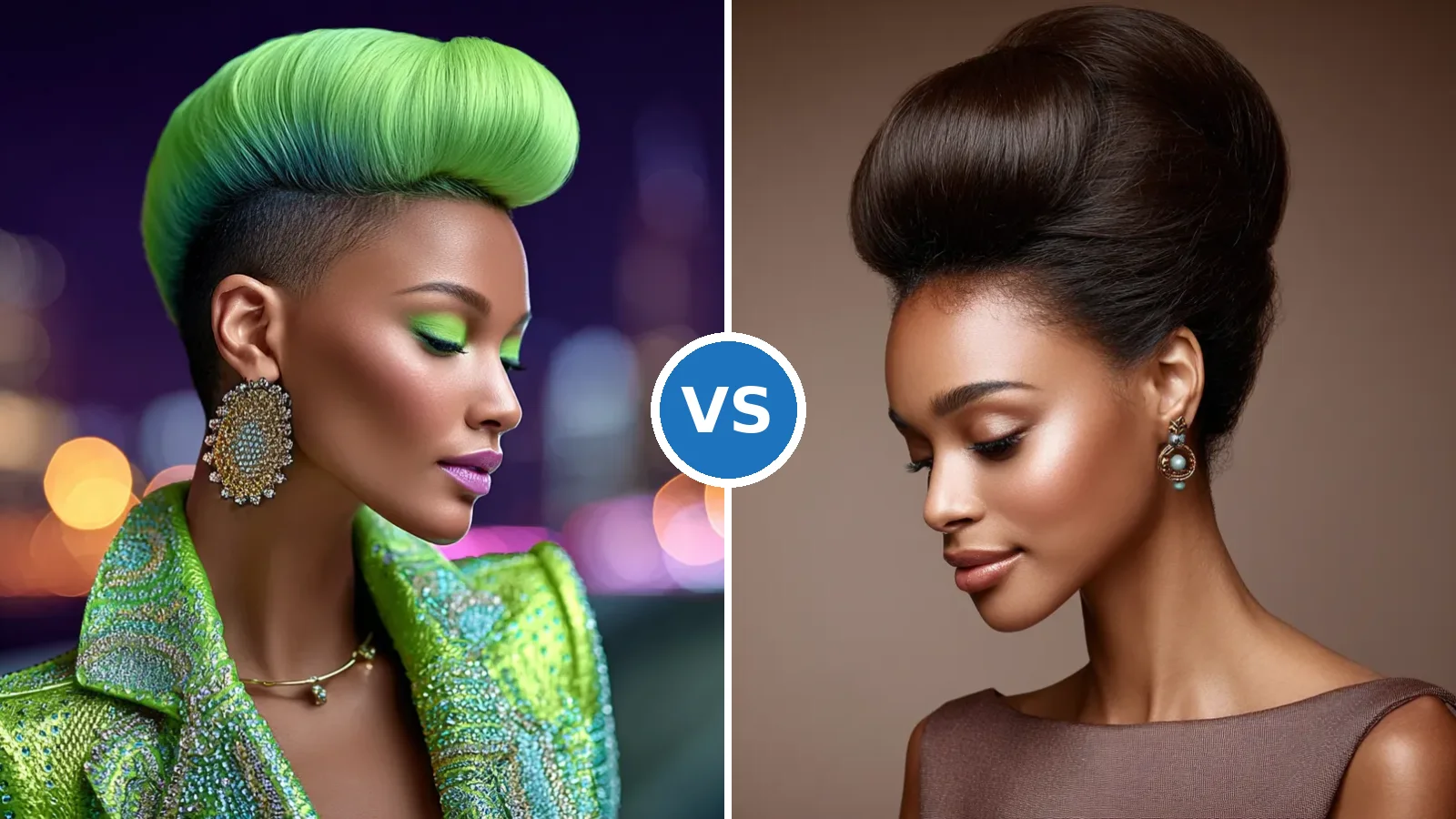
Electric violet curtain streaks on a shoulder-length espresso lob are a case study in using contrast as a face-shaping tool. The bold color isn’t placed randomly — it flanks the face in curtain-like panels directly beside the cheekbones, creating a strong visual pull outward at the widest point of a long face’s mid-section. Highlight hair ideas built on stark contrast work especially well here because the viewer’s eye is drawn to the color first, and the color is positioned horizontally across the face’s center.


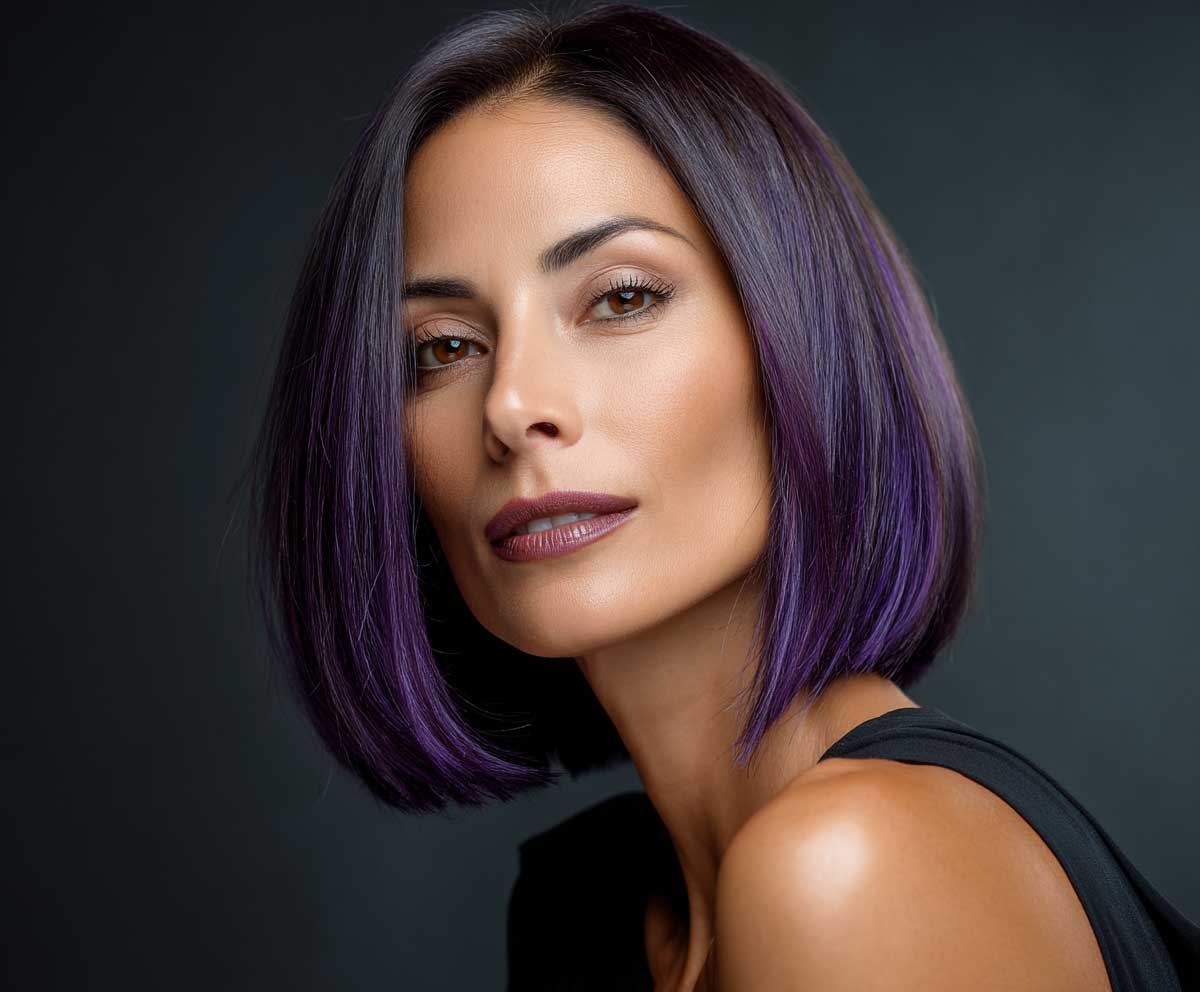

The lob cut itself is doing structural work in the background. Ending just below the chin, it cuts off the vertical line of the hair before it can extend past the jaw — a move that alone shortens perceived face length. Combined with a center part, the violet curtain panels create bilateral symmetry that reinforces the cheekbones from both sides simultaneously. Vivid violet on this scale reads best on cool skin undertones, where the blue-purple register doesn’t compete with warmer skin tones in the face zone.
Vivid colors fade faster than natural shades — sallybeauty.com’s vivid hair guide notes that touch-ups are needed every one to two weeks for at-home color refreshing; for a lighter commitment, a color-refreshing mask from brands like Manic Panic (their Amplified line runs approximately $14–$16 for 4 oz at most beauty retailers) can buy two to three additional weeks of vibrancy between full reapplications. Salon touch-ups for this style typically fall in the $85–$150 range for a partial application since only the curtain sections need refreshing. Styling should stay sleek — a flat iron and a glossing serum keep the espresso base deep and the violet contrast sharp. Textured or frizzy finishes blur the color boundary and the contouring effect disappears with it.
Applying violet curtain streaks without pre-lightening the sections first: Electric violet applied to unbleached dark brown hair reads as a barely-visible purple sheen at best — the espresso base absorbs the pigment. Pre-lightening the curtain panels to at least a pale yellow is a non-negotiable step. Also avoid placing the violet too close to the root on top of the head — anything above mid-temple turns the color into a top accent rather than a horizontal frame, which elongates rather than shortens the face. Curtain streaks earn their face-shaping value specifically because they start at the cheekbone level, not the crown.
For Iles Formula’s full guidance on placing highlights near the ears and temple zone to add width to a long face — the specific anatomy of why this placement works — their face-shape highlight guide covers the mechanics clearly: where to place hair highlights for your face shape.
Lime Green Dipped Ends on a Mahogany Shag Anchor the Eye Where Length Needs to End
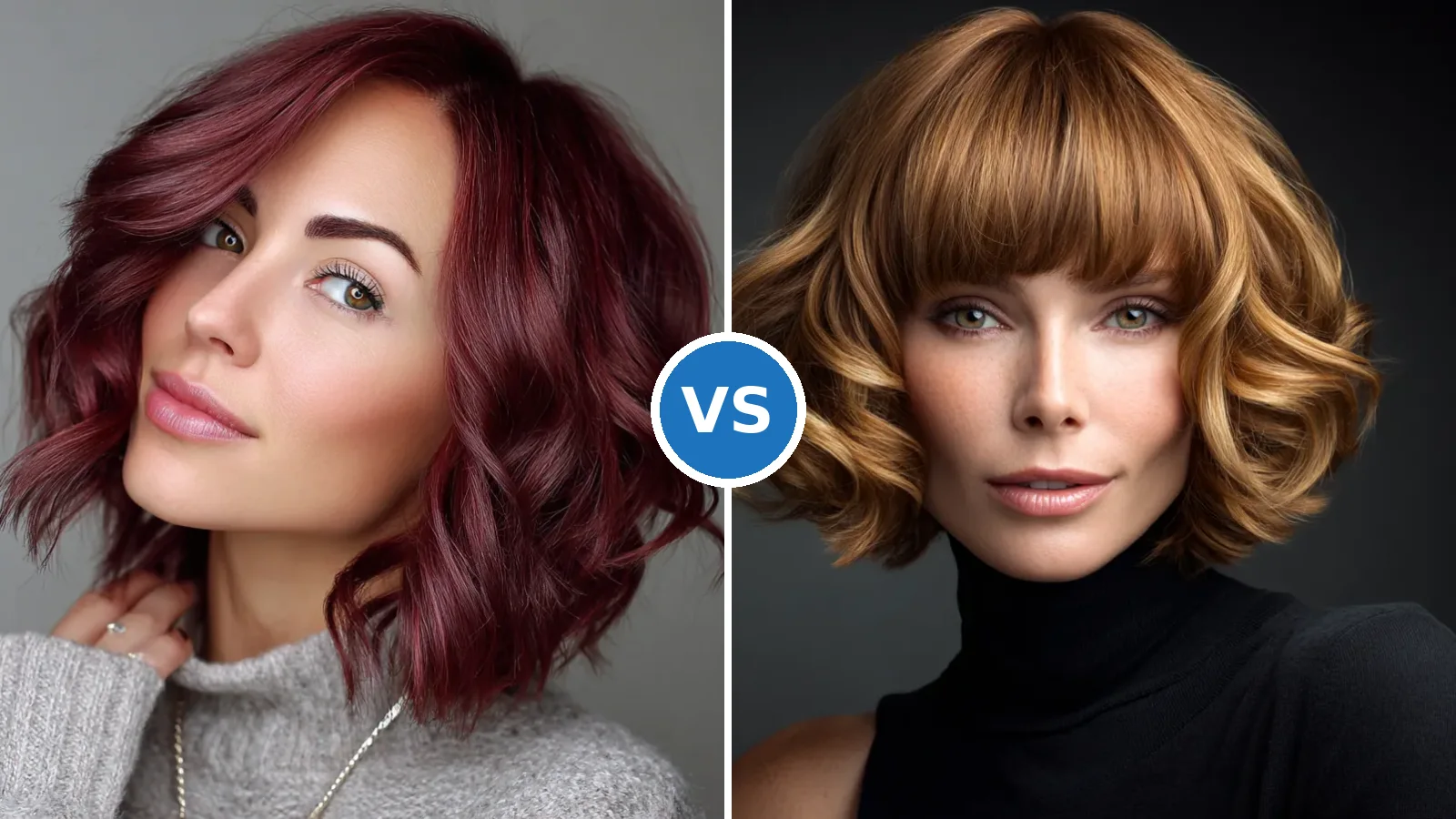
Lime green dipped ends on a tousled mahogany shag use a different visual mechanic than the first two highlight hair ideas — instead of redirecting the eye sideways at cheek level, they anchor it at the bottom of the hair. The eye naturally travels toward the brightest point in a composition and stops there. On a long face, stopping the gaze at the hair’s ends rather than letting it drift back up the face’s full length is exactly what adds the perception of a shorter, more balanced silhouette.


The shag structure amplifies this effect significantly. Shag cuts create multiple distinct sections through the hair, each ending at a slightly different level — when those ends are dipped in lime green, the color flashes at several different horizontal planes simultaneously, giving the lower half of the face multiple points of visual interest. Full bangs add forehead-shortening structure from the top, so the color at the ends and the fringe at the top are working together to compress the face’s perceived vertical span from both ends. This two-point compression is the move that makes this combination work for a long face when either element alone would do less.
Mahogany functions as an ideal base color here because its red-brown warmth intensifies the lime green rather than competing with it — the contrast between the two reads clearly even in low light. This pairing suits warm and neutral skin tones best; on very cool complexions, the warmth of the mahogany base can pull the overall look a little muddy. Styling should stay intentionally undone — a texture spray (Not Your Mother’s Beach Babe Sea Salt Spray at approximately $7.92 at Walmart is a reliable, budget-accessible option) applied to damp hair before air-drying lets each layer separate naturally and shows the lime green at the tips. What kills this look is over-smoothing — brush out the shag texture and the layered chaos that creates the multi-plane effect disappears entirely.
Lime green at the intensity needed for this contrast reads best over pre-lightened ends — on an unbleached mahogany base, the green turns olive or simply doesn’t register. Lime Crime and Arctic Fox both make semi-permanent lime and electric green shades that hold for approximately two to three weeks with cold-water washing and color-safe products. For broader highlight hair ideas across other face shapes — particularly oval — the placement logic shifts, and understanding that comparison clarifies why the specific choices here matter.
| Color Approach | Placement Zone | Touch-Up Interval | Key Risk |
|---|---|---|---|
| Peach side streaks | Temple to cheek, horizontal foil angle | 8–12 weeks | Root-to-tip direction undoes the horizontal effect |
| Violet curtain streaks | Cheekbone-level panels, both sides | 1–2 weeks (vivid refresh) | No pre-lightening leaves color invisible on dark base |
| Lime green dipped ends | Lower third of shag layers | 2–3 weeks | Over-smoothing erases the multi-plane effect |
Color Placement Verdict
Direction of light matters more than shade for long faces — and these three looks prove it differently
Peach side streaks use a horizontal foil angle to pull the eye outward at cheek level. Violet curtain panels use stark contrast to anchor attention across the midface. Lime green dipped ends stop the gaze at the hair’s base, compressing perceived length from below.
Partial highlights for face-framing placements run $85–$217. Vivid colors demand touch-ups every one to four weeks; warm naturalistic tones like peach last eight to twelve weeks with proper sulfate-free care.
Save this post before your next color appointment.