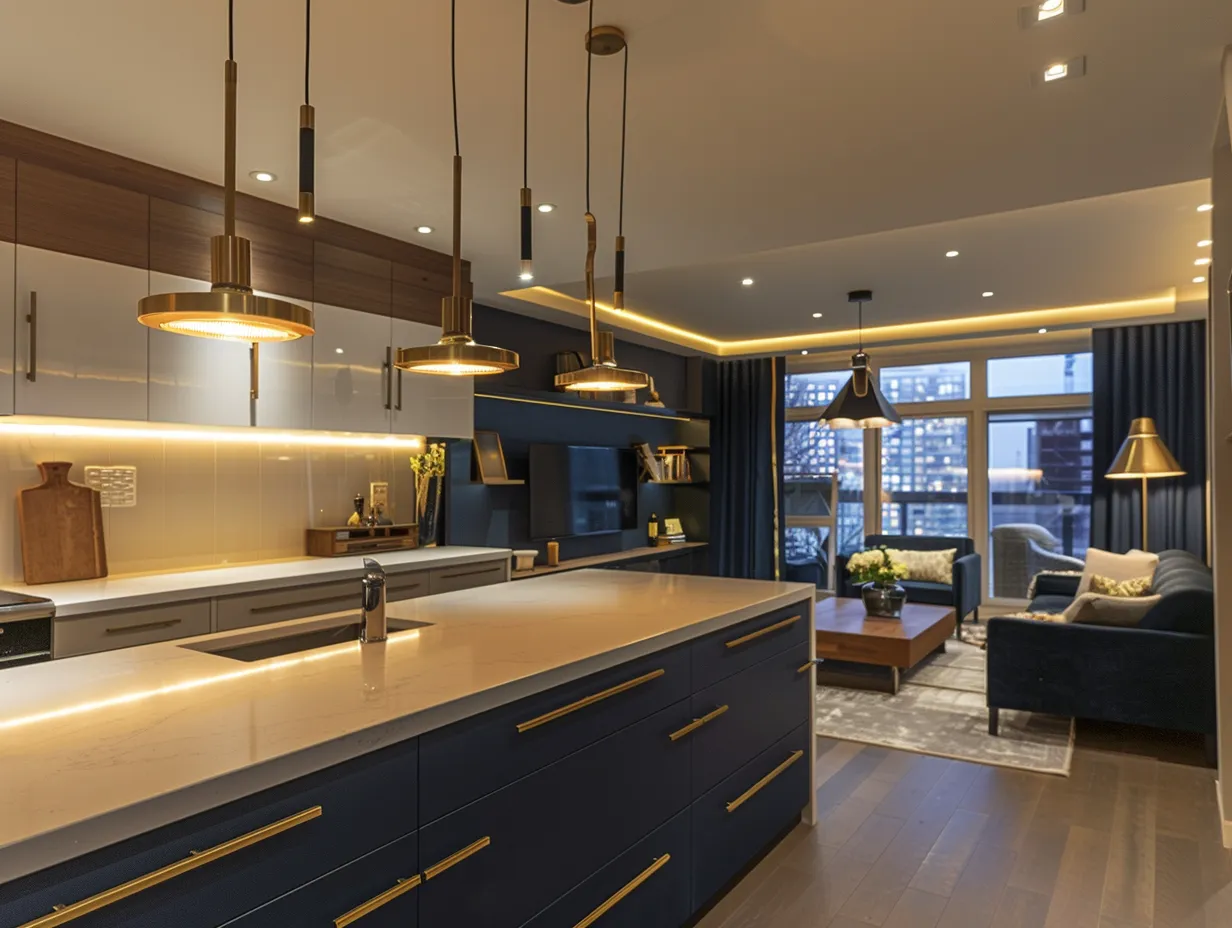
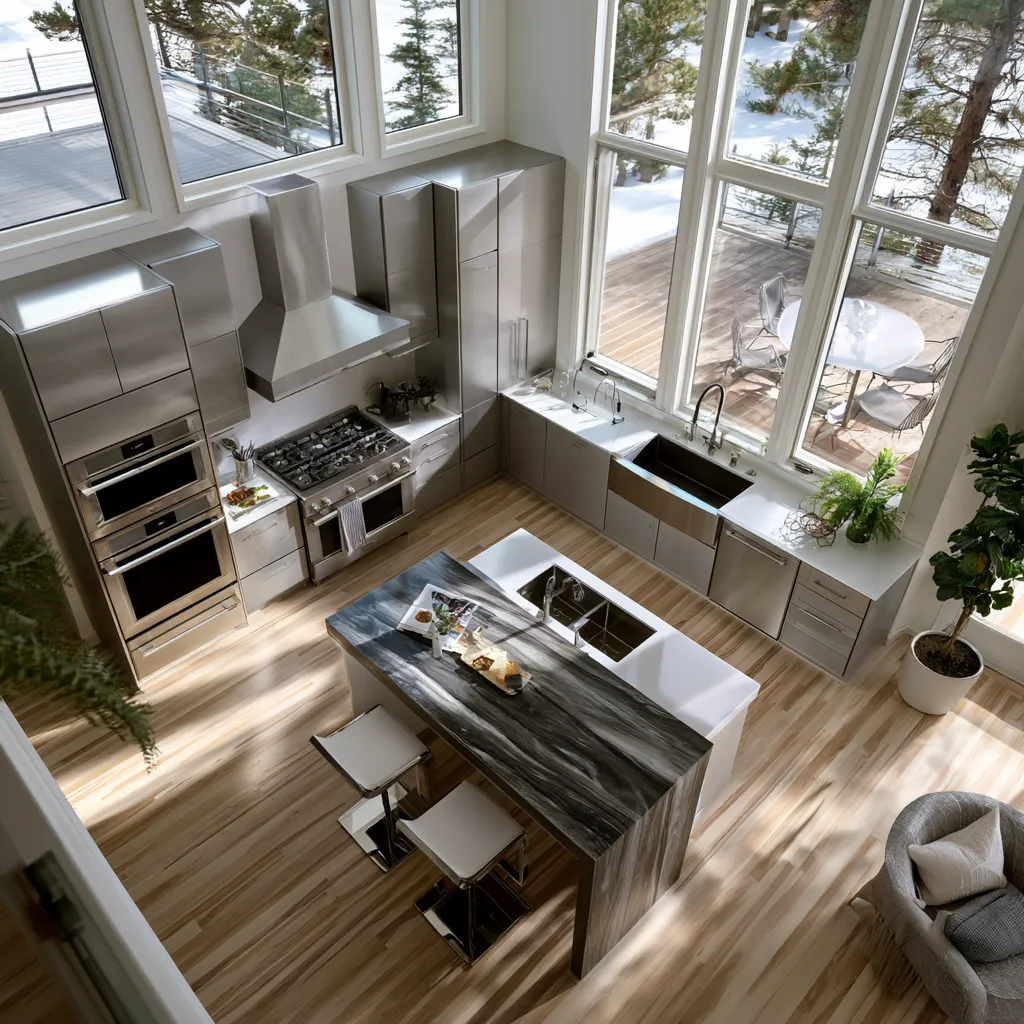
Floating kitchen shelves ideas deliver open storage without the bulk of upper cabinets, instantly making a kitchen feel larger and more intentional. They work in nearly every layout by mounting solid boards or panels directly to the wall with hidden brackets, freeing floor and visual space while keeping everyday dishes and glassware within reach.
The approach succeeds when shelves sit 18–24 inches above the counter and run 10–12 inches deep, deep enough for dinner plates yet shallow enough to avoid crowding the work zone. Choose solid wood for durability or lighter finishes for bright rooms; both options cut visual weight compared with traditional cabinetry and give you a clean surface for display or practical storage.
Installation stays straightforward once brackets hit wall studs. A typical 24-inch solid-wood shelf holds 35–50 pounds when properly anchored, enough for stacked plates, bowls, and a few mugs without sag. That capacity turns open shelving into real working storage rather than pure decoration.
Quick Scan
- Solid-wood floating shelves average $100–$300 each; a three-shelf kitchen run often lands between $500 and $1,700.
- Mount into studs for 35–50 lb capacity on a 24-inch board—enough for daily dishware.
- Depth of 10–12 inches fits plates while keeping the counter clear.
- Light wood or white finishes open small kitchens; reclaimed or darker tones add rustic warmth.
- Skip mixing open shelves and closed cabinets on the same wall unless you style daily.
- Herbs, copper, and clear glass create the strongest visual pull without clutter.
Rustic Warmth Through Weathered Wood and Brick
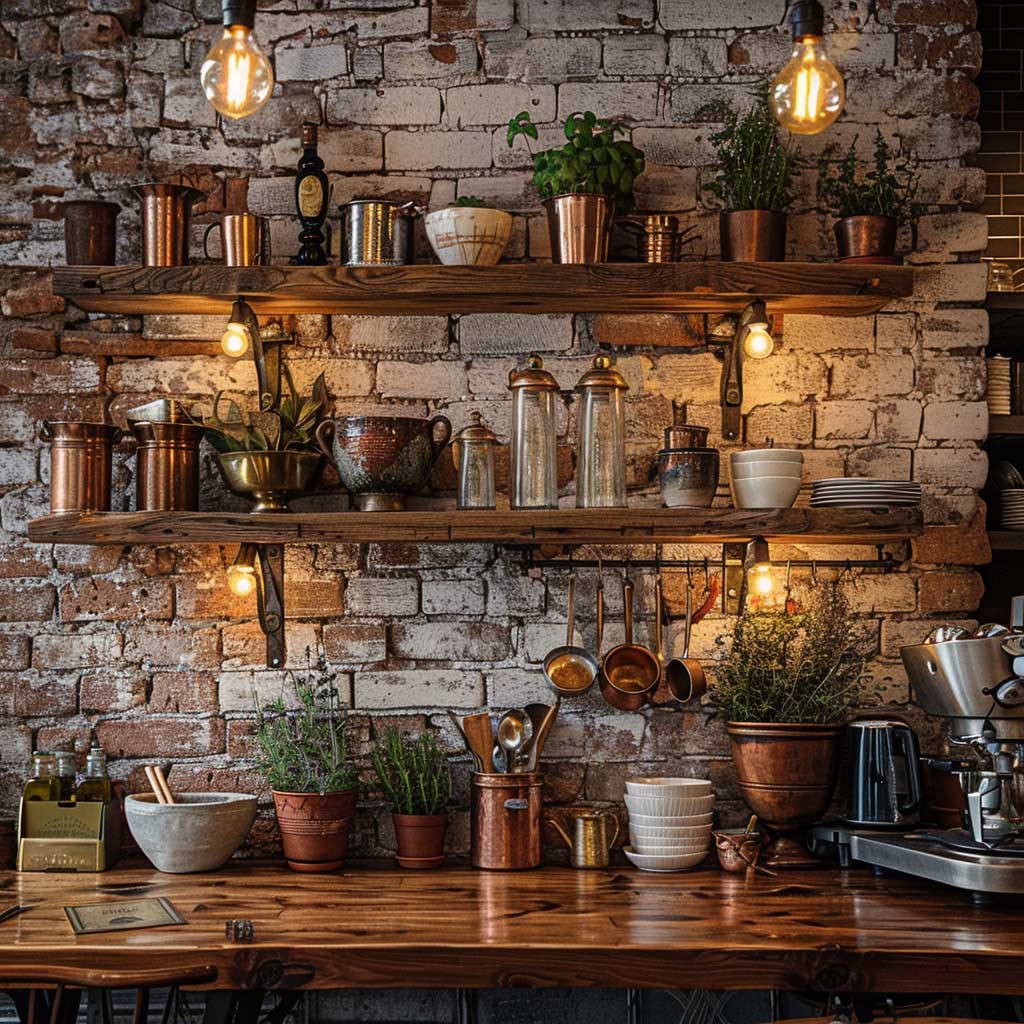
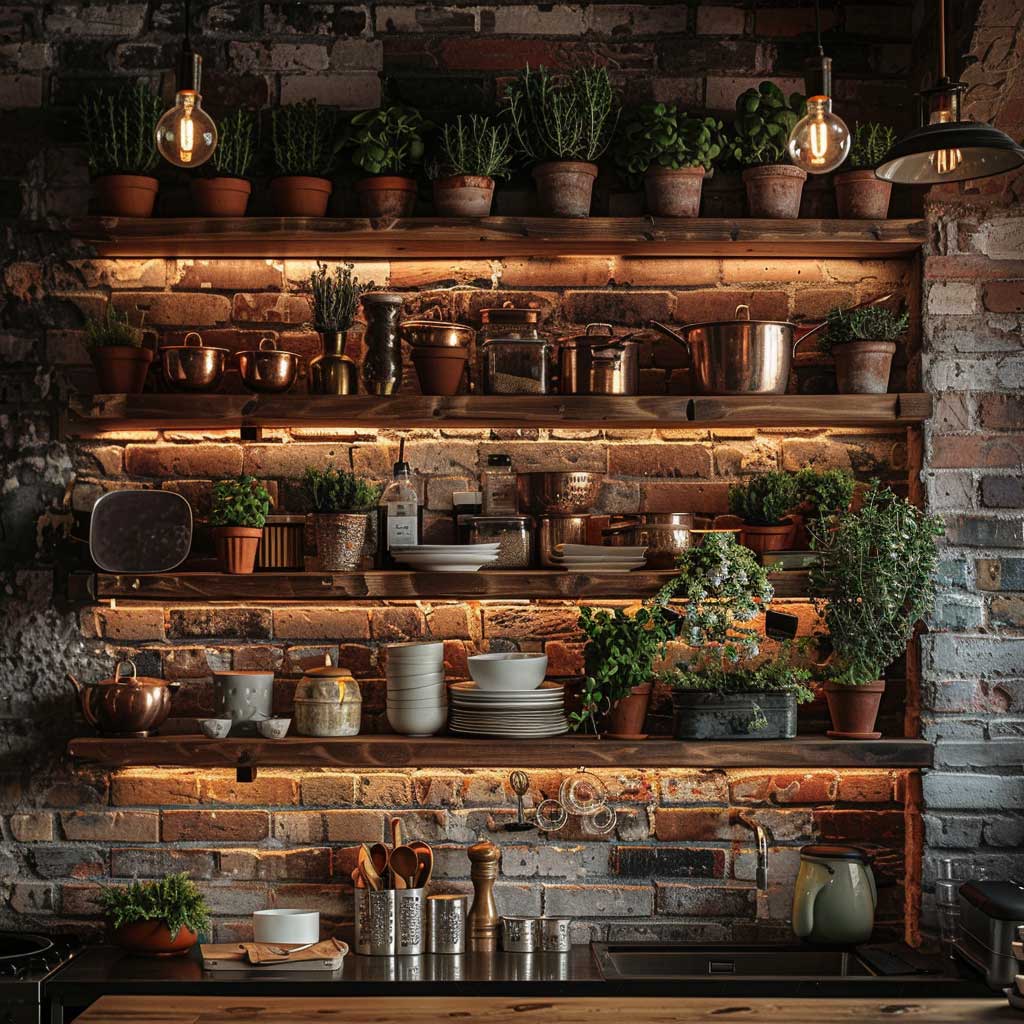
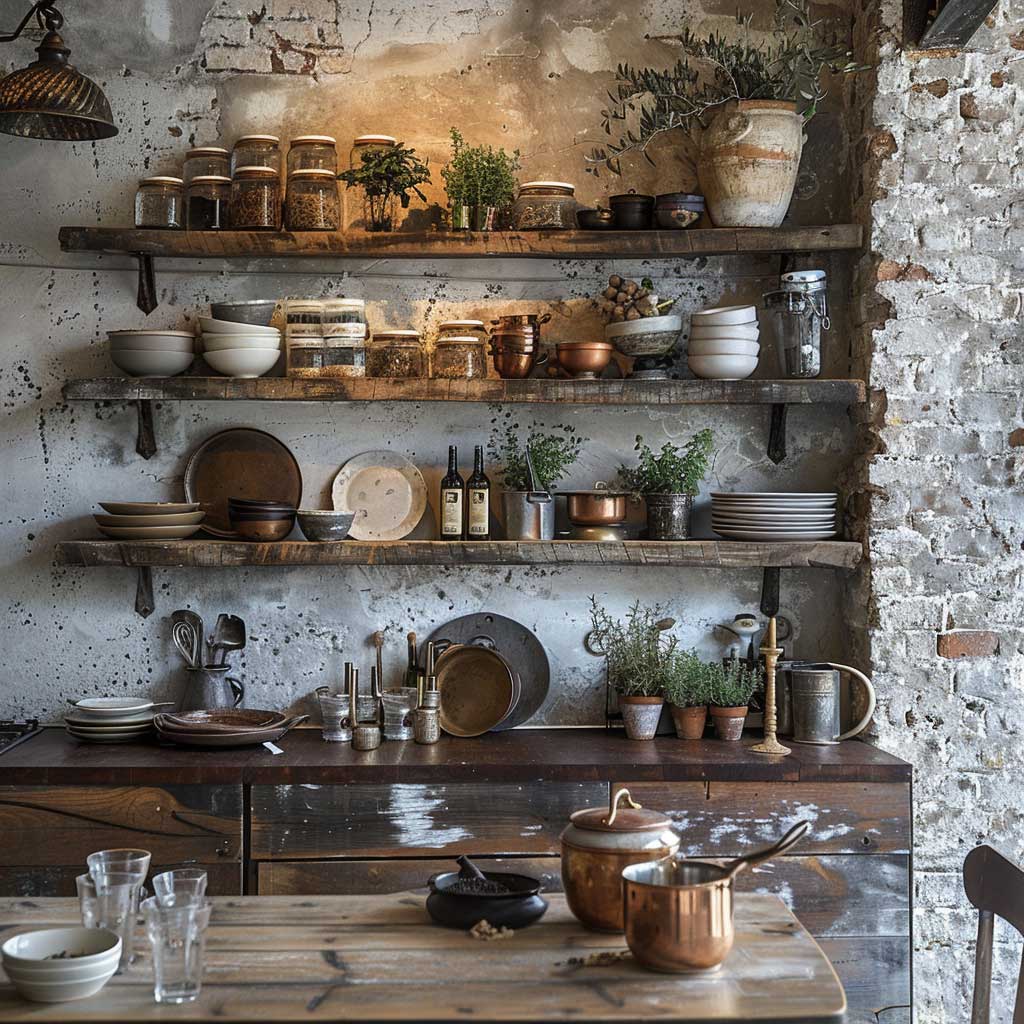
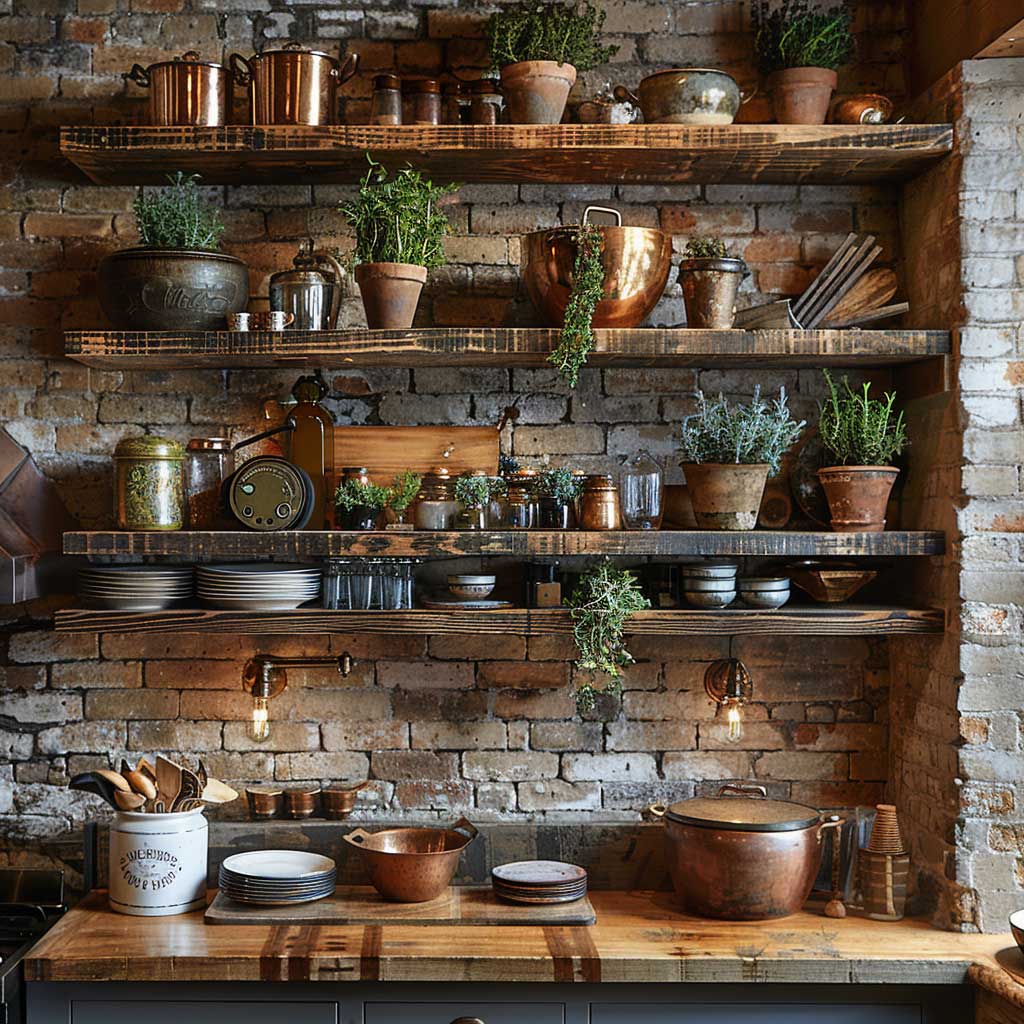
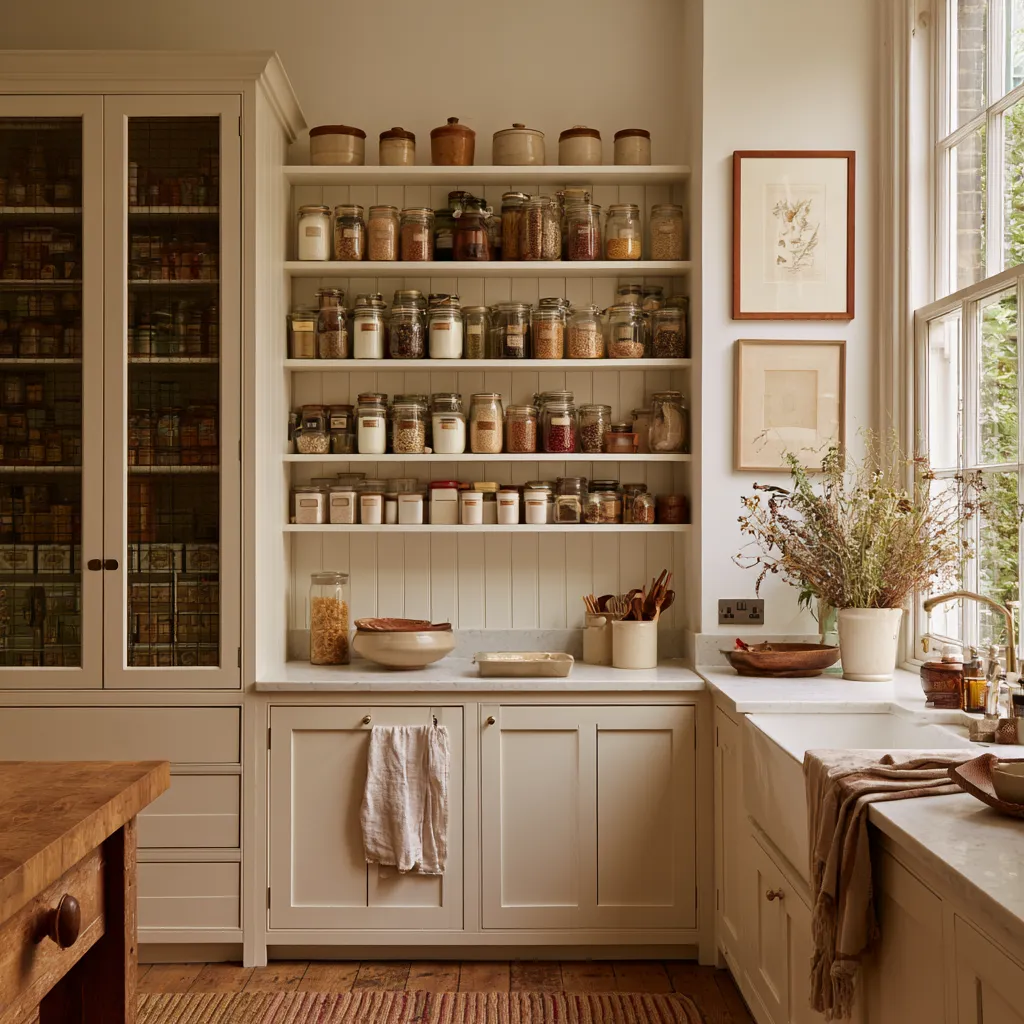
Rustic floating kitchen shelves ideas start with boards that already carry history—reclaimed oak, pine, or barn wood whose grain and knots refuse to look factory-perfect. Mount them against exposed brick or a rough plaster wall and the contrast does the heavy lifting: smooth dishes against uneven texture feels like a lived-in farmhouse without forcing the theme. Why does this combination calm a room so quickly? The eye reads the wood as soft and the brick as solid, so the shelves never compete with the architecture.
Think of the shelf as a quiet stage rather than a storage warehouse. Antique copper pots, hand-thrown ceramics, and glass jars filled with pasta or dried beans sit at different heights and create rhythm. A single potted herb softens the hard edges and adds scent every time someone walks past. Soft under-shelf lighting turns the arrangement into a focal point after dark, the same way a fireplace draws people in a living room.
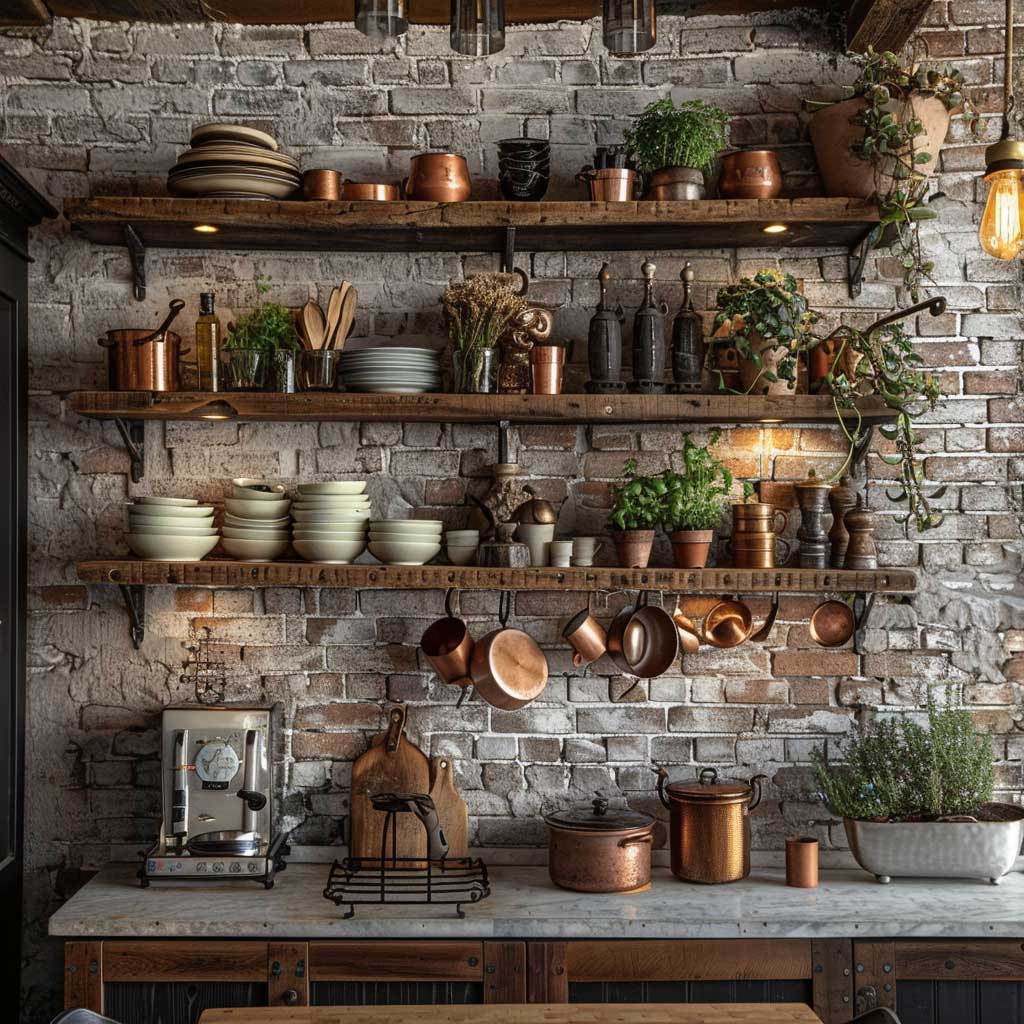
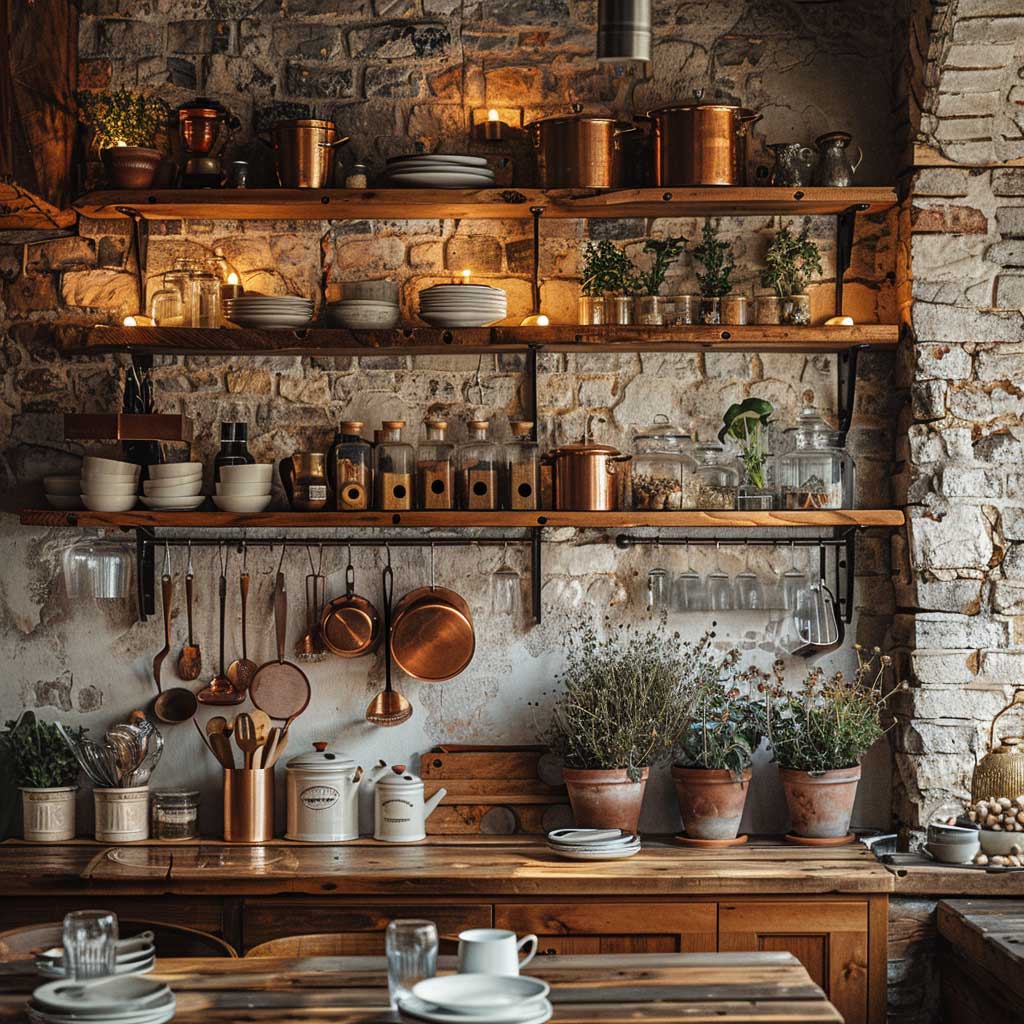
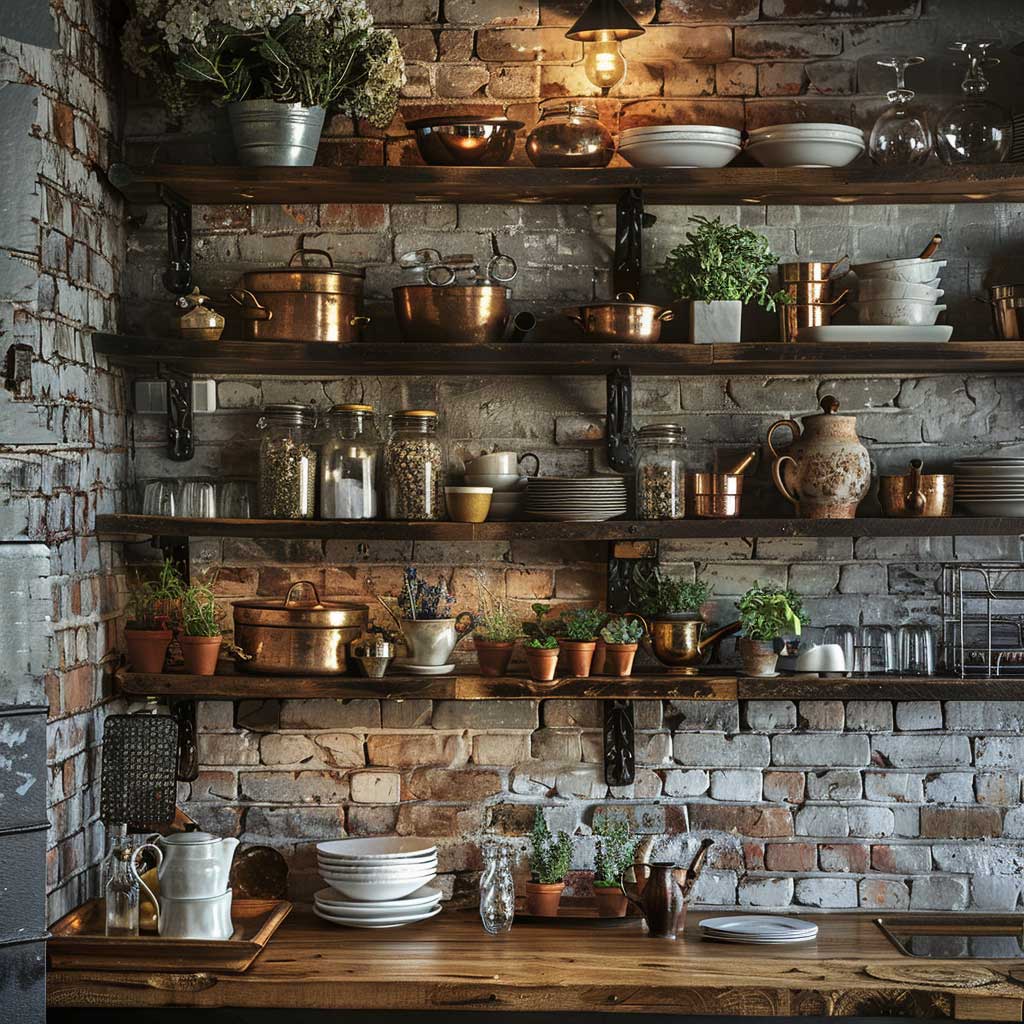
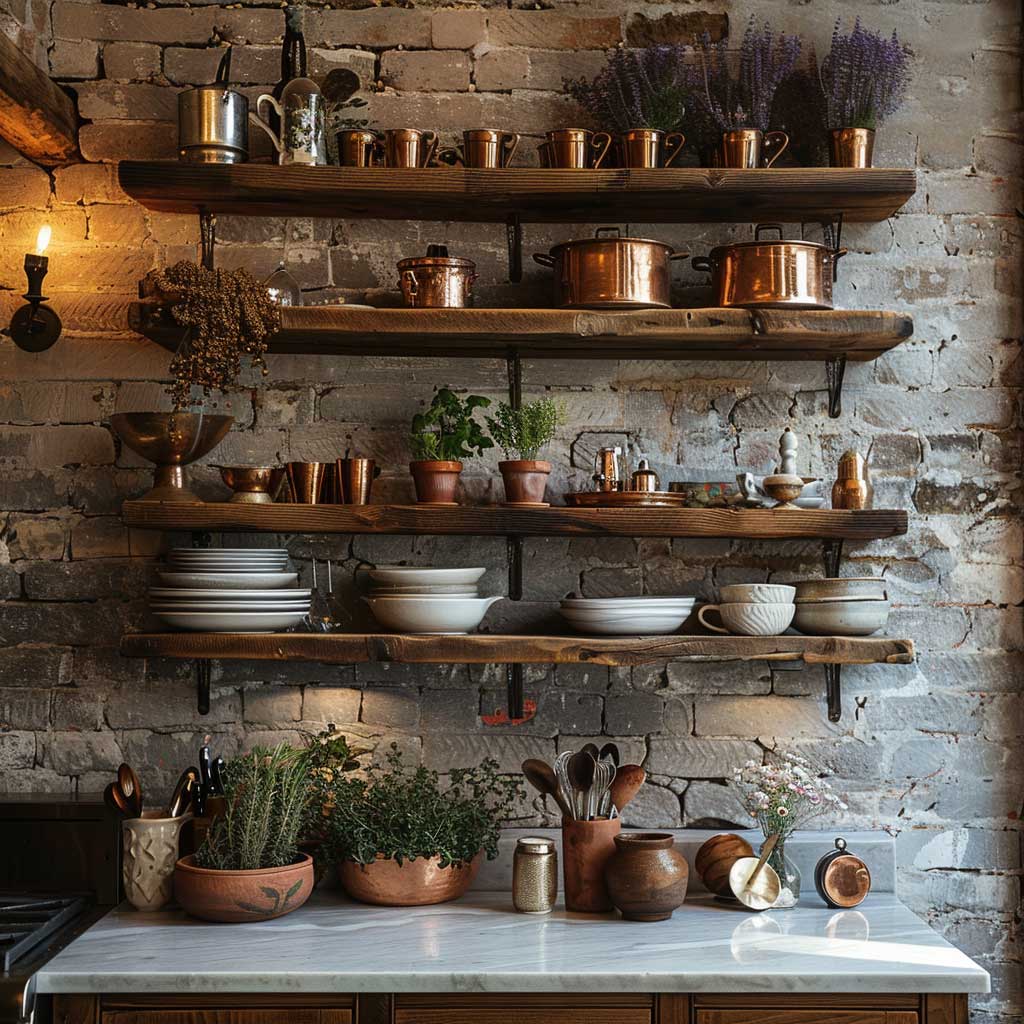
Do not overload the boards with every utensil you own. A crowded rustic shelf quickly reads as clutter instead of character. Leave breathing room between objects so the wood grain stays visible. Average solid-wood shelves in this style cost $150–$400 each according to current maker pricing; three boards usually cover a standard wall run and stay under $1,200 before installation.
For a lighter take on the same warmth, pair the shelves with pale walls the way Scandinavian white kitchen ideas use birch boards above clean counters. The wood still anchors the space, yet the overall mood stays airy rather than heavy.
Sleek Lines for Clean Modern Kitchens
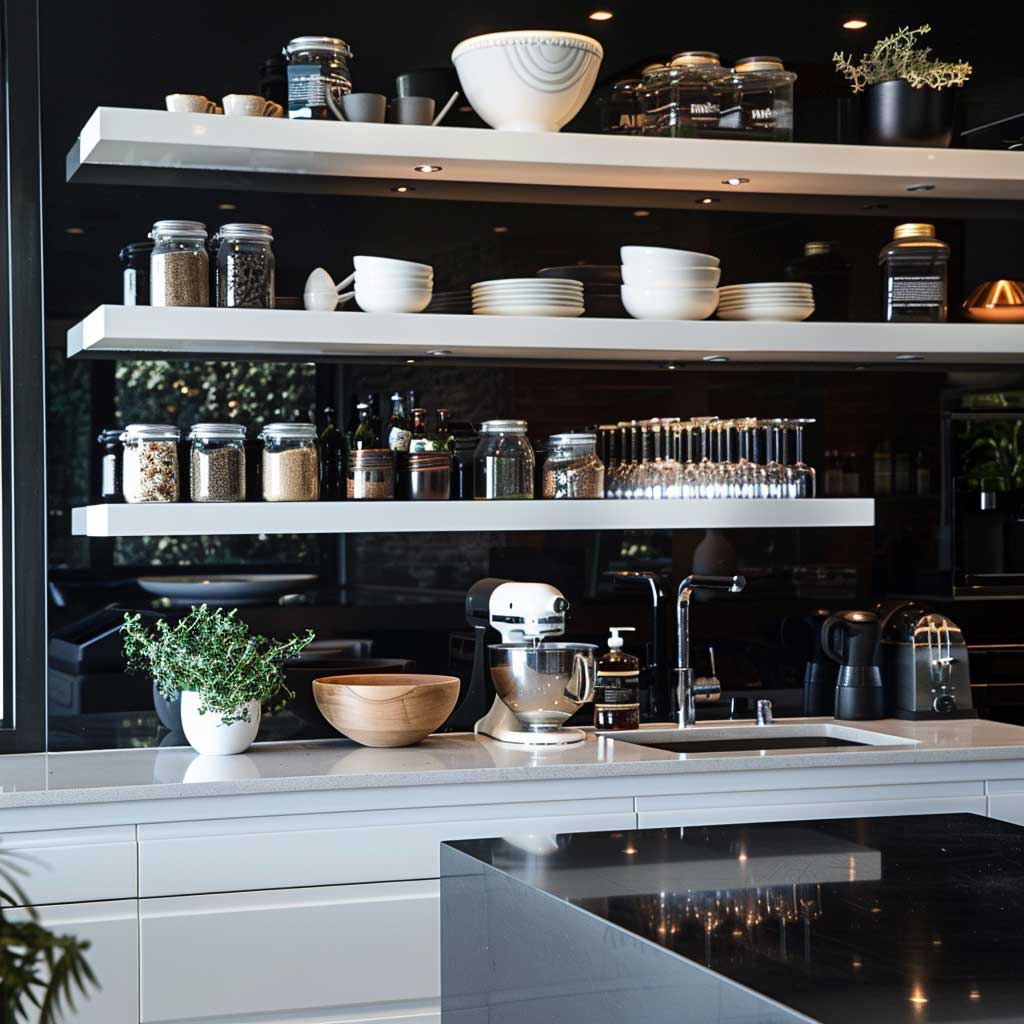
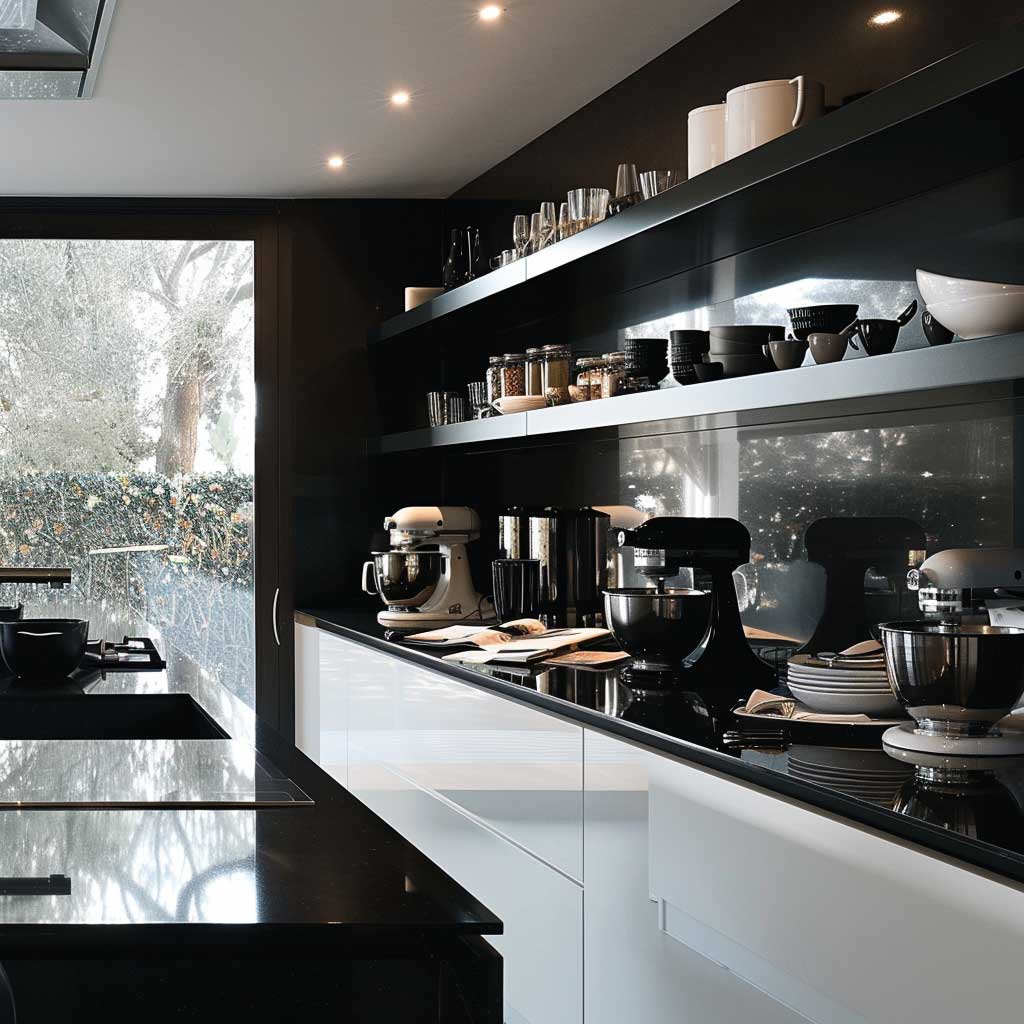
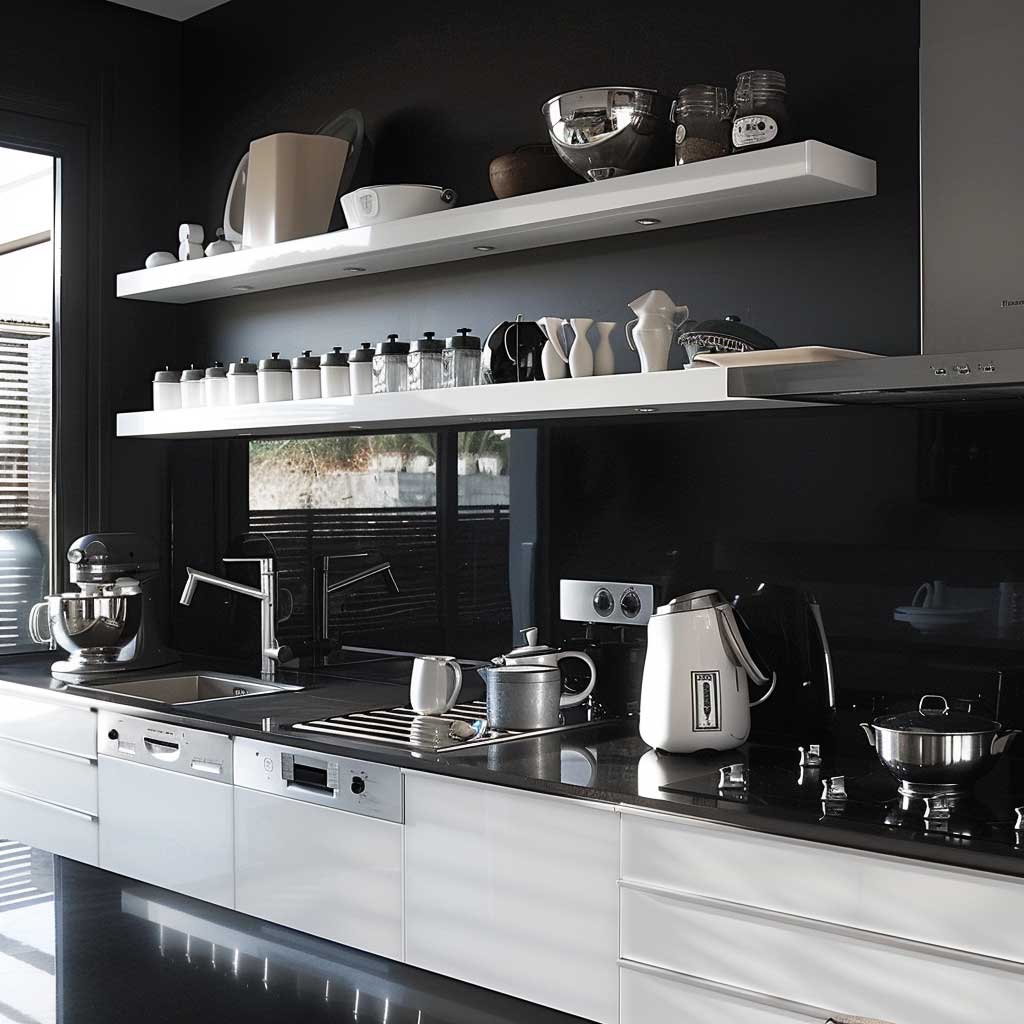
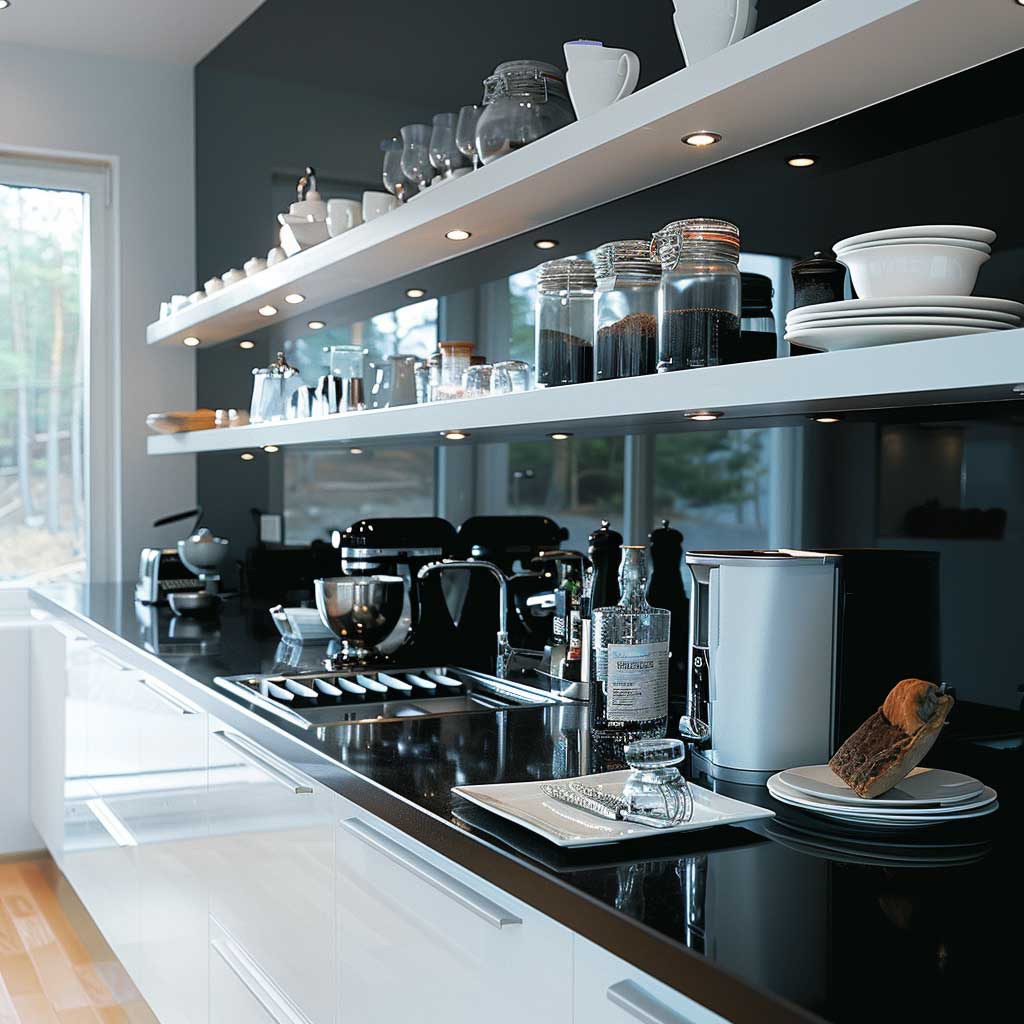
Modern floating kitchen shelves ideas rely on clean edges and almost invisible support so the boards appear to hover. White or pale oak against a glossy black or charcoal backsplash creates sharp contrast that feels deliberate rather than decorative. The open plane removes the heavy upper-cabinet mass that can shrink a contemporary room.
Stainless appliances and simple glassware reinforce the same language. Keep the display sparse—matching white plates, clear tumblers, one sculptural bowl. Excess objects break the calm the way extra furniture crowds a minimalist living room. A 36-inch solid shelf in this style typically costs $200–$450 and still holds 25–40 pounds when brackets reach two studs.
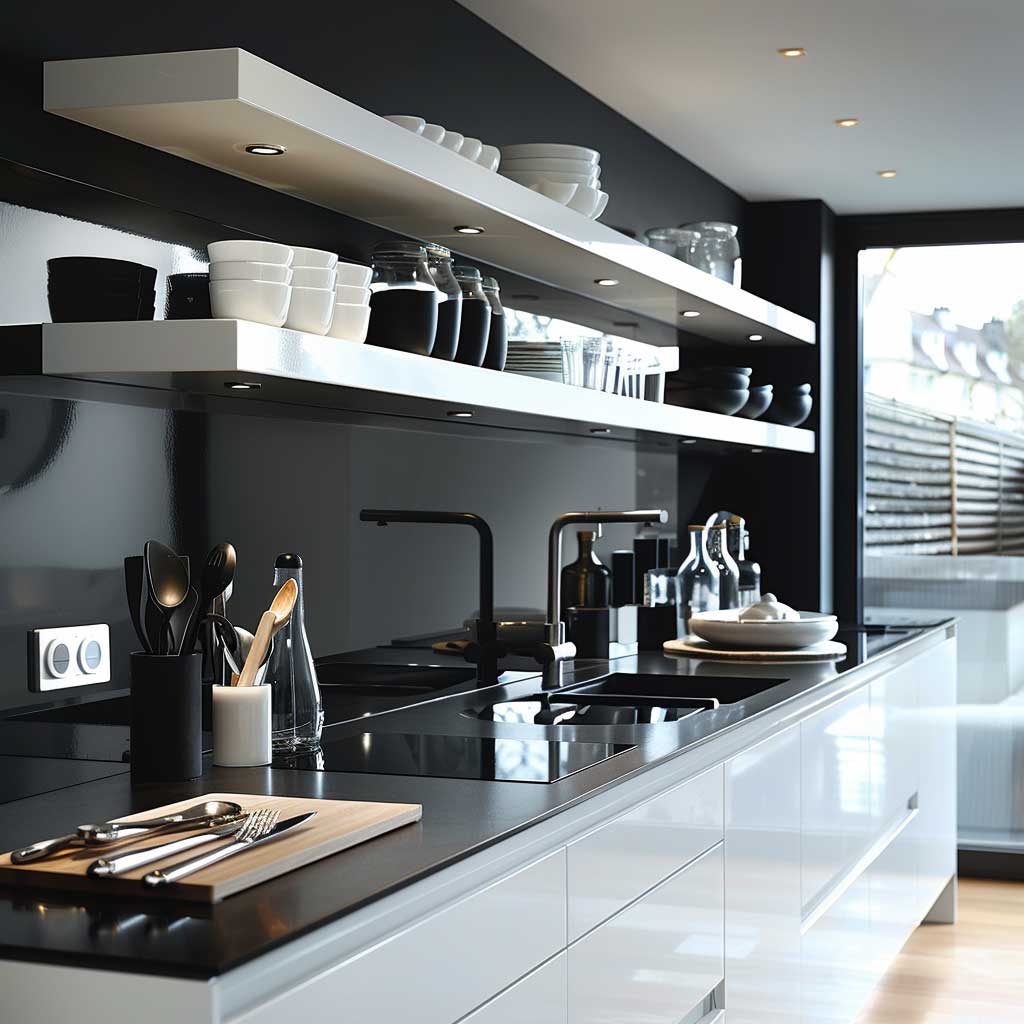
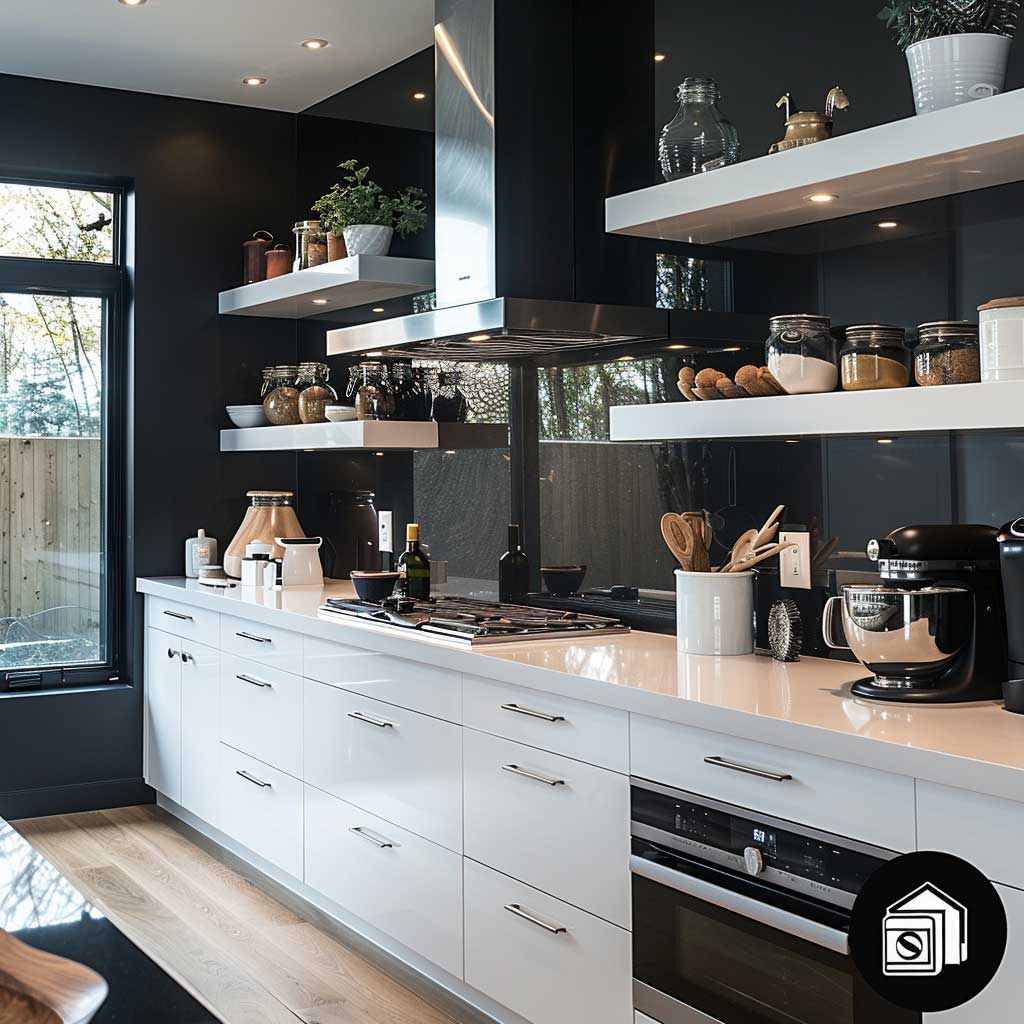
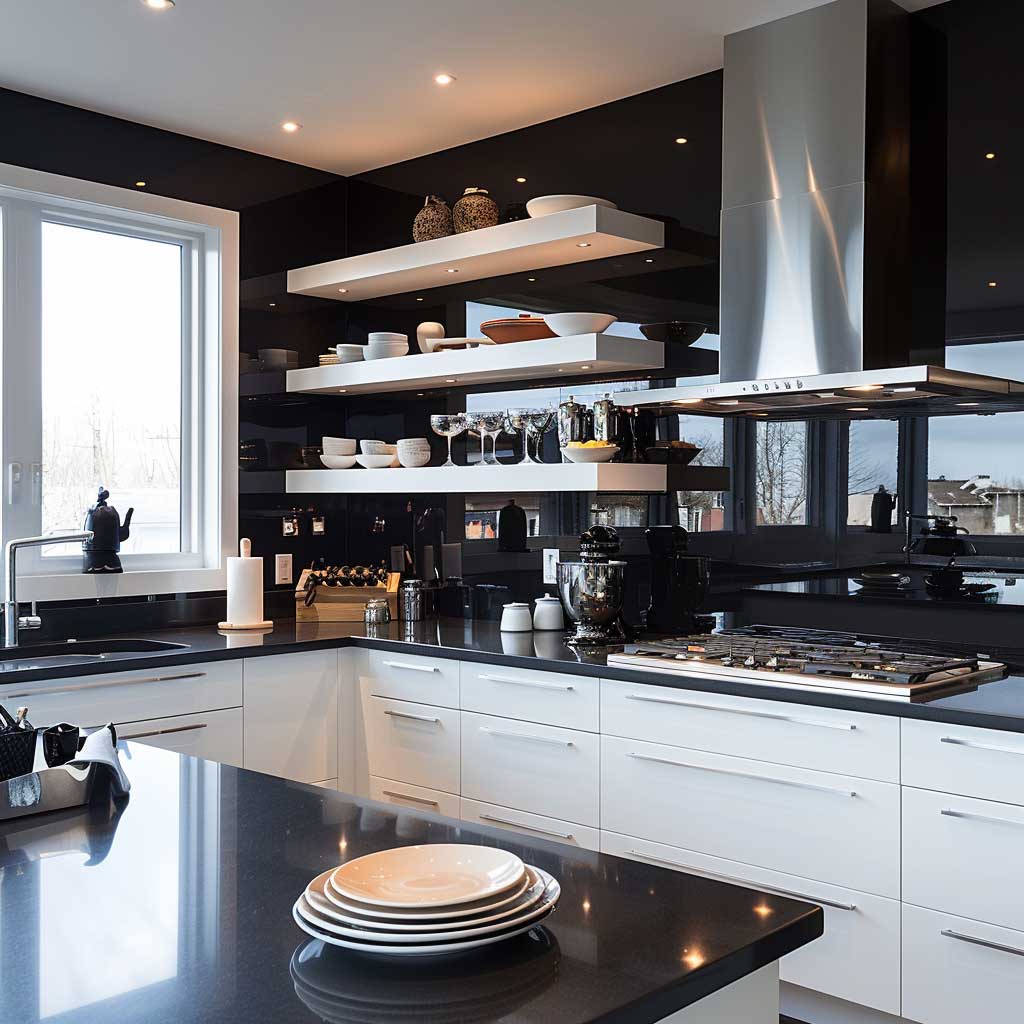

Large windows amplify the effect by bouncing light across the glossy surfaces. The result is a room that feels larger than its footprint. Avoid the common mistake of mixing open shelves with closed cabinets on the same wall; the visual switch from hidden to exposed storage creates a restless rhythm that undercuts the modern calm.
Don’t Do This
Never hang floating shelves solely with plastic drywall anchors when you plan to store dishes. Those anchors top out around 10–20 pounds total and will eventually pull free. Hit at least two studs with lag screws or use a heavy-duty French cleat system rated for 100-plus pounds. The extra twenty minutes of layout saves a collapsed shelf and broken plates later.
Light Wood Shelves That Brighten Compact Kitchens

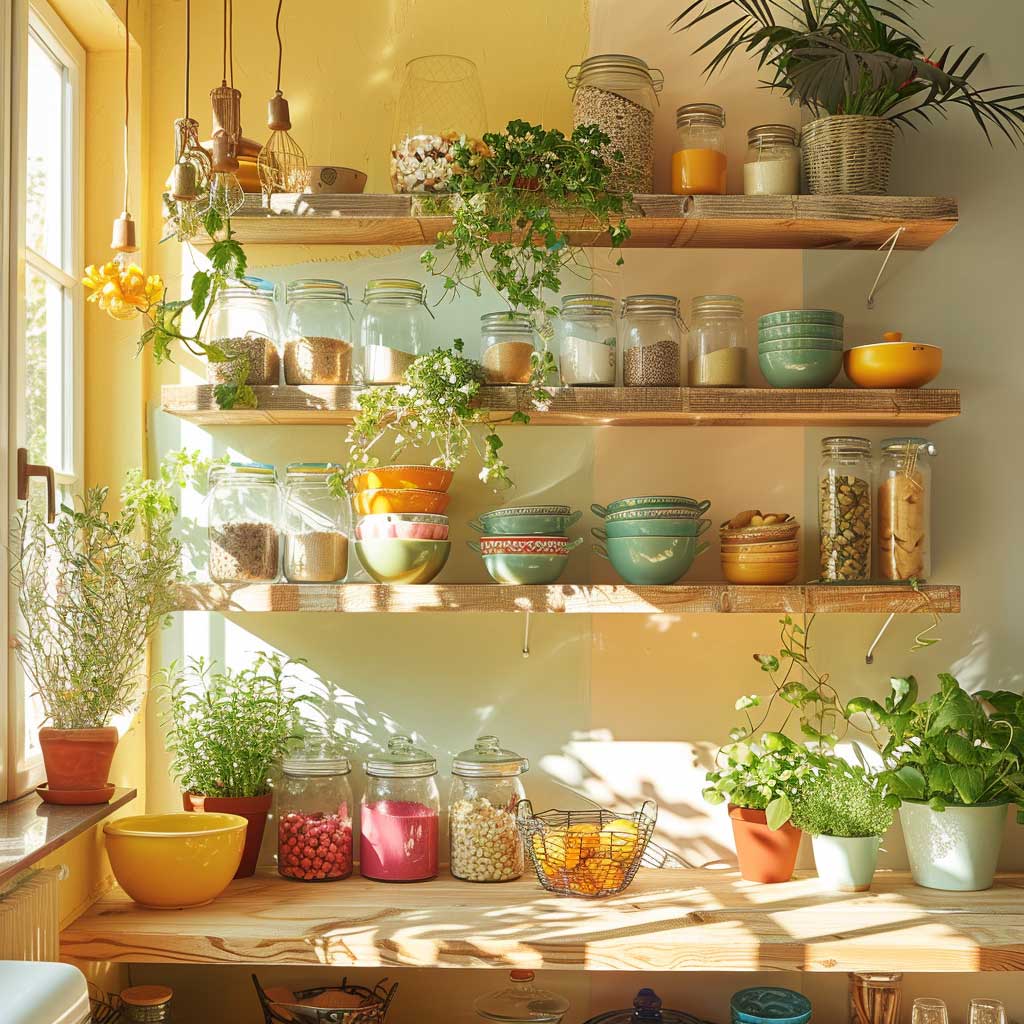

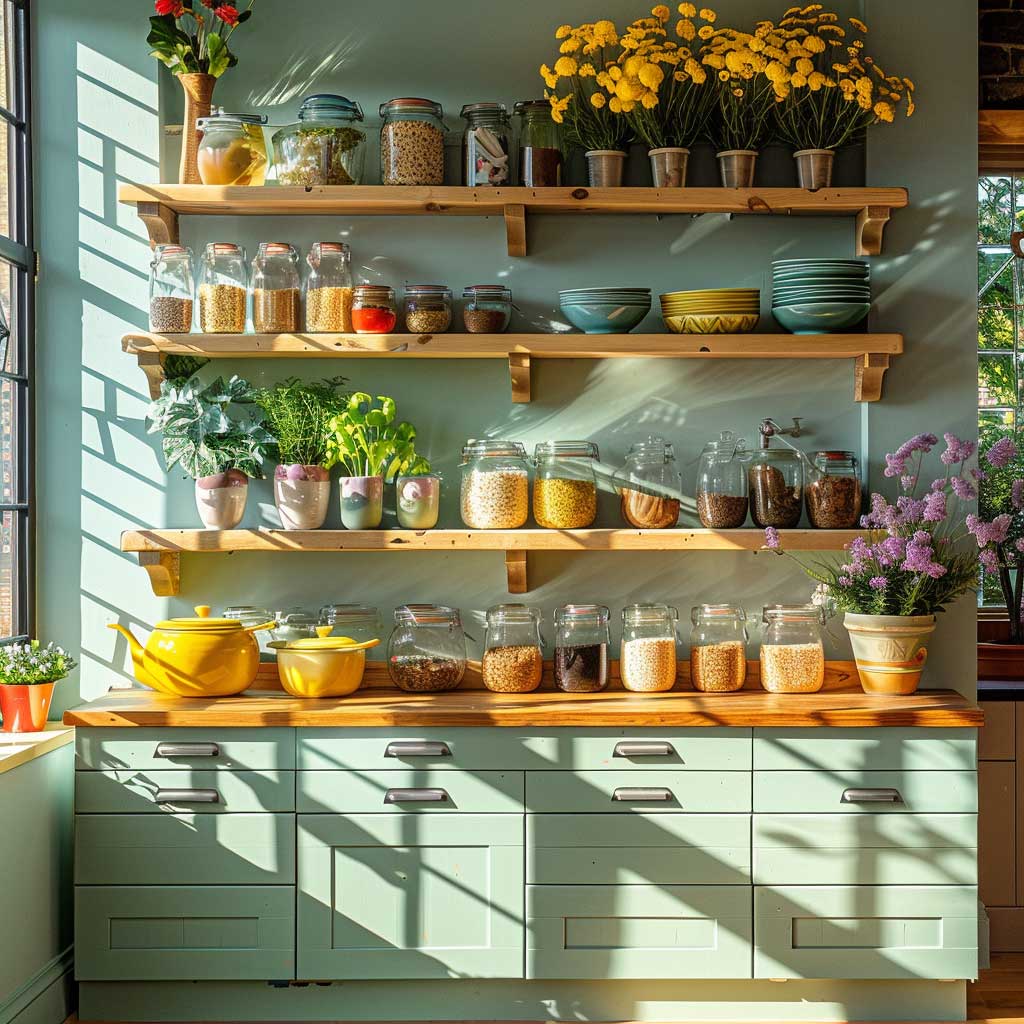
Floating kitchen shelves ideas for brighter rooms lean on pale wood and pastel walls that bounce daylight instead of absorbing it. The open boards remove the visual weight of solid upper cabinets, so a narrow galley or square kitchen suddenly feels more breathable. Soft natural wood acts as a neutral canvas that lets colorful plates or glassware become the accent without fighting the architecture.
How do you keep the shelves from looking sparse? Group objects by color or height and leave empty stretches so the eye can rest. A few small potted herbs or trailing plants add life the same way a single houseplant softens a bare windowsill. The combination of light wood, soft wall color, and living green turns storage into the room’s quiet highlight.
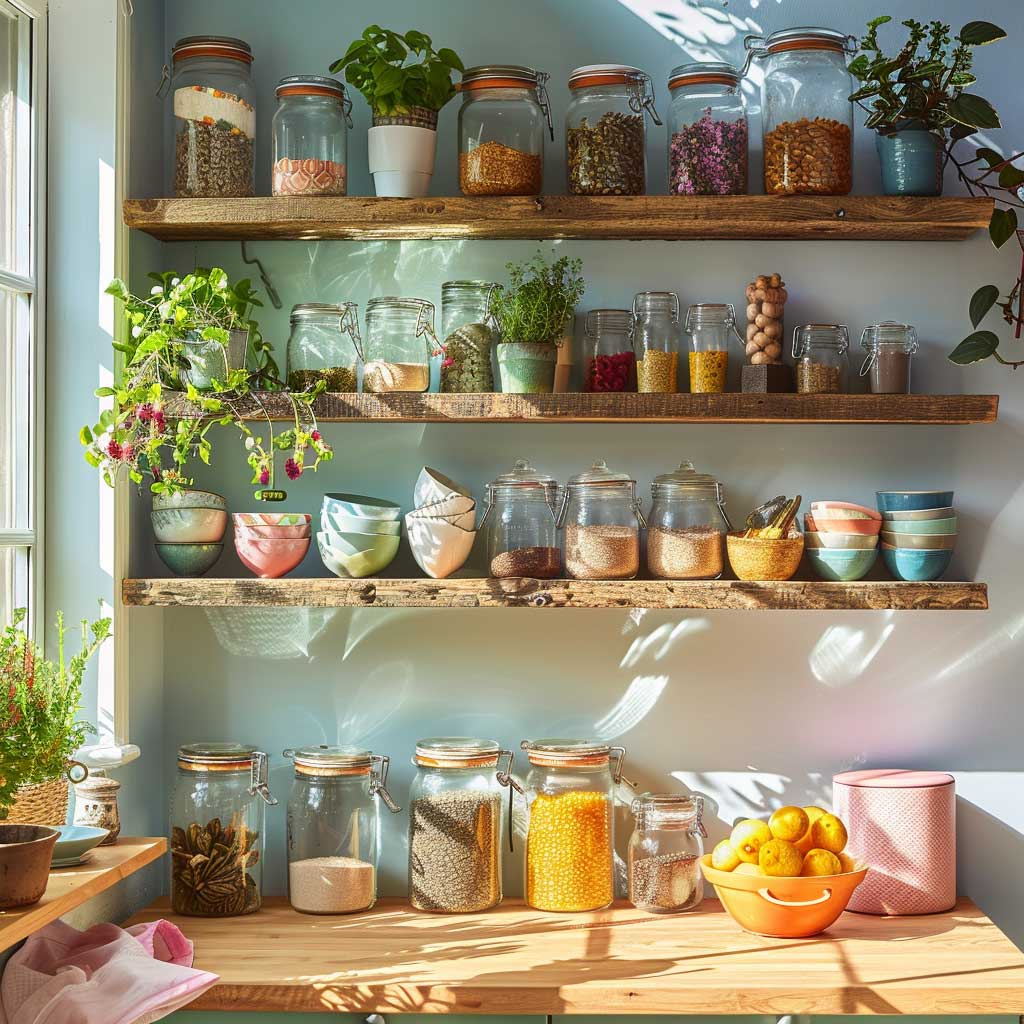
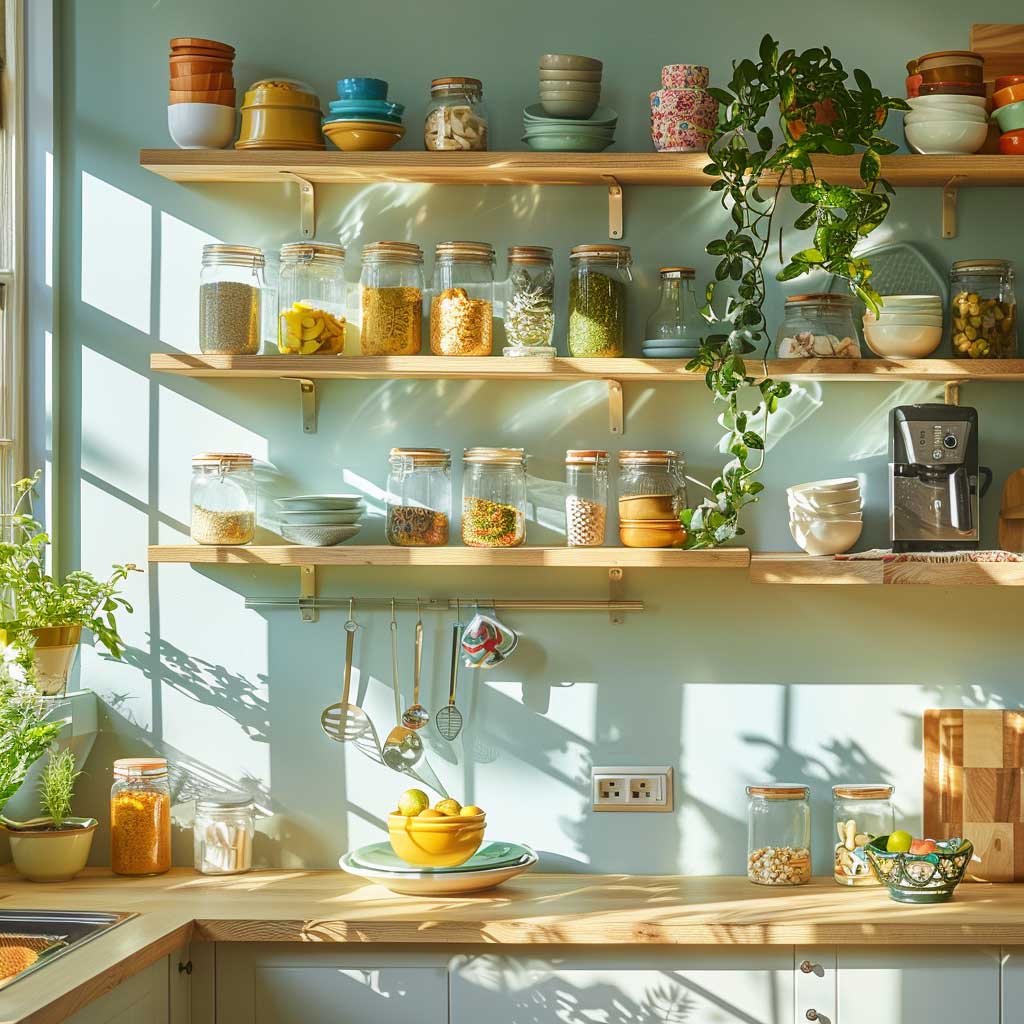
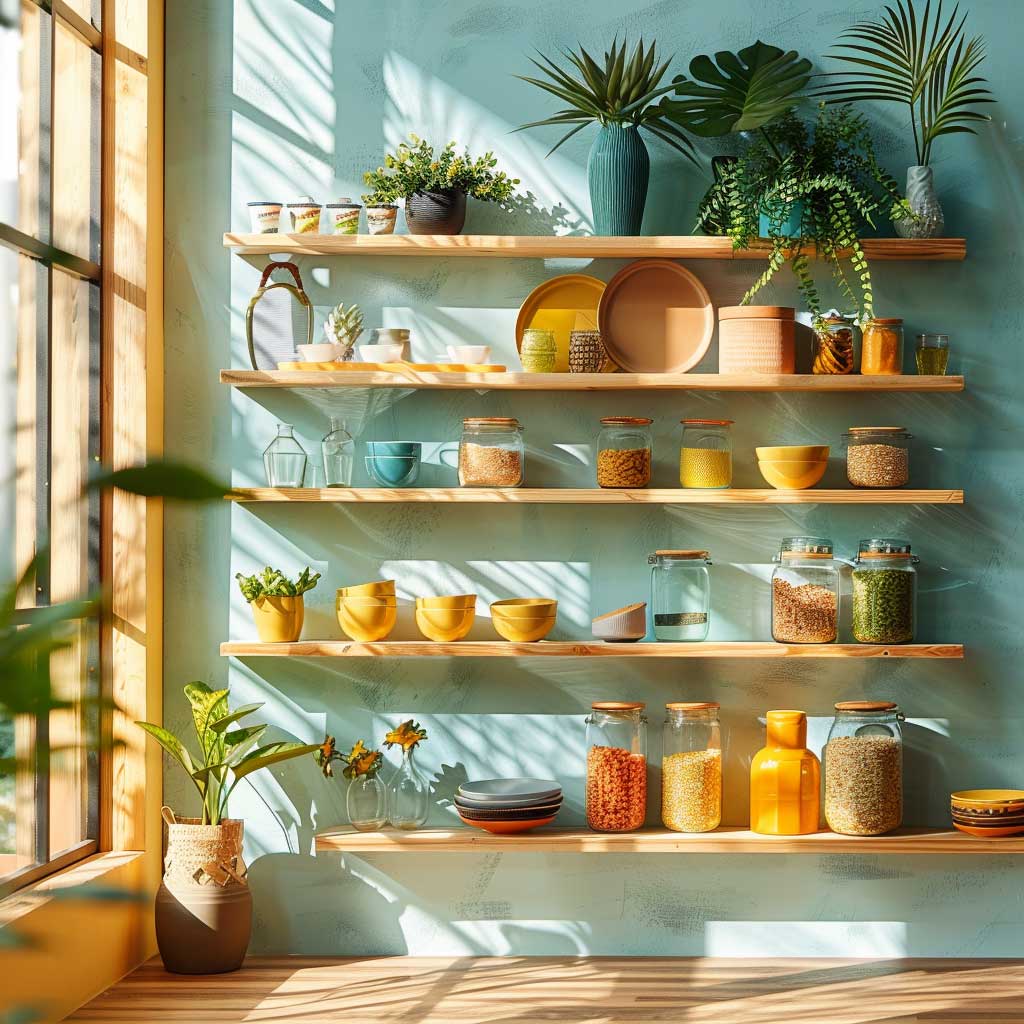
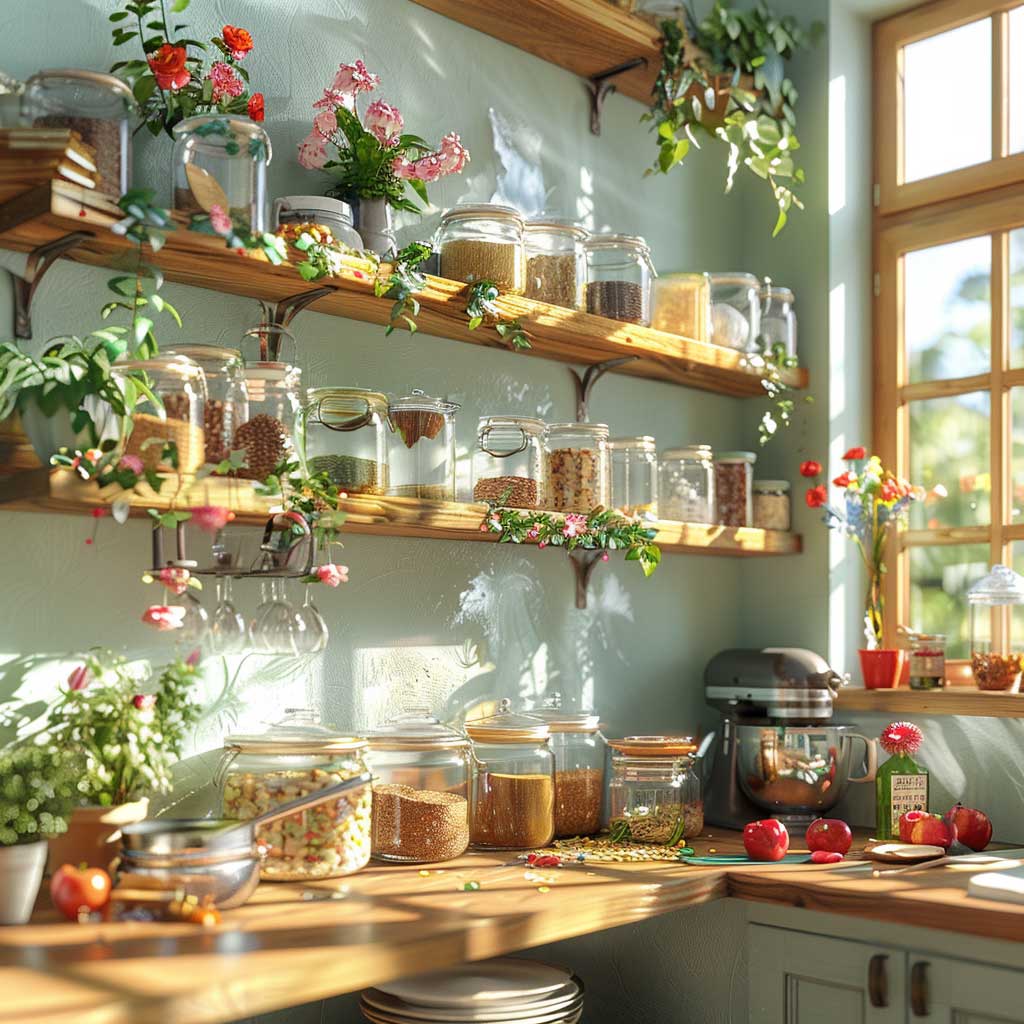
In tight footprints the same logic that guides kitchen organization ideas for a small square layout applies: vertical open storage frees counter space and keeps daily items visible. A pair of 24-inch light-wood shelves often costs under $200 total at mass-market retailers and still supports the everyday load of plates and mugs when brackets are solid.
Skip the temptation to fill every inch. Over-styling turns a bright, open wall into visual noise. Leave at least one-third of each board empty so the light and the wood itself remain part of the design.
Practical Numbers Behind Material and Load Choices
Choosing the right floating kitchen shelves ideas means matching material to real use. Solid hardwoods such as oak or maple handle kitchen humidity and grease better than unfinished softwoods. According to current maker data, a quality 24-inch solid-wood shelf runs $100–$300, while a full three- or four-shelf kitchen set typically lands between $500 and $1,700 before labor.
Weight capacity follows the mounting method more than the wood itself. A 24-inch board secured into two studs with lag screws safely carries 35–50 pounds—plenty for a stack of dinner plates, bowls, and everyday glassware. Longer 36-inch shelves drop slightly to 25–40 pounds because of the greater span. Always verify the bracket rating; light-duty hardware fails long before the wood does.
| Material | Typical Cost per Shelf | Useful Load (24″) | Best Kitchen Use |
|---|---|---|---|
| Mass-market MDF | $20–$80 | 20–30 lb | Light display only |
| Solid pine or acacia | $100–$200 | 35–45 lb | Everyday dishes |
| Premium hardwood | $300–$800 | 40–50+ lb | Heavy cookware & long term |
Depth matters as much as strength. Kitchen plates average 10–11 inches across, so shelves at 10–12 inches deep keep items fully supported without overhang that risks tipping. Shallower boards look elegant in photos yet force plates to hang off the front edge in daily use.
External testing from specialty makers confirms that a properly installed solid-wood system can reach 100–200 pounds across multiple studs when heavy-duty brackets are used. That range covers full dish sets plus the occasional appliance, but most households stay well under the limit by keeping only daily items on the open shelves.
For further load and mounting details, manufacturers publish tested capacities that align with these ranges; one clear reference appears at this weight-capacity overview.
Styling Moves That Keep Shelves Useful Long Term
Styling floating shelves in kitchen spaces works best when every object earns its place. Group similar items—plates with plates, glassware with glassware—so the eye reads order rather than random collection. Vary heights slightly so the arrangement feels natural, the way books on a living-room shelf look better when spines sit at different levels.
What happens if everything matches perfectly? The display can feel static, like a store display rather than a working kitchen. Introduce one or two personal pieces—a handmade mug, a small plant, a copper pitcher—to break the uniformity without creating clutter. Wipe the boards weekly; open storage collects grease faster than closed cabinets, especially near the range.
Reserve the lowest shelf for the heaviest or most-used items so you avoid stretching. Upper shelves can hold lighter glassware or decorative pieces that are touched less often. This simple gravity rule keeps the system practical for years instead of becoming a static photo set.
Final Take
Open shelves succeed when they replace bulk with intention, not when they simply display more objects.
Choose solid wood, hit the studs, and keep the display edited to daily use.
Light finishes expand small rooms; darker or reclaimed boards add warmth without closing the space.
A three-shelf run at realistic pricing delivers both storage and the open feeling most kitchens lack.
Complete guide
Every Modern Kitchen Design Idea Worth Stealing Right Now
Layout, cabinets, islands, materials, color, lighting — all in one place