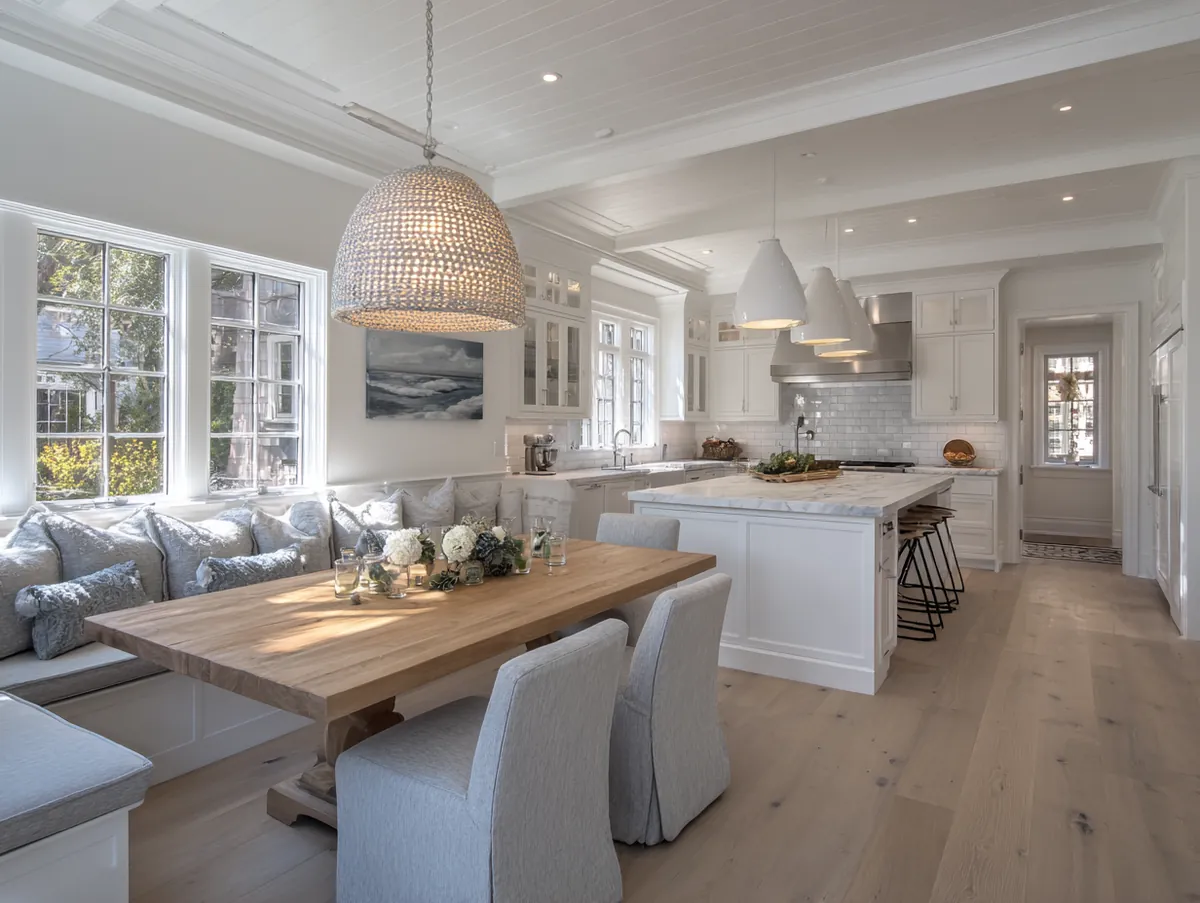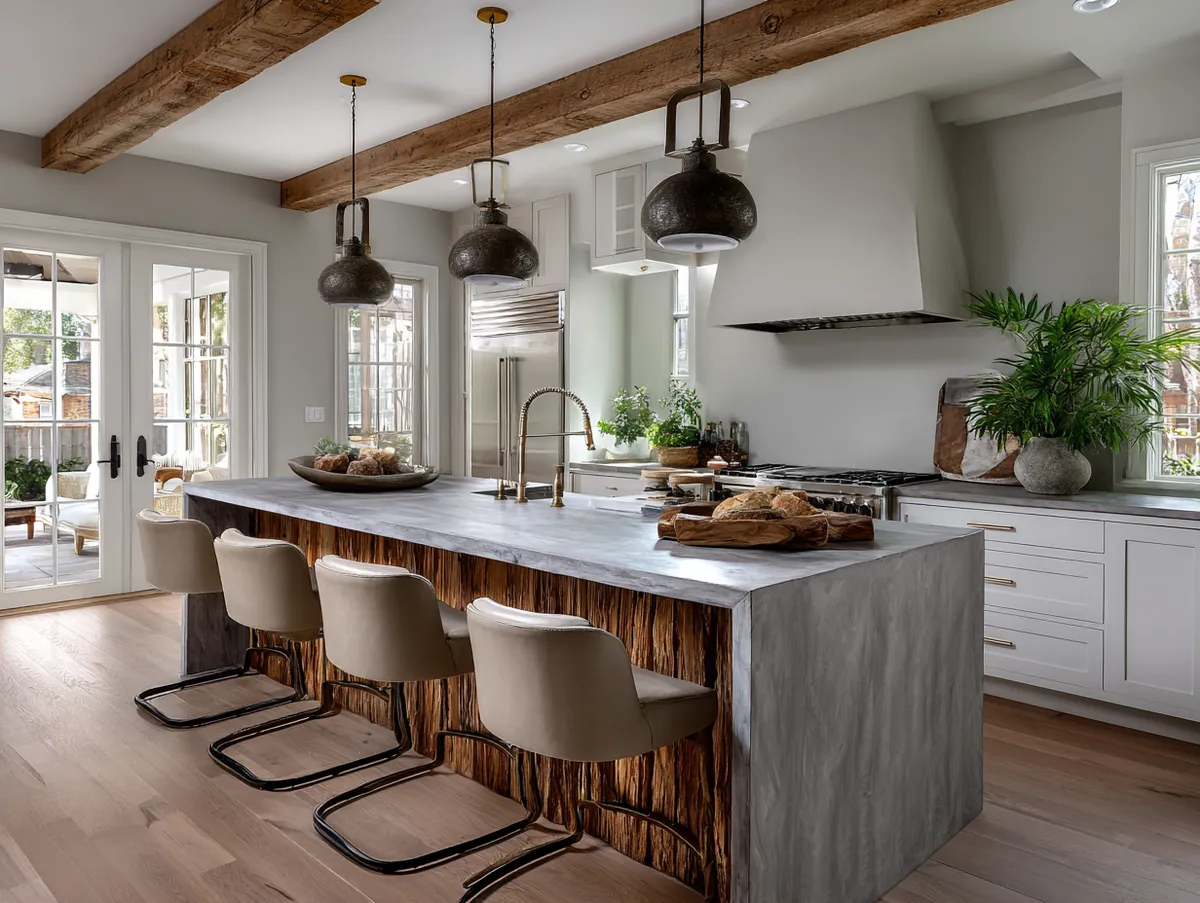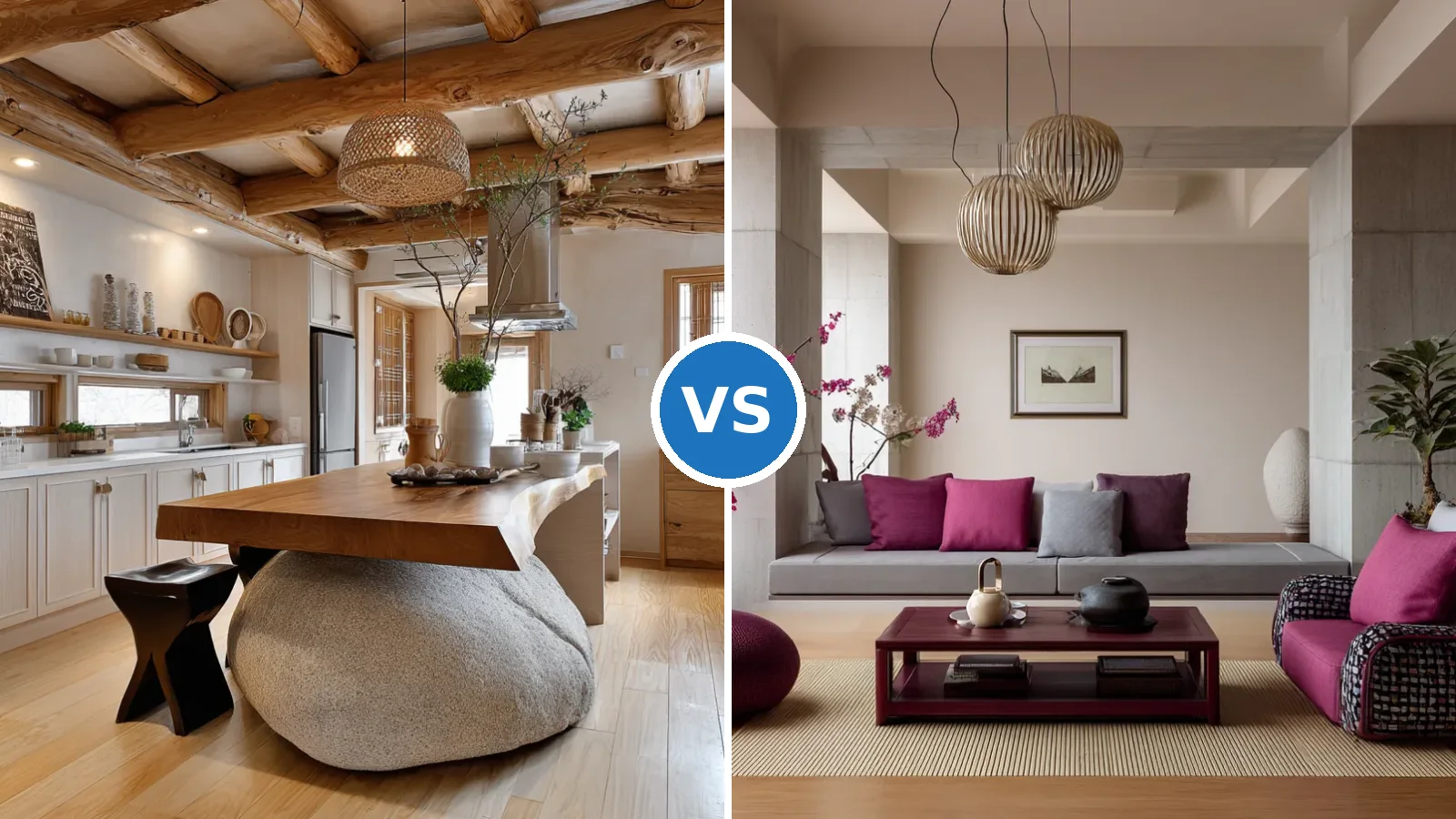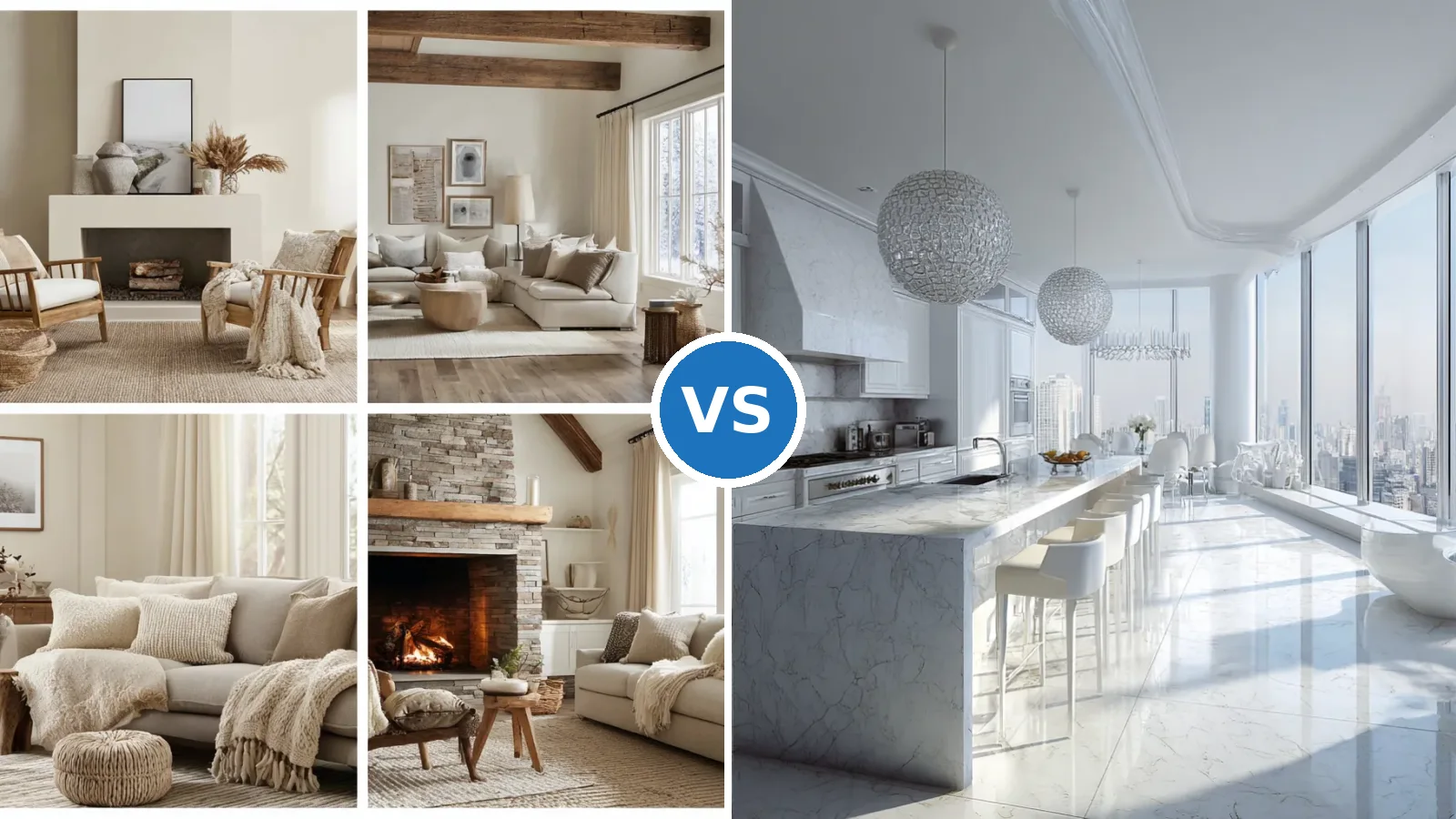
You’re standing in a kitchen that feels cold and sterile, despite being spotlessly clean. Or maybe you’re tired of your warm, creamy space feeling dated. The choice between creamy off-whites and true white kitchens isn’t just about shade—it’s about the mood, the light, and how your space will feel day after day. This comparison explores creamy vs shoji white kitchens, two approaches that define how modern homeowners think about kitchen color today.
Understanding creamy off-whites and pure white kitchens
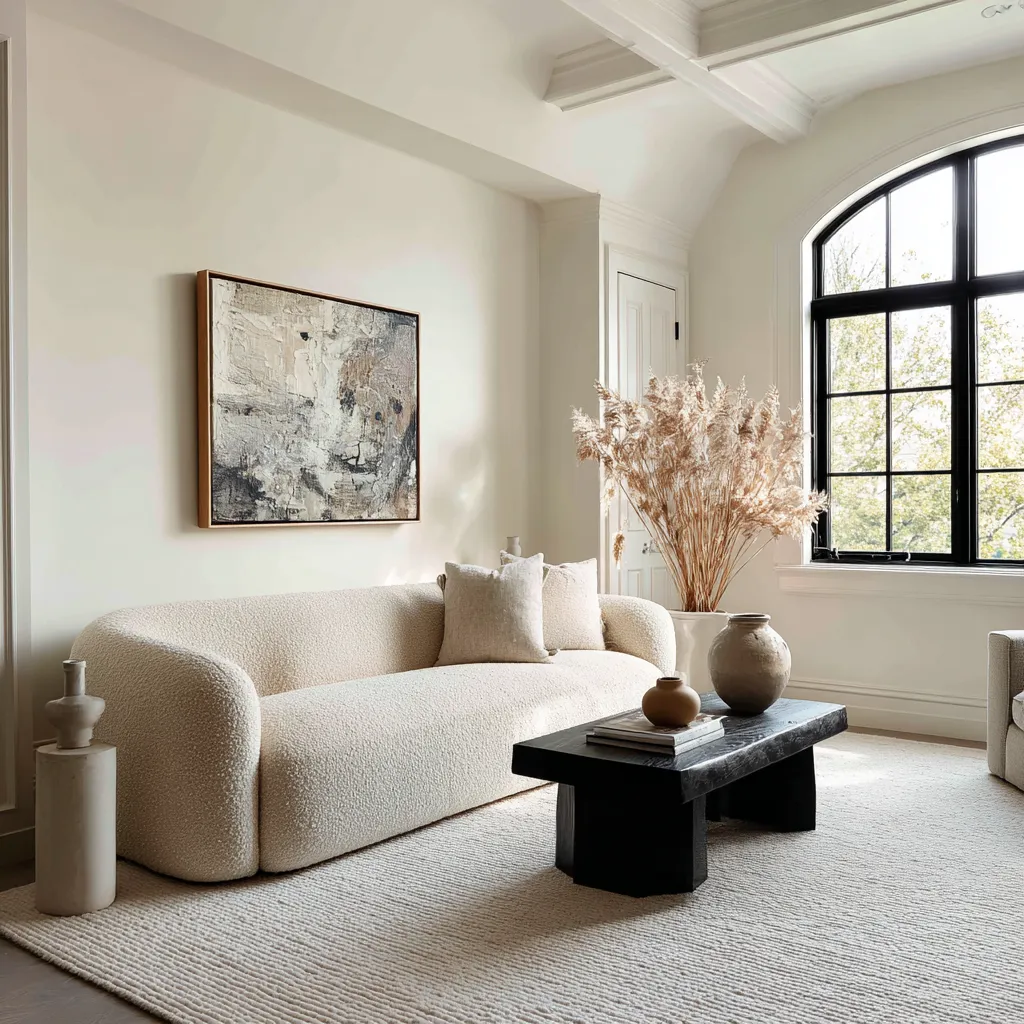
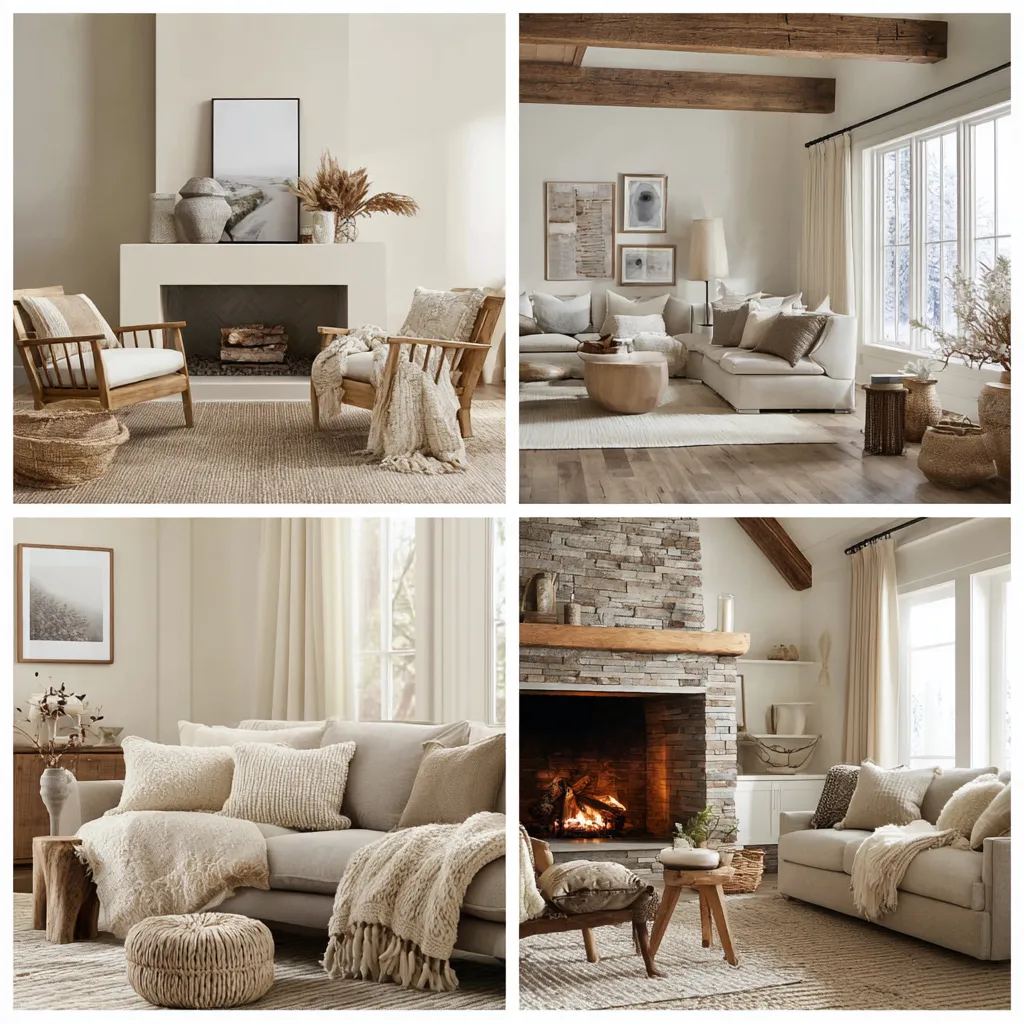
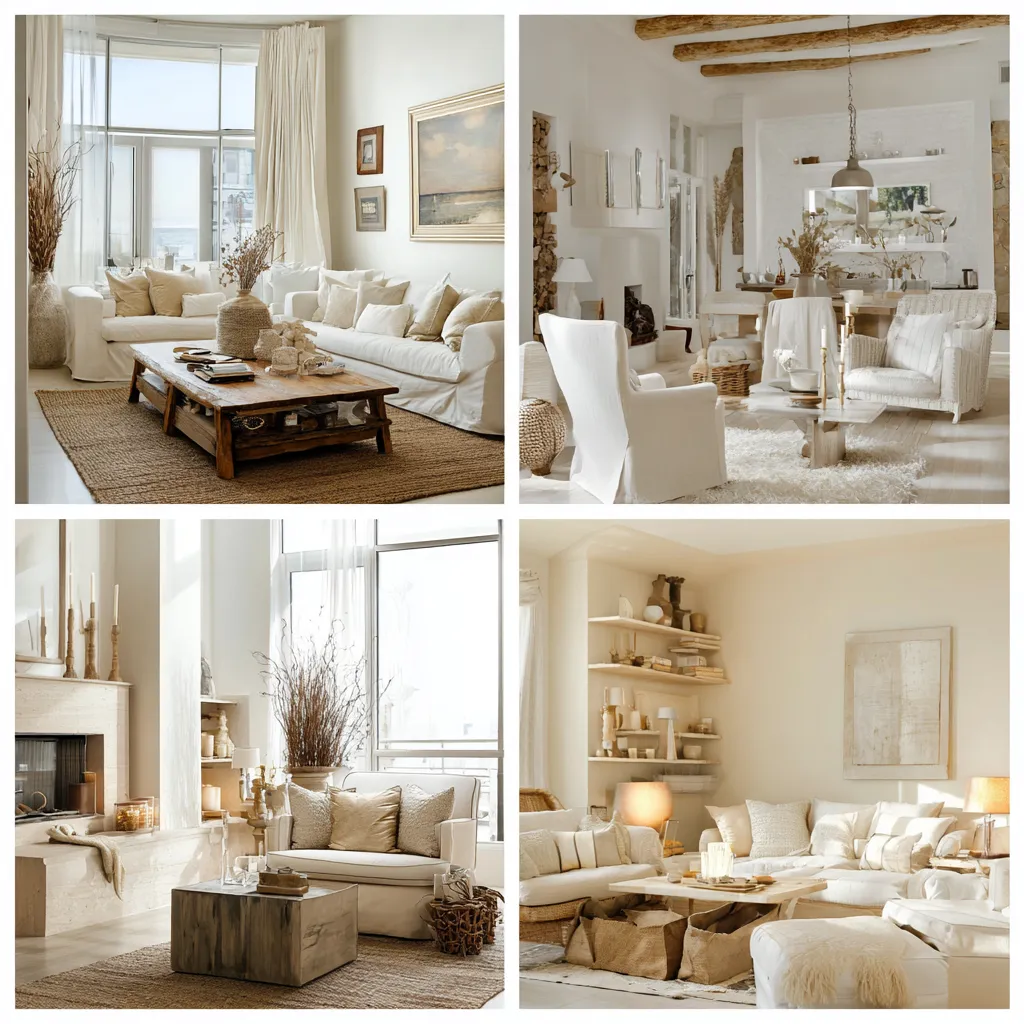
Creamy off-whites bring warmth through complex undertones—subtle hints of blush, ochre, beige, and pale stone that shift with changing light. These nuanced tones interact dynamically throughout the day, preventing walls from feeling flat or mass-produced. They prioritize comfort and sanctuary over absolute clinical cleanliness.
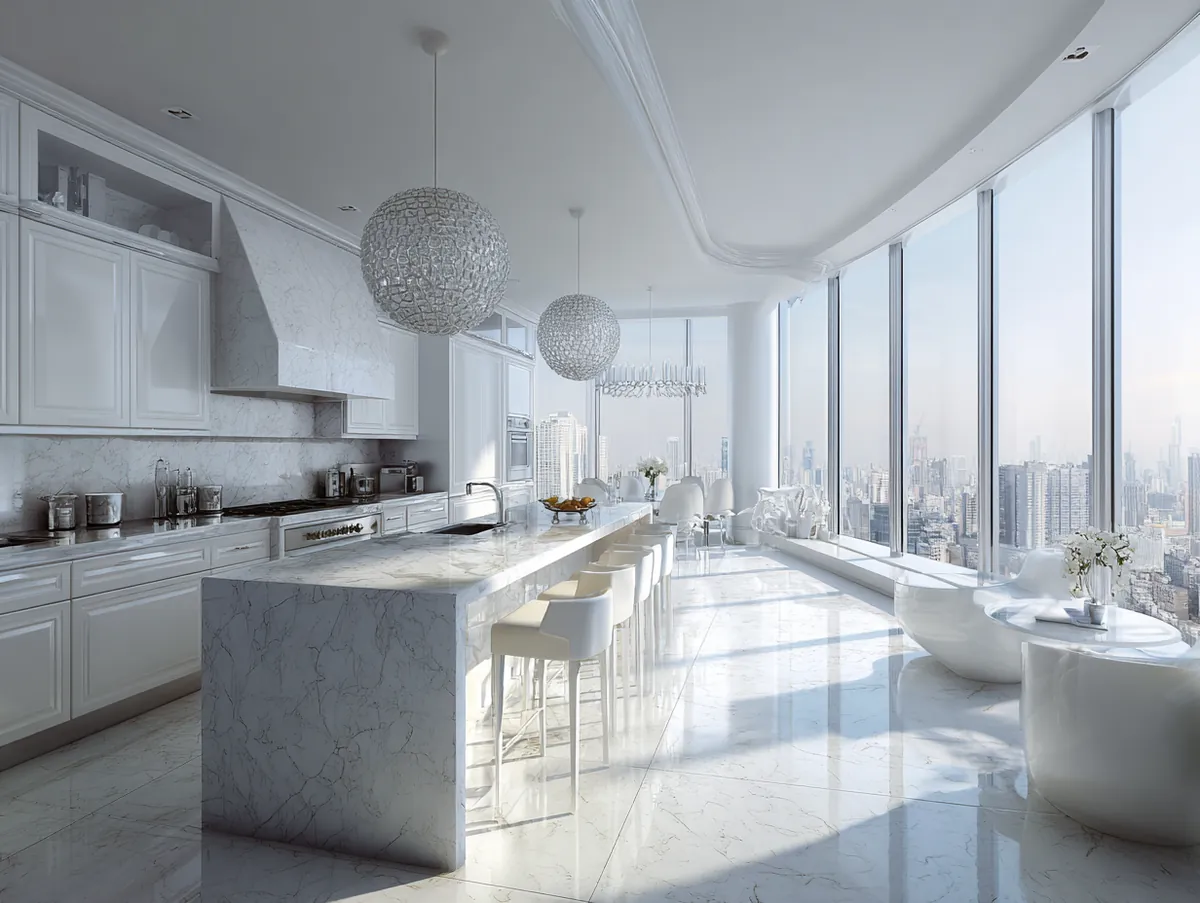
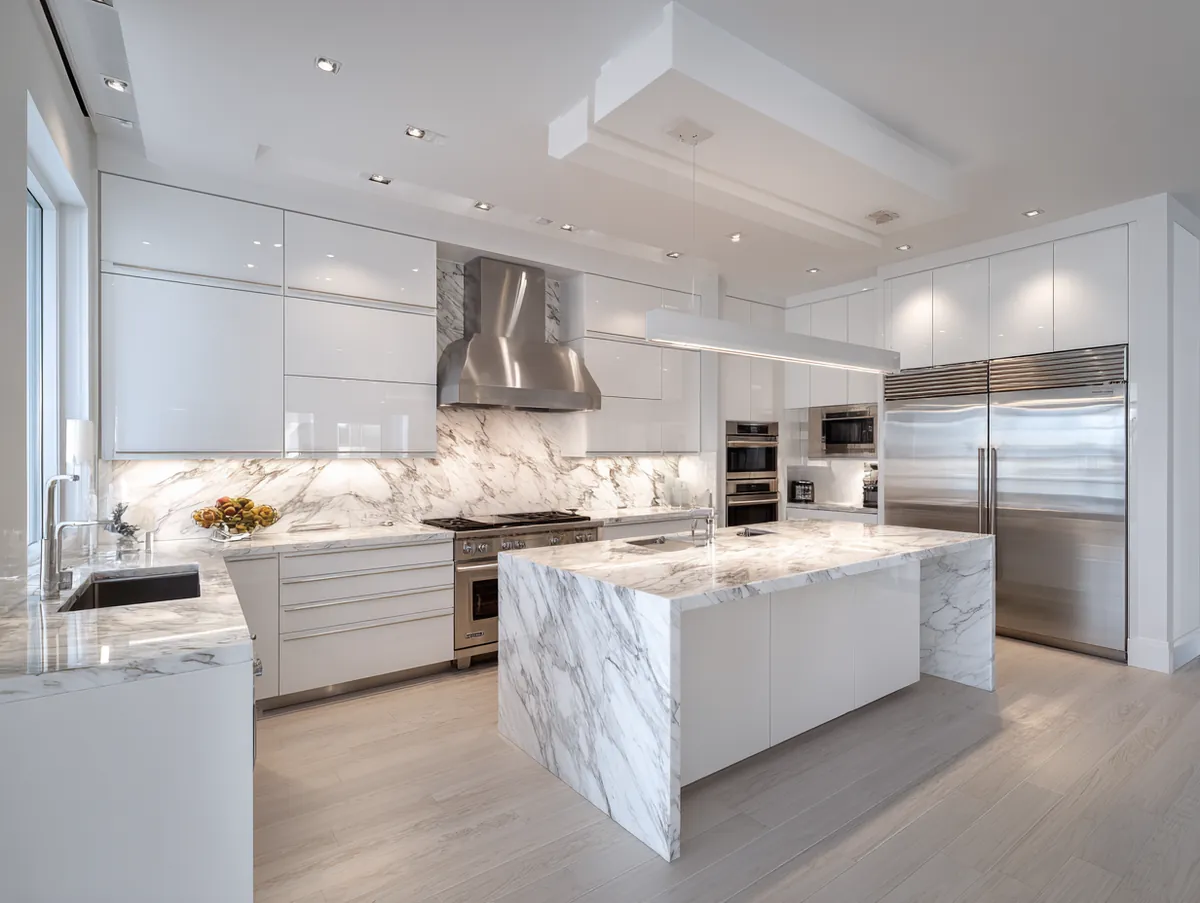
White kitchens embrace pure, unyielding brightness for a sense of spaciousness and modern efficiency. The reflective properties of white surfaces amplify natural light, making even compact kitchens feel larger. True white communicates pristine cleanliness and pairs seamlessly with contemporary minimalism or varied accent styles.
The fundamental divide: creamy tones wrap around a room like an embrace, while pure white acts as a blank canvas that lets everything else shine. One feels lived-in and restful; the other feels fresh and energized.
Quick Verdict
- Choose Creamy Off-Whites if you want a kitchen that feels warm, grounding, and like the true heart of your home—a place where people naturally gather.
- Choose White if you prioritize maximum light, perceived spaciousness, and a contemporary minimalist aesthetic that supports bold accent pieces.
- Budget consideration: Both options cost similarly; the difference lies in material quality and lighting investment.
- Maintenance reality: Both show marks readily; success depends on finish choice and cleaning habits, not the base color.

Comparing light, warmth, and overall atmosphere
White kitchens excel at reflecting light and amplifying brightness. Glossy and matte finishes alike bounce natural daylight through the space, creating an undeniable sense of openness. Even on overcast days, white surfaces maintain their luminosity through careful use of recessed, pendant, and under-cabinet lighting.
Creamy off-whites take a different approach to illumination. Rather than maximum brightness, they work with warm-toned artificial light that mimics the golden hour. When this warm light grazes textured surfaces, it highlights depth and sophistication rather than pure reflectance.
Atmosphere matters in the kitchen as much as in a bedroom. White kitchens feel efficient, energizing, and contemporary. Creamy off-white kitchens feel inviting, sophisticated, and like a space where people naturally want to linger and gather.
| Criteria | Creamy Off-Whites | White Kitchens |
|---|---|---|
| Light Reflection | Moderate; works with warm artificial light | Maximum; amplifies natural and cool-toned light |
| Perceived Spaciousness | Grounding; rooms feel intimate and cocooned | Expansive; spaces feel larger and airier |
| Warmth/Coziness | High; invokes natural materials and calm | Lower; promotes efficiency and clarity |
| Design Flexibility | Pairs best with warm-leaning, organic accents | Adapts well to varied styles and bold accents |
| Maintenance Visibility | Shows marks clearly; finish type matters more than color | Shows marks equally; finish type (matte vs glossy) is key |
| Psychological Response | Promotes relaxation and comfort | Promotes alertness and perceived cleanliness |
Where creamy off-whites win in kitchen design
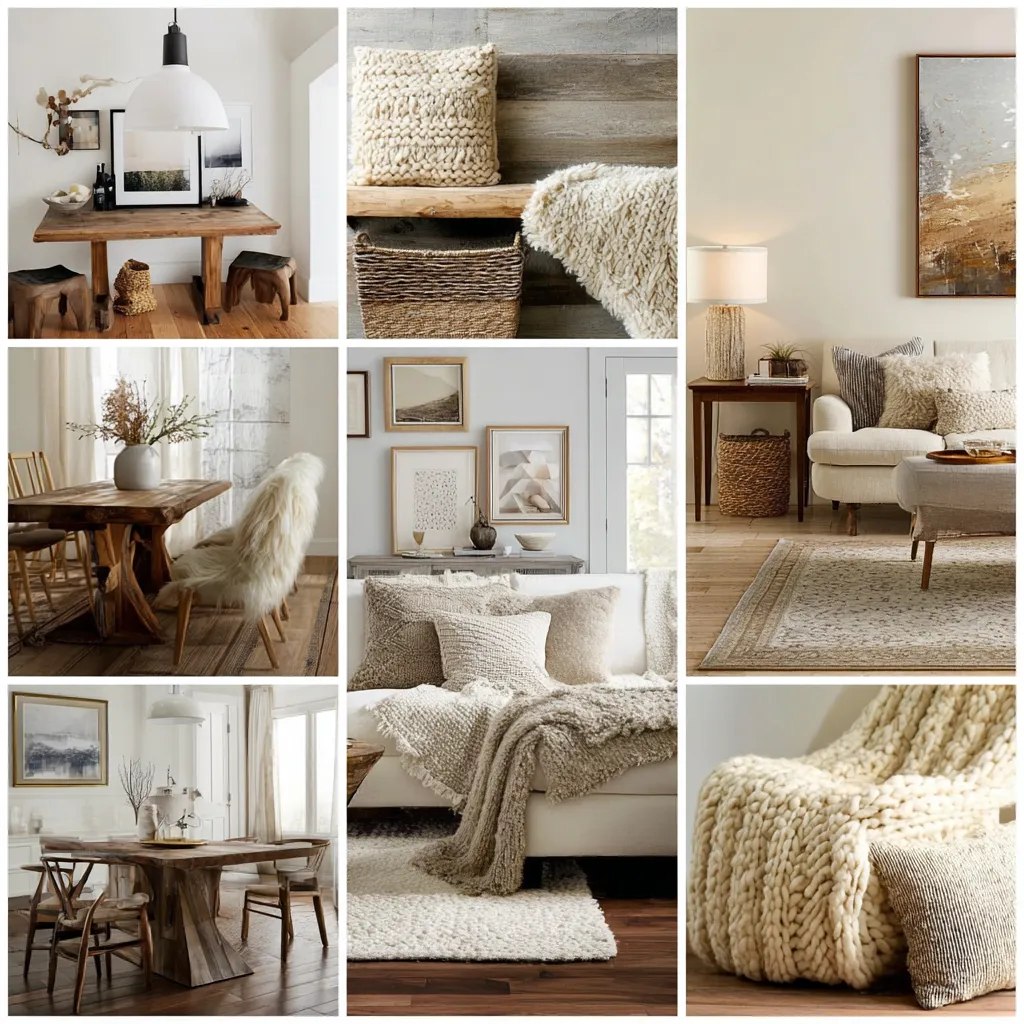
Creamy off-whites transform cabinetry into something that feels bespoke and intentional rather than industrial. Custom shaker-style cabinets in bone or heavy cream don’t just hold your dishes—they set a tone of timeless craftsmanship that evolves gracefully with changing light throughout the day.
The biggest advantage emerges in rooms where people spend extended time. A creamy palette signals to your nervous system that the kitchen is a gathering space, not a sterile workspace. For homes where cooking, family conversations, and relaxed entertaining happen regularly, this psychological warmth is transformative.
Creamy off-whites also excel when paired with natural, organic materials. Bleached walnut cabinetry, white oak trim, unglazed ceramic accents, and unlacquered brass fixtures all complement these tones without creating harsh contrast. The result feels considered and lived-in, not showroom-perfect.
Where white kitchens win in modern design
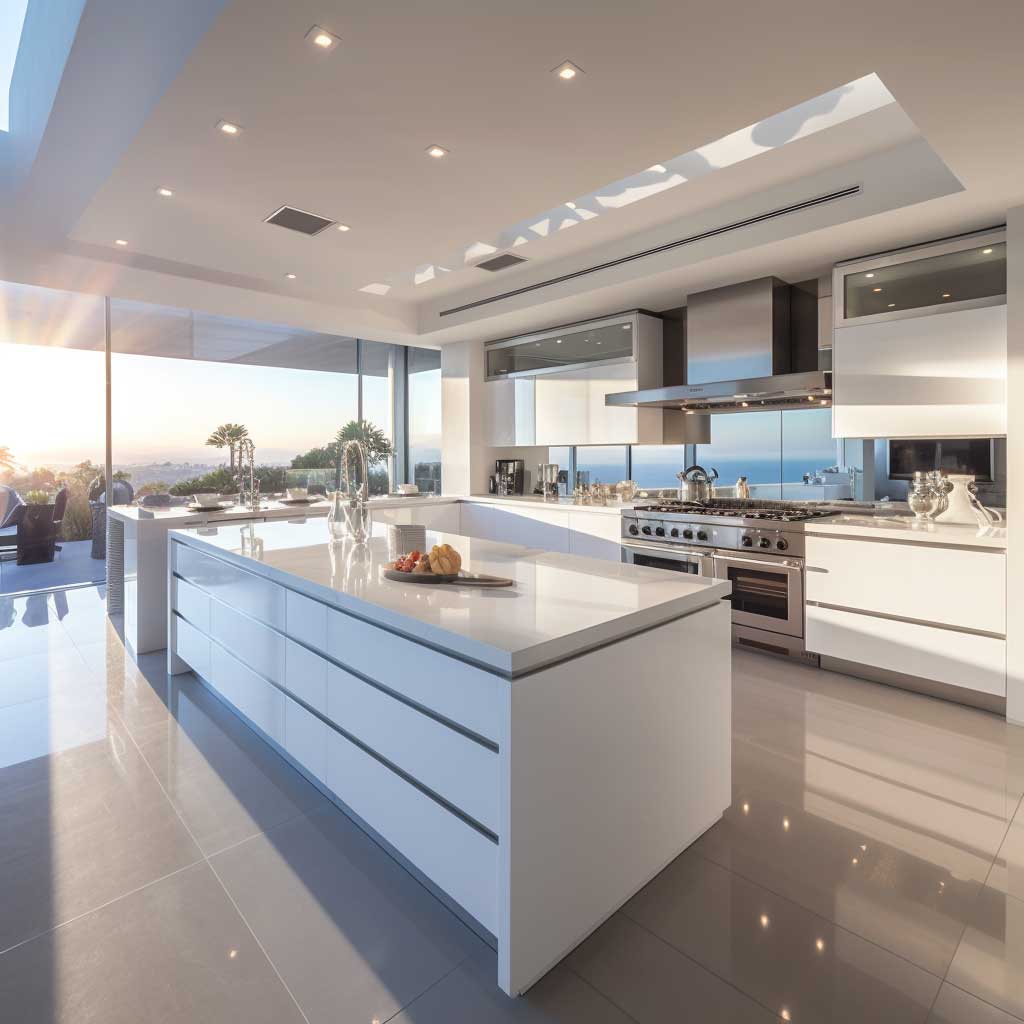
Pure white kitchens own the category of perceived spaciousness. A compact kitchen painted in stark white, especially with reflective glossy surfaces and open shelving, genuinely reads as larger than its actual square footage. This matters enormously for smaller homes or apartments.
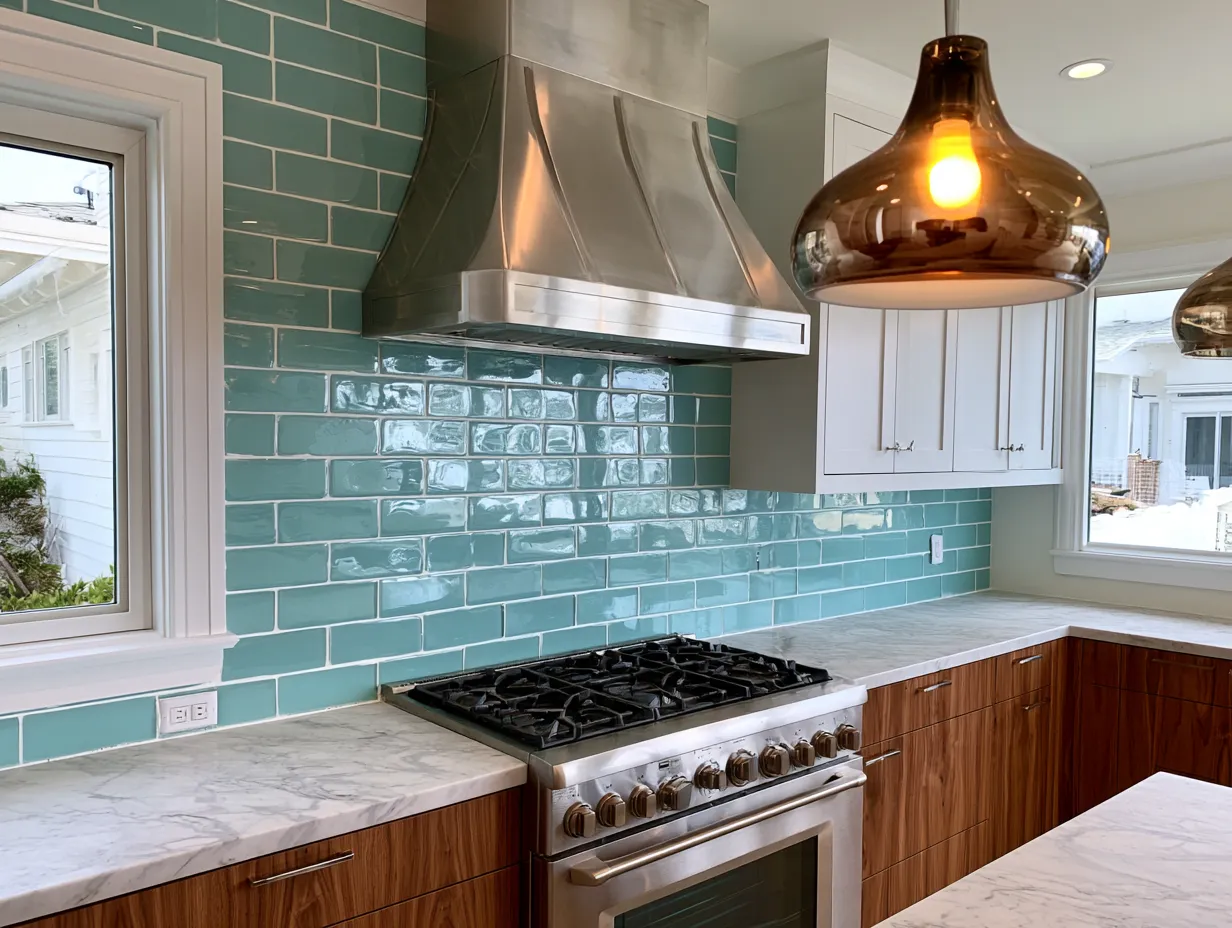
White also works flexibly as a canvas. Whether you’re designing a Scandinavian minimalist kitchen, a contemporary chic space, or even a rustic farmhouse look, white cabinetry accepts colorful backsplashes, bold hardware, and statement lighting without fighting for attention. This adaptability is valuable for homeowners who anticipate evolving their style.
Modern white kitchens integrate technology without visual disruption. State-of-the-art appliances in stainless steel or integrated behind white cabinet doors don’t create visual clutter; they meld into a cohesive, uninterrupted plane. For high-tech kitchens with integrated waste systems and soft-close mechanisms, white is the unifying visual language.

The common mistake both palettes share
The biggest error homeowners make when choosing between creamy vs white kitchens is ignoring lighting from the start. Many people select their wall and cabinet color in showroom samples or design boards under artificial light, then bring it home and wonder why it feels wrong.
Imagine selecting a creamy off-white based on how it looked under warm showroom lighting, then installing it in a kitchen lit primarily by cool-toned recessed ceiling lights. The undertones that made it look warm and inviting in the store suddenly vanish, leaving a color that reads as flat and slightly sickly. Conversely, a true white selected for its brightness can feel harsh and sterile if paired with only warm, dimmed accent lighting.
The solution: visit your kitchen space at different times of day—early morning, afternoon, and evening—before finalizing your choice. Request paint samples large enough to see over 48 hours. Test how your chosen shade interacts with whatever lighting you actually plan to install, not what the designer’s showroom offers.
Cabinetry finishes and practical durability
Both creamy off-whites and white kitchens show fingerprints, smudges, and dust equally. The myth that one hides marks better than the other is just that. However, finish choice matters far more than color.
Satin or matte finishes on either palette conceal fingerprints better than high gloss, regardless of whether you choose pure white or creamy bone. Similarly, choosing backsplash and countertop materials for their durability—quartz or granite over less resilient options—protects your kitchen’s beauty independent of your base color.
The real maintenance difference comes down to material quality and sealing. A well-sealed cream-colored marble countertop requires the same care as a white marble one. Both benefit from consistent cleaning practices; color alone does not increase maintenance burden.
Final verdict on choosing your kitchen palette
Choose creamy off-whites if your kitchen is the true heart of your home—a place where family gatherings happen, where cooking is enjoyable, where comfort matters as much as cleanliness. These tones work well in kitchens with good natural light, especially in homes where you’ve invested in warm-toned lighting design and plan to layer in natural materials like wood and stone.
Choose pure white if your kitchen is compact and needs to feel larger, if you value a contemporary minimalist aesthetic, or if you want maximum flexibility for bold accent pieces and evolving style over time. White kitchens shine in homes with abundant natural light or where consistent, cool-toned artificial lighting is feasible.
The honest answer: neither choice is objectively superior. Both are sophisticated, contemporary, and maintain their appeal over time. Your decision should rest on how you actually use your kitchen, what atmosphere makes you feel at home, and whether you’re optimizing for light and space or for warmth and gathering. Test samples in your actual space under your actual lighting before committing, and you’ll avoid the single most common regret in kitchen design.