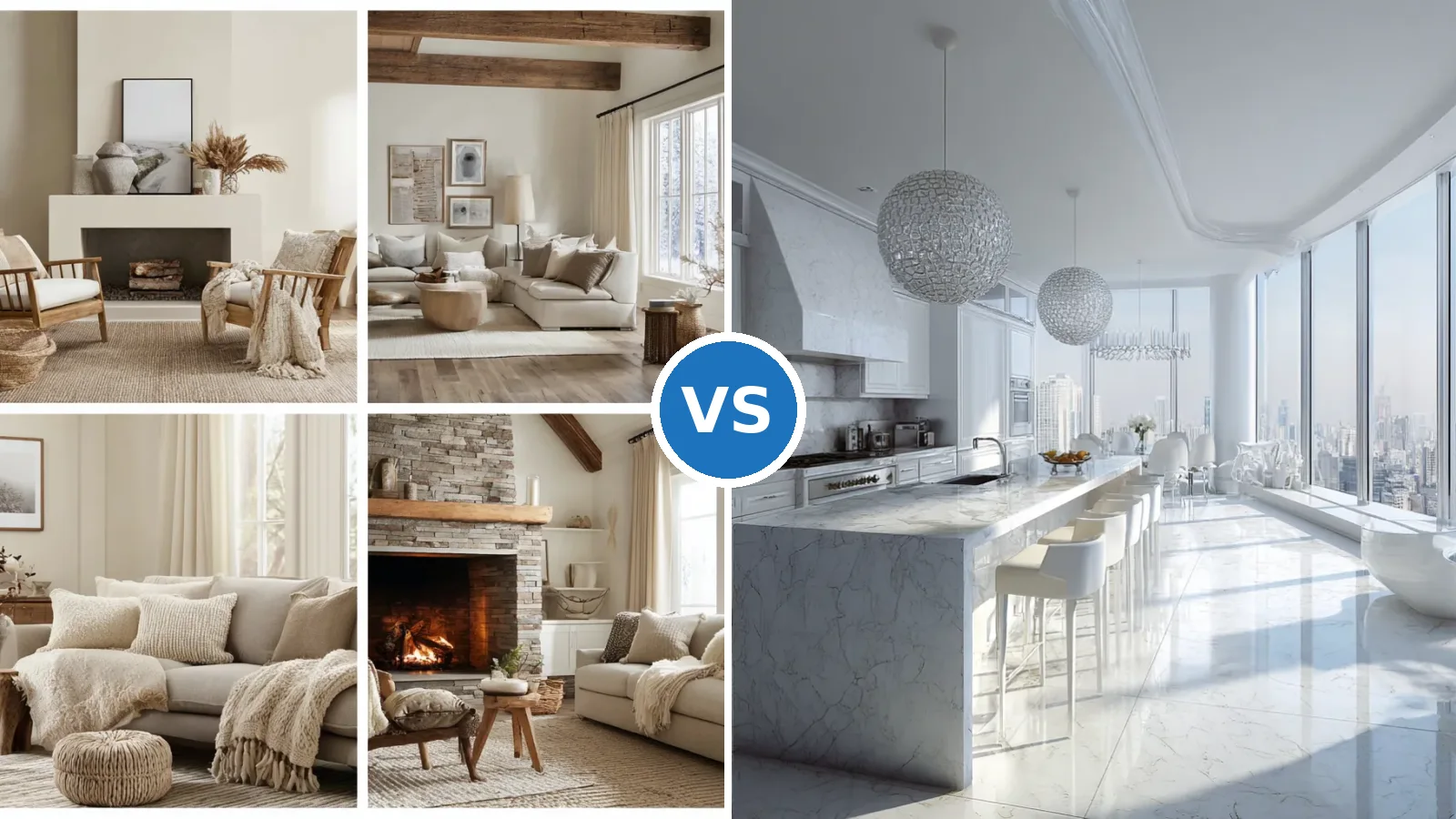
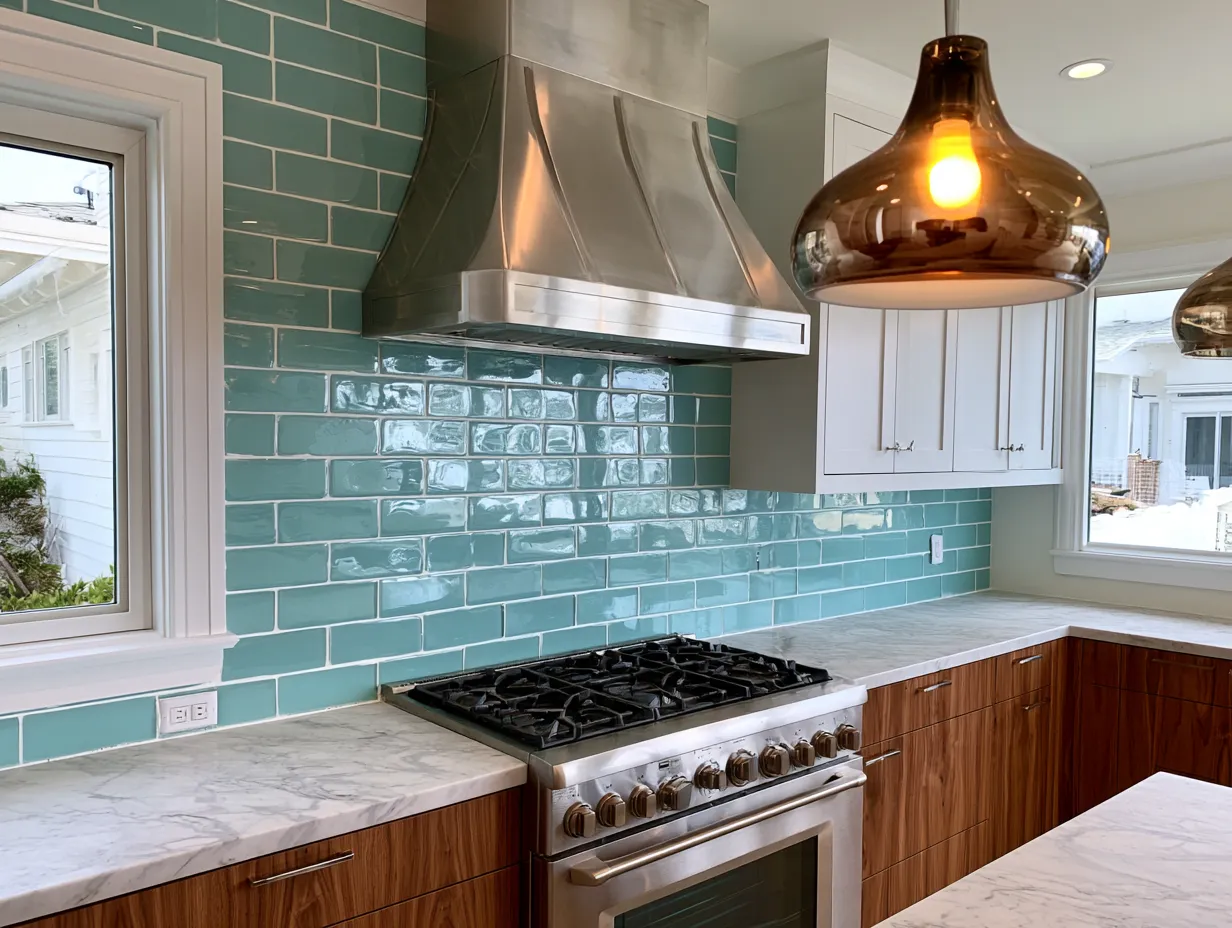
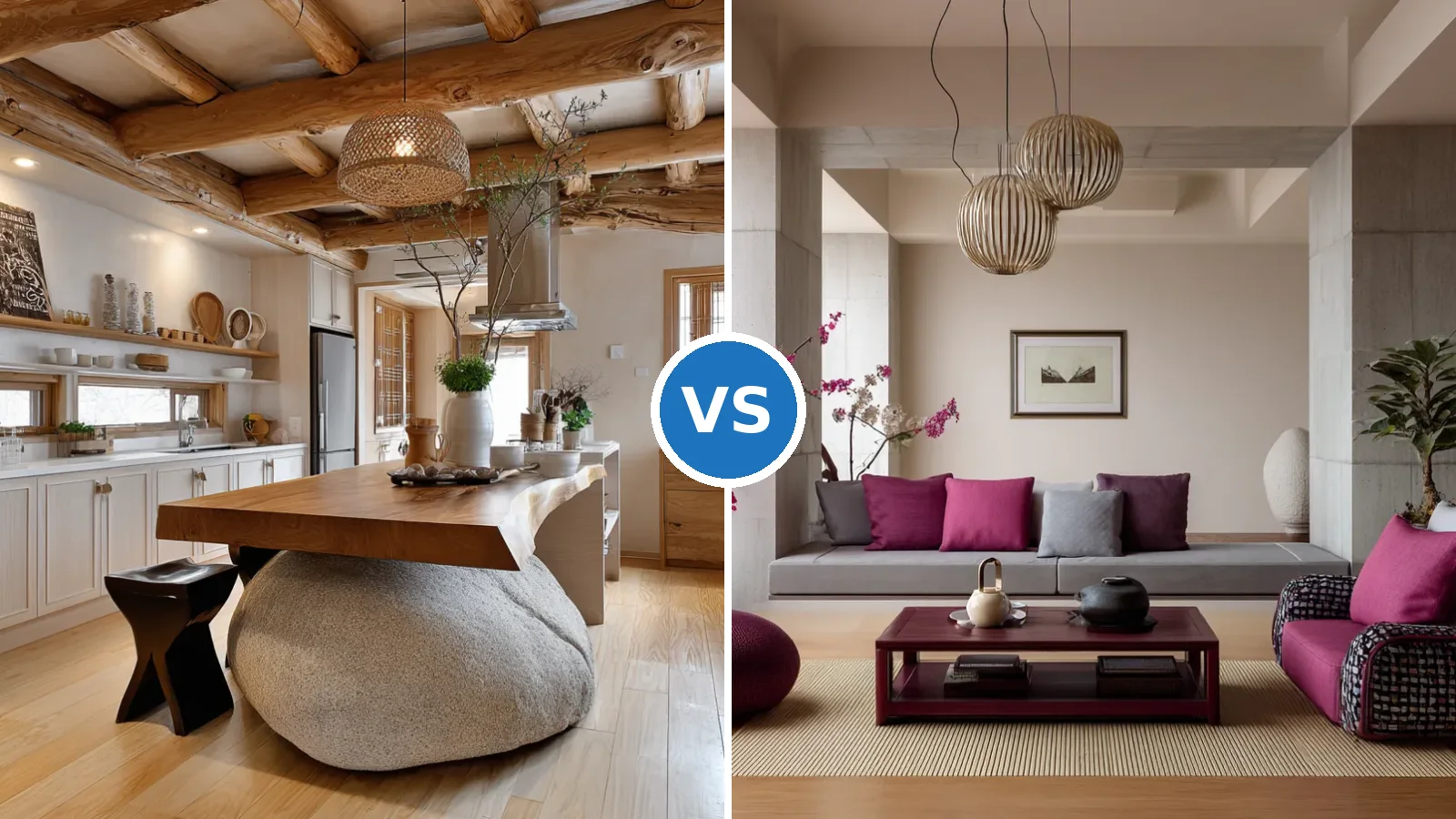
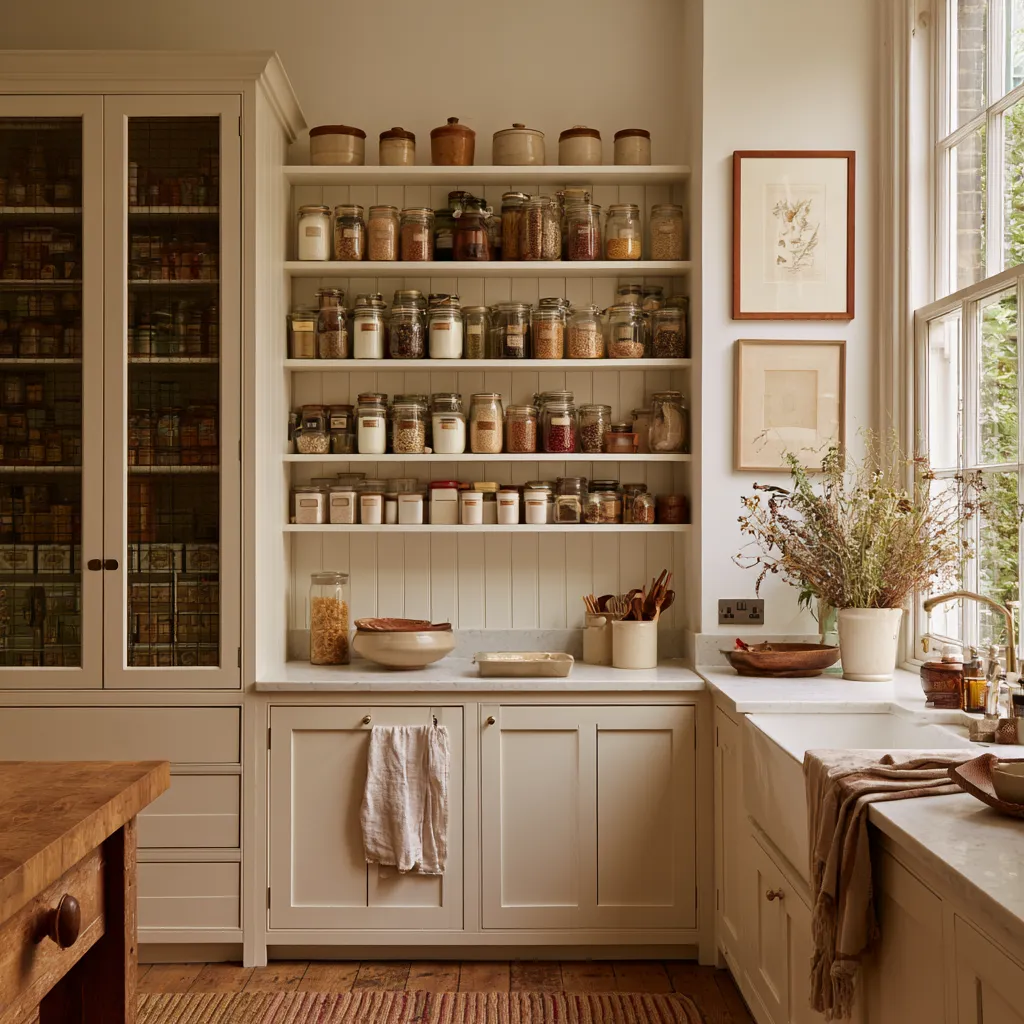
Kitchen with pink splashback ideas come down to three proven tile choices: matte blush for calm, glossy subway for light and hexagons for vintage charm. Pink works on the splashback because the wall area is small, so the color warms the room without taking over the cabinets. Basic ceramic tile starts at around $2 per sq ft, while installed jobs typically land between $15 and $45 per sq ft. Start with the finish, since it changes how the shade looks more than the tile shape does.
Is a pink splashback a smart long-term choice? Yes, when the shade stays soft and the rest of the kitchen stays neutral. A typical kitchen backsplash costs about $600–1,300 to install, with a national average near $1,000, and a pro usually finishes it in about 2 days. That makes pink one of the cheapest ways to change a kitchen’s mood without replacing a single cabinet. Pick a pale blush if the kitchen gets little daylight.
The sections below compare matte, glossy and hexagon pink tiles, then cover shade choice, waste allowances and real costs in one table. Typical figures come from manufacturer data, tile calculators and average installation prices. Use them to brief a tiler before you order samples.
Quick Scan
- Matte blush hides fingerprints; glossy pink reflects light and wipes clean faster.
- Ceramic tile costs about $2 per sq ft vs about $30 per sq ft for glass.
- A straight grid needs about 10% extra tile; herringbone needs 15–20%.
- A typical backsplash costs $600–1,300 installed, with an average near $1,000.
- Hex mosaic eats grout: a 25-lb bag may cover only 20–30 sq ft at 1/8 in joints.
- Pale blush near LRV 80–85 behaves like a warm white in dim kitchens.
- Warm 2700K bulbs keep pink rosy; 4000K light pushes it toward grey.
Matte Blush Tiles Give the Calmest Pink Splashback
A matte blush pink splashback suits a modern kitchen because the soft finish absorbs glare instead of bouncing it around the room. Pale blush tones often sit around LRV 80–85 on the 0–100 light reflectance scale, so from across the room they read almost like a warm white. Matte tile behaves like cotton next to satin: the color stays even under every bulb and at every hour. Choose rectangular matte tiles in a straight grid when the cabinets are flat-front and minimal.


Will light pink look washed out next to stainless steel? Not when the counters stay white and the cabinets stay simple, because the steel adds the cool contrast that keeps blush from looking sugary. A straight grid also keeps the budget tight, since tile calculators add about 10% for cuts versus 15–20% for herringbone. Matte blush vs glossy blush is mostly a cleaning question: matte hides fingerprints and water spots, while gloss shows every splash but wipes off faster. Pick matte if the splashback sits beside a busy prep zone.
Treat the splashback as the accent, not the main color, and the kitchen stays grown-up. The same proportion logic shapes these pink living room ideas built on blush walls and the 60-30-10 split, where the brightest shade covers about 10% of what you see. In a kitchen, that 10% is often the splashback alone. Don’t choose an unglazed or porous matte tile behind the hob, since cooking grease soaks into the surface; ask for a glazed matte finish instead.
Glossy Herringbone Puts Pink Kitchen Splashbacks in the Spotlight
A glossy pink backsplash in the kitchen works like a soft mirror, catching pendant light and spreading it across the counter. Standard 3×6 in subway tile suits herringbone because its length is exactly twice its width, so the zigzag closes neatly. A typical box holds 100 pieces and covers about 12.5 sq ft, which means a 30 sq ft wall needs roughly three boxes before waste. Choose a herringbone layout when the splashback is the one feature you want guests to notice.


Is herringbone worth the extra cost? It adds movement that a straight lay cannot, but installers usually add 15–20% to tile quantities and 15–25% to labour time compared with a straight lay. On a 30 sq ft splashback, that means roughly 5–6 extra sq ft of tile. Herringbone vs running bond is the real choice here: the first feels lively and current, the second calmer and cheaper. Order one spare box either way, since tile is fired in batches and later lots may not match the shade.
Glossy pink pairs well with white counters, warm wood shelves and matte black handles, which ground the shine. Ceramic gloss tile runs about $2 per sq ft, while pink glass subway averages closer to $30 per sq ft for a deeper, jewel-like sheen. Don’t grout glass or high-gloss tile with sanded grout, which can scratch the face; joints under 1/8 in call for unsanded or epoxy grout. Wipe the tiles behind the stove weekly so grease never dulls the gloss.
Hexagon Pink Tiles Bring Vintage Character to the Kitchen
Pink tiles in a vintage-style kitchen work best as hexagons, because the honeycomb shape recalls old bakery and pantry walls. Small hex mosaics usually ship on 12×12 in mesh sheets that cover about 1 sq ft each, while 8 in hexes run about 2.25 tiles per sq ft. A blush honeycomb behaves like printed fabric: from a distance it reads as soft texture, up close as pattern. Choose small mosaic hexes for a cottage feel and 8 in hexes for a bolder, more modern take.


Brass taps and cream cabinets suit blush hexagons because all three share a warm undertone. Mosaic changes the grout math more than any other choice: a 25-lb bag may cover only 20–30 sq ft of mosaic at 1/8 in joints, far less than the same bag covers with subway tile. Small hexes vs large hexes is also a cleaning trade-off, since more grout lines mean more scrubbing. Don’t use bright white grout behind the sink; a warm beige or light grey hides stains far longer.
Do hexagon sheets make cutting around outlets harder? They make it easier, since the mesh trims with a utility knife and single pieces fill awkward gaps. Mosaic sheets usually need only 5–10% extra for waste, compared with 15–20% for herringbone subway. Seal cement-based grout periodically to keep the blush and beige tones clean. Ask the tiler to dry-lay a full sheet before setting so the pattern lines up at the countertop.
Light Pink vs Bolder Pink on the Splashback Wall
A light pink backsplash and a bolder rose splashback do different jobs, so the shade should follow the light the kitchen gets. Pale blush near LRV 80–85 bounces daylight almost like off-white, while dusty pink near LRV 56 absorbs more and reads warmer. A north-facing kitchen with fewer than 6 hours of direct sun suits the paler end. Hold three tile samples against the counter at noon and again after dark before you decide.
Lighting decides whether pale pink looks rosy or grey. Warm 2700K bulbs keep blush glowing, while cool 4000K light can push it toward chalky grey, the same effect noted in these soft pink bedroom furniture ideas with real sizes and prices. Under-cabinet LED strips should match the ceiling lights, or one wall will look like two different pinks. Don’t mix pink tiles from two brands on one wall, since even close shades clash side by side.
- Pale blush: dim or north-facing kitchens; white quartz, oak and brushed steel.
- Dusty rose: sunny kitchens; brass, walnut and warm grey.
- Coral or salmon pink: small doses only, such as a strip behind the range.
Can renters try pink splashbacks without tiling? Peel-and-stick panels cost around $4 per sq ft for basic sheets and up to $30 for premium versions, and they come off without demolition. They work like a dress rehearsal, letting you live with the shade for a season before committing to grout. Don’t treat them as permanent, since adhesive panels are less durable than set tile. Use them to test a shade, then tile once you are sure.
Don’t Do This
- Don’t price herringbone at the 10% straight-lay allowance; plan 15–20% extra tile.
- Don’t use sanded grout on glass or high-gloss pink tile; joints under 1/8 in need unsanded or epoxy.
- Don’t buy boxes for a 30 sq ft wall from different batches; shade varies by lot.
- Don’t light blush tile with 4000K bulbs if you want it to stay rosy rather than grey.
- Don’t tile before the countertops go in; counters first keeps the bottom row level.
What a Pink Kitchen Splashback Really Costs
Pink kitchen splashback costs depend on material and layout rather than color, since pink ceramic is priced like white ceramic. Average figures in this kitchen backsplash cost breakdown by material put porcelain at $3–6 per sq ft and glass near $30, with labor typically $40–60 per hour. Removing an old backsplash adds about $3–6 per sq ft. Is glass worth fifteen times the price of ceramic? Only when the splashback is short and you want a deep, wet-look shine.
| Option | Look | Material cost per sq ft | Extra tile to order | Upkeep | Best style |
|---|---|---|---|---|---|
| Matte blush ceramic, straight grid | Soft, low glare | About $2 | About 10% | Hides fingerprints | Modern minimal |
| Glossy pink ceramic subway, herringbone | Bright, reflective | About $2 | 15–20% | Wipes fast, shows splashes | Contemporary |
| Pink glass subway | Deep, wet-look shine | About $30 | 15–20% in herringbone | Unsanded or epoxy grout only | Glam, contemporary |
| Blush hexagon mosaic | Textured honeycomb | Sold by 12×12 in sheet (about 1 sq ft) | 5–10% | Most grout lines to clean | Vintage, cottage |
| Pink porcelain tile | Durable, versatile | $3–6 | About 10% in a grid | Low | Any style |
| Peel-and-stick pink panels | Flat printed surface | $4–30 | Minimal | Less durable than tile | Rentals, trial runs |
Read the table like a recipe card: material cost sets the base, and the layout decides how much extra you buy. Matte ceramic in a grid is the cheapest route, while glass in herringbone is the priciest by a wide margin. A full job usually takes about 2 days, and up to 4 if old tile has to come off or drywall needs repair. Book the tiler only after the counters are fitted.
The Pink That Pays Off
The smartest pink splashback is the one that matches how you cook: matte blush for busy prep zones, glossy subway for light, hexagons for vintage warmth. At about $2 per sq ft for ceramic versus about $30 for glass, the color itself never has to be the expensive part. Spend the budget on layout and installation instead.
For a calm modern kitchen, a matte blush grid with about 10% extra tile keeps cost and cutting low. Pair it with white counters and stainless steel. Glazed matte beats unglazed tile behind the hob every time.
For a statement wall, glossy 3×6 subway in herringbone needs 15–20% extra tile and up to 25% more labour time. Grout glass or high-gloss tile with unsanded or epoxy grout. Order one spare box from the same batch.
For vintage charm, blush hexagon sheets trim easily around outlets but use far more grout, sometimes a 25-lb bag per 20–30 sq ft. Choose beige or light grey grout over bright white. Light every option with 2700K bulbs and the pink will stay rosy after dark.