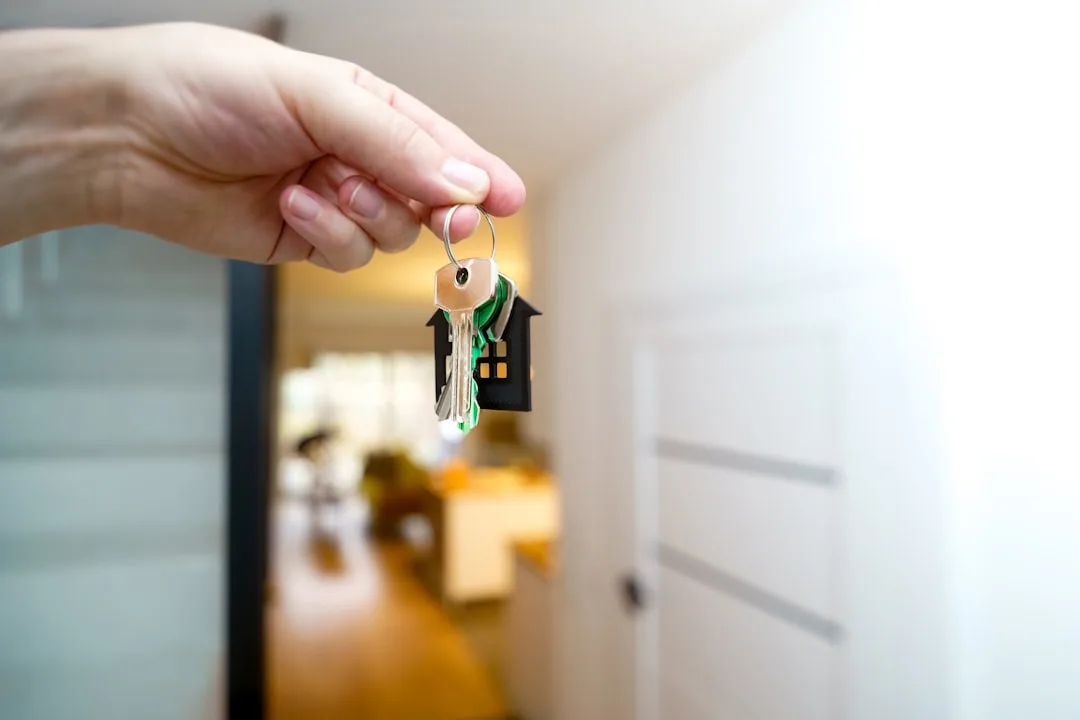
Apartment swaps travel is upending how mid-income travelers afford city breaks. Instead of paying $120–$250 per night for hotels, thousands of homeowners worldwide now exchange residences for weeks at a time—paying zero nightly rates. This isn’t backpacker chaos; it’s organized, verified, and attracting professionals, families, and sabbatical takers who refuse to surrender local living for tourist-zone anonymity.
Why Apartment Swaps Travel Is Exploding Right Now
HomeExchange, founded in 1992 but mainstream only since 2020, now logs over 90,000 active members swapping homes across 190 countries. The math is undeniable: a two-week apartment swap in Barcelona or Berlin costs a membership fee (often $100–$200 annually) instead of $1,680–$3,500 in hotel bills. Savings eliminate the guilt of travel; families justify longer trips.
The pandemic proved remote work was real. Now bleisure travelers—mixing work with exploration—need affordable, livable spaces, not five-star lobbies. Apartment swaps deliver kitchens for cooking, washing machines, home offices, and neighborhoods where locals actually eat. A corporate accountant working three days remotely from a Lisbon apartment swap pays nothing for lodging while her hourly rate stays intact.
Airbnb’s price creep accelerated this shift. Airbnb average nightly rates in major European cities jumped 30–40% between 2022 and 2026, pushing budget travelers toward swaps.
Quick Tips
- Upload 5–8 photos of every room, outdoor space, and kitchen. Poor photos kill swap requests before they start.
- Write a detailed house description mentioning local cafes, transit lines, and neighborhood quirks. Travelers want to feel the place.
- Confirm swap dates 8–12 weeks early. Peak summer and Easter demand fills slots fast.
- Request a video tour call with potential swap partners. A 10-minute Zoom prevents 90% of surprises.
- Create a house manual: wifi passwords, heating systems, parking details, emergency contacts, appliance quirks.
How To Find And Vet Your Perfect Apartment Swap Match
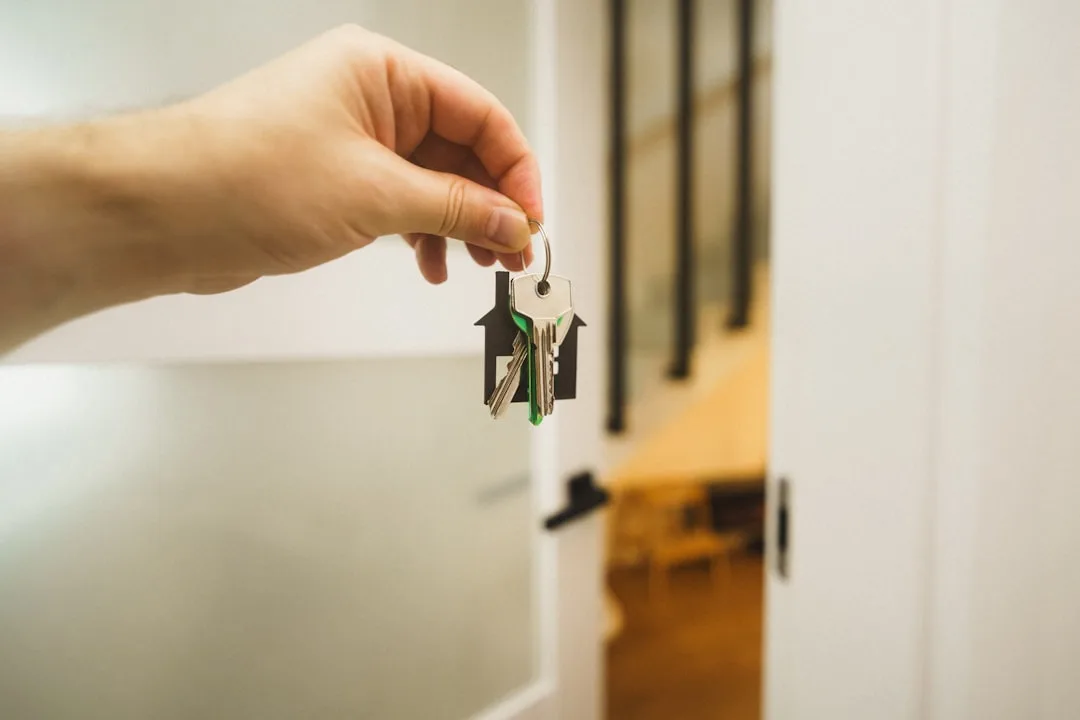
Platforms like HomeExchange and Love Home Swap operate on member verification, not algorithms alone. Both require ID confirmation and previous swap reviews (or character references if new). A Berlin architect swapping her three-bedroom with a Lyon lawyer isn’t a random Craigslist encounter—both profiles show history, past swap partners, and photos.
The comparison between platforms reveals real tactical differences:
| Platform | Annual Fee | Core Strength |
|---|---|---|
| HomeExchange | $100–$200 | Largest global network; longest member history; premium filters. |
| Love Home Swap | $70–$150 | Boutique curation; focus on luxury homes; smaller, vetted community. |
| Intervac | €90–€140 | Decades-old European roots; strong in France, Germany, Scandinavia. |
| SwitchHome (niche) | Free or $20 | Smaller database but zero membership fees; good for repeat swappers. |
Start by filtering for swap profiles in your target city. Read the host’s entire profile—not just their photos. Check when they joined, how many swaps they’ve completed, and what past partners wrote. A five-star swapper with 12 completed trades across five years is reliable.
Look for red flags: vague descriptions, no past reviews, or requests to move off-platform quickly. Trust the verification process.
The Critical Mistake That Kills Apartment Swaps
The #1 failure: assuming your apartment’s condition is “fine enough.” A London teacher listed her flat on HomeExchange without addressing the broken dishwasher, peeling wallpaper in the guest room, and non-functioning shower head. She matched with a Toronto family excited for a central London swap.
Two days into the stay, the family discovered the hot water heater was unreliable and the wifi router crashed daily. They left a poor review. The teacher was furious—she’d seen those issues as minor and figured guests would “cope.” Her approval rating dropped 15 points. No serious swap requests arrived for eight months.
Apartment swaps depend on trust and clarity. Fix broken things before listing. If you can’t repair something, disclose it upfront in writing and in photos. Your integrity is your currency in this peer-to-peer economy.
Apartment Swaps Travel and the Rise of Authentic Neighborhoods
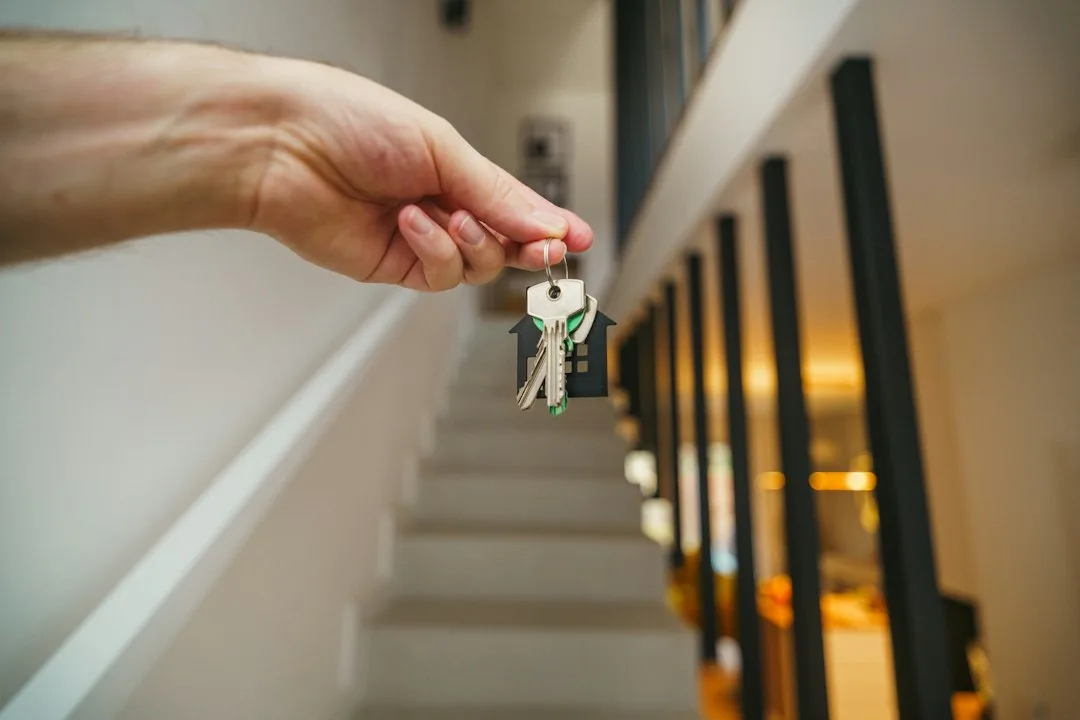
When you live in someone’s actual apartment—their kitchen, their couch, their street—you stop being a tourist. A family swapping into a Madrid apartment in Malasaña discovers the bakery three blocks away that locals queue for at 7 a.m. They buy groceries at the corner tienda, not convenience stores. They walk the neighborhood at dusk like residents.
Hotels cluster tourists in zones. Apartment swaps scatter you into real life. This shift explains why experience-focused travelers—many now working hybrid schedules—prioritize how fashion influences travel and adventure. Your wardrobe choices need to fit neighborhood norms, not resort dress codes. You’re dressing for local living, not poolside lounging.
The neighborhood advantage also reduces overtourism strain on iconic sites. Swappers spread across residential areas, not concentrated in Old Town pedestrian zones.
Logistical Realities and Insurance Considerations
Apartment swaps require clear agreements. Both parties must document the apartment’s condition before arrival—photos of any existing damage, working appliances, and cleanliness baseline. Apps like Swap Protocol (used by major platforms) generate timestamped condition reports both parties sign digitally.
Insurance is non-negotiable. Standard renters policies exclude swaps because they involve strangers. Specialist coverage exists: homeowners can add swap riders to their policies, or platforms like Love Home Swap bundle liability insurance into membership. This typically covers accidental damage up to a stated limit (usually €5,000–€15,000).
Utility usage, cleaning expectations, and pet policies must be explicit. A swap agreement stating “you pay for utilities over €50” prevents bills from becoming fights. Before leaving, both parties should exchange clear photo walkthroughs showing the apartment returned to its pre-arrival state.
Some regions (California, parts of Europe) have lease restrictions on short-term occupancy or sublets. Check your lease or local bylaws before listing.
Why Apartment Swaps Travel Beats Hotels for Extended Stays
A month-long stay in Geneva via traditional methods costs $3,600–$6,000 in hotel bills (at $120–$200 nightly). A swap costs the annual membership fee: $150. That’s a $3,450–$5,850 difference. With that saved budget, travelers book longer trips, improve their stay quality, or allocate funds to experiences—cooking classes, museum passes, local guides—instead of pillows.
Sabbatical takers, remote workers, and families exploring essential tips for traveling to China or other long-haul destinations now use apartment swaps as their primary accommodation strategy. The model scales for extended travel in ways hotels cannot.
Apartment swaps travel isn’t replacing all travel accommodation—luxury seekers still book boutique hotels. But for mid-market travelers seeking authenticity, cost control, and neighborhood immersion, swaps have already won. The trend will accelerate as remote work normalizes and younger generations demand travel that feels earned rather than bought.