Luxury travel is no longer about finding the best five-star hotel in a single destination. Nomadic luxury travel accommodations have emerged as the defining trend of 2026, driven by affluent travelers who want high-end comfort paired with geographic freedom. Unlike traditional hotel stays where you’re anchored to one property for a week, these accommodations—private villas, serviced apartments, and exclusive compounds—allow you to experience multiple cities while maintaining the same level of refinement you’d expect from a Ritz-Carlton or Mandarin Oriental.
The shift reflects a larger behavioral change: wealthy travelers now see nomadic luxury as aspirational, not just practical. They’re booking 5-to-10-day stays across three or four destinations in a single month, rotating between coastal properties in Portugal, mountain retreats in Switzerland, and urban lofts in London or Barcelona.
Why Affluent Travelers Are Abandoning Traditional Hotel Chains
Marriott International and Hilton Honors have dominated luxury travel for decades, but their model—a fixed location for a fixed duration—no longer matches how high-net-worth individuals want to experience the world. Traditional luxury hotels require advance planning and commitment to a single destination.
Nomadic luxury operators like Luxury Retreats and Sotheby’s International Realty’s travel division have captured demand by offering something hotels cannot: consistency of experience across multiple properties. You book your month of travel through one platform, and whether you’re in Santorini, Aspen, or the Côte d’Azur, your accommodation maintains the same design philosophy, amenities, and service standard.
The convenience factor is massive. You’re not researching five different hotels; you’re selecting five vetted properties from a curated portfolio managed by a single operator.
Quick Tips
- Book multi-property stays 8-12 weeks in advance to secure premium inventory across seasons.
- Verify that cleaning, laundry, and kitchen restocking occur during your stay—not after checkout.
- Request local concierge services in advance; luxury nomadic properties offer curated dining, transport, and activity bookings that standard hotels don’t.
- Confirm Wi-Fi speed and backup connectivity; remote workers need 100+ Mbps for video calls across time zones.

The Amenities and Services That Define Nomadic Luxury
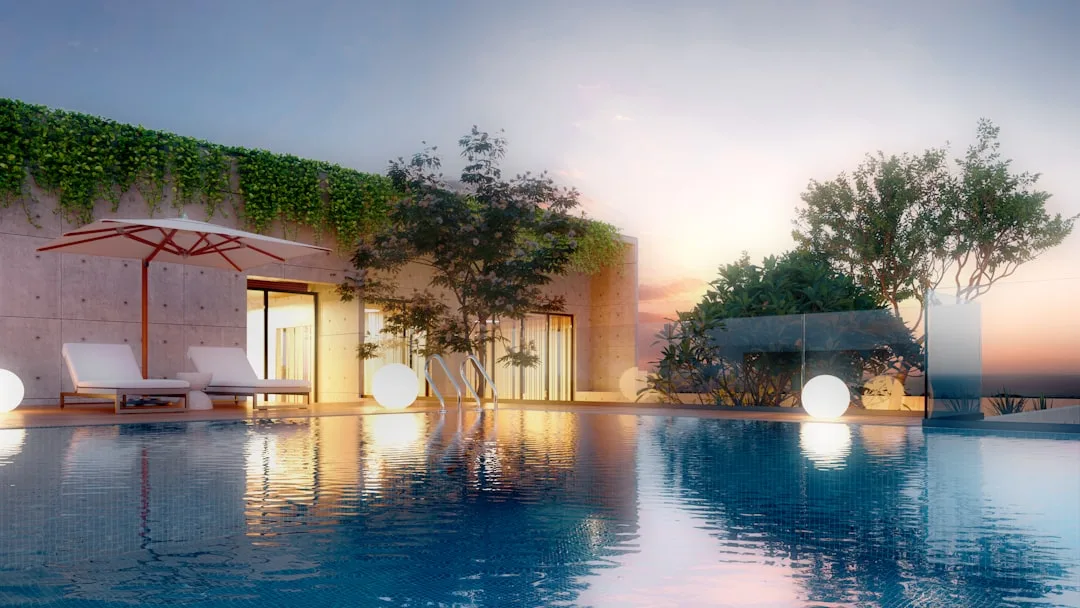
Airbnb Luxe and similar platforms have normalized short-term villa rentals, but nomadic luxury goes deeper. Properties are outfitted with heated pools, private wine cellars, home gyms with Peloton equipment, and in-unit spa facilities—not as upgrades, but as defaults.
Most critically, nomadic luxury accommodations employ onsite or 24/7 remote staff. A private chef can prepare breakfast before you leave for a morning hike; a housekeeping team handles laundry and turndown service; a concierge arranges helicopter transfers or private yacht charters.
Brands like Montage Residences and Four Seasons Private Residences have expanded specifically to serve this segment. When you book a Montage property in Laguna Niguel or Kapalua, you’re not just renting a residence—you’re gaining access to the resort’s full infrastructure: spa services, fine dining, fitness classes, and events, all without the feel of a crowded hotel lobby.
| Accommodation Type | Typical Amenities | Flexibility |
|---|---|---|
| Traditional Luxury Hotel | Gym, spa, restaurant, business center | Fixed nightly rate, one location only |
| Nomadic Luxury Villa | Private chef, pool, spa, wine cellar, staff | Multi-destination bookings, 5-30 day stays |
| Serviced Apartment | Furnished kitchen, housekeeping, concierge | Weekly or monthly leases, urban locations |
| Residence Club (Marriott) | Hotel-grade housekeeping, access to resorts | Points-based booking across properties |
How Remote Workers Are Reshaping the Market
Nomadic luxury has accelerated because of remote work culture. A hedge fund manager or management consultant no longer needs to stay in an office five days a week, which means they can live in a different city every two weeks without career consequence.
Luxury nomadic properties are now designed with dedicated office spaces, dual monitors, high-speed fiber, and quiet zones. The Ritz-Carlton has added a “residential” collection specifically for this: full apartments with kitchens and workspaces, distinct from traditional hotel rooms.
You’re paying premium pricing—typically $8,000–$25,000 per week for a high-end villa in Europe—but you’re not paying nightly hotel rates multiplied across a month. You’re locking in a flat rate for the entire month, often at a slight discount.
The Biggest Mistake: Confusing Volume with Quality
One common error: travelers assume that booking five different nomadic properties will deliver five equally refined experiences. It won’t.
A villa in Ibiza listed on a luxury platform might have stunning photographs but lack consistent housekeeping, reliable kitchen staff, or responsive management. You book based on images and reviews, arrive to find the property isn’t maintained to the standard you expected, and you’ve lost flexibility—you’ve already committed to a five-day stay.
The solution: work with established operators like Quintessentially or Curio Collection by Hilton who personally vet properties and maintain service standards. Yes, you’ll pay a markup, but you’re eliminating the risk of discovering a property is substandard after you’ve already checked in.
Integration with Travel Style and Fashion Choices
Nomadic luxury also intersects with how you pack and dress. When you’re moving across three countries in a month, your wardrobe strategy changes. How Fashion Influences Travel and Adventure: A Style Guide for Explorers outlines how location shifts demand flexible, context-appropriate clothing that works across urban, coastal, and resort settings.
Luxury nomadic stays assume you’re traveling with a professional wardrobe: business casual for evening dining, resort wear for daytime, and statement pieces for events. Valet laundry services mean you’re not repacking the same outfits; your clothes are cleaned and returned within 24 hours.
For longer stays involving cultural immersion—whether you’re spending time in Asia or Europe—proper research beforehand matters. Essential Tips for Traveling to China: What Every Traveler Should Know demonstrates how local customs shape both accommodation choice and what you bring, even for luxury travelers.
The Financial and Lifestyle Shift Ahead
By 2027, expect nomadic luxury to fragment into niches: wellness-focused compounds with yoga and nutrition programs, creative retreats for artists and writers, and family-oriented villas with private tutors and activity coordinators. The monolithic “luxury hotel” model will continue to shrink as a share of high-end travel spending.
The trend favors those with geographic flexibility, remote income, and the desire to live like a local rather than a tourist. Nomadic luxury accommodations don’t just change where you stay—they fundamentally reshape how you experience travel itself.