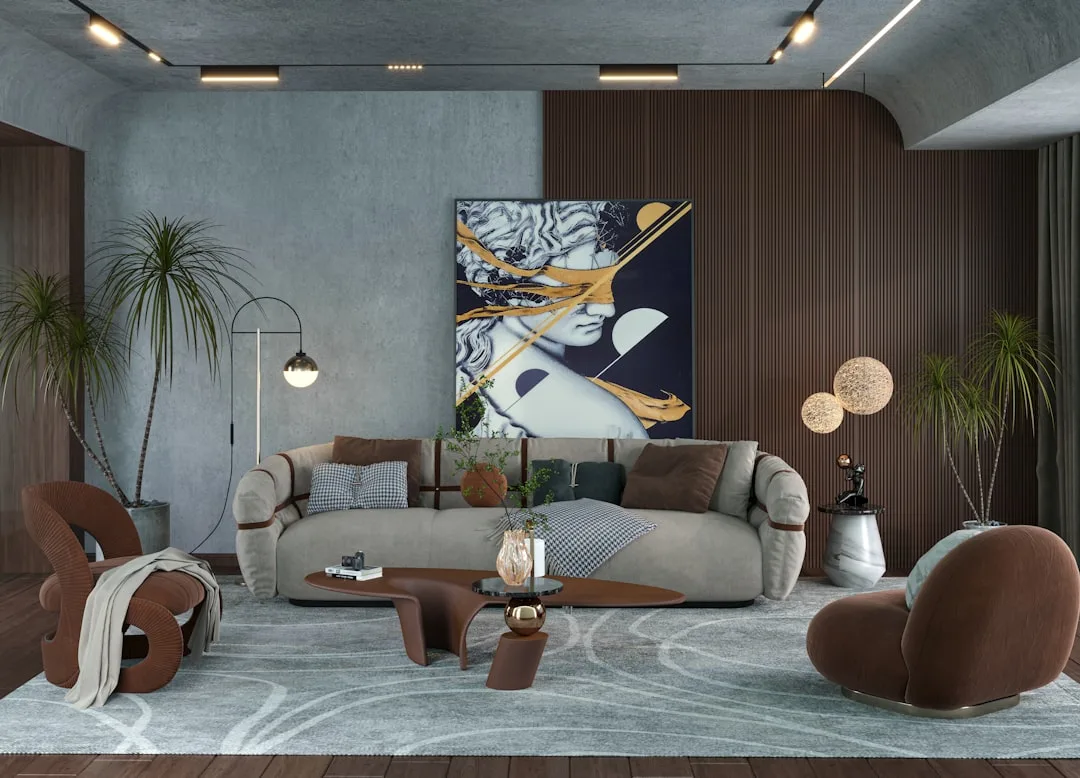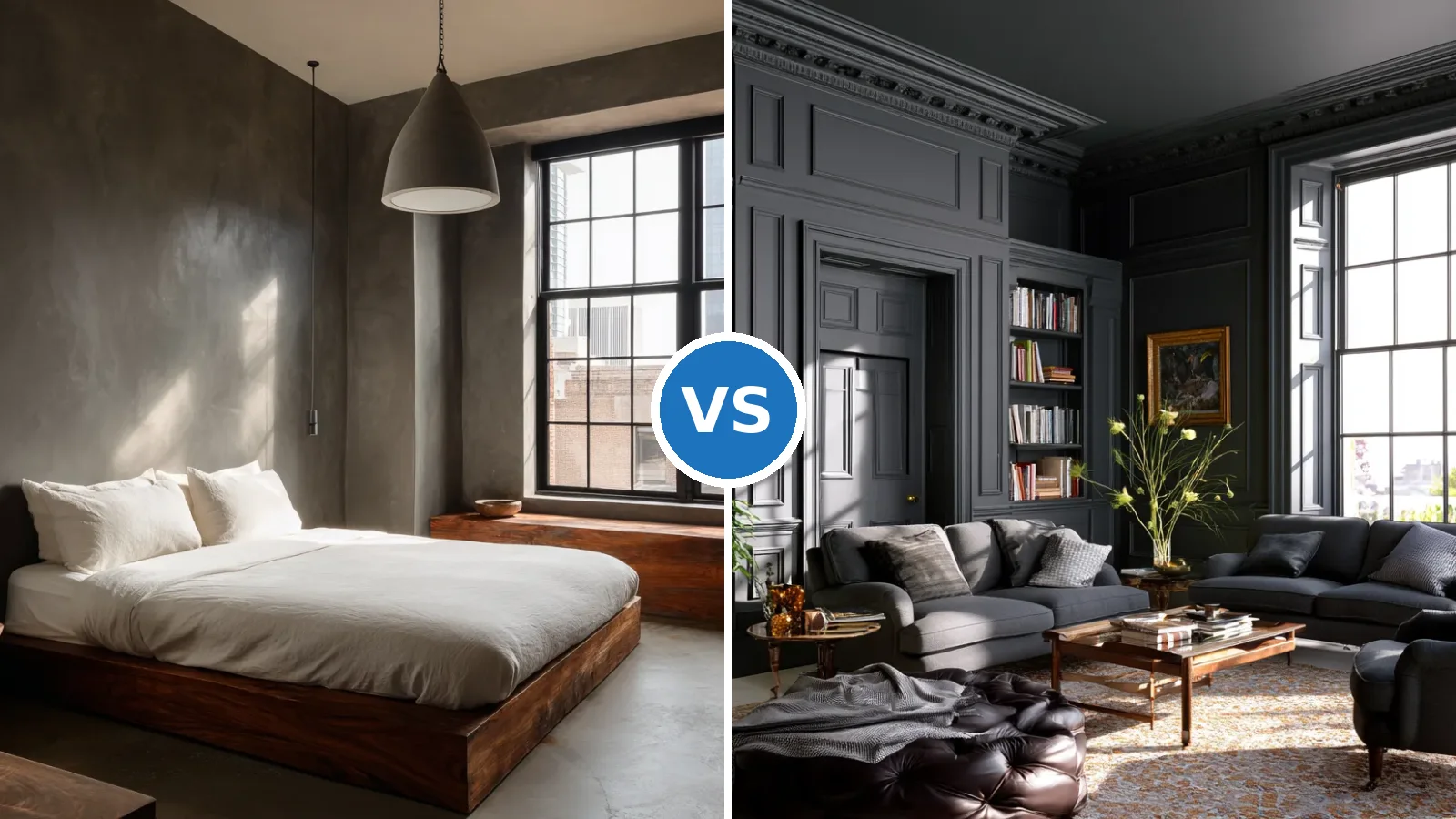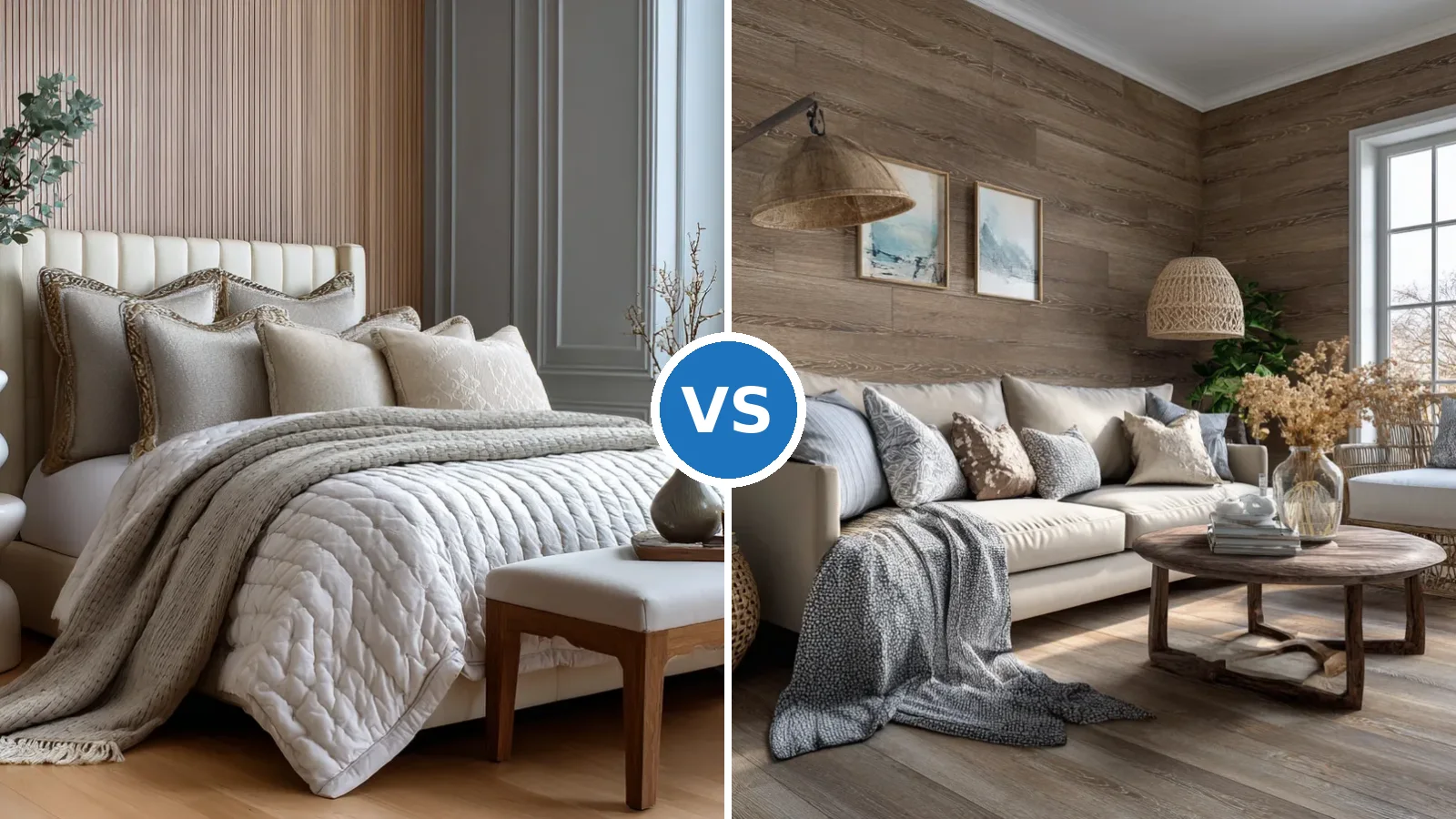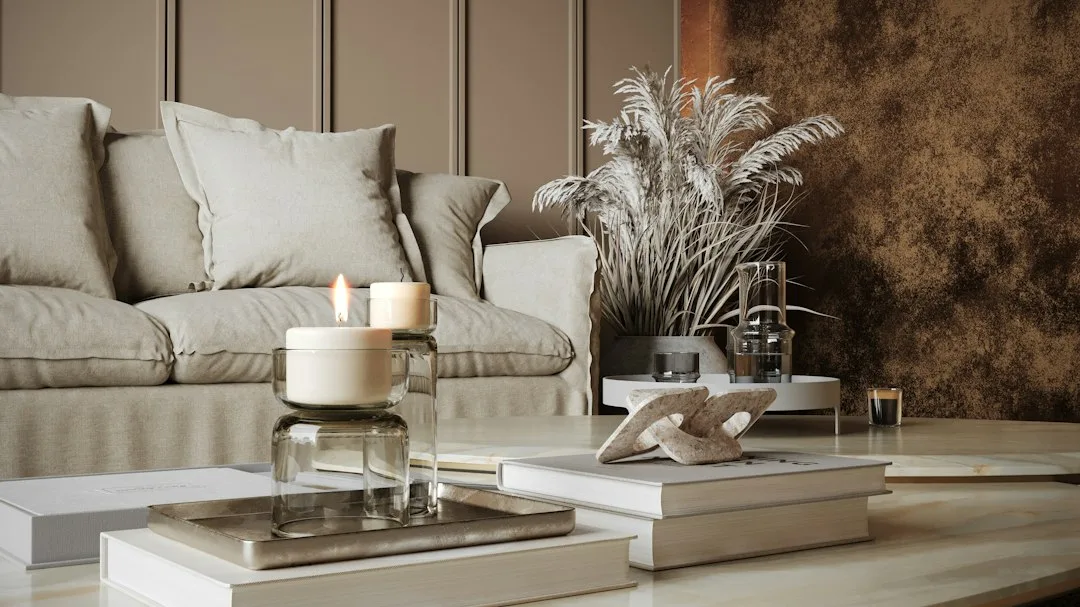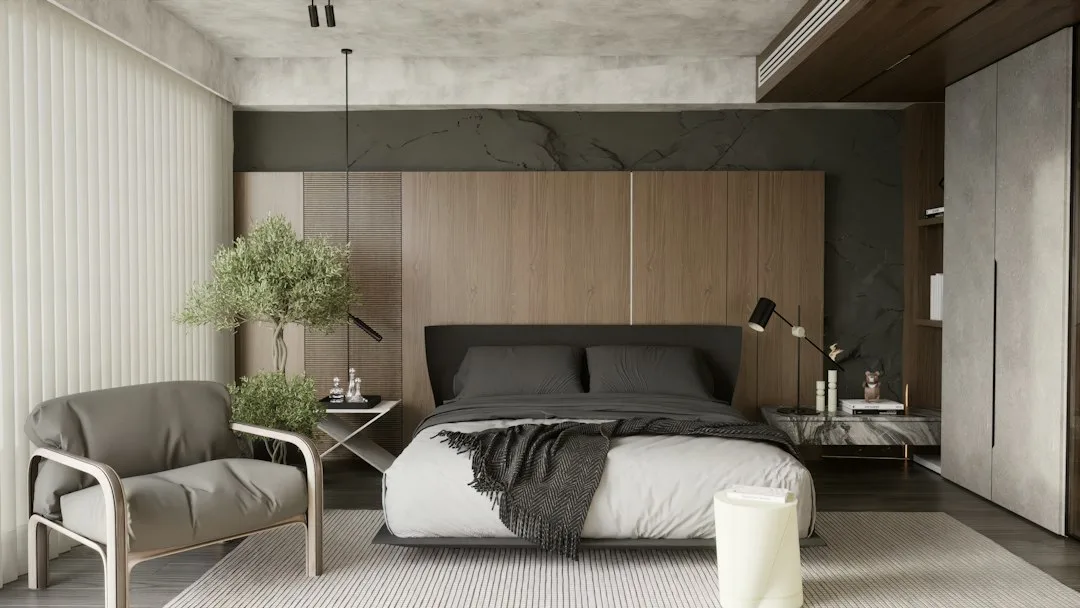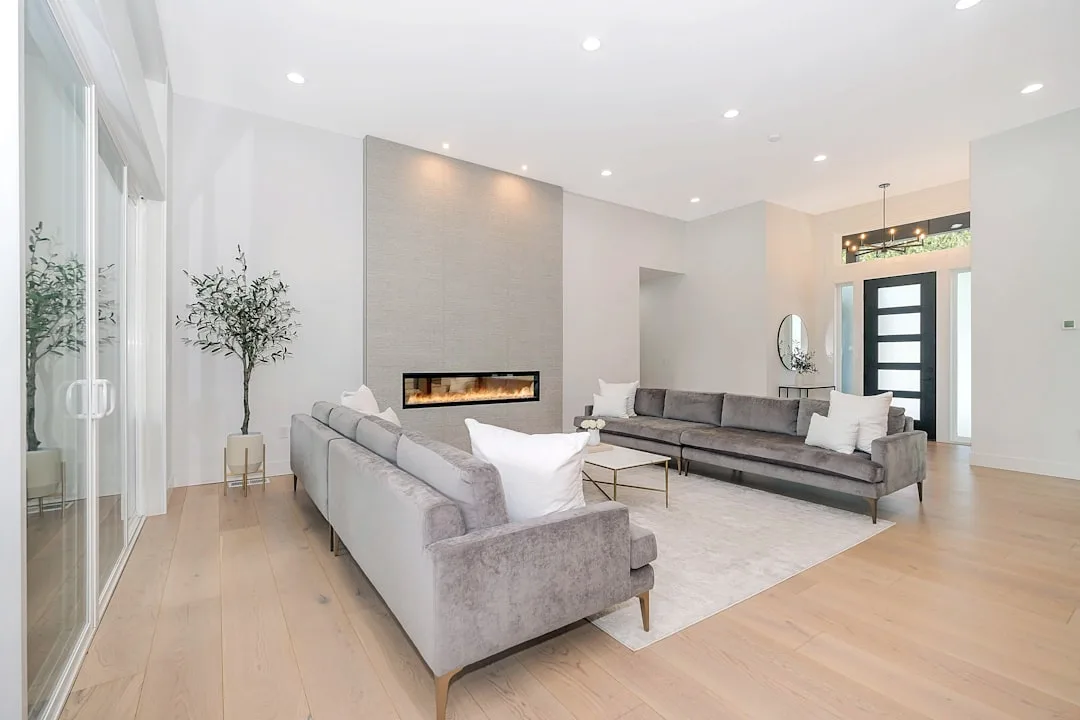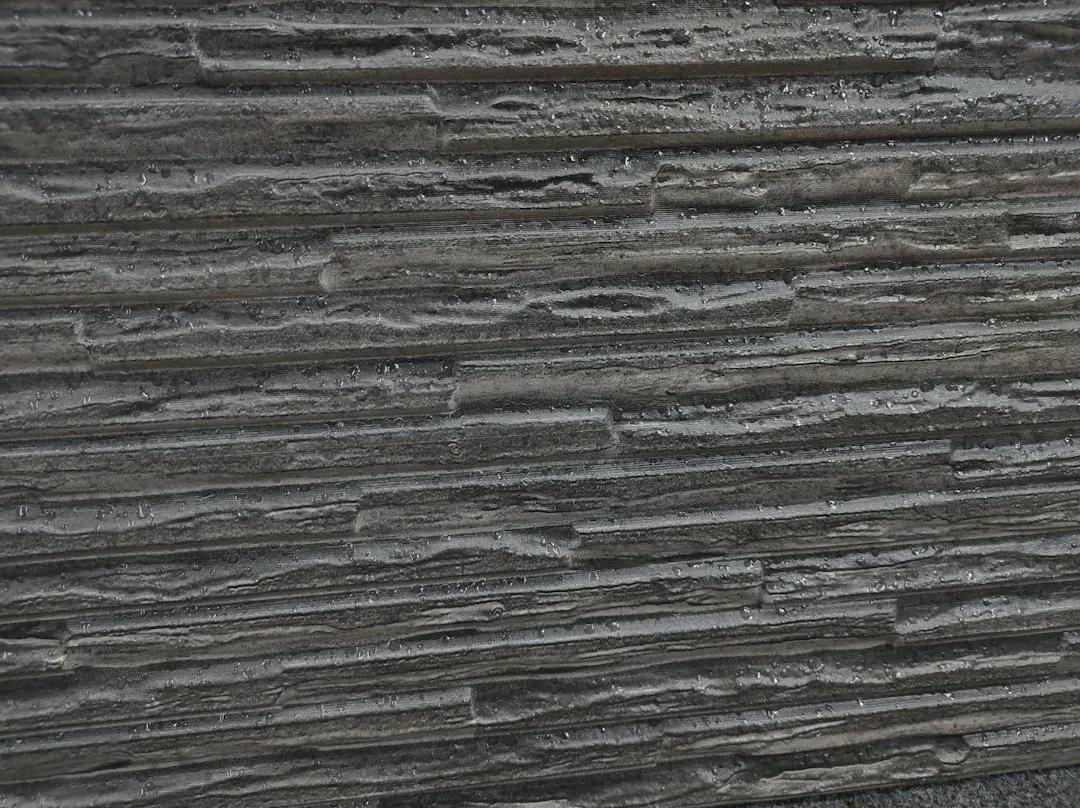
Walk into any high-end residential project this autumn and you’ll find the same design move repeated: a fireplace wall that demands attention. Fireplace feature walls have shifted from understated backdrop to primary architectural statement in 2026, commanding budget allocation and labor investment that previously went to flooring or ceiling work. This isn’t about fireplaces themselves—it’s about what surrounds them.
Why fireplaces anchor design narratives right now
Interior architects from London to Los Angeles are prioritizing fireplace surround investment because a single wall can solve three problems at once: it creates visual hierarchy, it justifies material spending, and it justifies staying in one room longer. Dimplex, the electric fireplace manufacturer, reported that 64% of their 2026 installations featured custom surround treatments rather than stock frames—a shift upward from 41% in 2024. The fireplace itself becomes secondary to the wall that frames it.
The psychology works because fireplaces trigger spatial memory. People linger. They orient furniture toward warmth. A well-designed fireplace wall makes a 16-by-12-foot living room feel intentional rather than accidental. When you add texture—stacked basalt, hand-applied plaster, or terracotta brick—you create depth that photographs well and performs better in real life than flat paint ever could.
This trend solves a genuine problem: neutral, open-plan homes felt cold in 2024 and 2025, not because of temperature but because they lacked compositional anchors. Homeowners bought expensive sofas and art but had nowhere to direct the eye. A fireplace wall fixes this in one move.
Quick Tips
- Start with a 6-inch-deep accent wall minimum; 12 inches is standard for textured materials
- Pair matte plaster with polished brass or blackened steel trim—contrast reads stronger
- Use a single material (stacked stone OR brick OR plaster) for visual clarity; mixing three textures creates chaos
- Ensure your hearth extends 18 inches minimum from the wall base for safety and proportion
- Vertical stacking reads as modern; horizontal running bond reads as traditional—choose one aesthetic
Material choices that separate statement walls from mistakes
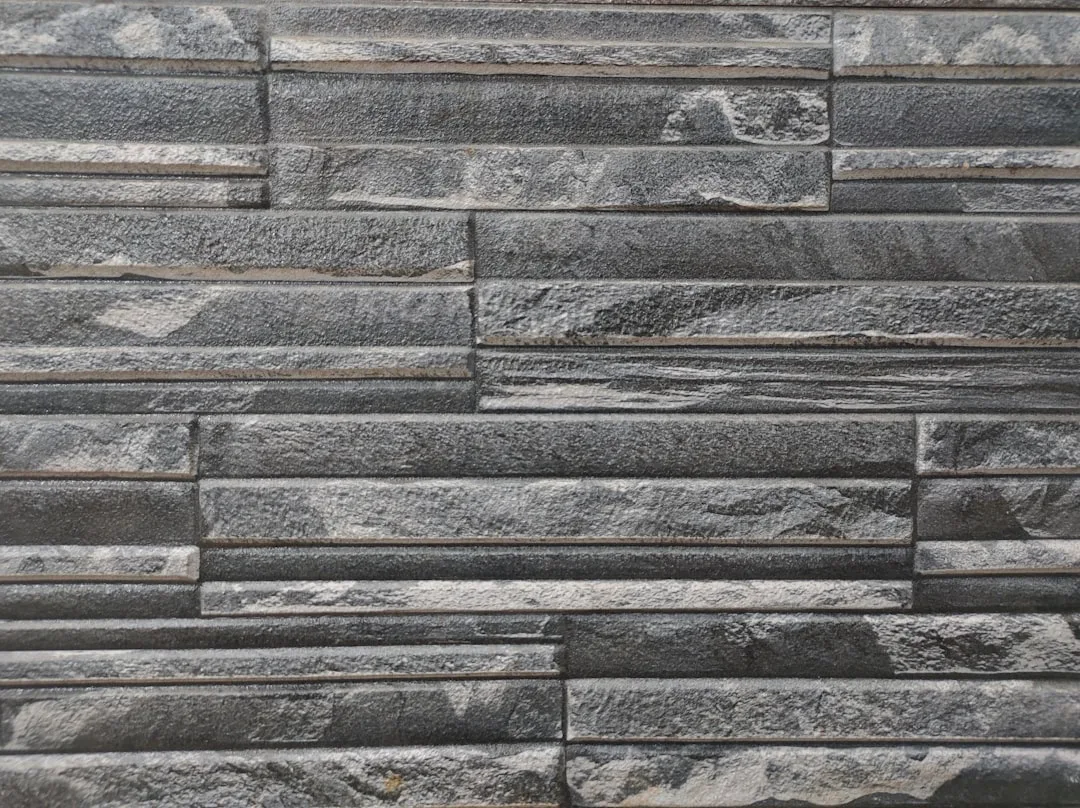
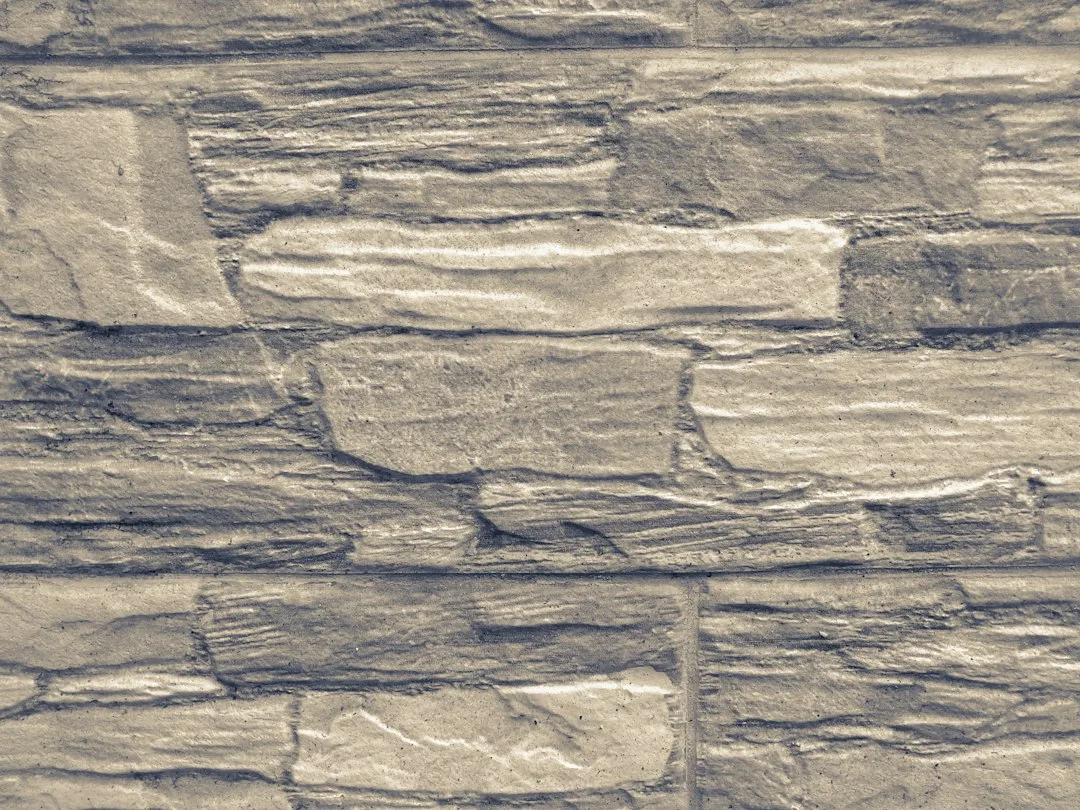
Basalt stone tile dominates the upper-market segment because it’s durable, dark enough to recede at night, and expensive enough to justify the design choice verbally. Each tile runs 8 by 16 inches or 12 by 24 inches, with natural cleft finishes that catch light at angles. Suppliers like Walls and Floors UK stock basalt in both honed (smooth) and split (rough) profiles, with split finishes costing 15–20% more but reading as more artisanal.
Terracotta brick appeals to maximalist and bohemian interiors, adding warmth where basalt adds drama. Handmade brick from producers like Wienerberger introduces color variation—ochre to rust to deep orange within a single wall—that feels custom even in residential projects. The material absorbs heat from actual fireplaces without cracking, unlike some engineered stone alternatives.
Lime plaster and Venetian plaster finishes work for interiors where budget is tighter. A single application of lime plaster costs less than one-third the price of full stone cladding. The trade-off: plaster requires annual sealing near the hearth and shows dirt faster than stone.
| Material | Relative Cost | Best For |
|---|---|---|
| Basalt Stone Tile | High | Modern, luxury, dark aesthetic |
| Terracotta Brick | Medium | Warm, bohemian, Mediterranean |
| Lime Plaster | Low | Budget-conscious, minimalist |
| Micro-Cement | Medium | Seamless, contemporary, rental-proof |
The mistake that ruins most fireplace projects
The single biggest failure mode: mixing materials without a visual hierarchy. A designer chooses basalt tile for the lower two-thirds of the wall, then adds Venetian plaster above the mantle, then introduces a wood beam, then adds brass shelving—and the eye doesn’t know where to land. Every element competes rather than cooperates.
Example: A recent London renovation attempted this layering across a 12-foot chimney breast. The homeowner spent £18,000 on materials and installation, but the result felt chaotic because three different textures were competing for attention without a clear organizing principle. When the designer returned and removed the upper plaster section, leaving only the stacked basalt with a simple brass rod above the mantle, the room finally settled. One strong material choice reads better than three competing ones.
The fix is discipline: select one primary material, one secondary accent (usually metal trim), and one background element (paint or plaster). That’s it. Let the primary material speak.
Integration with existing architecture and living spaces
A fireplace feature wall only works when it respects the room’s proportions and furniture scale. In a 14-foot-wide living room, a 7-foot-tall stone surround looks proportional. In a 20-foot space, that same surround reads as undersized—you need the wall to climb closer to the ceiling or widen beyond standard 36-inch hearth width.
How to Build a Beautiful Home with Stylish Interiors by Designing With a Purpose emphasizes the importance of composition within overall room layout. Furniture arrangement, material choices, and architectural focal points work together. Your fireplace wall should visually connect to the rug size, seating distance, and ceiling height of the entire room, not exist as an isolated statement.
Brass hardware and shelving accents amplify the fireplace wall without overwhelming it. Pairs of brass arms (priced in the £120–240 range) flanking the opening add sophistication and reflect light. Shelving above the mantle should feel minimal—two to three floating shelves maximum—so the stone or plaster remains the dominant visual element.
Color and finish coordination with surrounding walls
The surrounding room color must recede. If your fireplace wall features dark basalt, the adjacent walls should be warm white, soft greige, or pale warm taupe—anything that doesn’t compete. A common error is choosing a warm accent color for both the fireplace wall AND the opposite wall; this creates a visual ping-pong effect that exhausts the eye.
Matte or chalky paint finishes work best on secondary walls. Gloss or satin finishes on walls adjacent to a textured fireplace wall will read as shiny rather than sophisticated. The key is letting your feature wall dominate without the rest of the room fighting for attention.
Discovering Japandi Bedroom Design for Zen Interiors demonstrates how a single focal surface—whether a fireplace or a feature wall—improves spatial coherence when the rest of the room remains quiet. The same principle applies in living rooms: simplify everything else so the fireplace becomes the conversation point.
Future-proofing your fireplace feature wall investment
Fireplace surround design that endures past 2027 avoids novelty finishes and ultra-trendy colors. Basalt, terracotta, and quality plaster age beautifully—they develop patina and character rather than looking dated. Avoid bright accent colors in trim; blackened steel and warm brass remain neutral enough to last a decade.
Material durability matters. A fireplace wall in regular use needs materials that withstand temperature fluctuation and cleaning. Sealed stone and properly applied plaster both perform well; unsealed terracotta will dust over time and requires annual attention. Budget for this reality upfront.
The fireplace feature wall trend isn’t a short-cycle fashion—it solves a genuine design problem by creating spatial hierarchy in open-plan homes. Invest in quality materials and single-material clarity, and your wall will remain relevant regardless of what accent color trends dominate next season.
Related Topics