Sixty percent of basements experience water intrusion within the first ten years without active waterproofing—a statistic that ripples through home values, insurance claims, and structural integrity. Basement waterproofing systems have become non-negotiable in 2026 because foundation damage accelerates exponentially once moisture penetrates concrete. Unlike earlier generations of reactive repairs, today’s systems intercept water at multiple points: exterior membranes block groundwater before it touches foundation walls, interior drainage channels collect seepage before it pools, and intelligent sump pumps eliminate standing water automatically.
Why waterproofing trends now is simple: climate volatility. Heavier downpours, rapid snowmelt, and shifting water tables mean older homes built without modern drainage systems face real risk. Homeowners upgrading basements into living space, home offices, or wine cellars cannot tolerate even occasional dampness—mold colonizes drywall within 48 hours of moisture exposure.
Interior Drain Tile Stops Seepage at the Source
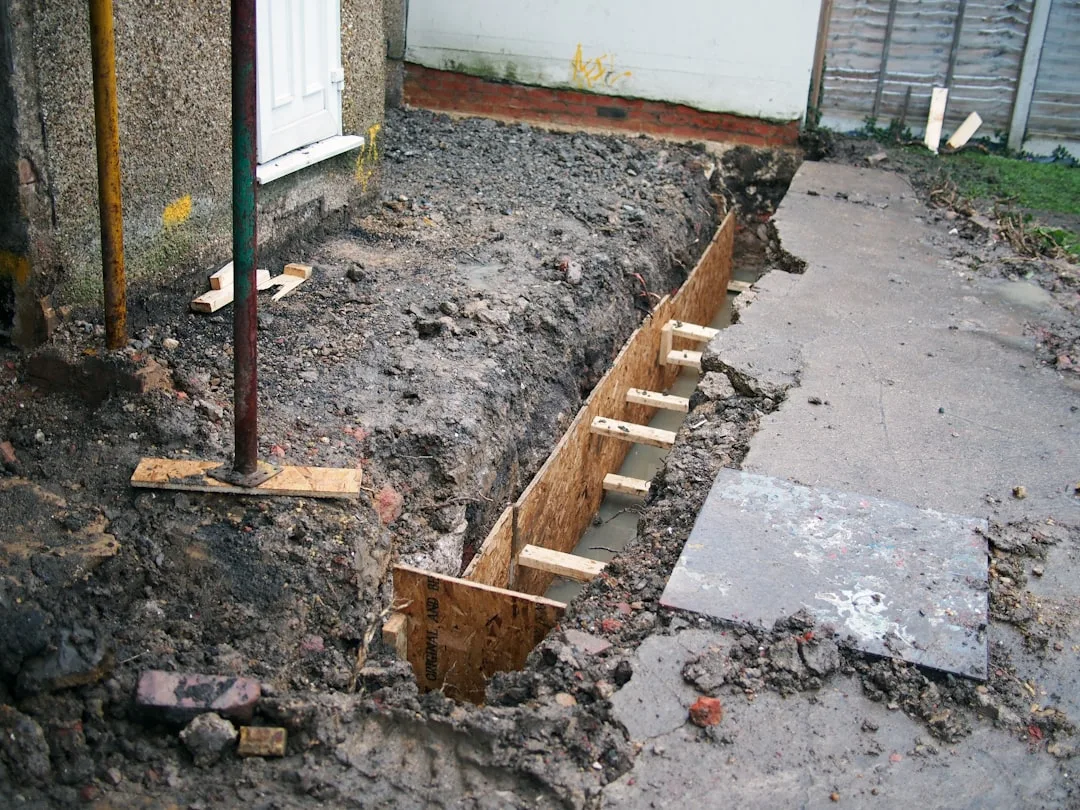
Interior perimeter drain systems have become the industry standard because they work regardless of outdoor grading or soil composition. The system uses perforated PVC pipe installed along the basement floor’s interior edge, covered by gravel and filter fabric, then connected to a sump pump basin. Water naturally migrates downward through soil; the drain captures it before it pools on your floor.
Waterproofing companies like Basement Systems (Connecticut-based, operates in 300+ locations) report that interior drain systems cost 40–60% less than exterior excavation while delivering identical protection in most scenarios. Installation takes 3–5 days and requires no yard disruption—critical for homeowners with mature landscaping or finished patios.
The perforated pipe itself matters. High-density polyethylene (HDPE) rated for 25-year lifespan won’t degrade under constant saturation, unlike older sump pump-only setups that relied on discharge alone.
Quick Tips
- Verify drain tile slope: pipe must pitch 1/8 inch per 10 feet toward sump basin to prevent ponding inside the line.
- Combine interior drainage with vapor barrier on basement floor slab to address both water and humidity migration.
- Request HDPE pipe with slot size under 0.030 inches to prevent soil infiltration that clogs perforations.
- Install backwater valve on sump discharge if your municipal sewer system backs up during heavy rainfall.
Exterior Waterproofing Membranes Block Water Before Foundation Contact
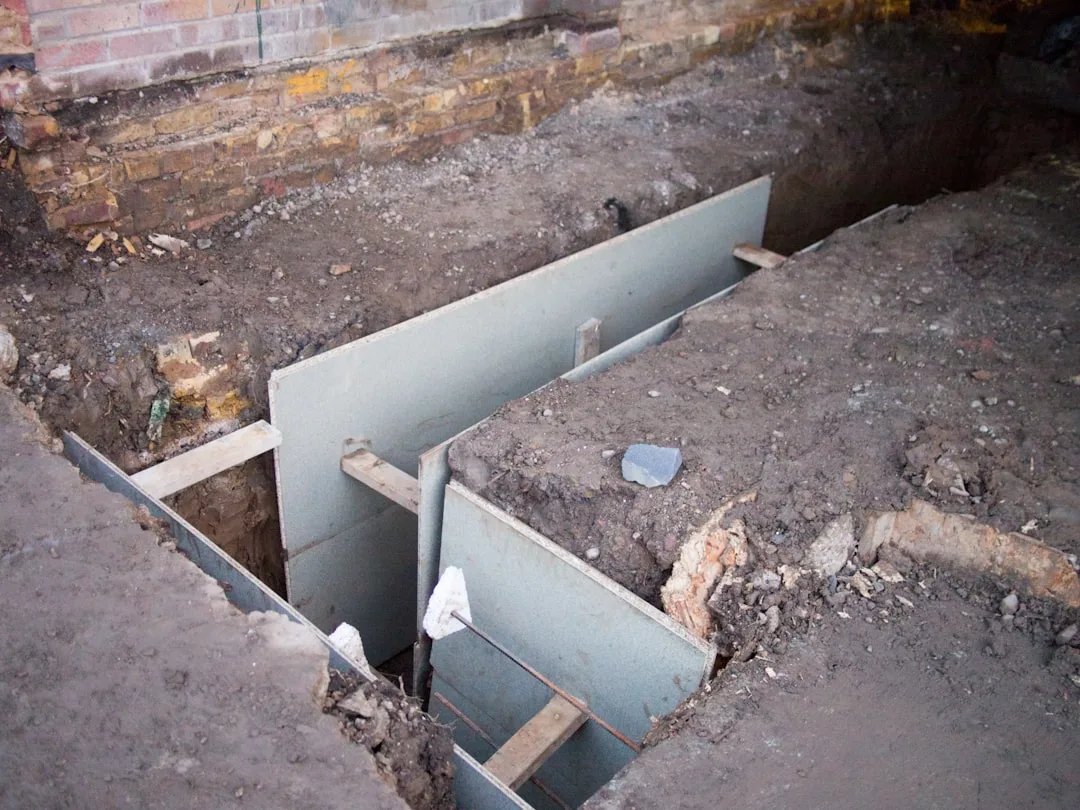
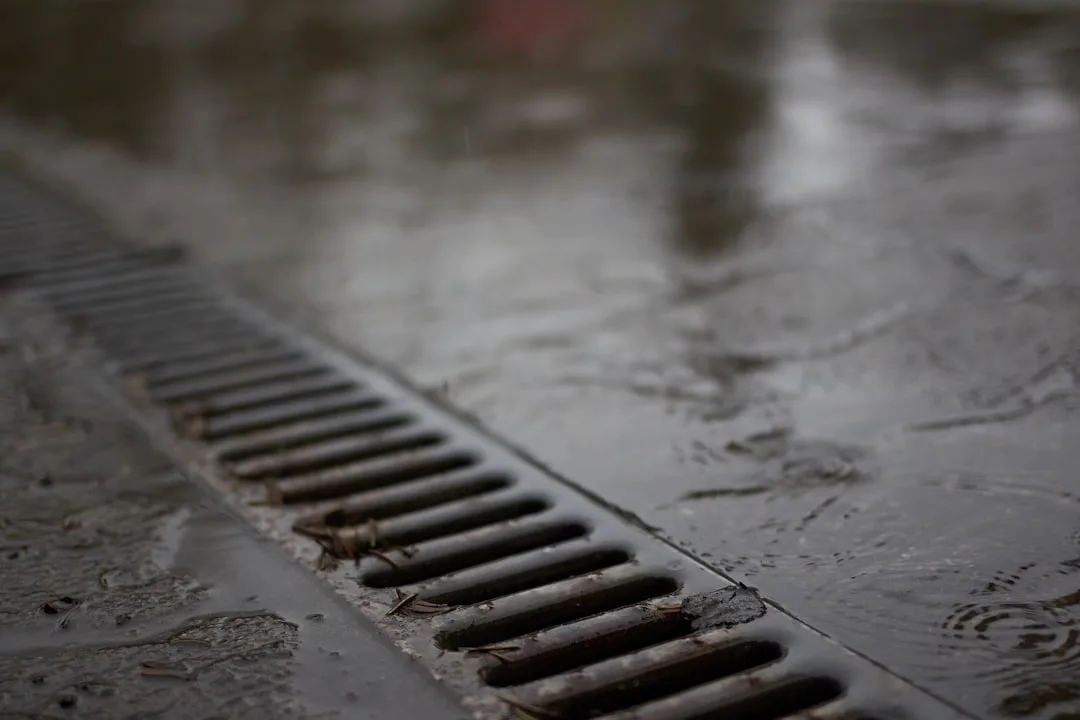
Exterior membranes attack the problem at entry point—coating the outside of foundation walls with elastomeric barriers that shed water sideways toward foundation drains. Two dominant types compete: spray-applied polyurethane membranes and sheet membranes (rubber or bentonite clay sheets adhered to concrete).
BASF’s MasterSeal range (polyurethane-based, spray-applied in 1/16-inch layers) is specified in roughly 35% of new construction and major renovations. The membrane stretches up to 400% elongation, so it bridges small foundation cracks without tearing. Durability: 20+ years when protected from UV by soil backfill.
Sheet membranes like bentonite clay barriers expand when wet, creating a seal that self-heals minor punctures. Cost trade-off: bentonite systems run approximately 20–30% cheaper than spray polyurethane but require meticulous installation around penetrations (pipes, footings) to avoid compromise.
| Waterproofing Method | Installation Time | Longevity |
|---|---|---|
| Interior Drain Tile | 3–5 days | 25+ years |
| Spray Polyurethane Membrane | 2–3 days | 20+ years |
| Bentonite Sheet Membrane | 4–6 days | 15–20 years |
| Interior Paint Sealant Only | 1–2 days | 5–7 years |
The #1 Mistake: Relying on Paint Sealant Without Drainage Infrastructure
The most expensive waterproofing failure occurs when homeowners or contractors apply only waterproof paint—usually epoxy or polyurethane coatings—without installing any drainage system underneath. Paint seals surface cracks visually but cannot redirect hydrostatic pressure (the force of water pushing against foundation walls from outside).
Real example: a Cleveland homeowner sealed her basement walls with premium epoxy paint in 2019, cost roughly $1,500. Within three years, water pressure behind the paint caused blistering; the paint failed in patches, water re-entered, and she eventually spent $8,000 on interior drain installation to actually solve the problem. The paint repair became throw-away money because it ignored the physics of water migration.
Paint works only as a secondary vapor barrier after primary drainage is installed. Never lead with paint; lead with drainage.
Smart Sump Pumps Add Redundancy and Remote Monitoring
Modern sump pumps transcend simple on-off switches. Zoeller Pump (Indiana-based manufacturer, leader in residential sump) and similar brands now integrate WiFi connectivity, allowing homeowners to receive alerts when the basin fills, pump cycles fail, or battery backup activates during power loss.
Dual-pump systems (primary pump plus standby) ensure continuous operation if the main pump fails—critical during heavy rain when a single pump cannot keep pace. Battery backup units power the secondary pump for 6–8 hours during outages, preventing basement flooding when the grid goes down.
Smart monitoring costs approximately $30–50 per month via subscription services or one-time device purchases in the $200–400 range, replacing the old method of discovering pump failure only after water damage appears. DIY plumbing maintenance can extend sump pump life, but professional installation and monitoring systems add the redundancy that prevents catastrophic loss.
Combining Systems Delivers Complete Protection
The waterproofing approach gaining traction in 2026 integrates all three layers: exterior membrane to repel surface water, interior drain tile to capture seepage, and intelligent sump pumps to eliminate standing water. This defense-in-depth model reduces the chance of any single failure point causing damage.
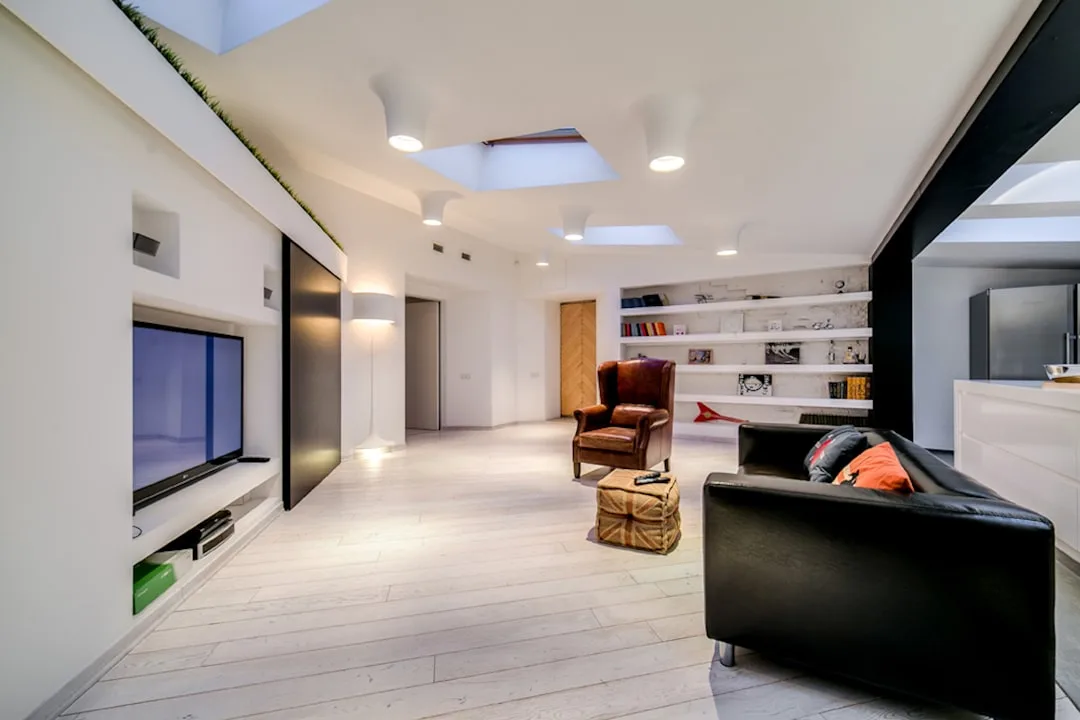
Homeowners upgrading basements for value—finishing them into guest suites, home theaters, or home offices—routinely combine these systems because water intrusion destroys drywall, insulation, and flooring investments instantly. Professional junk removal services handle the cleanup after water damage, but prevention costs far less than restoration.
Budget planning: exterior membrane plus interior drain installation combined typically ranges from $6,000–15,000 depending on basement size and soil conditions, while dual-pump systems with smart monitoring add another $1,500–3,000. A single flood event causing structural damage, mold remediation, and contents loss easily exceeds $30,000—waterproofing investment pays itself back within two claims-free years.
The trend reflects rational risk management, not luxury. As water events intensify globally, basement waterproofing systems shift from optional upgrades to baseline home maintenance.