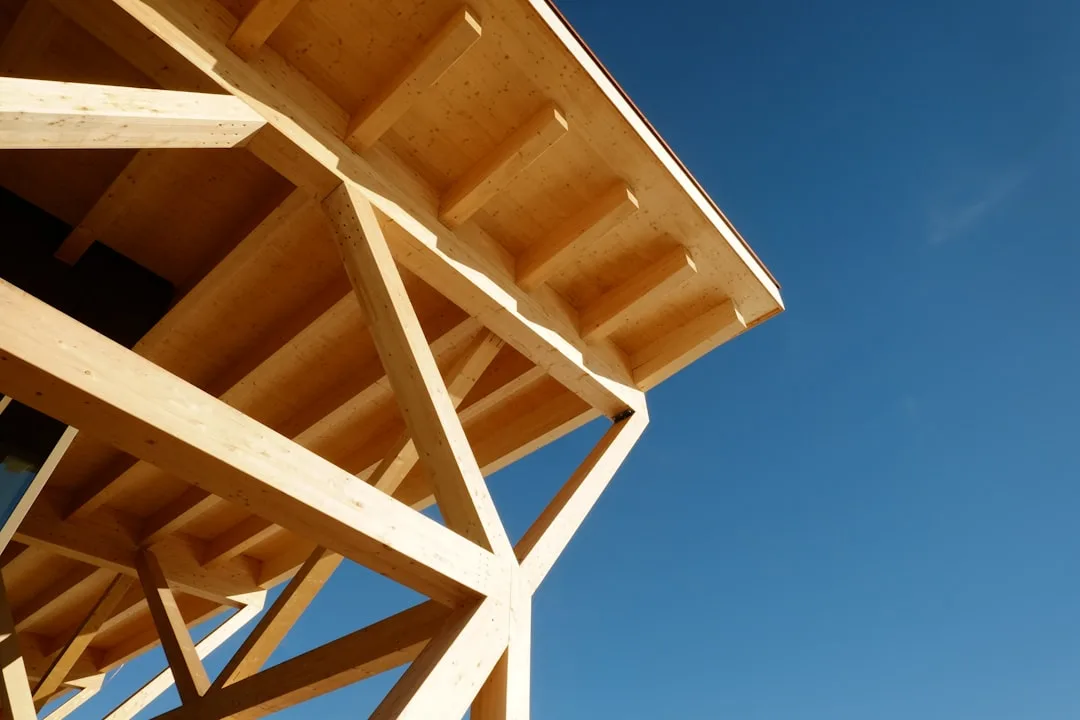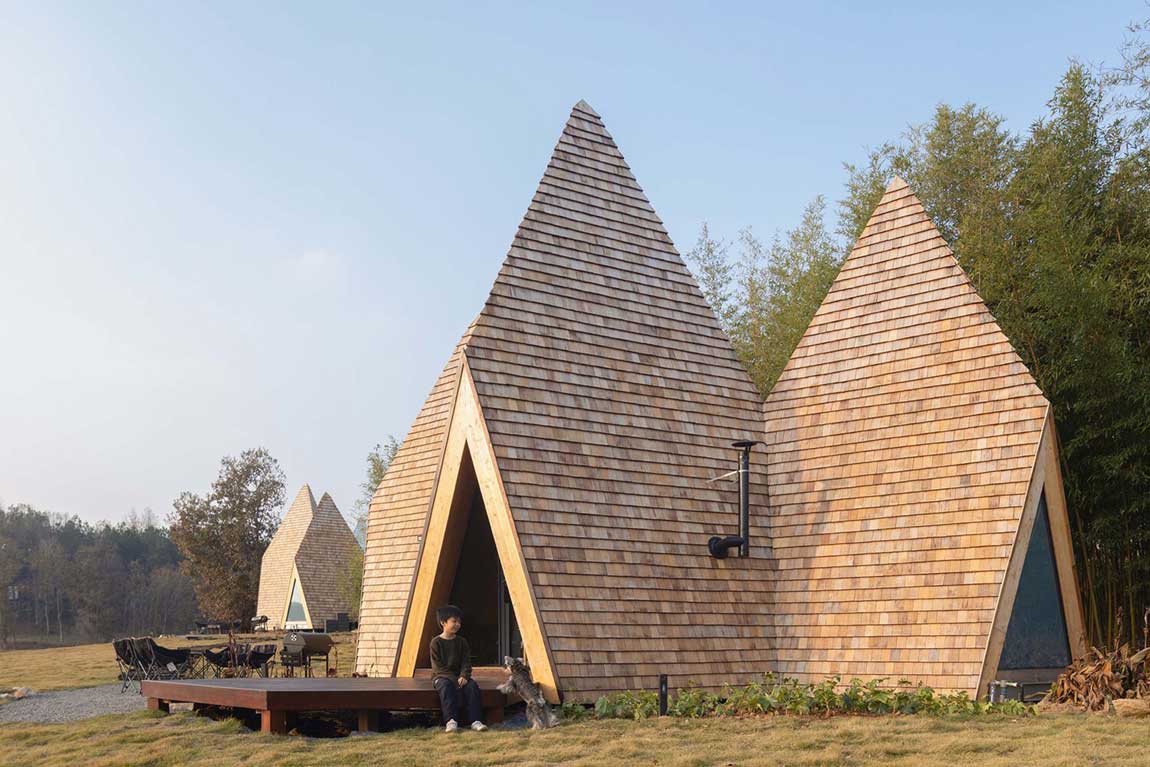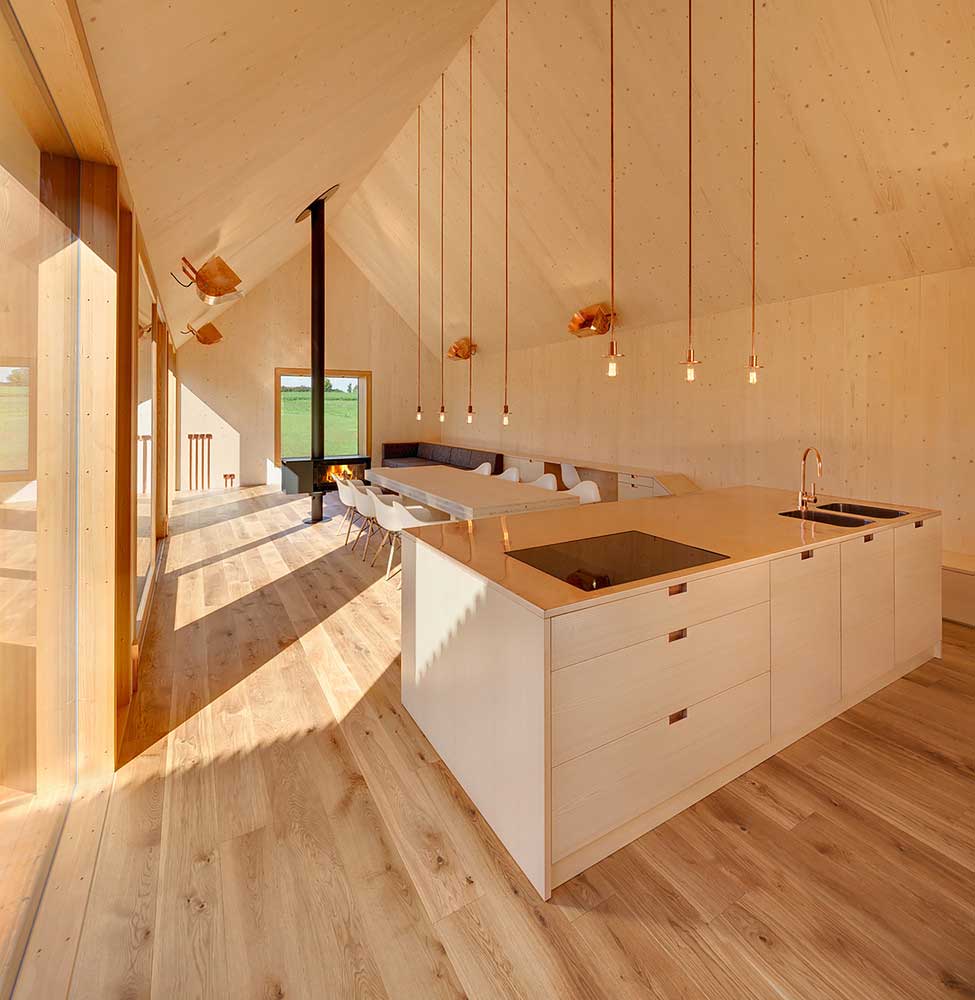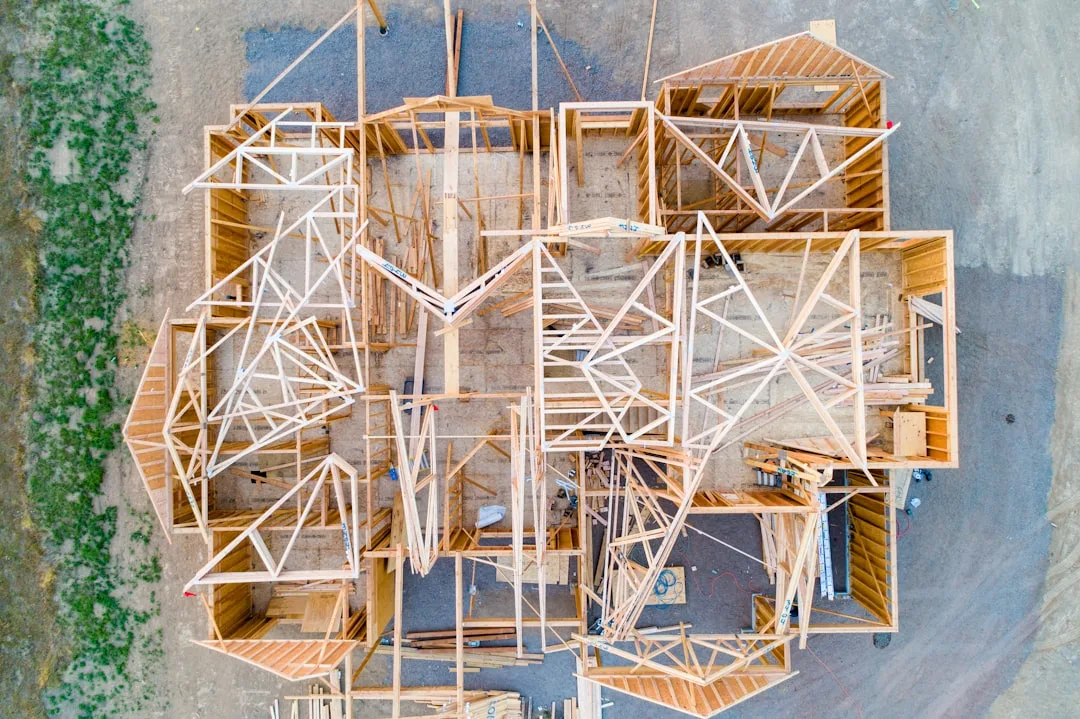
A 12-story residential tower in Vienna stands frame-complete after eight months on site, its massive timber panels bearing loads that structural engineers once reserved exclusively for concrete and steel. Cross-laminated timber—CLT—has arrived as the structural workhorse of 2026, not a niche alternative. The material dominates permitting cycles in North America, Europe, and Asia because it solves three crises simultaneously: embodied carbon, construction speed, and supply chain fragility. Where steel requires months of fabrication and concrete demands on-site curing time, CLT panels arrive pre-cut to millimeter tolerances, stack in days, and demand zero thermal mass correction.
CLT Manufacturing Captures Carbon Before Installation
Cross-laminated timber bonds 3–7 layers of kiln-dried softwood lumber perpendicular to one another using formaldehyde-free polyurethane adhesive, creating panels that range from 5 to 14 inches thick and span entire floor plates. The manufacturing process stores 1–1.5 metric tons of carbon per cubic meter of timber—carbon the tree absorbed over 40–80 years of growth. Katerra (now bankrupt but its patents licensed to Stora Enso and Binderholz) pioneered North American production; Binderholz CLT panels cost approximately $800–$1,200 per cubic meter, versus structural steel at $1,400–$2,100 per ton when accounting for fabrication, fireproofing, and thermal breaks. A typical five-story mixed-use building avoids 400–600 metric tons of CO₂ emissions by choosing CLT over steel-concrete hybrid framing, equivalent to removing 85 passenger vehicles from roads for one year.
Quick Tips
- Specify fire-rated CLT with intumescent coatings (adds 8–12% cost but meets 2-hour fire ratings).
- Request mill certifications for moisture content (12% ±2%) to prevent expansion gaps at connections.
- Plan mechanical rough-ins before delivery; CLT doesn’t tolerate post-installation drilling through load-bearing faces.
- Source from mills within 500 miles to minimize shipping carbon payback (typically recovers in 2–3 years vs. steel).
| Material | Embodied Carbon (kg CO₂/m³) | Installation Time (per floor) |
|---|---|---|
| CLT (Binderholz, 7-ply) | −200 to +50 | 5–7 days |
| Steel frame + composite deck | 850–1100 | 14–21 days |
| Cast-in-place concrete | 400–600 | 21–28 days |
| Laminated veneer lumber (LVL) | 100–250 | 10–12 days |
Speed Advantage Reduces Labor and Finance Costs
A 120-unit residential project in Portland, Oregon, completed structural phase in 14 weeks using CLT versus the 24-week baseline steel-concrete method. Financing costs alone saved $340,000 because the project reached lease-up four months earlier, compressing interest-carry from 18 to 14 months. Labor efficiency drives deeper savings: crane operators manage full-floor CLT placement in single 8-hour shifts, whereas steel requires bolting crews across multiple day-shifts. Stora Enso’s CLT product line (sourced from sustainably managed Scandinavian forests) costs $950–$1,100 per cubic meter and contracts within ±1mm tolerances, eliminating shimming at connections that plagues steel work.
Fire Performance and Hidden Weakness in Unprotected Exposure
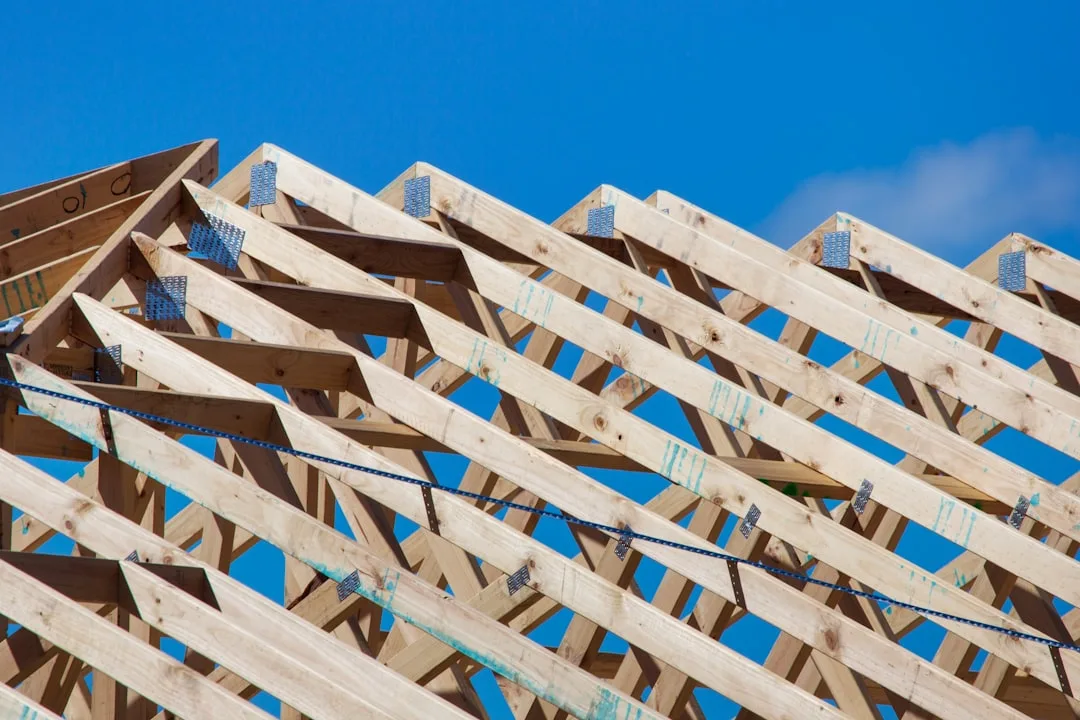
This is where CLT fails spectacularly if architects misunderstand char layers. Bare CLT burns slowly—the outer laminae char at ~0.6mm per minute, creating an insulating barrier that slows interior combustion. A 7-ply panel (7 inches thick) achieves 2-hour fire ratings without additives because the char layer protects unburned wood underneath. However, unprotected edges, mechanical chases, and connection points remain the failure vector. A 2024 warehouse fire in British Columbia consumed an entire CLT structure because edge-to-edge connections relied on open web trusses instead of membranes; flames traveled through the connection void and ignited multiple floor plates simultaneously. Always specify protective membranes around all CLT perimeter edges and require passive fire-stopping at every mechanical penetration—cost: $12–$18 per linear foot, non-negotiable. Intumescent coatings add $4–$6 per square foot but guarantee additional insulation during fire exposure.
Supply Chain Concentration and Material Lead Times Define 2026 Feasibility
Three manufacturers control 68% of North American CLT production: Katerra (licensed patents through Stora Enso), Nordic Engineered Wood, and Timeberline. Lead times stretch 16–20 weeks because mills cannot stockpile finished panels—moisture content drift ruins tolerance and structural performance within 4–6 weeks of completion. Specify CLT no later than design development phase; permitting delays cost $8,000–$15,000 per week in pushed-back delivery slots. European producers (Stora Enso, Schilliger, Hasslacher) ship transatlantic, adding 6–8 weeks ocean transit and custom tariff clearance. For projects under 15,000 square feet, evaluate whether standard dimension lumber with engineered connections delivers acceptable performance; geometric wood wall design principles apply equally to timber-frame and CLT hybrid systems, preserving aesthetic choice. Regional mill proximity determines final cost: West Coast projects save 18–22% by sourcing Timeberline CLT versus shipping Stora Enso across continent.
Moisture Management and Connection Design Determine Longevity
CLT’s carbon advantage evaporates if panels swell and crack after installation. Maintain 12% ±2% moisture content from manufacture through installation; humidity levels above 16% trigger expansion that breaks connections and cracks finishes. Dowel-laminated timber alternatives (like Xlam’s product line at $850–$1,050 per cubic meter) tolerate slightly higher moisture because mechanical dowels absorb shear stresses without relying on glue-line integrity. Specify stainless-steel slip-fit connections that allow 0.75-inch vertical adjustment without fastener distress; this detail costs $220–$380 per connection but prevents the cascading failures common in rigid bolted systems. Install vapor barriers on bottom faces during construction and maintain drying time post-closure before interior insulation sealing—moisture trapped between CLT and interior membrane causes mold and structural rot within 18–36 months, requiring panel replacement at $45,000–$120,000 per floor depending on unit count.