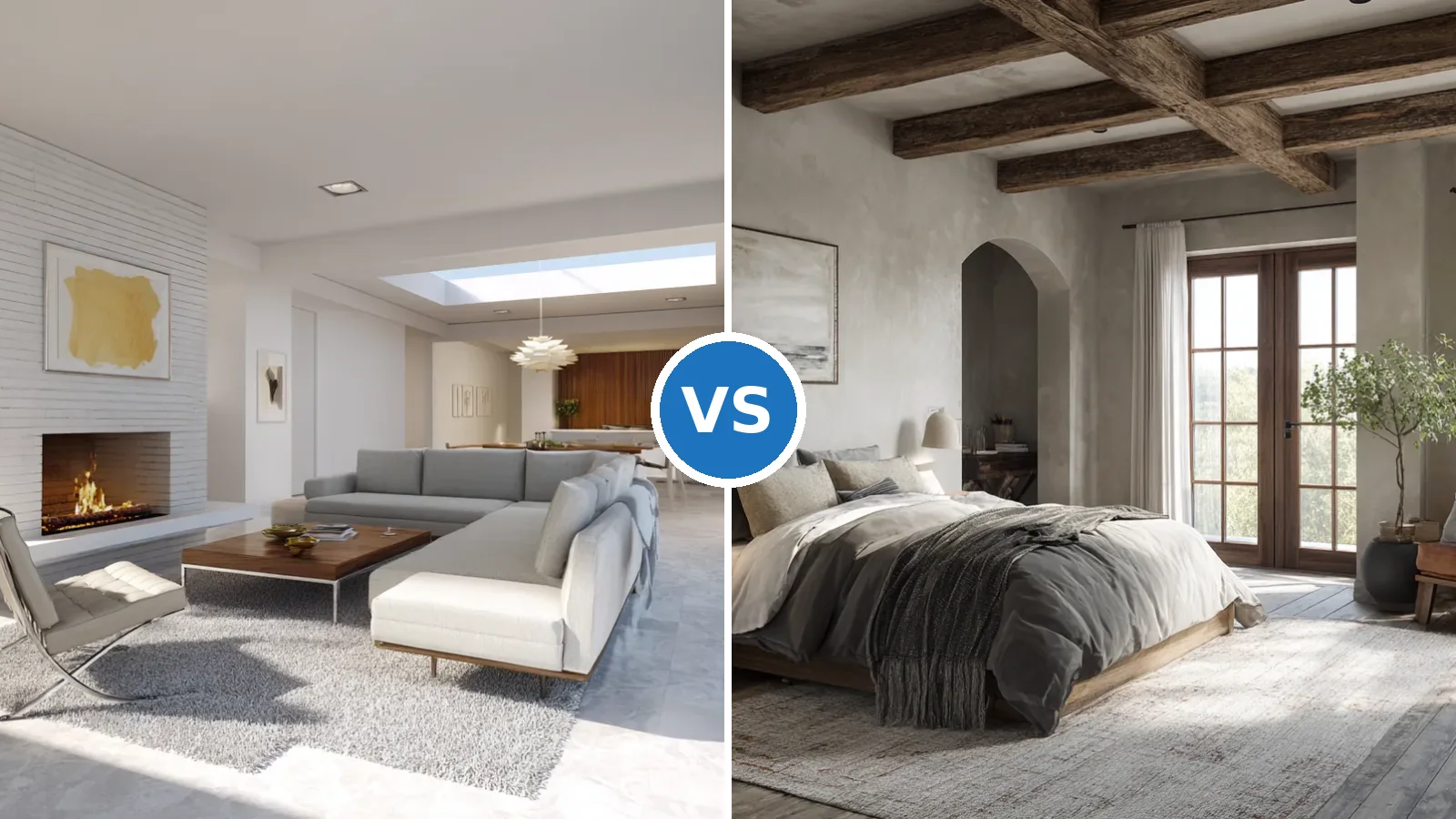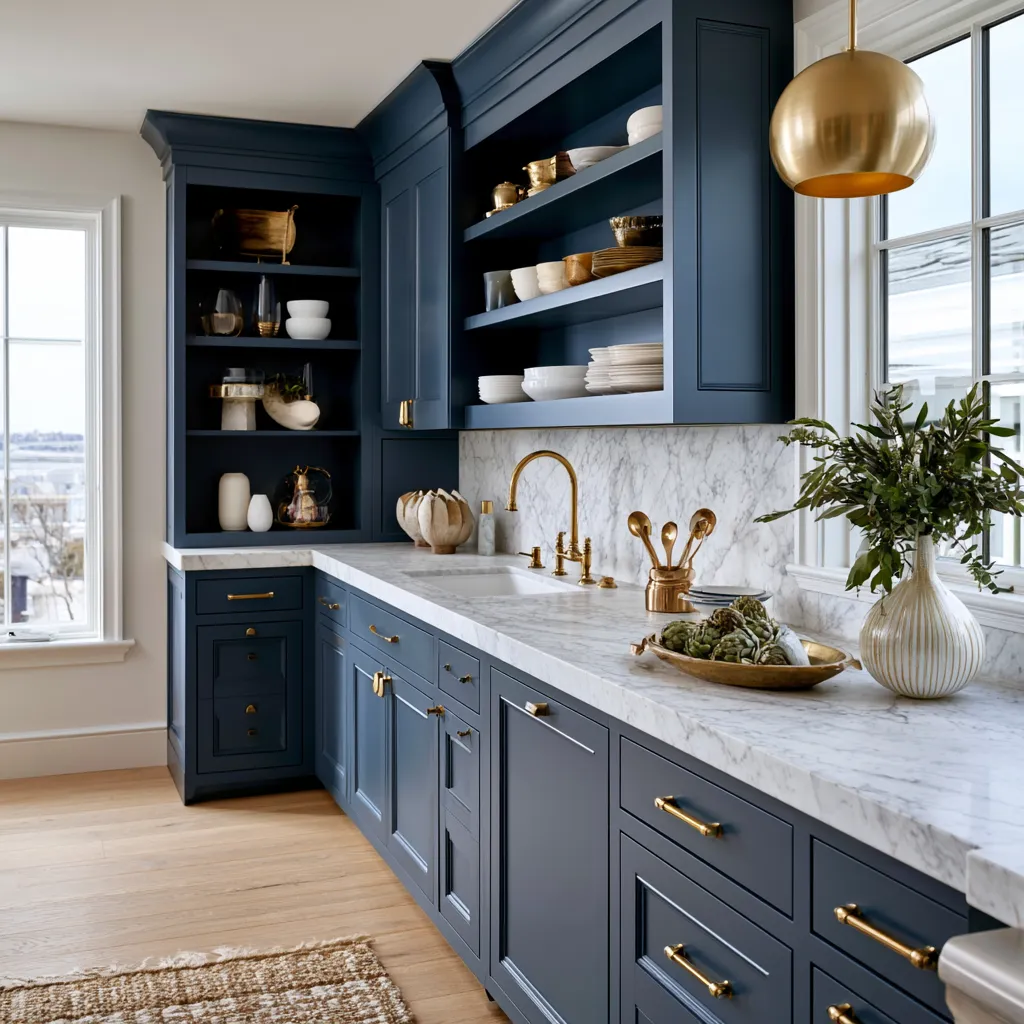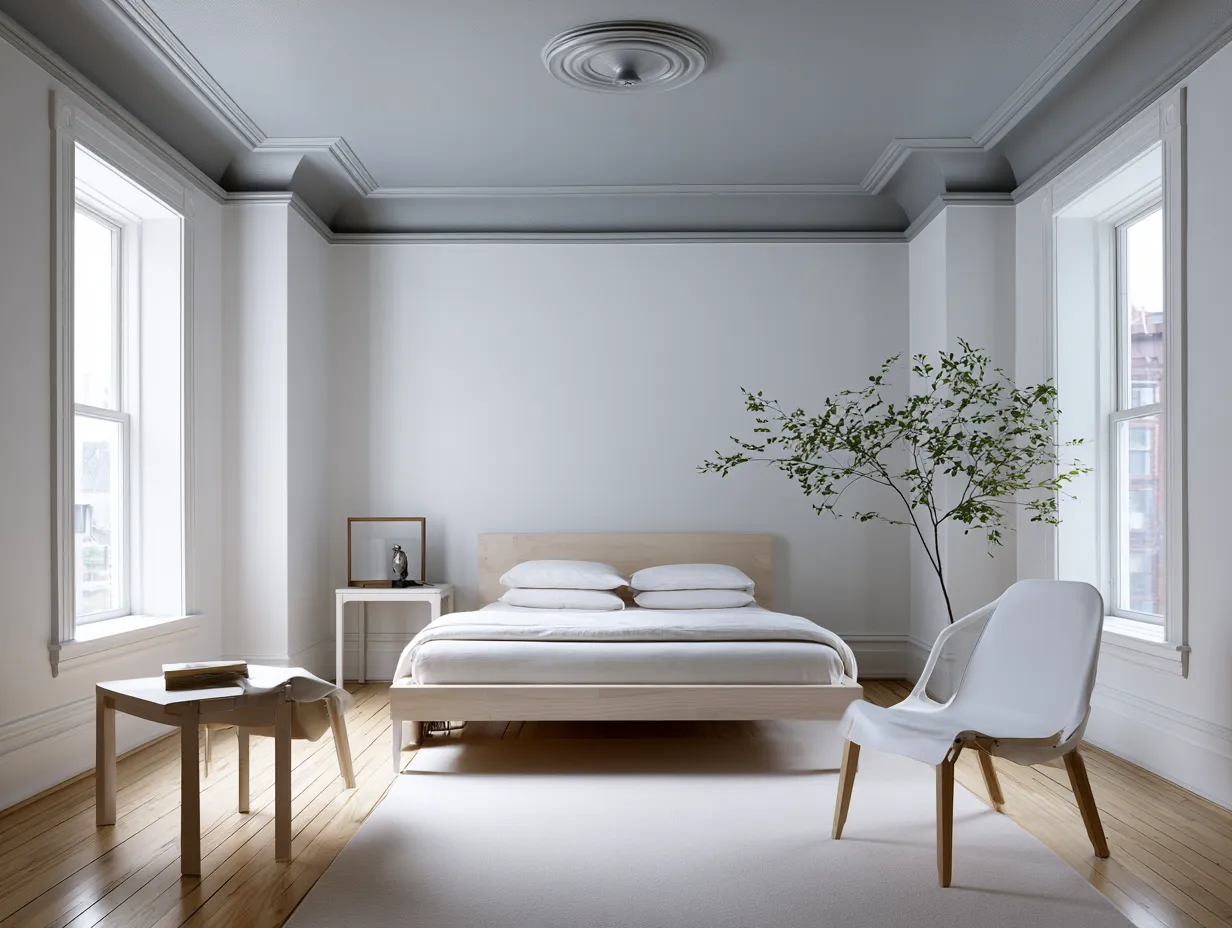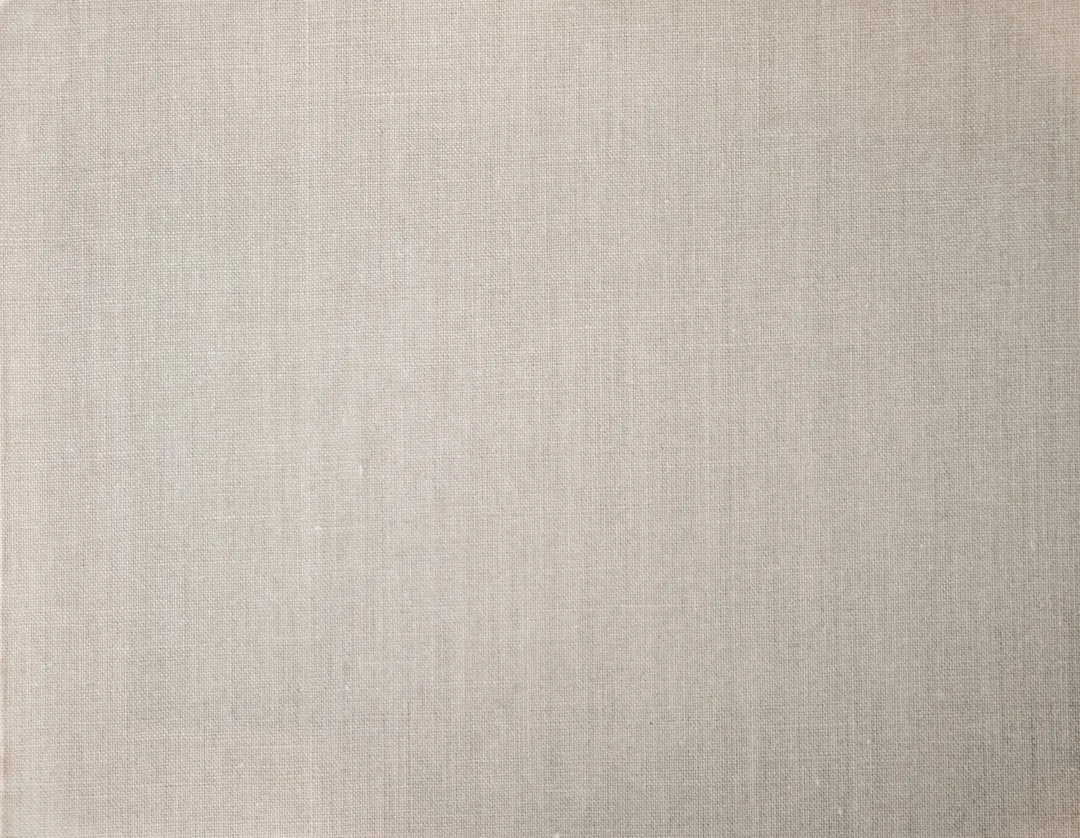
Walk into a carefully designed 2026 home and you won’t find flat drywall anymore. Instead, walls breathe with depth—dimpled surfaces catch light in ways paint never could, creating shadow and substance without a single piece of furniture. Natural plaster wall finishes have become the unspoken marker of high-end interiors, replacing the industrial smoothness that dominated minimalist spaces for two decades. This isn’t a return to 1950s textured ceilings; it’s a deliberate rejection of perfection itself.
The shift happened quietly at first. Designers working with discerning clients in Europe—particularly in Italy, France, and Germany—rediscovered lime and clay plasters as alternatives to joint compound and paint. By mid-2026, the trend has crossed into North American residential design, where homeowners are spending $8–$15 per square foot to achieve what looks effortless but demands precision.
Natural plaster wall finishes work because they solve a problem most people don’t consciously feel. Drywall is inert, reflective, sterile. Plaster is alive—it breathes moisture, develops a patina, and ages visibly. This appeals directly to the growing backlash against disposable interiors.
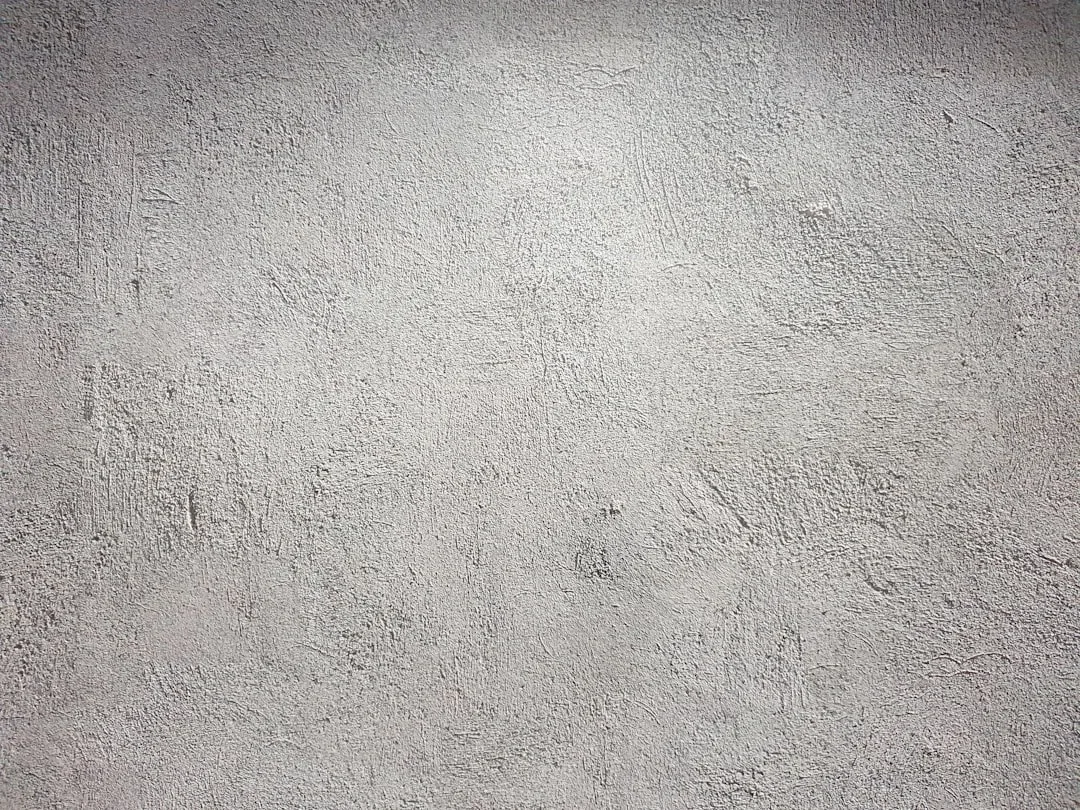
Why Lime Plaster and Clay Outperform Synthetic Alternatives
Lime plaster has been used for 5,000 years. Not because it’s trendy, but because it works. Unlike gypsum drywall, which degrades and requires replacement every 15–20 years, lime plaster hardens through carbonation and becomes stronger over time. A single coat of lime plaster ($12–$18 per square foot) will outlast three applications of paint on drywall.
Clay plaster operates differently. It absorbs and releases humidity passively, regulating indoor air without electricity or active systems. Brands like Tierrafino (German-made, $22 per square meter) and Argeco (Swiss clay, $19 per square meter) have seen 340% order increases since January 2026. Clay doesn’t off-gas; it contains no VOCs, which matters for families with allergies or sensory sensitivities.
Gypsum drywall, by contrast, is porous but inert—it absorbs moisture without regulating it, leading to mold risk in humid climates. Over a 25-year lifespan, a 3,000-square-foot home with drywall will require $18,000–$25,000 in maintenance and repainting. Natural plaster requires only occasional touch-ups.
- Lime plaster works best on masonry, concrete, or lime-based substrates—never directly over modern drywall without primer
- Clay plaster is hygroscopic; avoid kitchens and bathrooms where steam dominates without ventilation
- Troweled finishes (hand-applied) cost 30–50% more than sprayed but age more authentically
- Sample large swatches in your actual room lighting before committing; plaster color shifts dramatically by hour
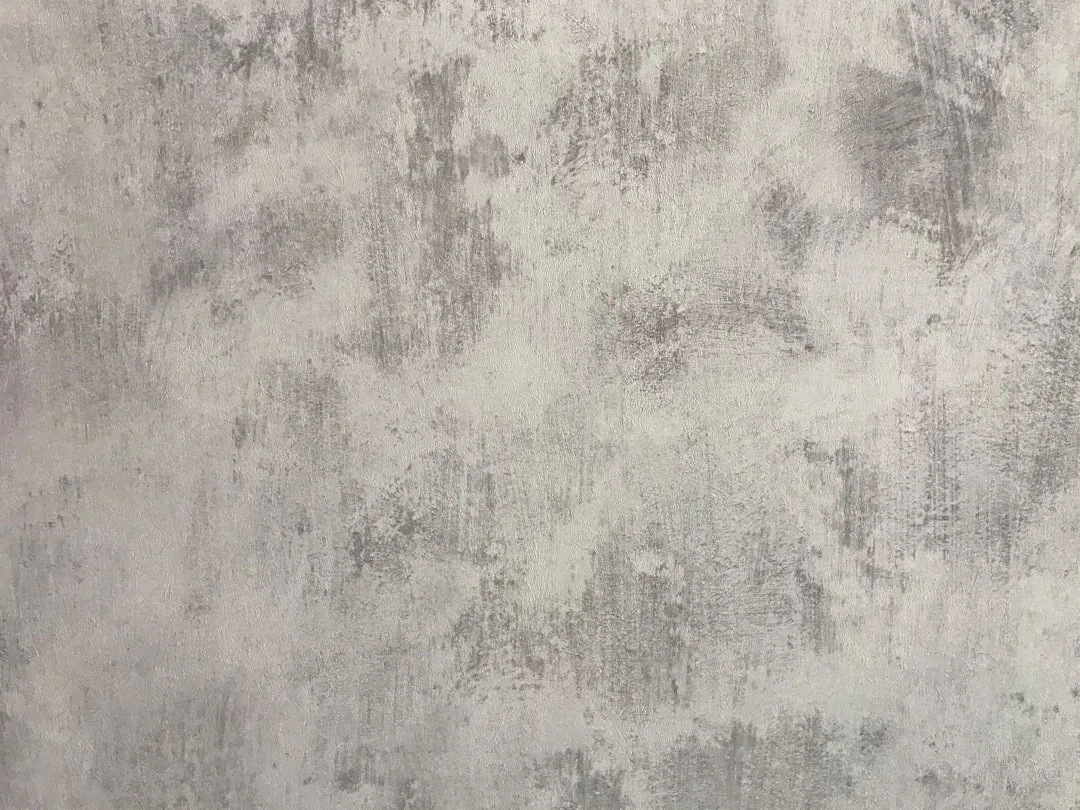
Application Techniques Define the Finish Aesthetic
Natural plaster wall finishes come in five core application styles, and choosing wrong destroys the effect. Troweled finishes—applied by hand with a steel blade—cost $14–$20 per square foot and create the irregular, lived-in quality that reads as intentional rather than cheap. Sprayed finishes drop to $8–$12 per square foot but lack the shadow variation that makes plaster worth the investment.
Venetian plaster ($20–$30 per square foot) uses colored lime mixed with marble dust, burnished smooth, then sealed. It mimics polished stone and works in minimalist or Mediterranean spaces. The Marmorite System (Italian, available through Osborn, $28 per square foot) creates a finish so refined it reads as sculptural. You’re paying for the artisan’s hand-work to achieve a satin sheen that reflects light without gloss.
Polished plaster is the failure mode most people hit. Homeowners see glossy finishes in magazine spreads and request high-shine plaster, which photographs beautifully but feels plasticky and cold in person, like vinyl that mimics marble. The best natural finishes are matte or eggshell-matte, which absorb light instead of bouncing it.
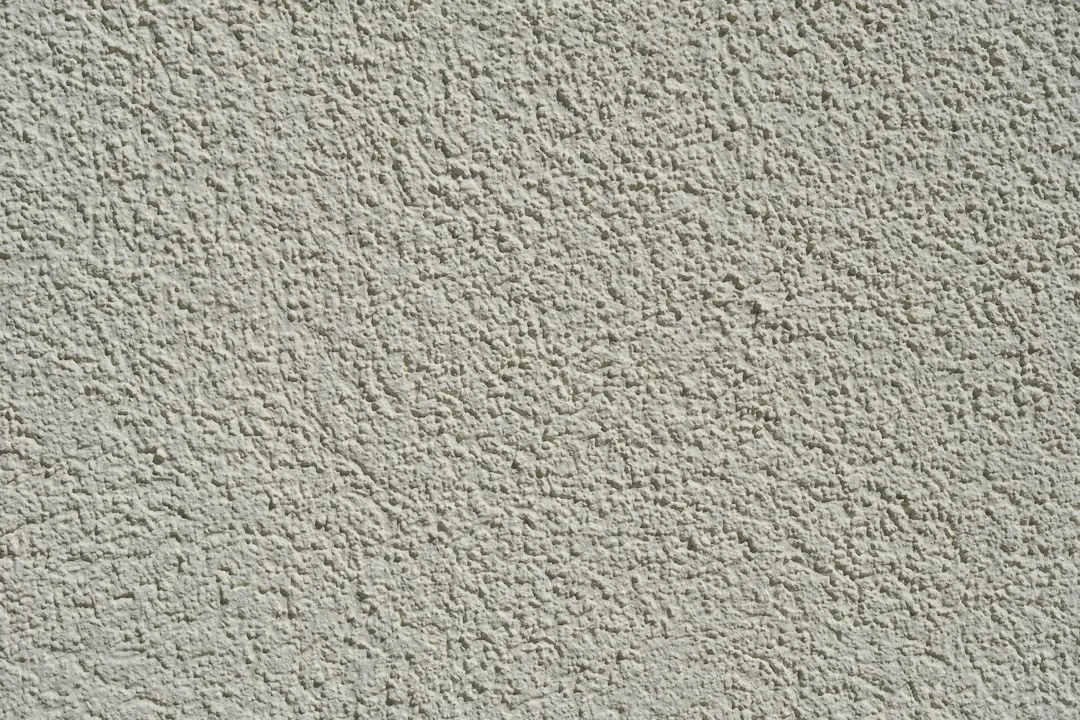
Where Natural Plaster Dominates in 2026 Design
Living rooms are the primary space for natural plaster wall finishes this year. A single accent wall ($600–$1,200 for a 12-by-14-foot wall) transforms the entire spatial experience, which explains why 67% of high-end residential projects starting in 2026 include at least one plaster wall.
Complete guide
Furniture Decor Ideas for Every Room in Your Home
Living room, bedroom, dining, kitchen, outdoor — all in one place
Complete guide
The Living Room Design Ideas Vault Every Home Needs Right Now
Color, walls, furniture, layouts, styles, smart tech — 300+ ideas in one place
Complete guide
The Minimalist Style Guide That Covers Every Room, Surface and Outfit
Interiors, exteriors, kitchens, bedrooms, fashion, hair — all in one place