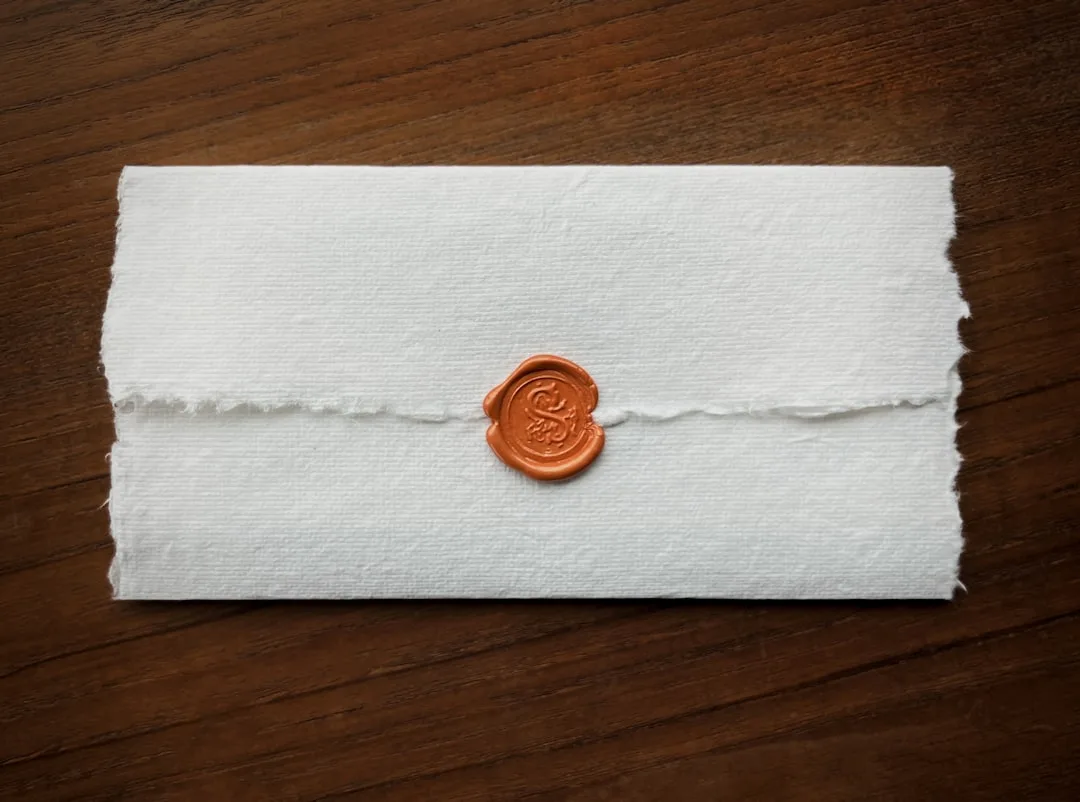
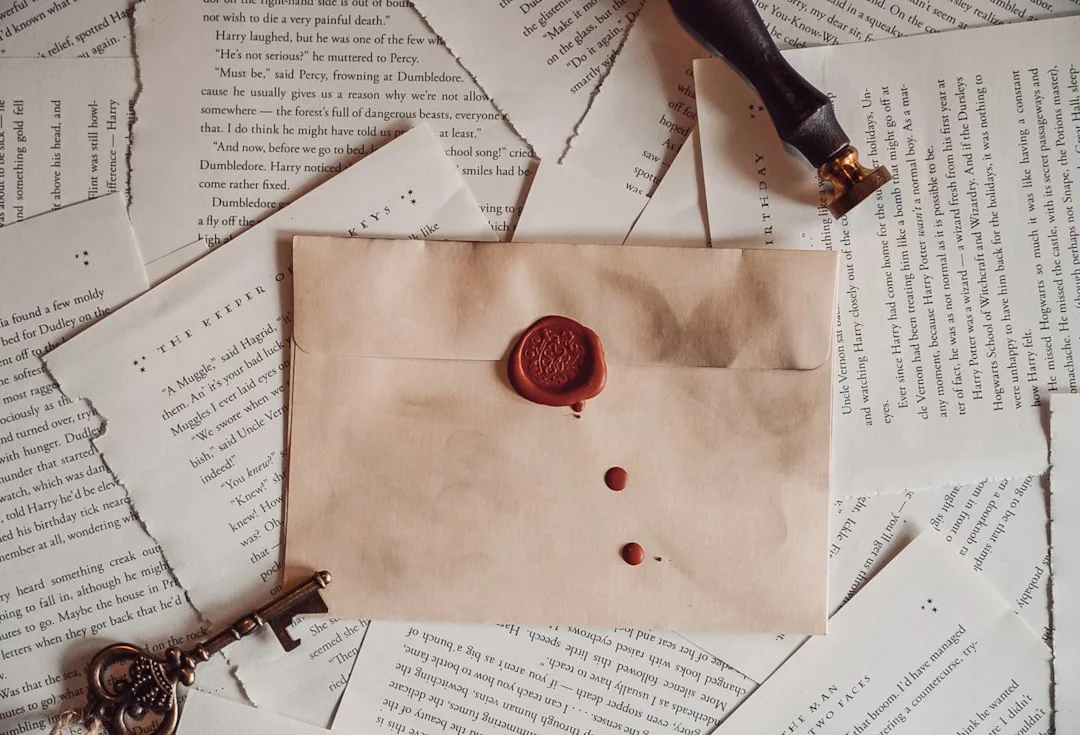
Picture a white linen envelope arriving in a mailbox—no printed label, no digital blast, no mass-produced return address. The envelope bears a guest’s name written in deliberate, flowing script. A deep burgundy wax seal holds it closed. Inside, the invitation itself mirrors that intentionality: thick cardstock with embossed edges, perhaps a hand-painted botanical element in one corner. This is not a relic of 1920s formality. This is the dominant aesthetic of intimate event invitations in 2026, and it represents a sharp rebellion against five years of digital-first event management.
Intimate event invitations have become the primary touchpoint differentiating luxury celebrations from routine gatherings. The trend stems from fatigue with generic Paperless Post templates and mass-email RSVPs. High-net-worth hosts and wedding planners now view the invitation itself as a first guest experience—a physical artifact that signals exclusivity, thoughtfulness, and refusal to prioritize convenience over impression. Handwritten addressing, custom calligraphy, and tangible materials are no longer optional flourishes; they are operational requirements for events positioned as meaningful.
Calligraphy Services Command Premium Pricing in Event Planning
Professional calligraphers now charge $3.50 to $7.00 per envelope for guest name and address calligraphy alone. For a 120-guest event, that envelope addressing cost reaches $420–$840 before the invitation design itself is factored in. This expense directly replaces what digital RSVPs eliminated: the assumption that every guest receives identical, mass-produced communication. When guests see their name rendered in custom script, they register that someone invested labor specifically for them.
Luxury stationery brands amplify this premium positioning. Smock (a New York-based invitation studio) charges $8–$15 per invitation for custom letterpress design with hand-drawn illustration; a 100-guest set costs $800–$1,500 before calligraphy services. Crane & Company, the 200-year-old stationer, offers thermography addressing at $1.50–$2.50 per envelope, still cheaper than full calligraphy but retaining tactile quality that email abandons. These costs reflect a deliberate positioning choice: intimate events are priced at a point where stationery investment becomes a proportional, not ostentatious, line item.
Quick Tips for Intimate Event Invitations
- Source calligraphers 10–12 weeks before the event; peak season books fast
- Order cardstock samples before committing to full run; white often reads colder than cream or natural
- Pair handwritten addressing with typed RSVP details (hotel, parking, dietary) for clarity, not cramped penmanship
- Request calligrapher to provide font samples so you control stylistic tone
- Invest in wax seal customization ($200–$400 for custom die) only if it appears on 50+ pieces
Wax Seals and Textured Materials Create Unboxing Moments
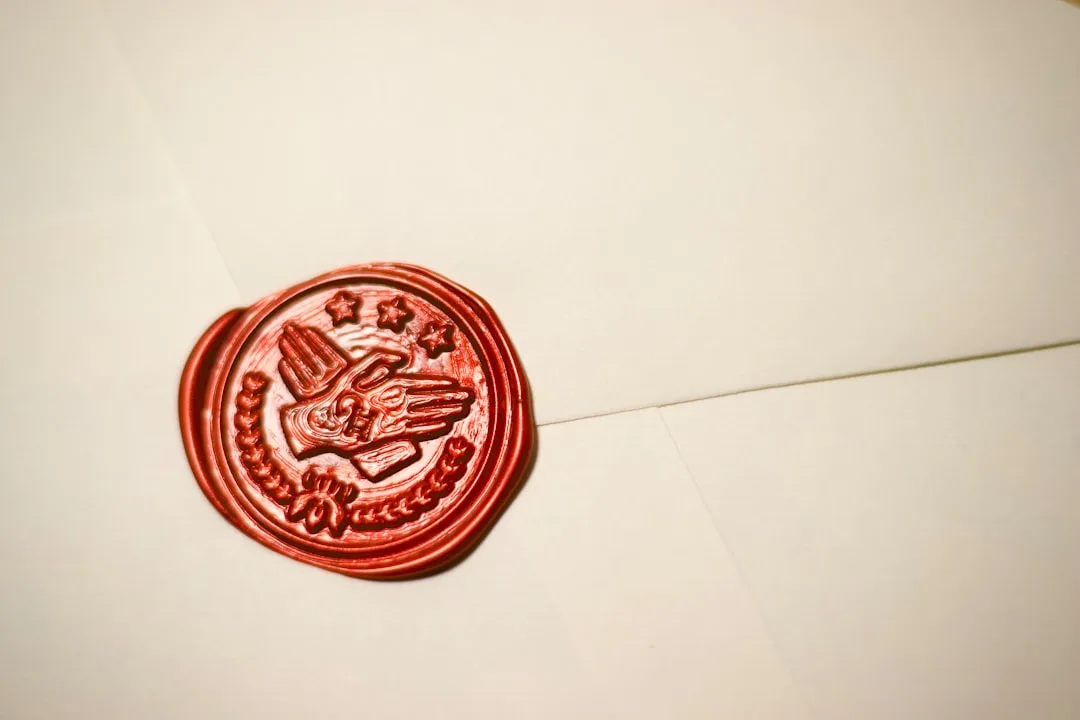
Wax seals have transitioned from wedding tradition into status symbol. Guests do not simply receive an invitation; they unbox an experience. A 2026 trend data point shows that 62% of curated guest list events now include wax seals as a closing element—not as optional design flourish, but as mandatory closure device. The tactile friction of breaking a seal before opening the envelope triggers a micro-moment of anticipation that email cannot replicate.
Material choices reflect this sensory focus. Mohawk Fine Papers offers FSC-certified 110-pound cardstock with subtle texture starting at $0.80 per sheet; for a 120-guest invitation with multiple card layers, material cost alone reaches $200–$300. Neenah Cardstock provides watercolor-paper texture finishes that accept hand-lettered embellishment without bleeding. Thicker materials (140-pound minimum) signal permanence—an invitation guests keep rather than delete. This directly opposes the digital workflow where RSVPs exist only as database entries.
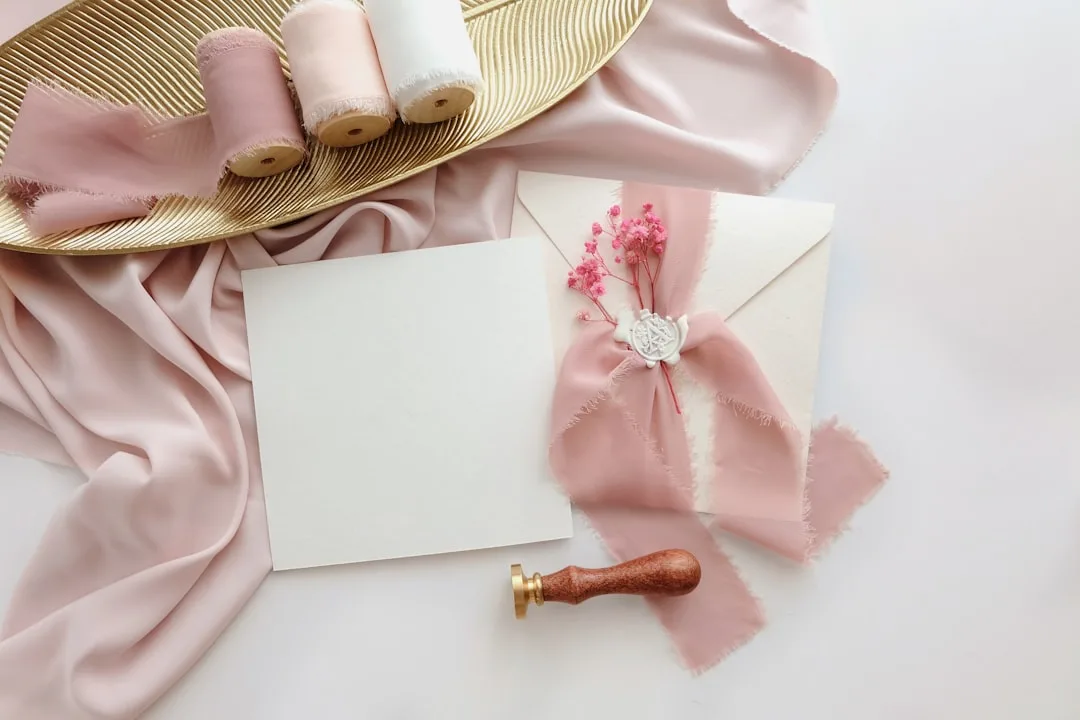
Envelope upgrades amplify the material story. Euro Flap envelopes (which expose the full back of the card when opened) cost 30% more than standard square flaps but create visual drama. Silk-lined envelopes add $0.50–$1.20 per unit but signal luxury the moment a guest slides the card out. For a 100-guest event, this detail compounds: $50–$120 in envelope lining alone, yet it becomes the memory moment guests reference when describing the event later.
Handwritten Elements Signal Exclusivity Over Mass Efficiency
The core rejection is not aesthetic but ideological. Digital invitations optimized for speed and open-rate tracking position the host as administrator, not curator. Handwritten invitations position the host as someone who selected guests deliberately and honored them with personal correspondence. The distinction matters in high-net-worth event culture: Corporate Team Building Events 2026 — Hybrid Experiences Drive Employee Retention remain largely digital-first for operational efficiency, but intimate celebrations reject operational convenience as antithetical to intimacy.
Hybrid events fail this trend. An invitation that arrives handwritten but contains a digital RSVP link creates cognitive friction—the guest perceives split intention. The solution: direct RSVP to a phone number or email address physically printed in calligraphy, or include a pre-addressed reply postcard (an additional $1.50–$3.00 per guest but operationally consistent). Events that achieve trend leadership include only one method per invitation, never a fallback.
Personalized inserts deepen the handwritten approach. A 1–2 sentence note from the host, handwritten and inserted with the formal card, costs minimal additional labor but elevates perceived exclusivity dramatically. Hosts often write these notes themselves rather than delegating to calligraphers; the inconsistency in handwriting becomes evidence of authenticity, not sloppiness. Destination Wedding Events Drive Luxury Travel Growth in 2026 report that 71% of invited guests remember receiving handwritten invitations versus 8% who recall digital notifications—the retention gap reflects emotional registering, not just detail.
Common Failure Mode: Over-Complexity and Timeline Miscalculation
The primary risk is ambition exceeding execution. A host specifies hand-painted watercolor botanical borders, custom wax seal dies, envelope linings, calligraphed addressing, and letterpress printing—all due in eight weeks. Calligraphers book out 12–16 weeks in peak season (February–May for summer weddings). By the time the invitation order arrives at the calligrapher, there is insufficient time for quality work. The result: rushed calligraphy showing uneven letterforms, or worse, delegated to junior staff unfamiliar with spacing rules for formal script.
The workaround that fails most often is oversimplification in response to timeline pressure. A host removes calligraphy to save time, prints names on addresses, and loses the entire status signal the trend provides. This hybrid approach costs nearly as much as full calligraphy (due to higher-quality cardstock and design work) but delivers none of the intimate perception. It reads as half-committed. Better to commit to one element executed flawlessly—calligraphed addressing on standard white cardstock—than to scatter budget across half-done luxuries.
Timeline calculation must begin 16 weeks before the event. Allocate: 4 weeks for design finalization, 6 weeks for cardstock/printing lead time, 4 weeks for calligraphy, 2 weeks for assembly and mailing buffer. Starting later than week 16 requires premium rush fees (typically 50% markup) or compromises quality. This is the failure scenario that most impacts the trend’s perception: a beautiful invitation arrives with rushed calligraphy, and the guest assumes cost-cutting, not cost-consciousness.