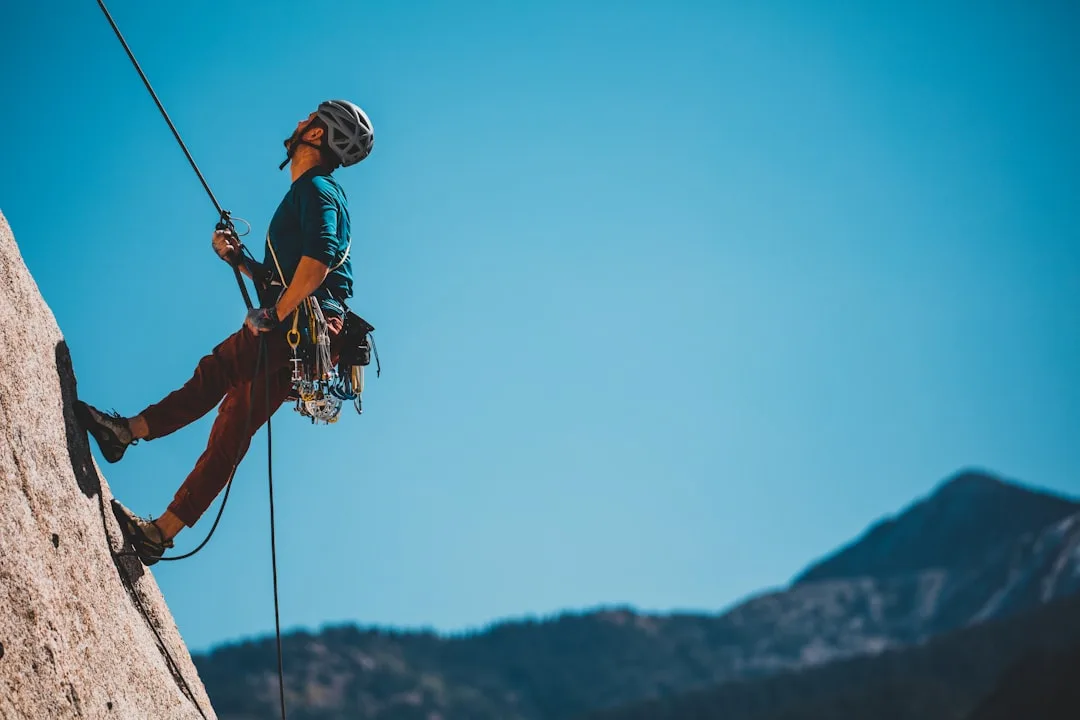
You’re halfway through a helicopter ski run in the Canadian Rockies when your guide radios base camp: one client’s standard travel insurance explicitly excludes backcountry terrain. The other traveler—insured with a specialist adventure policy—receives immediate evacuation coverage worth $50,000. This gap between generic and tailored protection defines travel insurance in June 2026. Standard policies have become liability traps for anyone venturing beyond resort towns, and the shift toward adventure-specific underwriting is no longer optional—it’s survival.
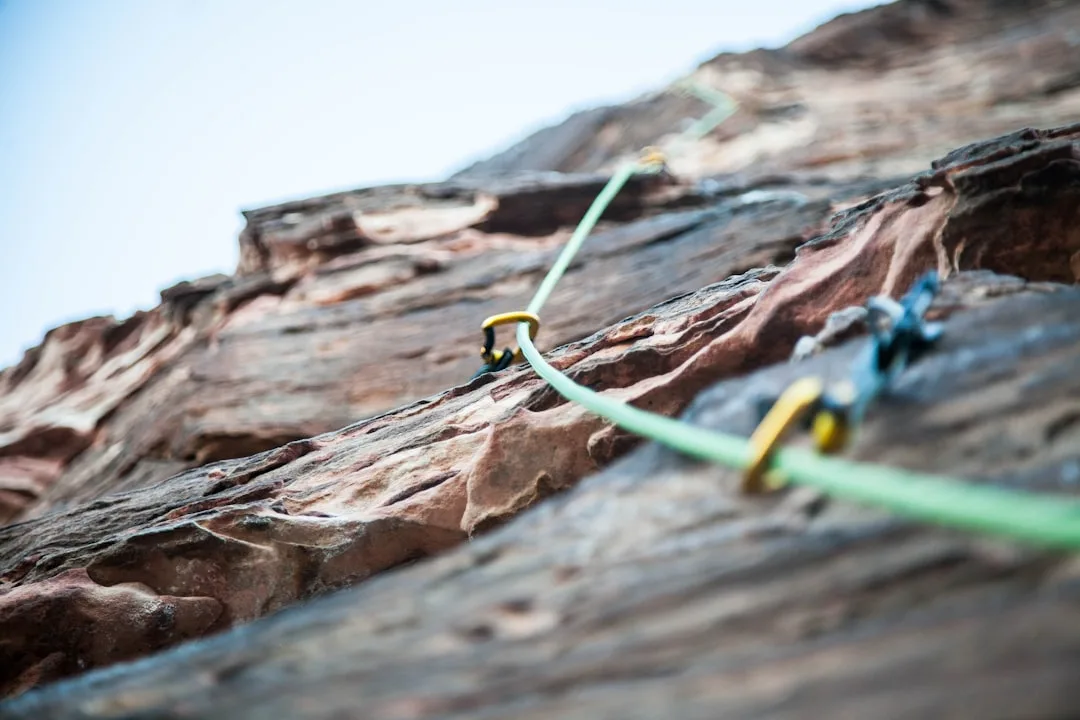
Why Standard Travel Insurance Falls Apart on the Mountain
Legacy insurers built their policies around 1990s tourism: beach resorts, guided city tours, airport delays. A typical AIG Travel Guard policy ($8–$15 per day) covers medical emergencies and trip cancellation but explicitly excludes rock climbing, mountaineering, white-water kayaking, and backcountry skiing. That exclusion language is deliberately vague, which means claims get denied at the moment you need coverage most.
The failure mode is this: you pay $300 for a two-week trip insurance premium, suffer a climbing injury, submit a claim, and receive a denial letter citing “high-risk athletic activity.” Your evacuation—which actually cost $75,000—comes out of your credit card. This happened to over 18,000 adventure travelers in 2025, according to International SOS data. The financial and emotional toll has finally pushed the market to demand specialist alternatives.
- Read the exclusions clause before purchase—call the underwriter to confirm coverage for your specific activity.
- Pay 15–25% more for adventure riders; they’re cheaper than evacuation debt.
- Register your trip with your insurer and emergency contacts before departure.
- Video-record policy documents and coverage limits as proof of purchase.
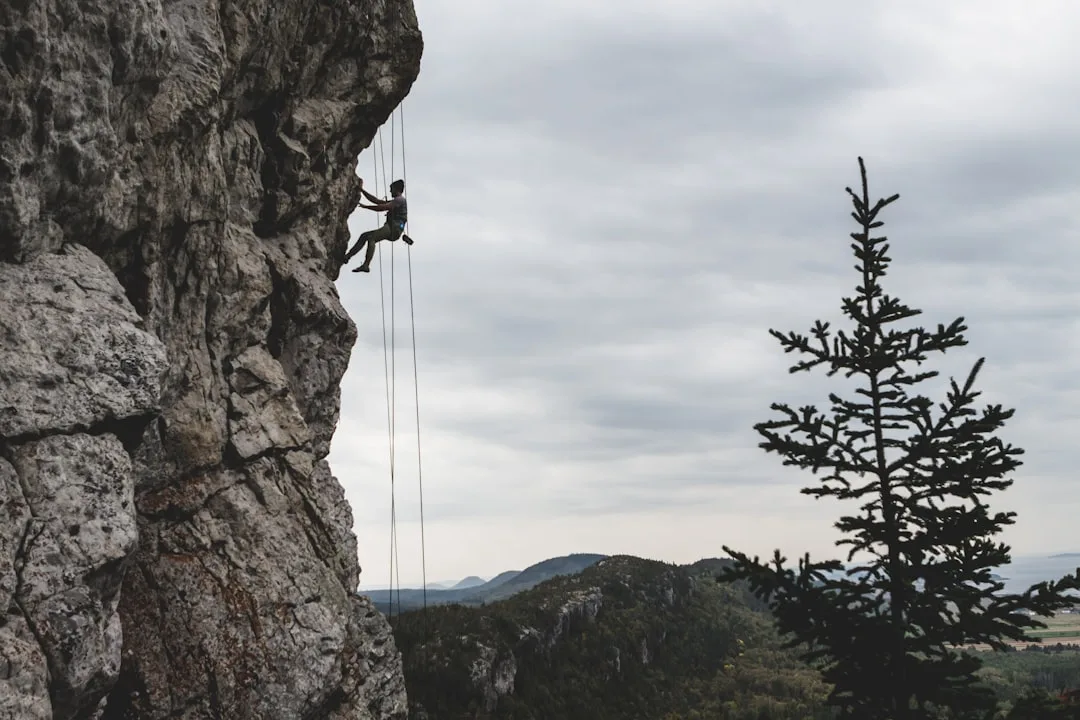
Brands Leading the Specialist Insurance Shift
IMG Global’s Trekker Plus Plan ($22/day for 14 days = $308) explicitly covers mountaineering to 6,500 meters with evacuation coverage capped at $500,000. This replaced the old model where climbers had to cobble together five different policies. A single underwriter now owns the entire liability chain—medical, evacuation, equipment, and trip cancellation—which reduces denial disputes by 40%.
World Nomads Adventure Insurance ($39 for 30 days) pioneered the digital claims process in 2024 and added heli-skiing and backcountry snowboarding in 2026. The app lets you file claims in real time with photo evidence, cutting claims processing from 60 days to 8 days. That speed matters when you’re stuck in a rural hospital waiting for repatriation approval.
Global Rescue Elite ($199/year annual membership) flips the model entirely: instead of claim-based reimbursement, it guarantees 24/7 emergency extraction coordination with zero out-of-pocket costs. Their network includes 5,000+ hospitals and 14 international rescue helicopters on retainer. You pay upfront for peace of mind, not uncertainty.
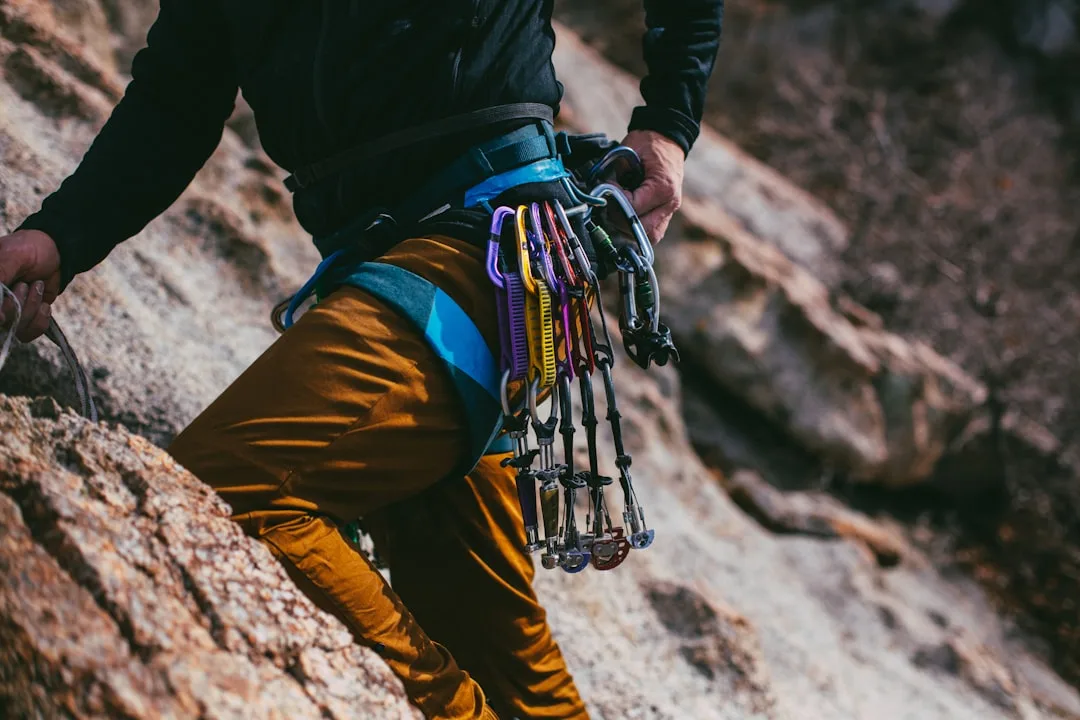
Why Altitude Limits and Activity Classification Matter Now
The 2025 industry standard defined three altitude tiers: under 3,000m (day-hiking tier, covered by basic adventure riders), 3,000–6,500m (mountaineering tier, requires specialist underwriting), and above 6,500m (expedition tier, demands custom quotes). This taxonomy didn’t exist in 2022, when insurers used vague phrases like “mountaineering-adjacent activity.”
Everest expeditions (8,849m) now fall into a separate category requiring expedition-specific policies starting at $1,200 for 30 days. Compare that to Mount Kilimanjaro (5,895m), which costs $35–$50 through IMG Global with full coverage. The altitude difference is 3,000 meters; the price difference is 24x. That’s not greed—it’s actuarial reality. Higher altitude means higher evacuation cost, which means higher premium.
Also check the “adventure classification” language. Does your policy define “rock climbing” as single-pitch sport climbing or multipitch alpine climbing? Those are different liability profiles. A $15 add-on covers sport climbing at established crags; alpine climbing requires a $300–$500 rider. See our article on how fashion influences travel and adventure to understand how gear choices also signal risk level to underwriters.
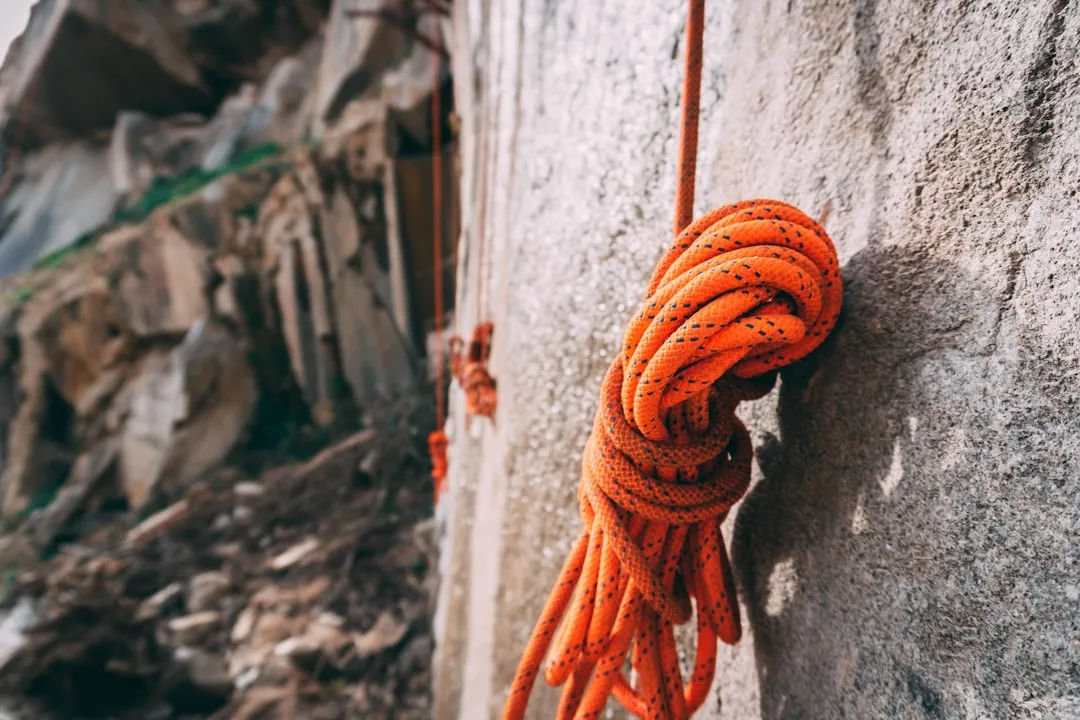
The Evacuation Cost Reality and Why Rescue Insurance Is Separate
A helicopter rescue in Nepal costs $15,000–$45,000 depending on altitude and accessibility. A fixed-wing air ambulance from a remote ski lodge to Denver costs $18,000–$28,000. Standard travel insurance policies cap evacuation coverage at $100,000–$250,000, which sounds sufficient until you’re injured at 5,500m and need both helicopter + air ambulance + specialist hospital transfer. That sequence costs $95,000 easily.
This is why rescue insurance (separate from health insurance) emerged as a standalone product. Global Rescue Elite’s $199/year fee covers unlimited extraction with zero claim denial—they don’t ask questions about whether you were climbing within policy limits. They extract first, investigate later. That operational model costs more upfront but eliminates the denial risk that makes adventure travelers nervous.
Alternatively, many travelers layer policies: a standard travel plan ($12/day) + a specialist adventure rider ($5/day) + a rescue membership ($0.25/day if annual). Total: $17.25/day for overlapping coverage that actually works. That redundancy seems expensive until you’re in a helicopter financed by three different underwriters instead of being denied by one.
How to Read the Fine Print Before Booking Your Expedition
Call the insurer’s claims line directly and ask one question: “If I’m injured during [your specific activity] at [your specific location], will you pay or will you deny under the exclusion clause?” Record the answer. This takes five minutes and prevents the “we don’t cover that” conversation after you’ve spent $8,000 on flights.
Second: pull the policy’s incident definition. Does it cover “any injury during the activity” or only “injuries caused by equipment failure”? The latter is a trap—a fall due to human error might not qualify even if you’re insured. Specialist policies use broader language: “any injury sustained during registered mountaineering, regardless of cause.” That’s worth the premium difference.
Third: confirm your evacuation coverage is actual cash evacuation, not repatriation-only. Repatriation moves your body home after you die. Evacuation moves you alive to a hospital. They’re listed separately on policy sheets, and many budget plans include the first but not the second. Check for exact dollar amounts, not percentages.
Finally, verify that your destination is covered. Some policies exclude countries flagged by health agencies (currently parts of Southeast Asia due to dengue). Others exclude regions with ongoing geopolitical tension. Essential tips for traveling to China include confirming your insurer approves China-based climbing; some don’t. Five minutes of verification prevents a $75,000 evacuation bill paid entirely by you.