A royal blue wedding theme only reads as rich as the metallic it’s paired with — drop the wrong gold or silver next to that saturated blue and the whole palette slides from regal to costume-party fast. Planners who get this right pick one dominant metallic and let it repeat across invitations, chargers, and bridesmaid accessories instead of mixing gold flatware with silver candle holders and hoping the room sorts itself out. The blue itself isn’t the hard part. The metal you set against it is.
This breakdown walks through the three places that decision shows up hardest: the invitation suite that sets guest expectations before anyone arrives, the reception tables where lighting can wreck even a well-chosen metallic, and the bridesmaid dresses that have to flatter more than one skin tone in the same fabric. Real prices are attached throughout, pulled from current stationery and floral data rather than guessed at, because budgeting around a color theme without numbers is how couples end up $2,000 over on centerpieces alone.
Skip ahead to whichever section matches what you’re stuck on. The metallic-pairing table near the bottom is worth a glance even if you’ve already picked gold or silver, since the wrong choice for your venue’s lighting is the single most common reason royal blue photographs duller in person than it did on the swatch.
Quick scan
Pick one dominant metallic — gold or silver — and repeat it everywhere; mixing both without a plan is the fastest way to make royal blue look accidental.
A full invitation suite runs about $220 for the invite and RSVP alone, $510 once save-the-dates and day-of paper are included.
Budget $55–$95 per table for a professional centerpiece in this palette; anything below $25 usually means bare bud vases, not florals.
Bridesmaid dresses in royal blue average $128–$150 each before alterations, which typically add another $30–$100 per dress.
Foil Stamping Decides Whether Royal Blue Wedding Theme Invitations Photograph Rich or Flat
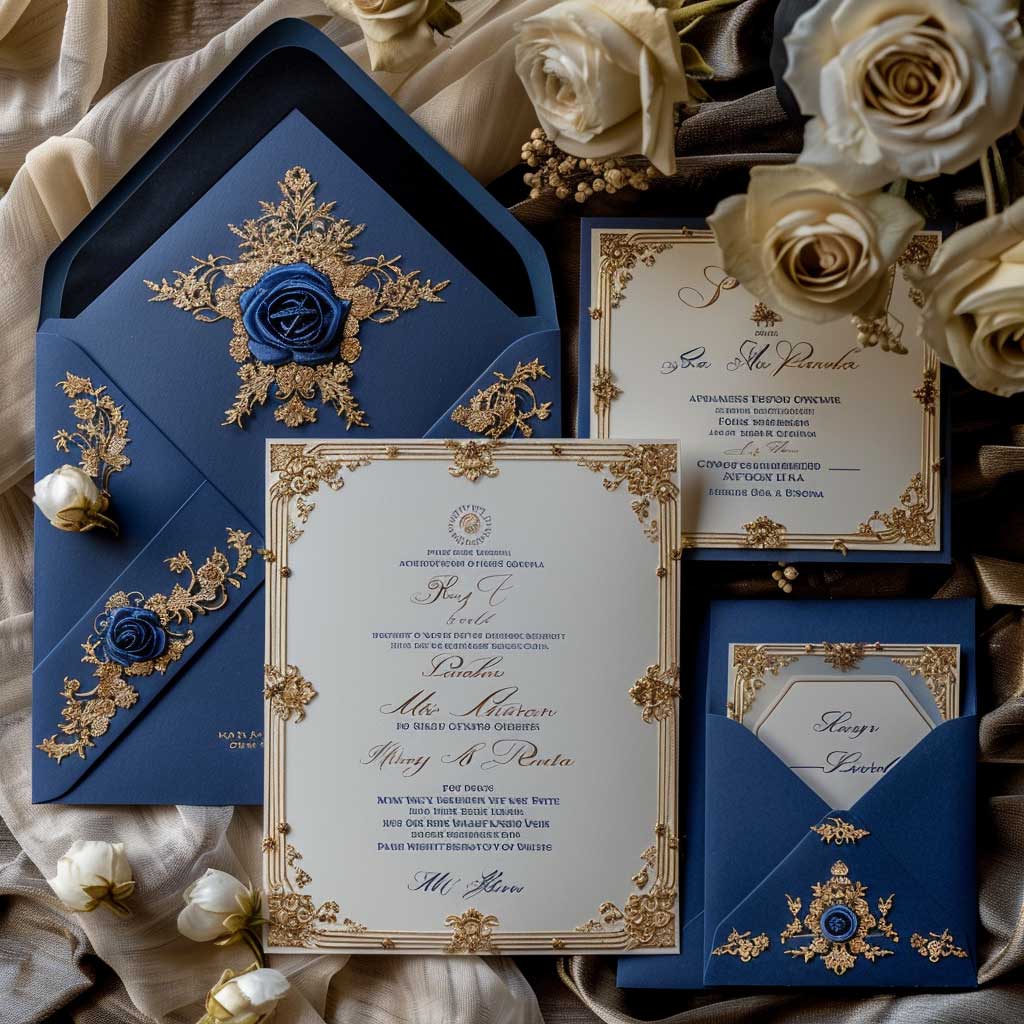
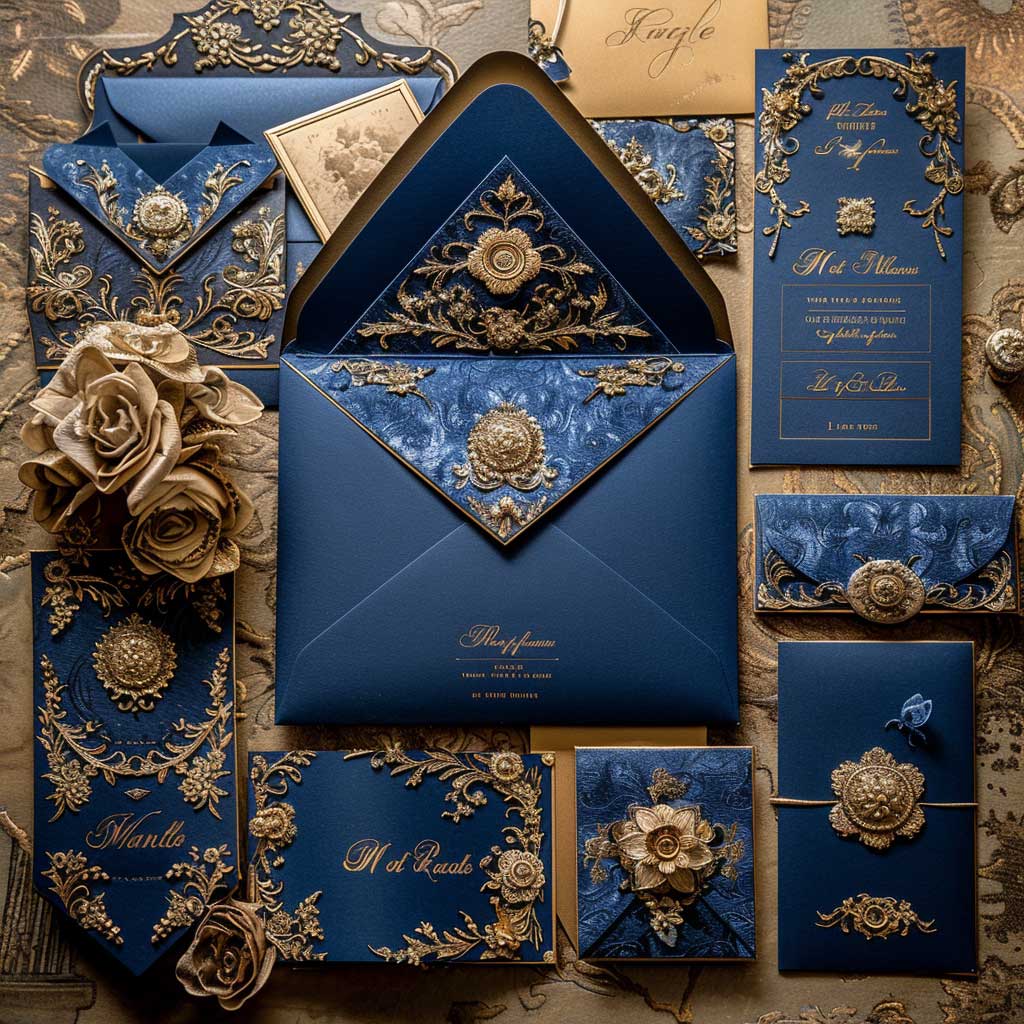
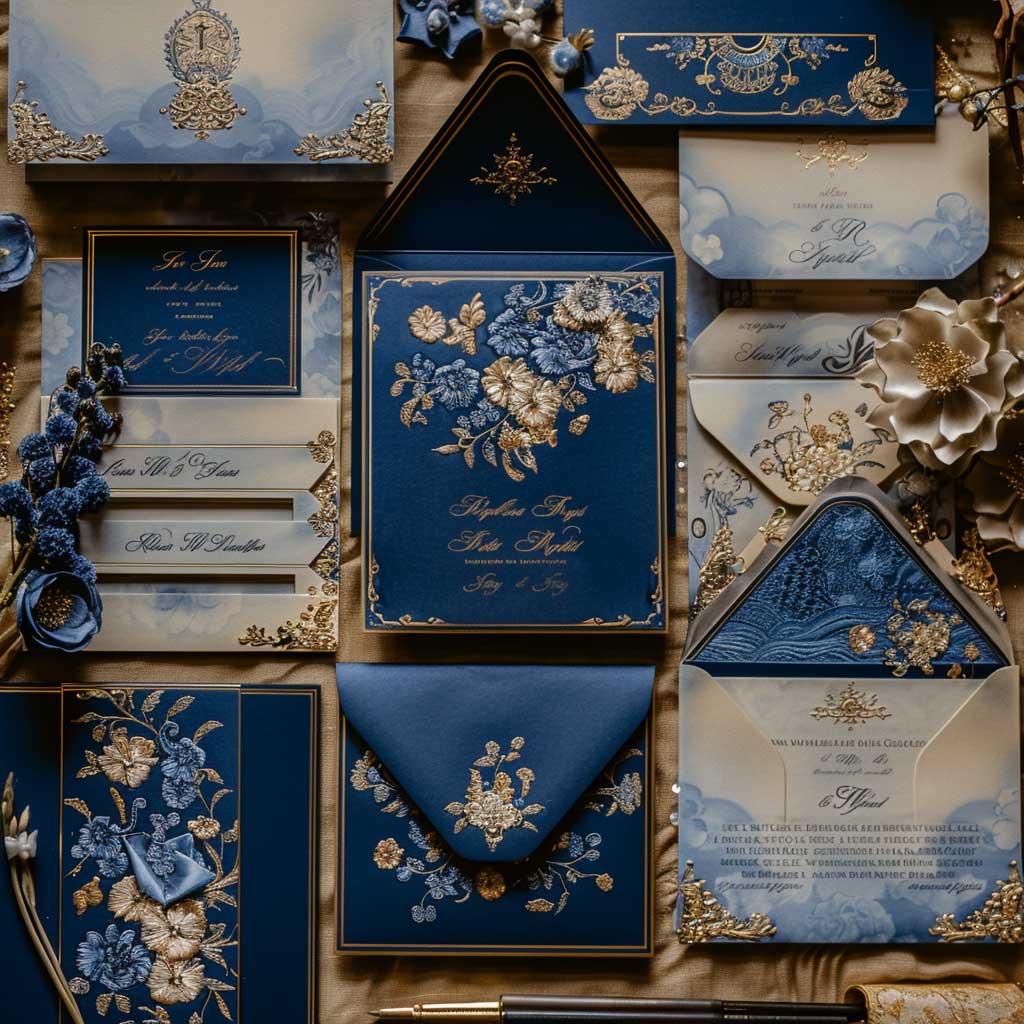
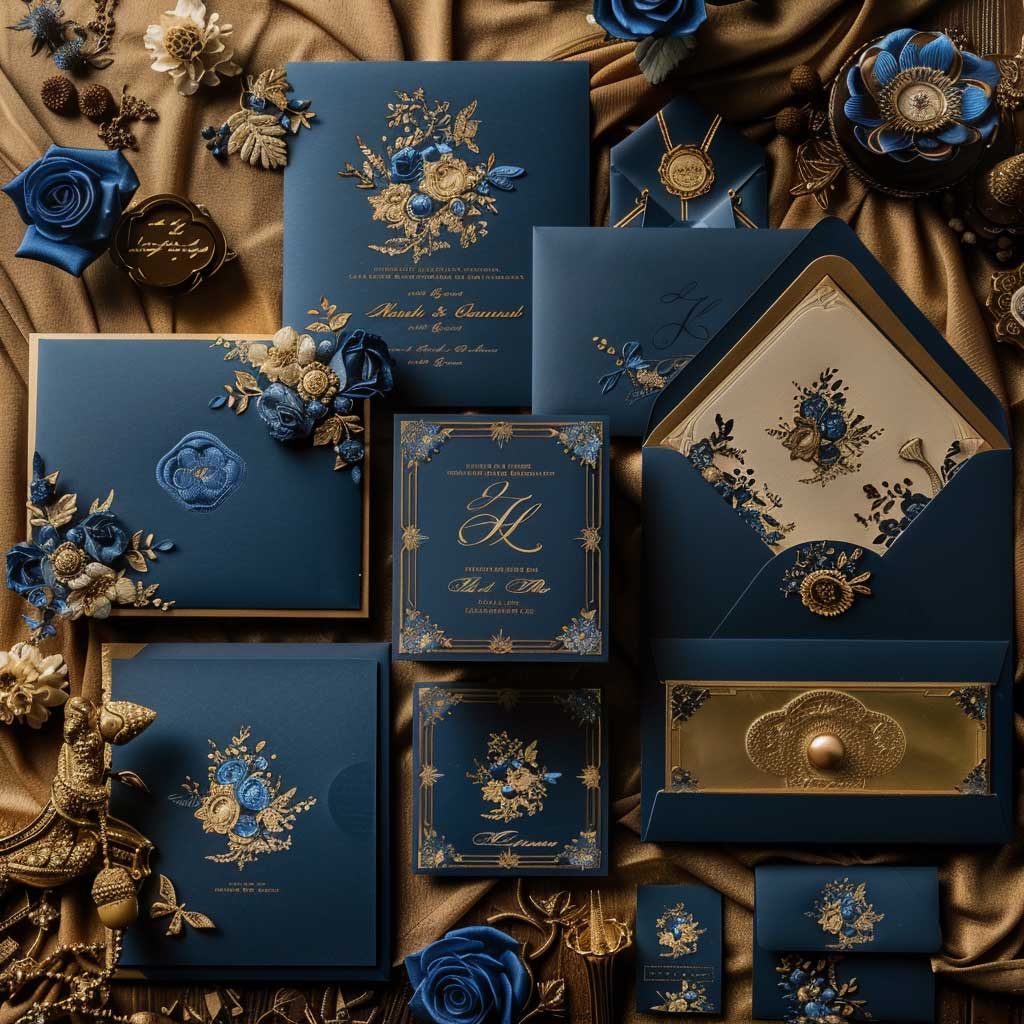
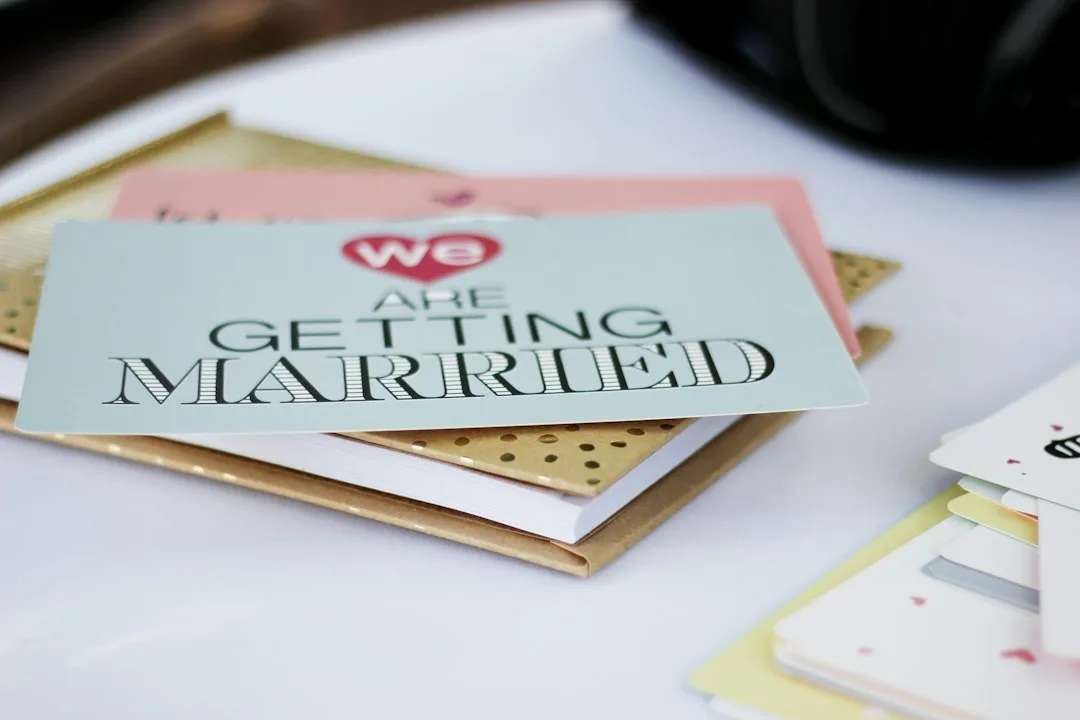
Real foil — hot-stamped gold, not metallic ink printed flat — is what separates a royal blue wedding theme invitation that photographs well from one that looks like a desktop-printer job. Cardstock should sit at 110lb or heavier; anything thinner and the color prints uneven, especially on darker shades like royal blue where light cardstock lets the deep pigment show through as streaking. A full invitation suite, including the main card and RSVP, averages $220 according to The Knot’s most recent Real Weddings data, while the complete paper suite with save-the-dates and day-of signage lands closer to $510.
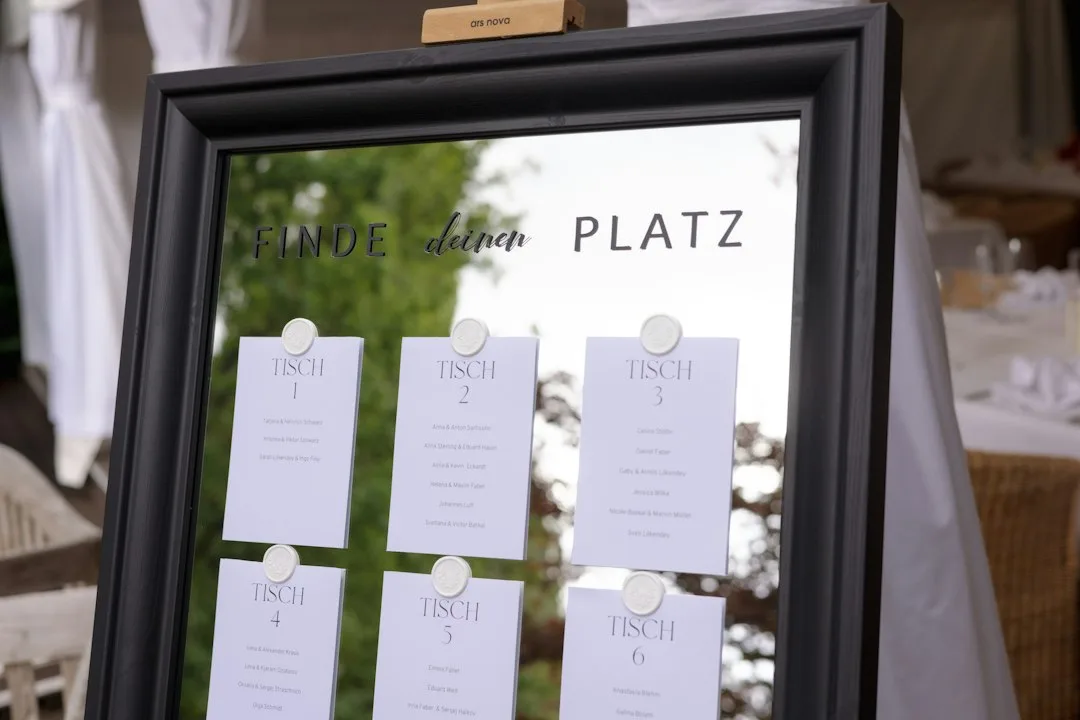
Why does foil cost more than printed gold ink? Foil is physically pressed into the paper under heat, so it catches light at an angle the way a wedding ring does, while printed metallic ink sits flat and reads matte under venue lighting. Foiling typically adds about $180 per 100 invitations on top of base printing costs. Wax seals in matching blue or gold work the same way visually — they create dimension a flat envelope can’t, the way a raised monogram on a leather portfolio reads as quality before anyone opens it.
Don’t order budget digital-template invitations and expect them to read as custom. A $1.50 templated card with a royal blue border printed on standard stock photographs flat and slightly purple under indoor lighting, no matter how good the design file looked on screen. Velvet ribbon ties or satin envelope liners cost a few dollars extra per piece and do more to signal intention than a fancier font ever will — guests notice texture before they notice typography.
Custom illustrations or monograms work best when they’re simple enough to reproduce at foil scale — intricate line art tends to blur once it’s stamped at invitation size. A single line drawing of the venue or a two-letter monogram holds up; a detailed crest usually doesn’t. The Knot’s invitation cost breakdown is worth a look before ordering samples, since guest count alone swings the per-suite price from roughly $130 to $260.
This Reception Mistake Ruins More Royal Blue Wedding Themes Than Bad Lighting
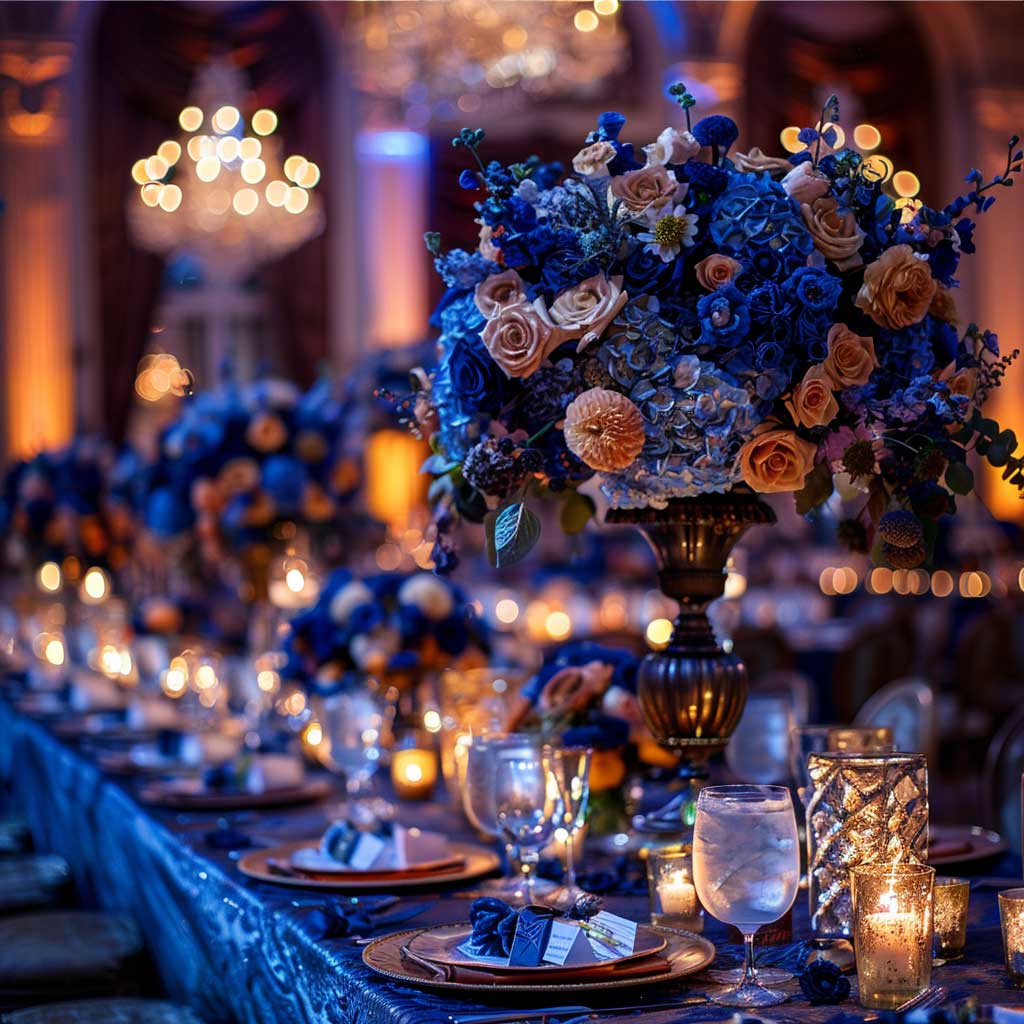
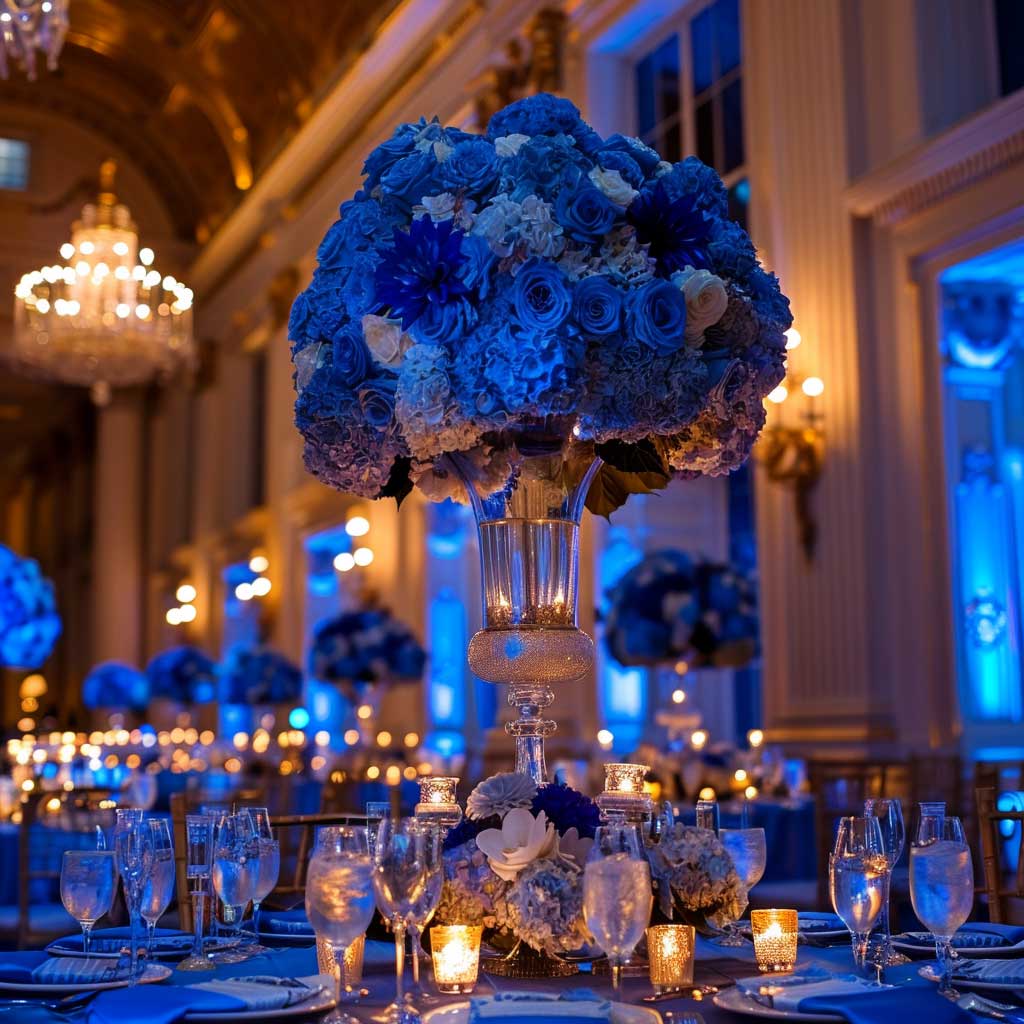
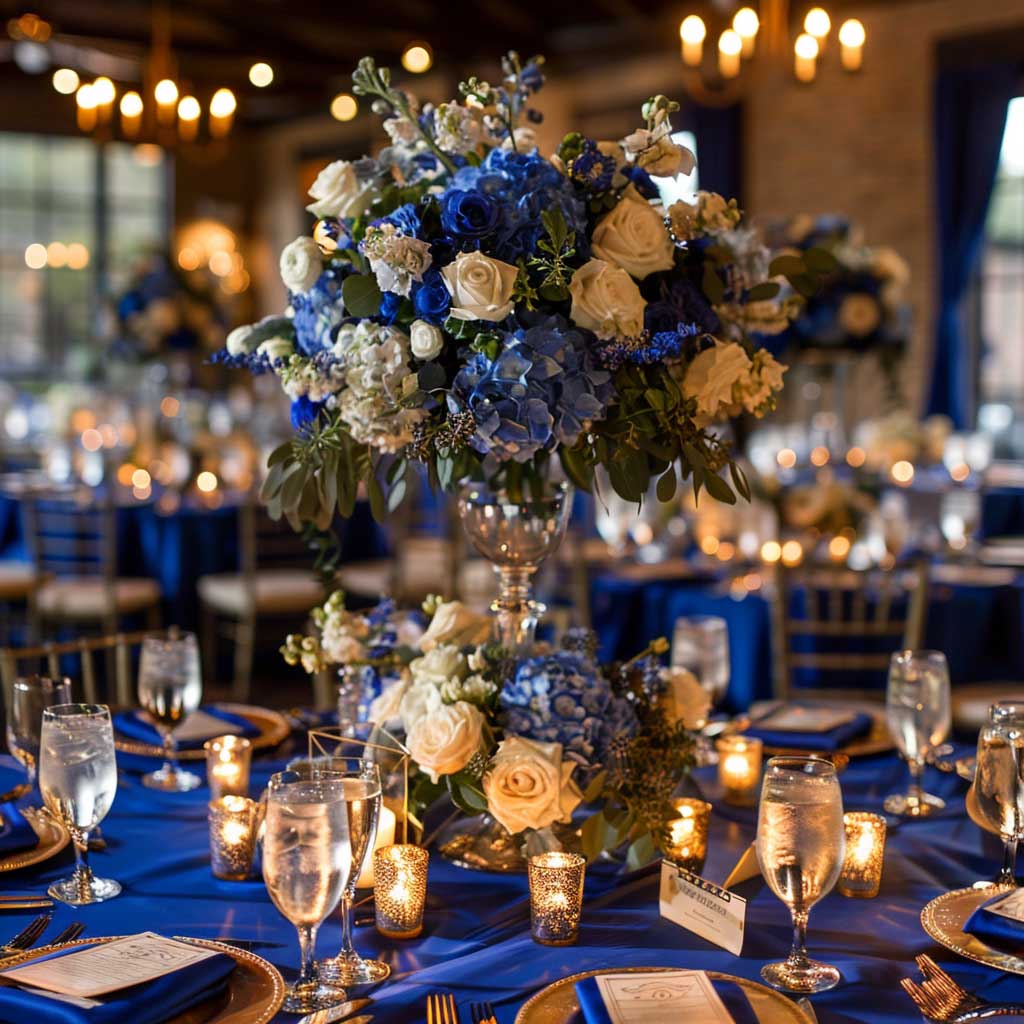
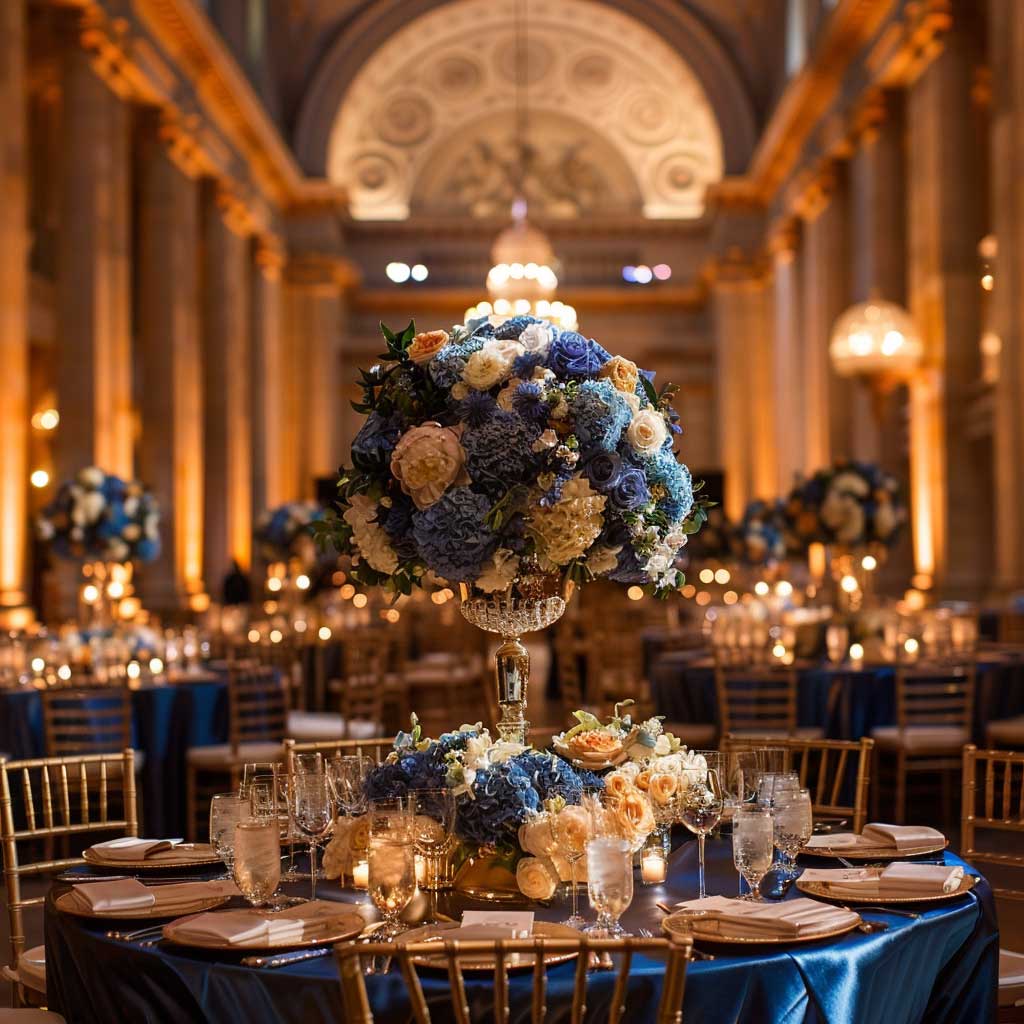
Most reception decor that disappoints couples in photos didn’t fail because the royal blue wedding decor itself was wrong — it failed because gold and silver got mixed without a plan. Pick one metallic and commit: gold chargers with gold-rimmed glassware and brass candle stands, or silver flatware with mercury-glass votives and platinum-toned ribbon. Charger plate rentals run about $2 to $4 per setting through most event rental companies regardless of finish, so the cost difference between gold and silver is negligible — the visual cohesion is what you’re actually paying attention to.
What happens when uplighting and metallics fight each other? Color-changing LED fixtures cast blue or amber washes across the room, and silver tends to read cold and almost gray under blue-toned uplighting, while gold holds its warmth even when the lighting shifts cooler in the evening. Mid-tier venues now spend $4,500–$8,000 on layered lighting systems rather than a single overhead chandelier, and layered wedding venue lighting changes how every metallic in the room reads across the night, not just at one fixed moment. Test your chosen metallic under the venue’s actual evening lighting before ordering linens — daylight photos in a rental catalog rarely match what guests will see at 8pm.
Don’t do this: Renting silver chargers and gold candle holders for the same table because both “go with blue.” Mixed metallics without a deliberate ratio read as a rental company’s leftover inventory rather than a planned palette — pick one dominant metal and use the second only as a single accent, like a thin gold rim on an otherwise silver setting.
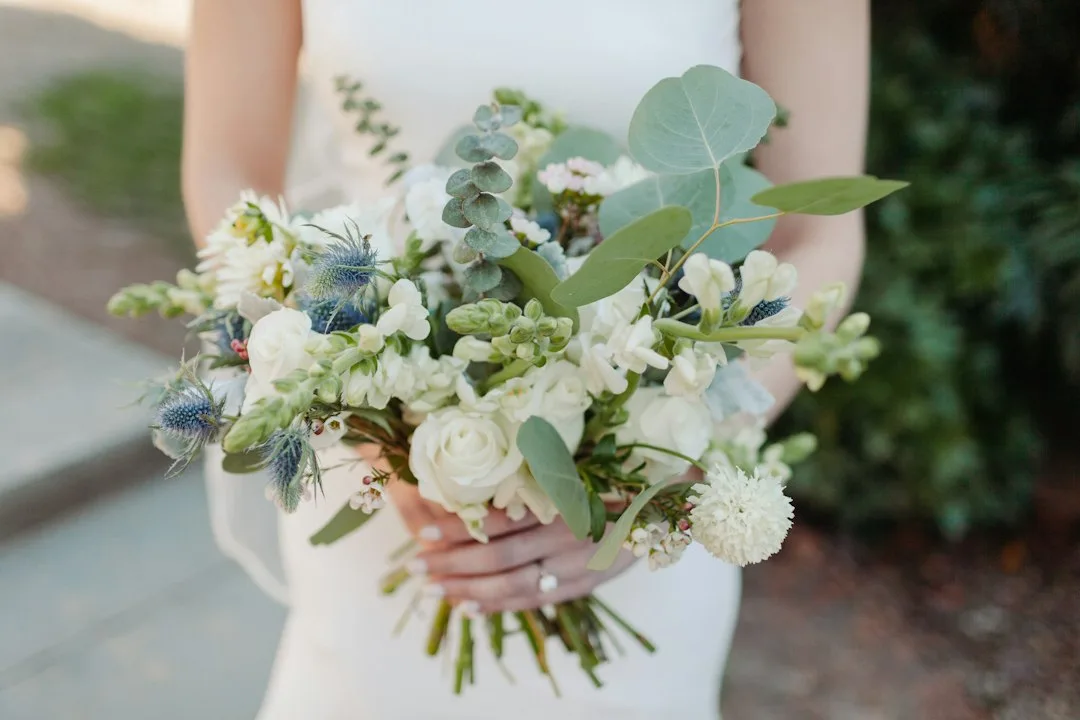
Centerpieces in this palette average $55 to $95 per table for a professional florist arrangement, with elaborate tall designs running $175 or more. White and ivory blooms — garden roses, ranunculus, or hydrangea — read cleanest against royal blue linen because they don’t compete with the saturation the way a second bold color would. Couples leaning into a cooler palette sometimes look at blue and purple wedding theme ideas for centerpiece inspiration, since the two palettes share the same metallic-pairing logic even though the dominant hue shifts.
Crystal chandeliers and gold-framed mirrors push a reception toward formal rather than romantic, and that’s worth deciding on early since it changes the linen weight and floral density too. A heavier velvet table runner reads right under a chandelier; the same runner looks overdressed in a barn with string lights. Match the metal density to the room’s existing architecture instead of layering decor on top of a mismatch and hoping the candles smooth it over.
Skin Tone, Not Trend, Decides Your Royal Blue Bridesmaid Dress Shade
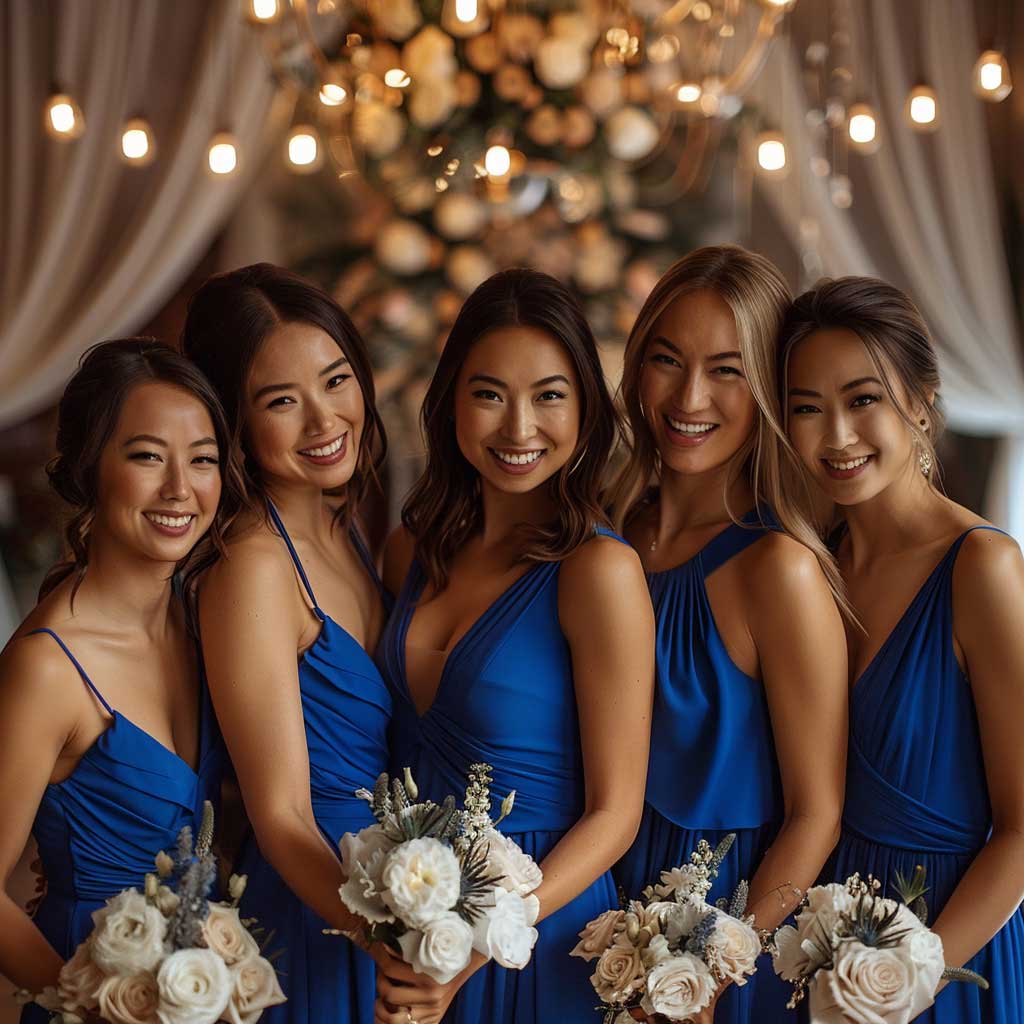

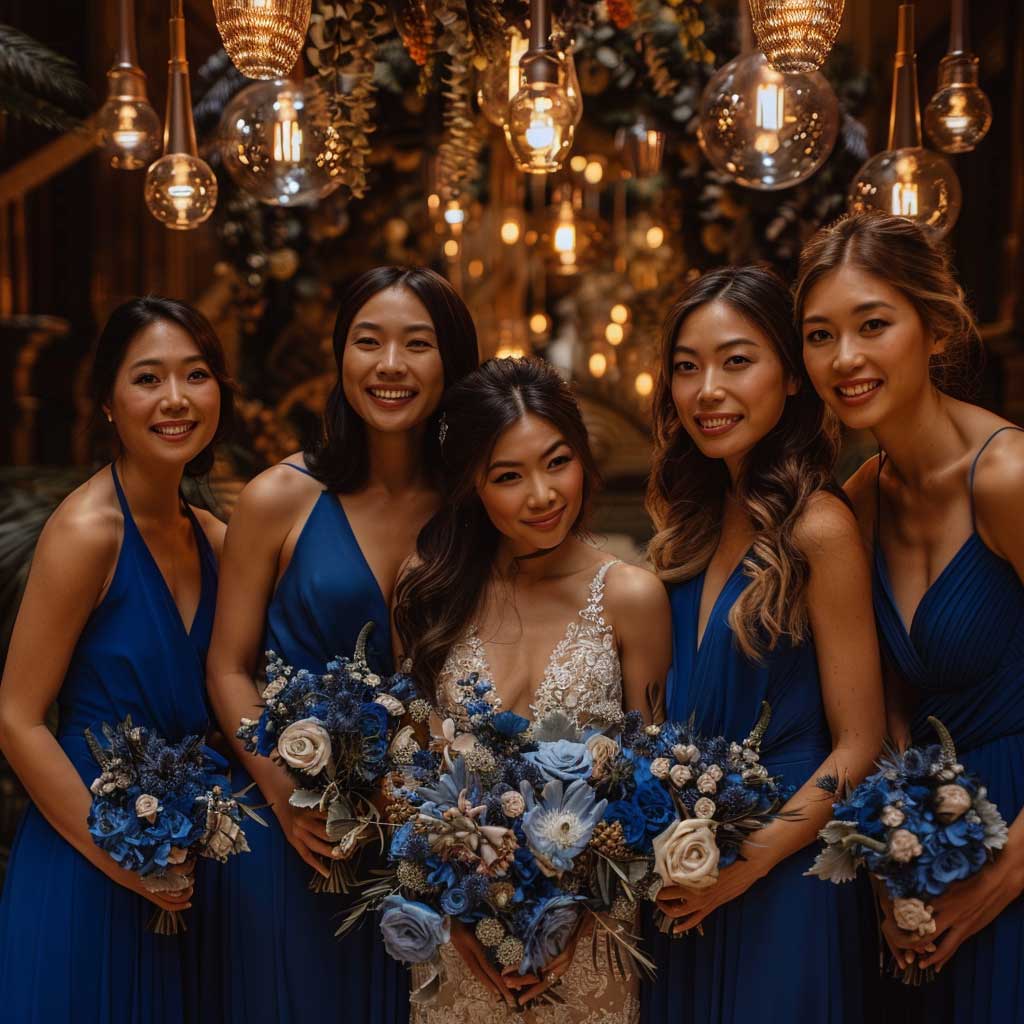
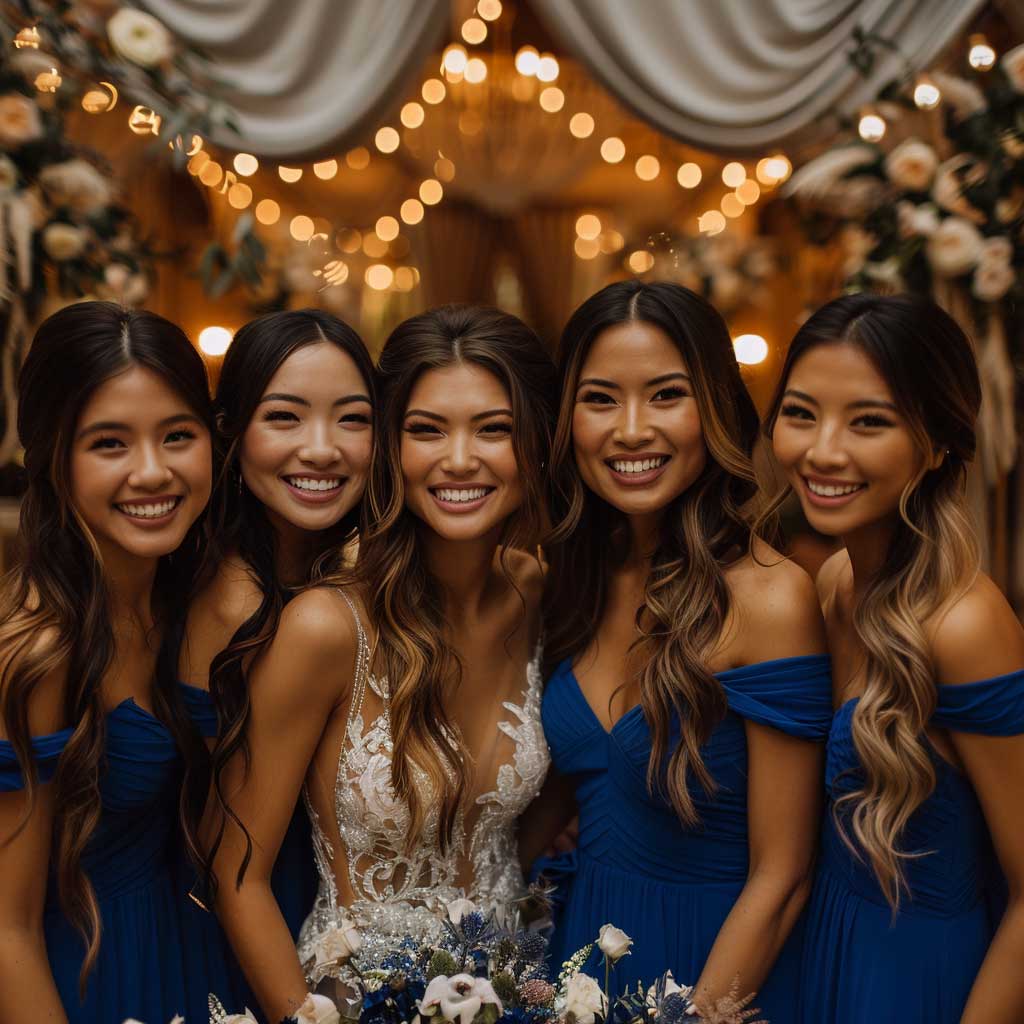
Royal blue sits cool on the color wheel, which is exactly why it flatters a wider range of skin tones than most jewel tones — the saturation reads as rich rather than washed-out against both deep and fair complexions, unlike pastel blue, which can drain warmer undertones. The fabric matters as much as the shade itself. Satin throws more light back at the face, which works well in evening receptions but can look harsh in direct sun; chiffon softens the same color for daytime ceremonies.
The average bridesmaid dress costs $128 to $150 per person according to The Knot’s most recent Real Weddings data, with a typical range of $100 to $300 depending on designer and fabric. Alterations add another $30 to $100 on top of that, and hemming alone averages around $45 — budget for it upfront rather than treating it as a surprise add-on closer to the date. Velvet, the priciest of the three common fabrics, tends to run toward the higher end of that range and photographs noticeably richer under warm reception lighting than satin does.
Does mismatched bridesmaid styling still read as cohesive in royal blue? It does, as long as the fabric stays consistent even when silhouettes vary — strapless next to halter next to off-the-shoulder reads intentional when every dress is the same satin in the same dye lot, but starts to look uncoordinated the moment one dress is a slightly different blue because it came from a different retailer’s batch. Order all dresses from a single vendor in one production run to avoid that mismatch entirely.
Gold jewelry tends to warm the look against royal blue the same way it does on a navy suit — it keeps the palette from feeling cold even in a fabric this saturated. Skip silver accessories unless the rest of the reception is already committed to a silver-dominant metallic, since switching metals between the bridal party and the table settings is the same mismatch problem as mixing chargers. Monogrammed robes or custom hangers are a low-cost add-on, usually under $15 per bridesmaid, and photograph well during getting-ready coverage without competing with the dress itself.
| Metallic | Best For | Typical Rental Cost | Key Risk |
|---|---|---|---|
| Gold | Warm-toned blue, evening receptions | $2–$4 per place setting | Reads garish under cool blue uplighting |
| Silver | Daylight ceremonies, winter weddings | $2–$4 per place setting | Can look cold against deep navy-leaning blue |
| Mixed gold and silver | Eclectic, multi-generation guest lists | $3–$5 per setting (two finishes) | Looks accidental without a planned ratio |
THE TAKEAWAY
One metallic, repeated everywhere, beats two fighting for the same table.
Gold warms a royal blue wedding theme; silver cools it. Neither is wrong — switching between them mid-reception is.
Budget real numbers: $220–$510 for invitations, $55–$95 per table for florals, $128–$150 per bridesmaid dress before alterations.
Test your metallic under the venue’s actual evening lighting before signing a rental contract. Save this post before your next vendor meeting.