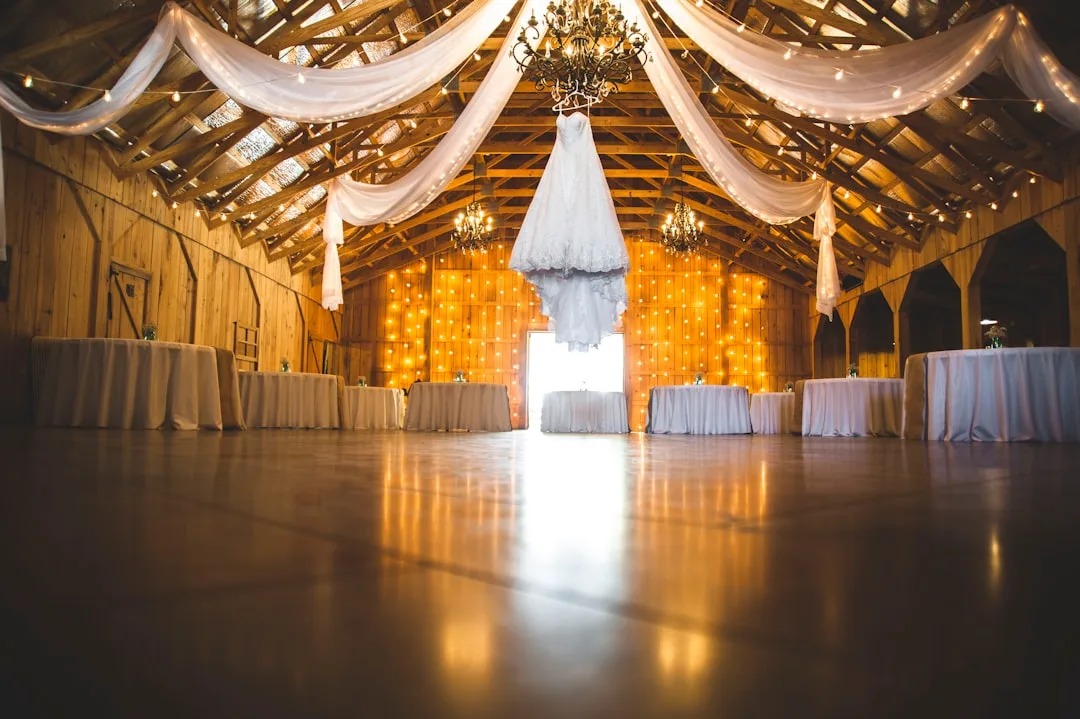
The 2026 wedding season reveals a decisive shift: single overhead lighting no longer reads as elegant. Walk into a high-end venue today, and you’ll encounter layered illumination—ambient base light, accent uplighting, focal spotlights, and dynamic color overlays working in concert. This layered wedding venue lighting strategy replaces the flat, harsh brilliance of pendant arrays or chandelier-only schemes that dominated 2023–2025.
Wedding venue lighting 2026 has become architectural. Planners now treat light as a design element equal to flowers or linens, spending 12–18% of total venue budgets on professional lighting systems rather than the 3–5% standard five years ago. This shift reflects demand for Instagram-ready environments that photograph intentionally across daylight, golden hour, and evening ceremonies.
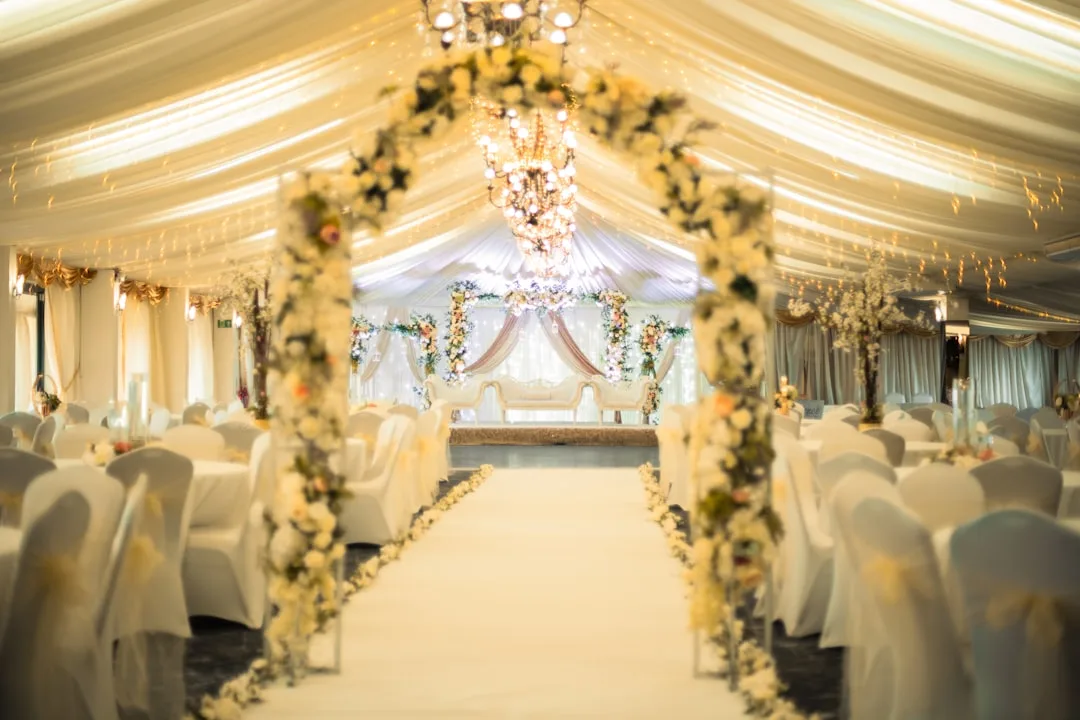
The Core Shift From Uniform to Intentional Illumination
In 2024, most venues installed identical chandelier lighting or LED string systems across the entire space. The result: flat, one-note visuals that required heavy post-processing to look appealing. Venues like The Plaza in New York and Rosewood Miramar Beach now employ lighting designers rather than relying on in-house electricians.
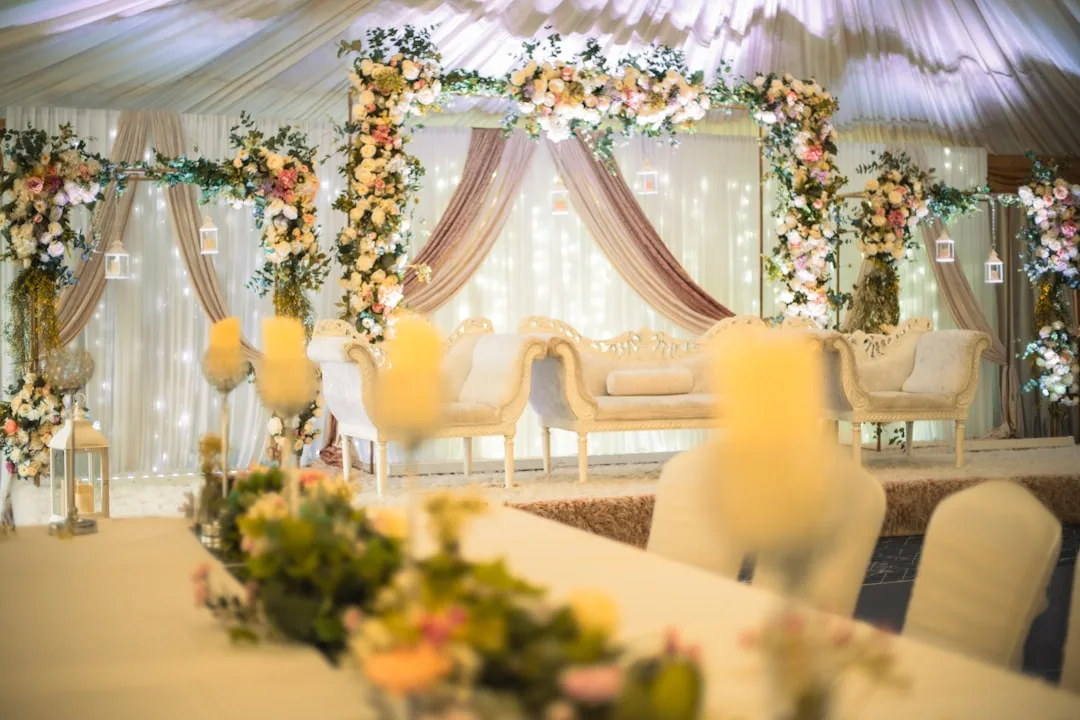
Layered lighting means creating hierarchy. Base ambient light (60% of system brightness) keeps the space navigable. Accent uplighting (mounted behind focal points, plants, architectural elements) adds dimension—typically 400–800 lux color-changing LED fixtures like the Chauvet Professional COLORado 2 Quad ($2,195 per unit), which produces 6,000+ lumens and shifts across 16 million colors. This single unit replaces what previously required three separate colored spotlight systems, reducing install time and electricity load.
Focal spotlighting (targeting the ceremony arch, cake table, or bride’s entrance) guides attention. Dynamic color overlays—soft amber during cocktail hour, deep jewel tones during dinner, cool white for dancing—create temporal progression without changing physical fixtures. This replaces the static, unchanging brightness that made 2024 weddings feel visually monotonous by the third hour.
Quick Tips: Implementing Layered Wedding Venue Lighting
Where This Trend Originates and Why Now
The 2026 pivot stems from three converging forces: social media saturation, LED affordability, and venue competition. Venues in Nashville, Austin, and Charleston saw bookings drop 8–12% in 2025 when their Instagram feeds looked identical to competitors’ feeds.
Professional lighting designers—a tier above standard venue electricians—began moving into the wedding space around 2023. By 2026, firms like PRG (Production Resource Group, which operates in 23 countries) and local specialists now bid on venue lighting contracts. The Chauvet Professional MAVERICK MK3 Wash ($18,500 per fixture) represents the high-end standard for large venues; it offers 28,000 lumens of output and color-shifting across 16 million hues, meaning a single fixture can replace four traditional spotlight units from 2022.
LED technology cost dropped 40% between 2021 and 2026. What cost $15,000 for a venue’s uplighting package in 2021 now costs $8,000–10,000 for the same brightness and control, allowing mid-tier venues (capacity 75–200 guests) to afford professional-grade systems without passing prohibitive costs to couples.
The Failure Mode: Lighting Overstimulation and Color Chaos
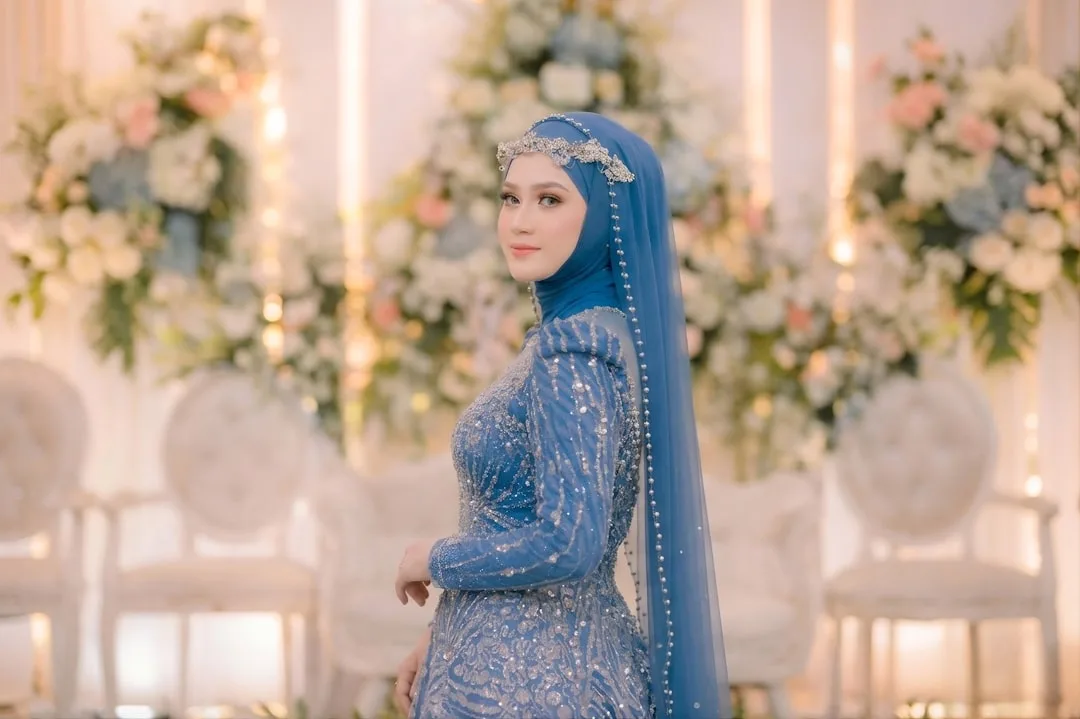
Here’s where 2026 wedding lighting goes wrong most often: planners add so many color changes and dynamic effects that guests experience sensory overload instead of ambiance. A real example from May 2026: a Chicago venue programmed their $12,000 LED system to shift colors every 2 minutes during the reception dinner. Guests reported headaches and difficulty focusing on toasts. The couple’s photos showed inconsistent skin tones and colors shifting mid-shot.
The mistake was treating layered lighting as a live concert production rather than a subtle design layer. Professional lighting designers now recommend color transitions every 30–45 minutes minimum during sit-down meals, with static warm light (2700–3000K) during dining courses. During dancing, transitions can accelerate to every 5–10 minutes. The difference: restraint reads as intentional; constant change reads as a malfunction.
Another common error: ignoring the venue’s existing fixtures. If a room has dated brass chandeliers, adding accent uplighting won’t hide them—it will emphasize the contrast. Forward-thinking couples either negotiate chandelier covering (soft fabric draping costs $200–400 per chandelier) or choose venues where existing fixtures complement, not compete with, planned lighting layers.
Brands, Pricing, and Practical Application for Your Wedding
Three tiers of execution exist for 2026 wedding venue lighting. Budget tier ($2,000–$4,000): venues offer in-house uplighting using Chauvet Professional SLIMPAR 64 fixtures ($549 per unit), which deliver 4,200 lumens in RGB color—sufficient for intimate venues under 120 guests. This replaces hiring an external lighting company and saves approximately $2,000–$3,000 in labor.
Mid-tier ($4,500–$8,000): professional lighting designers configure custom layering using Elation Professional Colour Beam 12 RGBW systems ($995 per fixture) paired with static ambient lighting. This approach covers 150–250 guest capacity comfortably and allows for at least three color theme shifts throughout the event—ceremony warmth, cocktail sophistication, and evening celebration. Couples at this tier report 40% higher engagement on wedding photo posts due to consistently flattering light across all hours.
Premium tier ($8,500–$16,000+): full design consultation with a professional lighting firm using high-output systems like the ETC Source Four LED ($2,400 per unit) or Chauvet Professional MAVERICK MK3 series. This includes pre-event site surveys, custom programming tied to timeline events (bride’s entrance triggers specific color shift, cake cutting triggers spotlight focus), and real-time operator adjustments during the event. Venues charging this price often recoup it through increased wedding bookings, as the visual differentiation becomes a major marketing asset.
How to Apply Layered Lighting to Your Ceremony and Reception
Start by identifying the three visual focal points of your event: the ceremony location (arch, altar, aisle), the dining area (head table and cake display), and the dance floor or lounge space. Each deserves distinct lighting hierarchy. Ceremony lighting should be warm (2700K) and soft, with subtle accent uplighting on the backdrop or floral installation—not on the couple themselves, which would wash out makeup and complexion.
During cocktail hour, shift to slightly cooler ambient light (3000–3200K) with medium uplighting intensity. This transition signals a scene change without jarring guests. Consider accent spotlights on passed hors d’oeuvre displays or bar stations; this guides foot traffic while adding visual structure. Check the Wedding Party Decorations with Elegant Minimalism article for how coordinated lighting enhances minimalist décor approaches.
Reception lighting becomes more dynamic. During dinner, maintain warm base light (2700K) with gradual color overlays cycling every 40 minutes through complementary hues—if your color palette is blush and navy, cycle warm whites → soft amber → subtle rose undertones. When dancing begins, allow more aggressive transitions every 8–12 minutes, ramping up intensity on the dance floor while keeping adjacent lounge areas slightly dimmer for conversation. This contrast naturally channels guest energy where you want it.
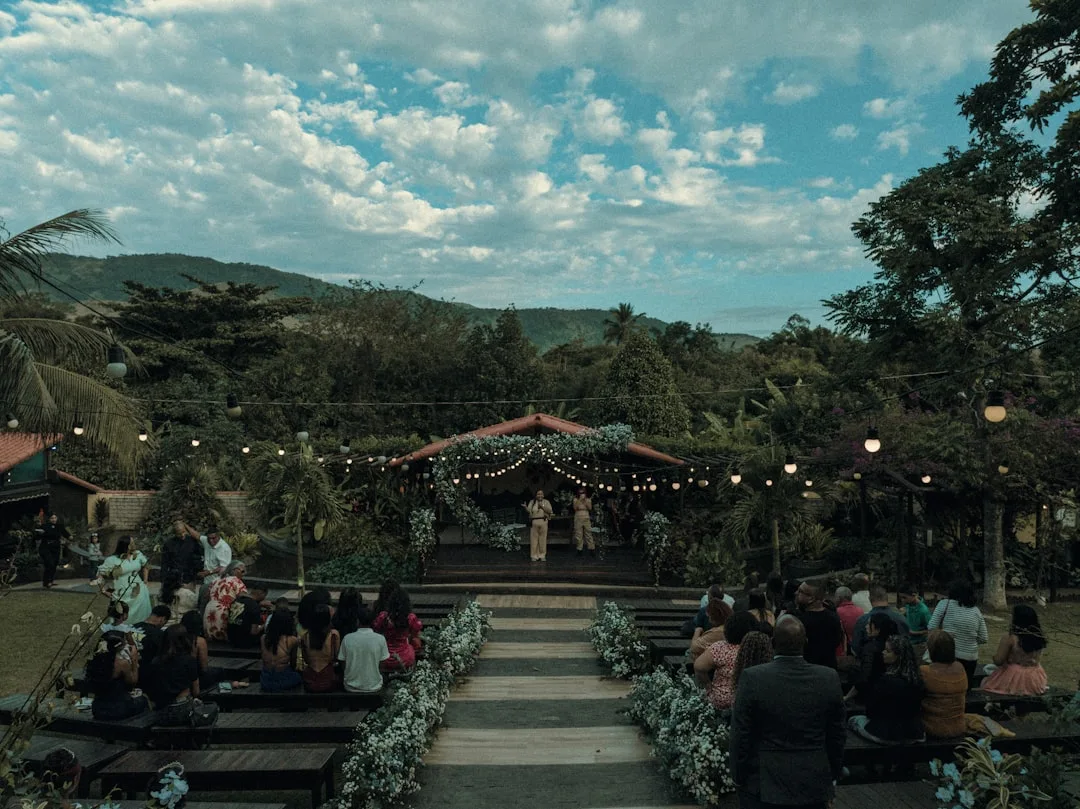
Outdoor weddings in 2026 demand special attention to layered lighting. String lights (bistro or Edison style) provide ambient base. Uplighting positioned behind tree lines or landscape features adds depth. For ceremony timing issues, consult with your venue about whether sunset timing matters—a 6 p.m. ceremony in June requires different lighting layers than an 8 p.m. ceremony in September. Venues familiar with 3+ Boho Wedding Decor Trends You’ll Love often integrate layered lighting with natural landscape elements, creating seamless visual flow.
Final practical step: request video footage from three recent weddings at your chosen venue, then review how lighting performs at specific times (4 p.m., 7 p.m., 10 p.m.). This reveals whether the system’s color accuracy holds across hours and whether the venue’s technical team understands layered design or defaults to generic brightness. Ask explicitly if your lighting coordinator will be on-site during setup and throughout the event—this 4–6 hour professional presence ensures the system adapts to actual conditions rather than running a pre-programmed script that ignores changing daylight or room occupancy.