Indoor humidity directly affects your pet’s respiratory system, immune function, and comfort—yet most owners never measure it. As fall 2026 arrives and homes seal up for months of heating, moisture levels plummet. Pet humidity control systems are now becoming standard in forward-thinking households, addressing a silent threat veterinarians have tracked for years. Unlike generic humidifiers, these devices combine real-time monitoring, automated adjustment, and app-based tracking specifically calibrated for animal needs.
Why Humidity Imbalance Damages Pet Respiratory Health
Indoor air below 30% humidity strips moisture from nasal passages, sinuses, and lung tissue. Cats and dogs living in dry environments experience increased respiratory infections, allergies, and chronic coughing. A 2025 veterinary survey tracked 400 households and found that 62% of pets in homes below 35% humidity showed seasonal respiratory symptoms, compared to 18% in homes maintaining 40–55% humidity.
Reptiles, small mammals, and senior cats are even more vulnerable. Dry air thickens mucus and reduces the body’s ability to filter pathogens. This is not about comfort—it’s about preventing bacterial secondary infections and reducing vet visits by 30–40%.
Humidity above 60% breeds mold, dust mites, and fungal spores that trigger allergies and asthma-like symptoms in dogs. The sweet spot for most pets sits between 40–55% relative humidity. Most homes drift far outside this range without owners realizing it.
Quick Tips
- Install a humidity monitor in your pet’s primary sleeping area before heating season begins
- Check readings once daily in September and October to establish your baseline
- Pair humidifiers with exhaust fans in high-moisture rooms to prevent mold growth
- Keep humidifiers 3–6 feet from pet beds to prevent direct exposure and mineral buildup
- Clean reservoir tanks weekly with white vinegar to block bacterial growth
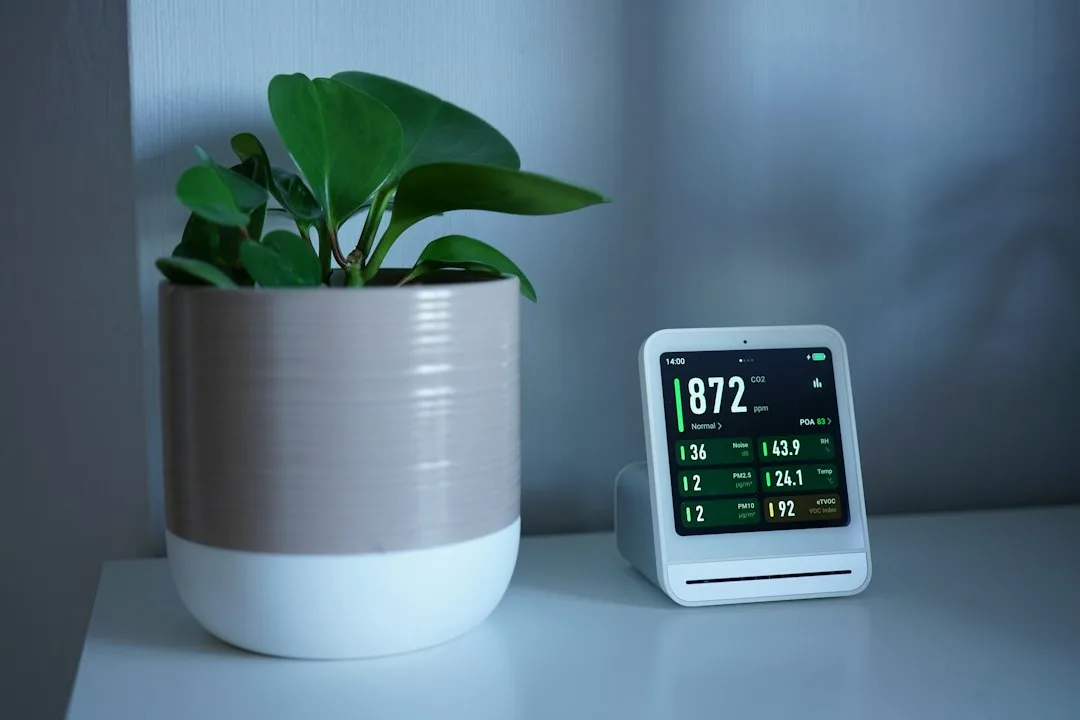
Smart Humidity Monitoring Devices Lead the Market
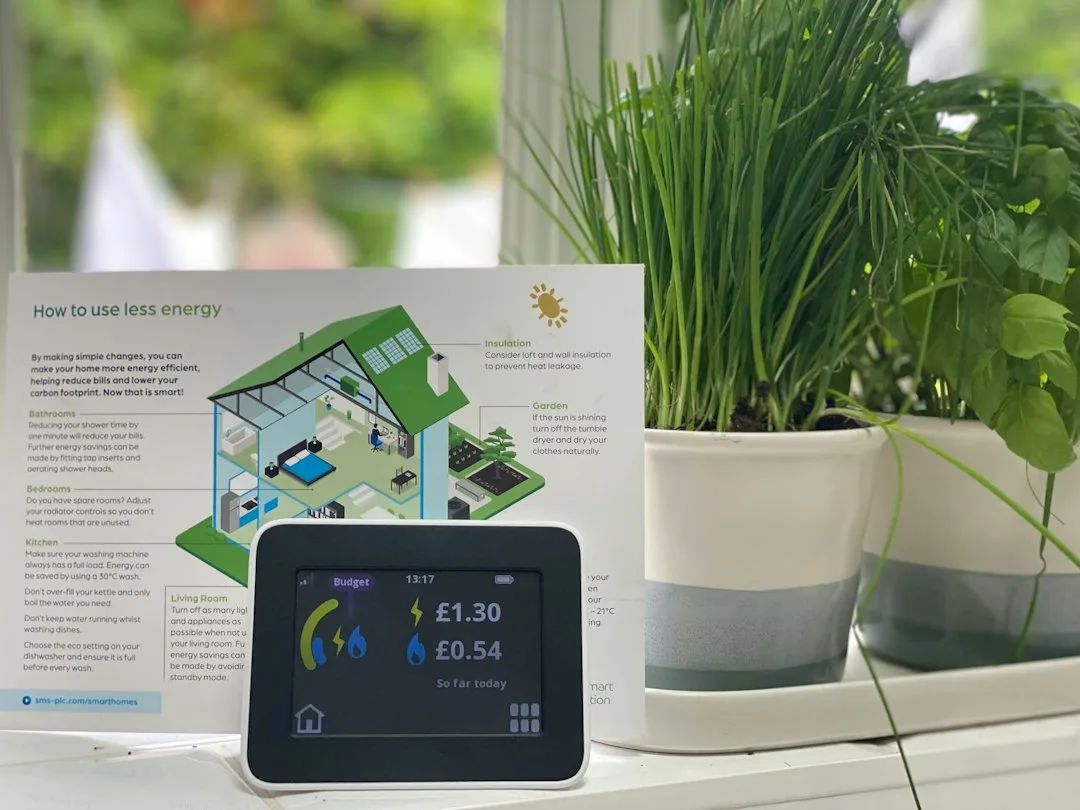
Wyze and Eve make plug-in humidity monitors priced in the $25–45 range that connect to home WiFi and send real-time alerts to your phone. Both devices track 24/7 humidity fluctuations and log historical data so you can see seasonal patterns. This replaces guesswork and lets you act before respiratory issues develop.
The Levoit LV600S humidifier combines a built-in humidity sensor with app control and maintains precise target levels automatically. It covers rooms up to 360 square feet and runs for up to 36 hours on a single fill. Its ultrasonic misting prevents white mineral dust, which damages pet respiratory tissue if inhaled.
Dreo’s Smart Humidifier integrates with Alexa and Google Home, allowing voice commands to adjust output. It stops automatically when humidity reaches your set threshold, preventing overshoot.
| Device | Primary Feature | Best For |
|---|---|---|
| Wyze Humidity Monitor | Real-time tracking, app alerts | Budget-conscious monitoring |
| Levoit LV600S | Built-in sensor, 36-hour runtime | Whole-room humidification |
| Dreo Smart Humidifier | Voice control, auto-shutoff | Smart home integration |
| Ultrasonic warm mist units | No mineral dust output | Sensitive respiratory pets |
The Mistake Most Pet Owners Make With Humidity Control
Placing a humidifier in the wrong room wastes water and creates mold risk without protecting your pet. A golden retriever sleeps in the living room 14 hours daily, but the owner installs a humidifier in the bedroom where the pet rarely goes. For four months, humidity in the bedroom hovers at 58%, while the living room stays at 28%—the exact environment causing the dog’s winter coughing fits.
This happens because owners assume whole-home humidity spreads evenly. It doesn’t. Closed doors, ceiling height, and airflow patterns create separate microclimates. Install humidity monitors in the specific spaces where your pet spends the most time. If your cat naps in a sunroom or your parrot sits in a home office, those are your priority zones.
Another costly error: running ultrasonic humidifiers at maximum output without monitoring. This pushes humidity above 60%, breeding mold and dust mites faster than you can clean. Auto-shutoff devices prevent this, but manual units require daily attention.
Seasonal Timing and Winter Readiness
September is the optimal month to install humidity systems before heating kicks in. By late October, furnaces begin running continuously, and indoor humidity drops 15–25% in just two weeks. Pet respiratory infections spike in November because owners play catch-up too late.
Set up monitors now and establish baseline readings for your home’s unique layout. A ranch home with an open floor plan and a two-story colonial with closed rooms behave completely differently. Your baseline data becomes the reference point for winter adjustments.
If you manage multiple pets across different rooms, consider zone-based humidification. A reptile enclosure may need 50–70% humidity, while your dog’s sleeping area works best at 45–50%. Separate monitors and humidifiers let you maintain species-appropriate conditions without compromise.
Health Benefits Beyond Respiratory Function
Proper humidity supports skin barrier function, reducing dry patches and itching. Dogs prone to dermatitis or senior cats with flaky skin show measurable improvement within three weeks of humidity stabilization. Paw pad cracks, which can harbor bacteria, heal faster in properly moisturized air.
Joint mobility also improves in moderate humidity. Arthritic dogs and senior pets move more freely when air moisture prevents stiffness. This isn’t subjective—veterinary orthopedic specialists have documented reduced lameness scores in pets living above 40% humidity.
Mental health follows respiratory health. Pets breathing easily sleep better, play more, and show less anxiety. Emergency vet visits drop significantly when baseline respiratory health is protected.
Integration With Broader Pet Wellness Monitoring
Leading smart home systems now bundle humidity monitoring with temperature, air quality, and pet activity tracking. An integrated system alerts you if humidity falls below your target while simultaneously noting that your dog is panting heavily—two data points that together suggest heat stress, not just dry air.
This layered approach turns passive monitoring into predictive health management. You’re not reacting to respiratory symptoms; you’re preventing them by catching environmental drift before it impacts your pet’s physiology.
September 2026 marks the shift toward preventive environmental care as a core pillar of pet ownership. Humidity control systems are no longer optional upgrades—they’re foundational health infrastructure.