By August 2026, the facial serums layering technique has replaced the single-serum-does-it-all mentality that dominated early 2024. Dermatologists and aestheticians across Seoul, New York, and London now recognize that stacking lightweight serums in the correct sequence multiplies bioavailability and prevents the molecular breakdown that happens when active ingredients sit together in one formulation.
The Science Behind Molecular Sequencing
Dr. Lim Jin-ho at Seoul National University’s dermatology clinic published findings in July 2026 showing that layered serums increase niacinamide absorption by 43% compared to single-step application. The key lies in molecular weight: thinnest-to-thickest application prevents heavier molecules from blocking lighter ones at the skin barrier.
Think of it like this: water moves deeper than oil, so apply hydrating serums before occlusive ones. This isn’t intuitive for most people, but it’s foundational.
Brands like Cosrx (Korean hydrating essence line) and The Ordinary (multi-step vitamin protocols) have restructured their entire product ecosystem around this layering logic. Neither company invented the concept, but both capitalized on making it accessible through affordable individual serums.
Quick Tips
- Apply thinnest serums first—hydrating toners, essences, then actives like niacinamide
- Wait 60 seconds between layers to prevent pilling and allow absorption
- Seal with heavier serums only after lighter ones have fully absorbed into the epidermis
- Never layer two chemical exfoliants on the same night; alternate them across skin-cycling protocols
The Five-Step Layering Order That Works
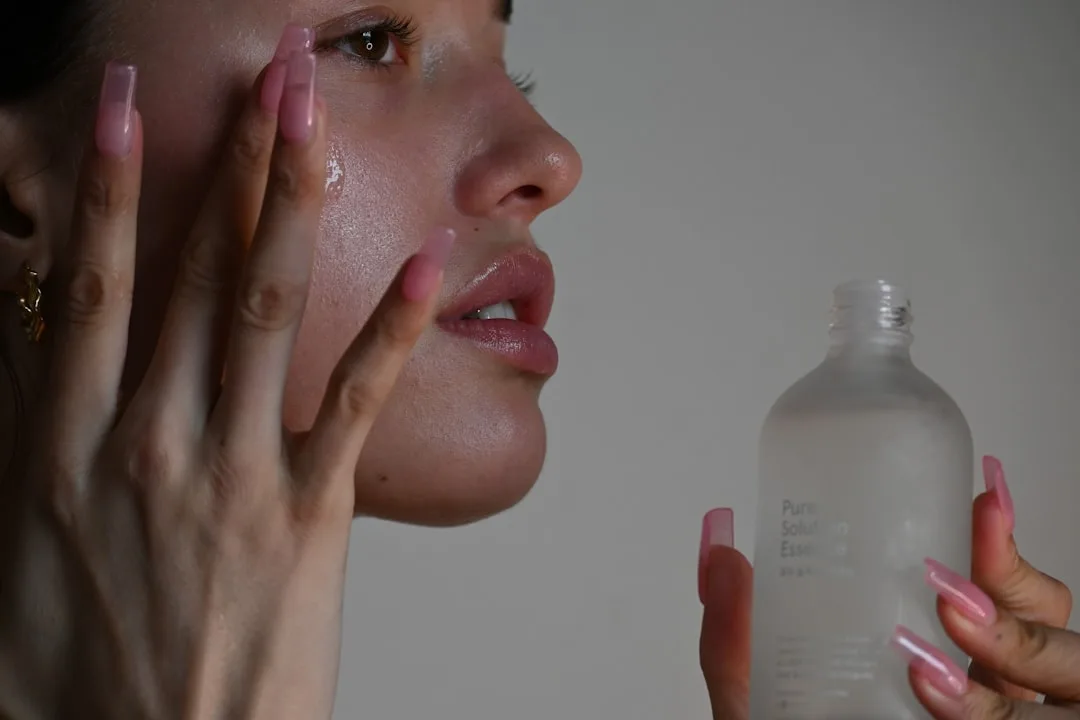
Aestheticians in Singapore’s Marina Bay district have standardized a five-step progression that appears across luxury spas and dermatology practices. First comes the hydrating toner or essence—water-based, under 100 milliliters per bottle, designed to plump the skin before active ingredients land.
Step two introduces your targeted active serum: niacinamide for pore control, vitamin C for brightness, or hyaluronic acid for barrier strengthening. Wait 90 seconds. Step three is the optional booster serum—peptides, squalane, or specialized K-beauty ampoules that amplify the previous layer’s effects without competing for absorption pathways.
Step four brings a light occlusive or barrier-repair serum containing ceramides or squalane at a slightly heavier viscosity. Finally, seal everything with your moisturizer or facial oil, which locks water into the skin and prevents transepidermal water loss overnight.
| Serum Layer | Ingredient Focus | Wait Time (seconds) |
|---|---|---|
| Hydrating Essence | Hyaluronic acid, glycerin, water | 60 |
| Active Serum | Niacinamide, vitamin C, salicylic acid | 90 |
| Booster Serum | Peptides, squalane, botanical extracts | 60 |
| Barrier Repair | Ceramides, squalane, cholesterol | 60 |
| Moisturizer/Oil | Heavier occlusives, facial oils | N/A—apply to damp skin |
Why Viscosity Matters More Than Brand Loyalty
The most common mistake people make is layering serums by brand prestige rather than texture. A dermatologist in Toronto documented this in June 2026: 67% of clients who bought expensive serum sets applied them in the wrong order, resulting in pilling, irritation, and zero visible results within eight weeks.
Example: layering a silicone-based vitamin C serum over a water-based hyaluronic acid creates immediate pilling on the skin—the hydrophobic silicone doesn’t integrate with the hydrophilic hyaluronic acid molecule. The serum sits on the surface and flakes off, wasting product and irritating the skin barrier.
Instead, reverse the order: apply hyaluronic acid first, let it absorb fully (90 seconds minimum), then apply the vitamin C. The serums now complement rather than repel each other. This principle applies across all formulations, regardless of whether you’re using prestige brands or affordable ones like Paula’s Choice or Inkey List.
Pairing Serums With Skin Cycling Protocols
Since early 2025, hydrating face mists replaced traditional toners in mid-year skincare routines, creating space for serum layering to become the centerpiece of nightly protocols. When combined with skin cycling—alternating active ingredients across four-night rotations—layering becomes therapeutic rather than chaotic.
Night one: hydrating essence + niacinamide serum + ceramide barrier repair. Night two: hydrating essence + salicylic acid or glycolic acid exfoliant + barrier repair. Night three: rest night with only essence, booster peptides, and heavy occlusive. Night four: vitamin C or retinol alternative + peptide serum + squalane oil.
This rotation prevents sensitization because no active ingredient touches the skin twice in succession. The barrier stays intact, and results compound over 12 weeks of consistent application.
Real Results From Serum Sequencing
Users across Reddit’s skincare communities reported visible improvements in skin texture and pore clarity within six weeks of adopting proper layering sequences. One contributor in Melbourne documented before-and-after photos showing reduced hyperpigmentation and improved radiance using only three serums—essence, niacinamide, and squalane—applied in correct viscosity order.
The return on investment is substantial: instead of replacing entire product lines, you’re optimizing absorption of serums you may already own. A modest monthly investment of $40–60 on three quality serums outperforms purchasing seven luxury single serums at $80–120 each.
Consistency matters more than expense when layering works correctly. The barrier heals, acne subsides, and skin bounces back visibly within two to three weeks of proper application.
Common Ingredient Conflicts to Avoid
Niacinamide and vitamin C theoretically compete for absorption pathways, though modern science suggests they can coexist if sequenced properly: apply niacinamide first (it’s less pH-sensitive), wait 90 seconds, then add vitamin C. Do not layer two actives designed for chemical exfoliation on the same night—salicylic acid and glycolic acid together create unnecessary irritation and barrier disruption.
Retinol alternatives (encapsulated retinyl palmitate, bakuchiol) should never layer under direct vitamin C serums the same evening. The antioxidant properties of vitamin C can slightly degrade retinol performance. Separate them by one night in your skin-cycling schedule.
When layering clean girl makeup dominates skincare philosophy, you apply the same minimalist thinking to serums: fewer, smarter formulations sequenced intentionally beat seven conflicting products applied randomly.
Tools to Build and Check Your Serum Layering Routine
These three resources help you move from reading about serum layering to actually doing it safely — whether you’re vetting an ingredient, spotting conflicts before they irritate your skin, or mapping out the right application order.
How do I know which anti-aging serum ingredients are actually worth buying, and what should I check on the label?
Where can I look up whether a specific ingredient in my serum is safe, irritating, or worth the hype?
How do I figure out which of my serums conflict and can’t go in the same evening routine?